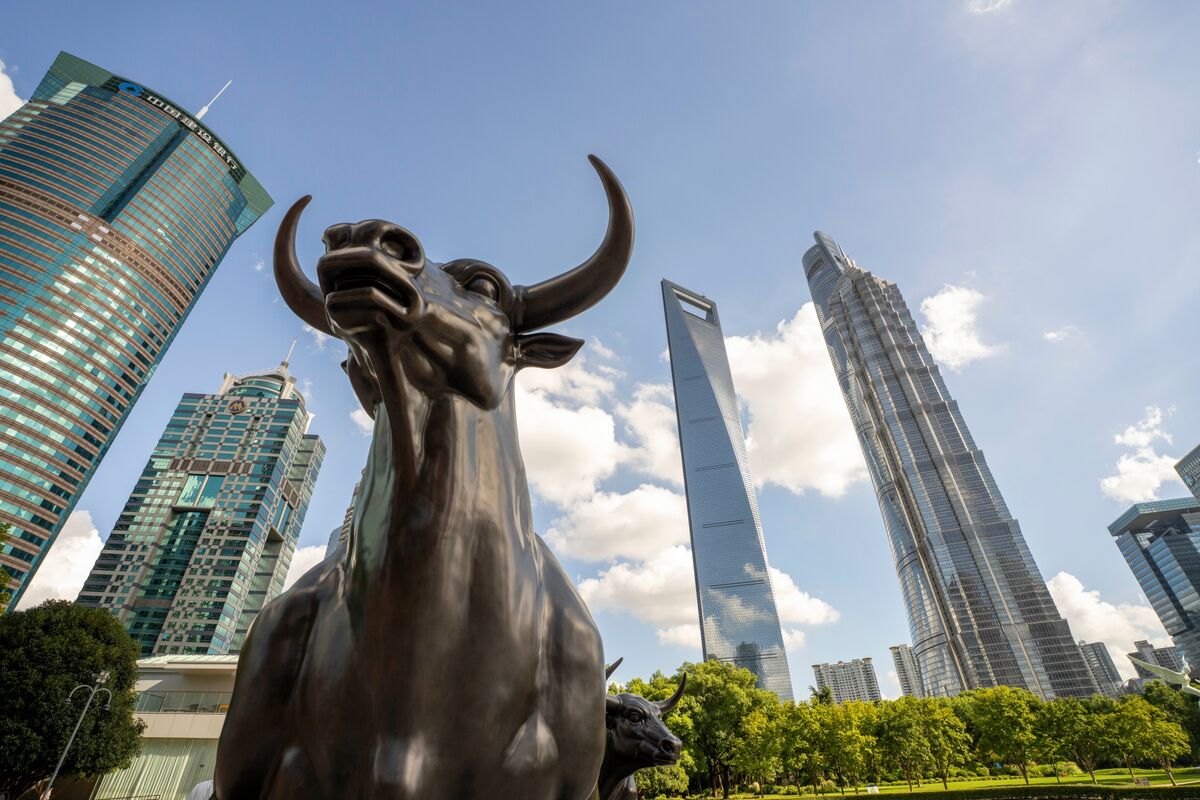
China's stock market rally is being fueled by a significant shift of household savings, totaling around $23 trillion, into equities, supported by low bond yields and limited alternative investments, with analysts optimistic about further gains despite some signs of overheating.
China's $11 trillion stock market struggles with poor returns and structural issues, leading to high savings rates and limited consumer spending. Despite recent reforms and efforts to improve transparency and investor protections, the market remains underperforming, with government policies prioritizing corporate financing for technological advancement over investor interests, which hampers household confidence and economic growth.
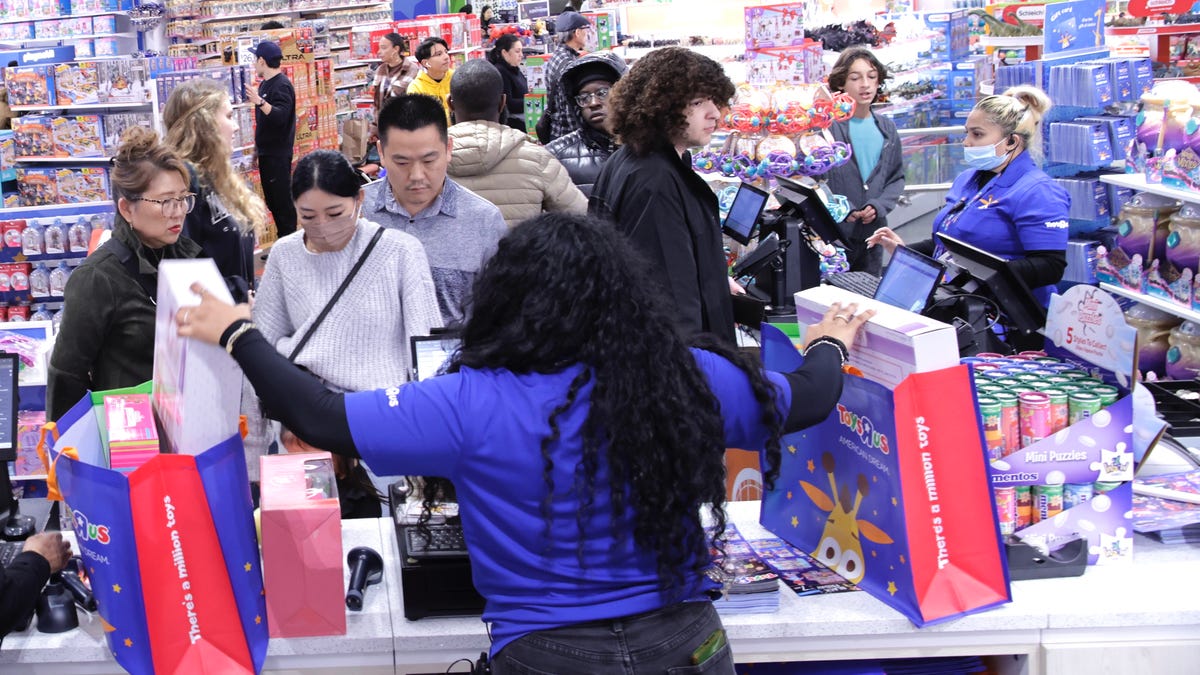
Consumers in the US are taking a cautious approach to their holiday spending as they grapple with high prices, dwindling savings, and rising debt. While shoppers are still spending, they are focusing more on essentials and making fewer discretionary purchases. General merchandise sales have fallen, and retail sales dipped slightly last month. The wobbly consumer sentiment could raise the odds of a recession. Although some economists predict a rise in holiday sales, others note that households are facing inflationary pressures and have depleted their pandemic-related savings. Credit card debt has surged, and consumers are making more subtle tweaks to their shopping habits, which could curb holiday sales.
The U.S. consumer is facing challenges as economic indicators show a depletion of excess cash and negative real income growth, warns Chris Watling, CEO of Longview Economics. Despite a projected strong GDP growth for the third quarter, concerns remain about the longer-term economic outlook and the potential for a recession. Watling predicts that the labor market will deteriorate in the coming months, which could kickstart a recession. He suggests that the stock market is struggling to find direction and advises being underweight equities in the long term.