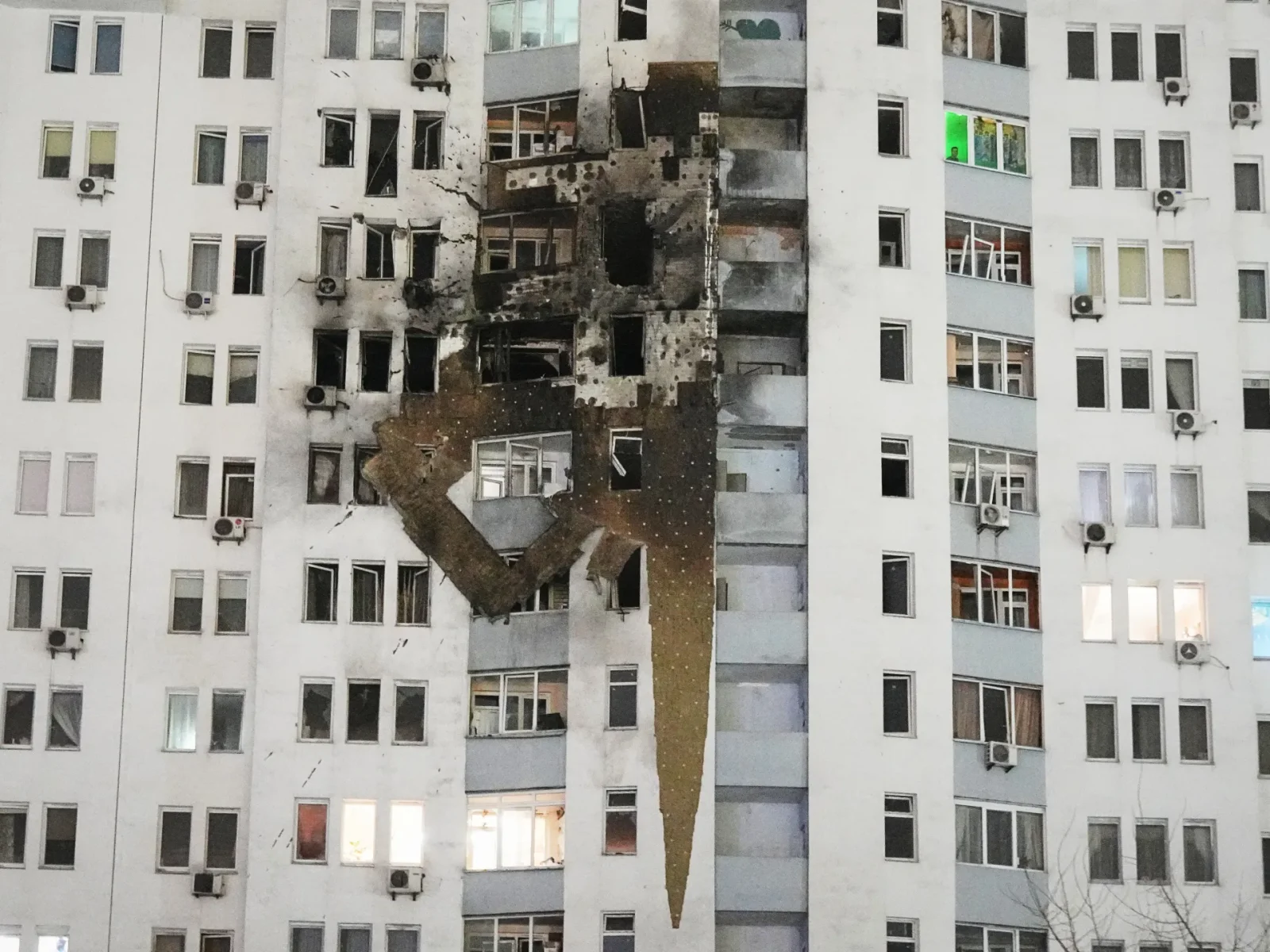
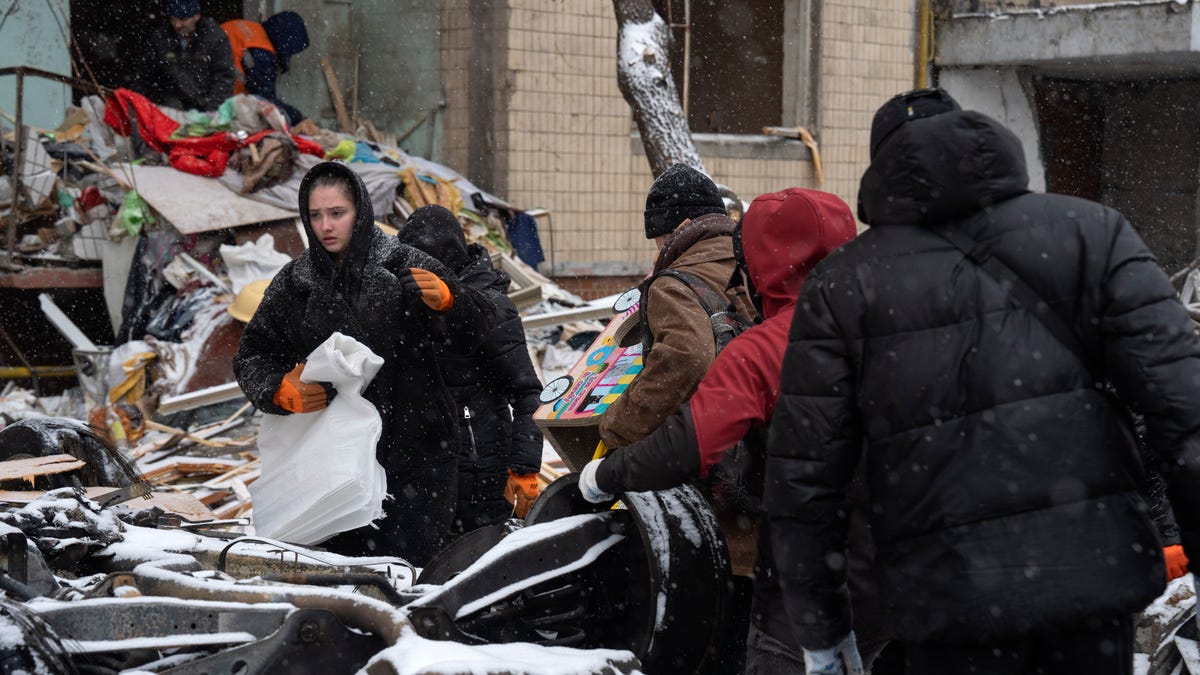
On day 1,416 of the Russia-Ukraine war, a Russian attack on Kyiv resulted in four deaths and widespread infrastructure damage, while other regions experienced shelling, drone attacks, and territorial advances. International reactions included condemnations, sanctions, and diplomatic efforts to address the conflict and protect healthcare facilities.
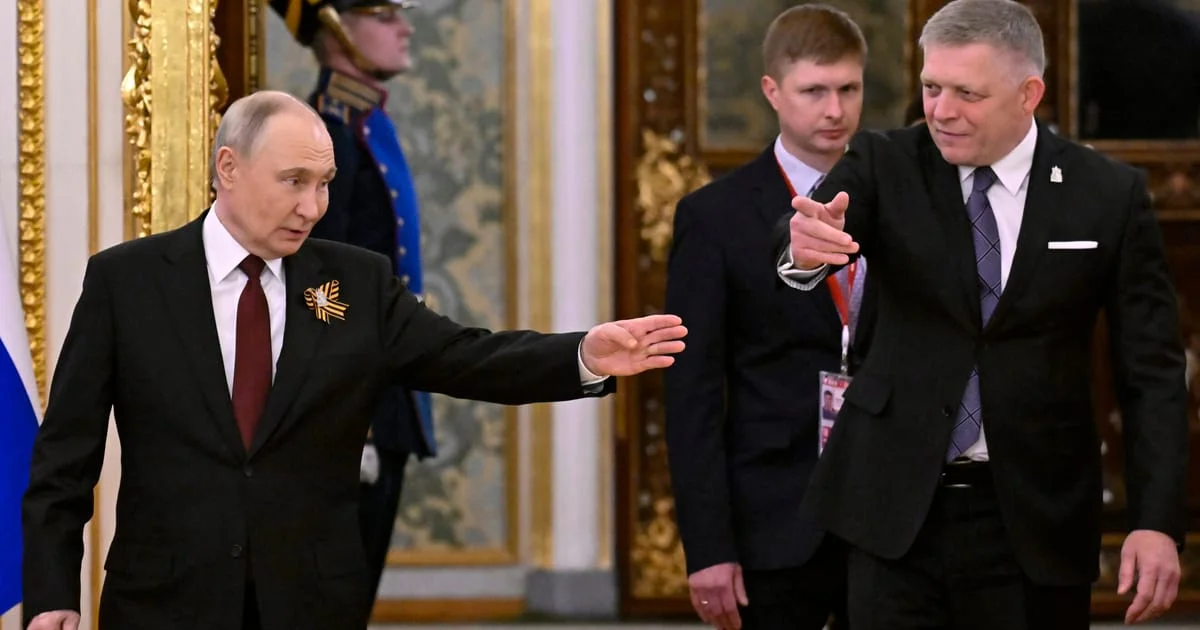
The US has imposed sanctions on Russian oil companies following strikes on Ukraine that resulted in 7 deaths, amid ongoing Russian attacks and the apparent collapse of a planned Trump-Putin meeting, indicating that a negotiated resolution to the conflict remains unlikely.
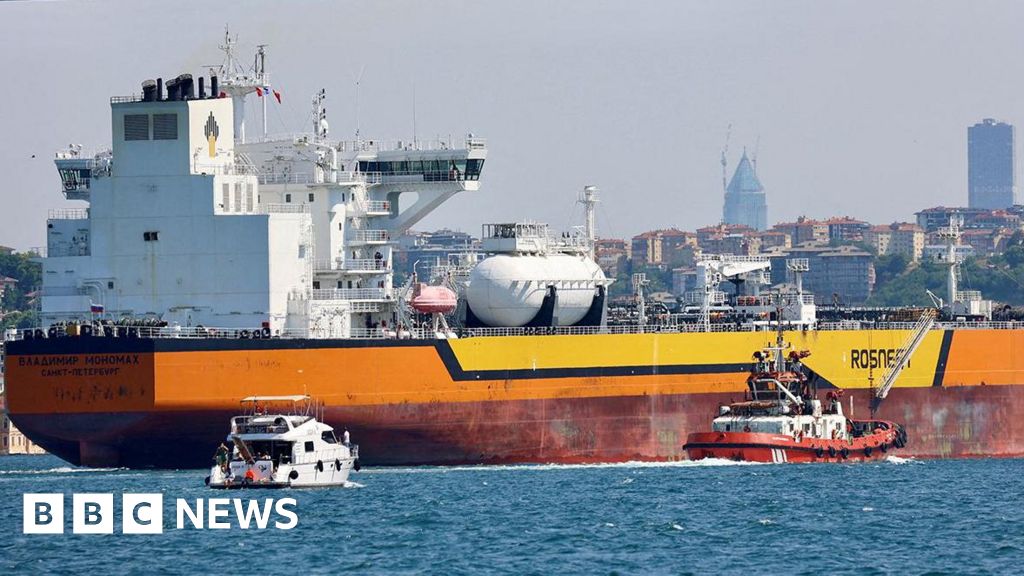
The UK has imposed sanctions on Russia's largest oil companies, Lukoil and Rosneft, along with a shadow fleet of oil tankers, and targeted Indian and Chinese oil terminals to cut off funding for Russia's war in Ukraine, aiming to significantly impact Russia's economy and military capabilities.
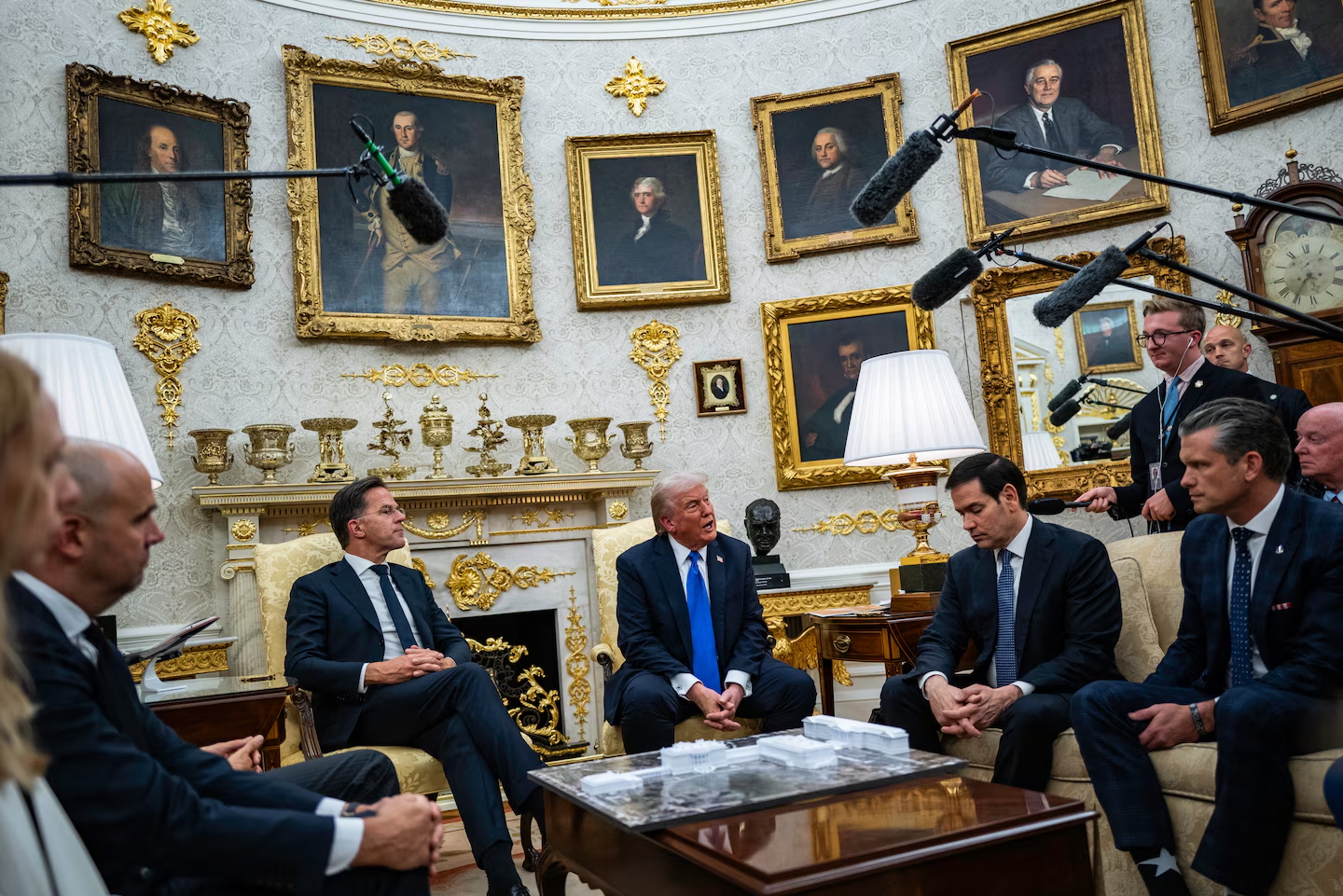
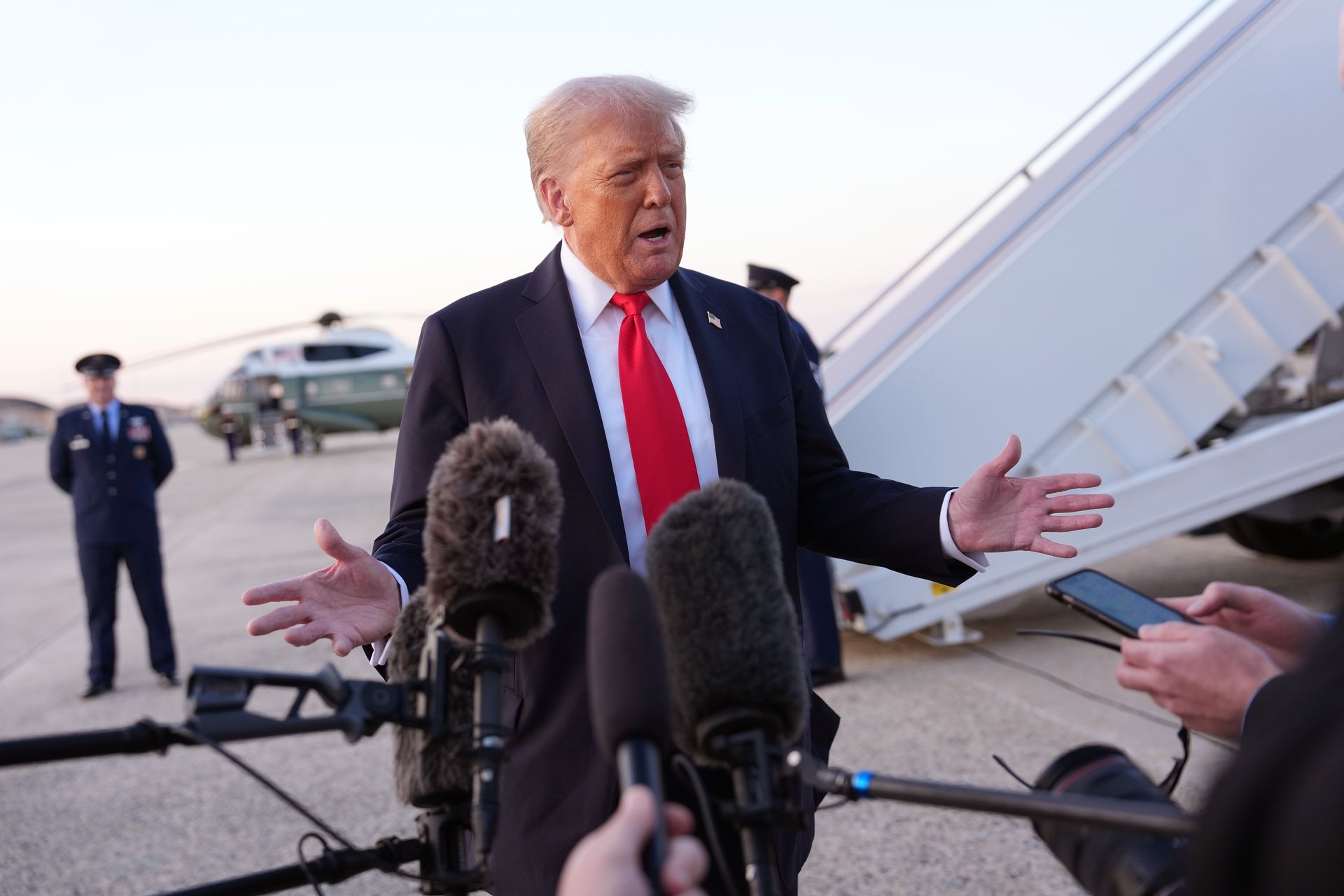
U.S. President Trump has indicated readiness to escalate sanctions against Russia, including secondary tariffs on countries purchasing Russian oil, but details remain unclear and skepticism persists about the actual implementation of these threats, amid ongoing geopolitical tensions and European energy dependencies.
In 2025, the US significantly intervened in Brazil's political and trade affairs, including proposing tariffs on Brazilian exports, investigating trade practices, and revoking visas of Brazilian officials connected to former President Bolsonaro's prosecution, marking a rare deep interference since the Cold War.
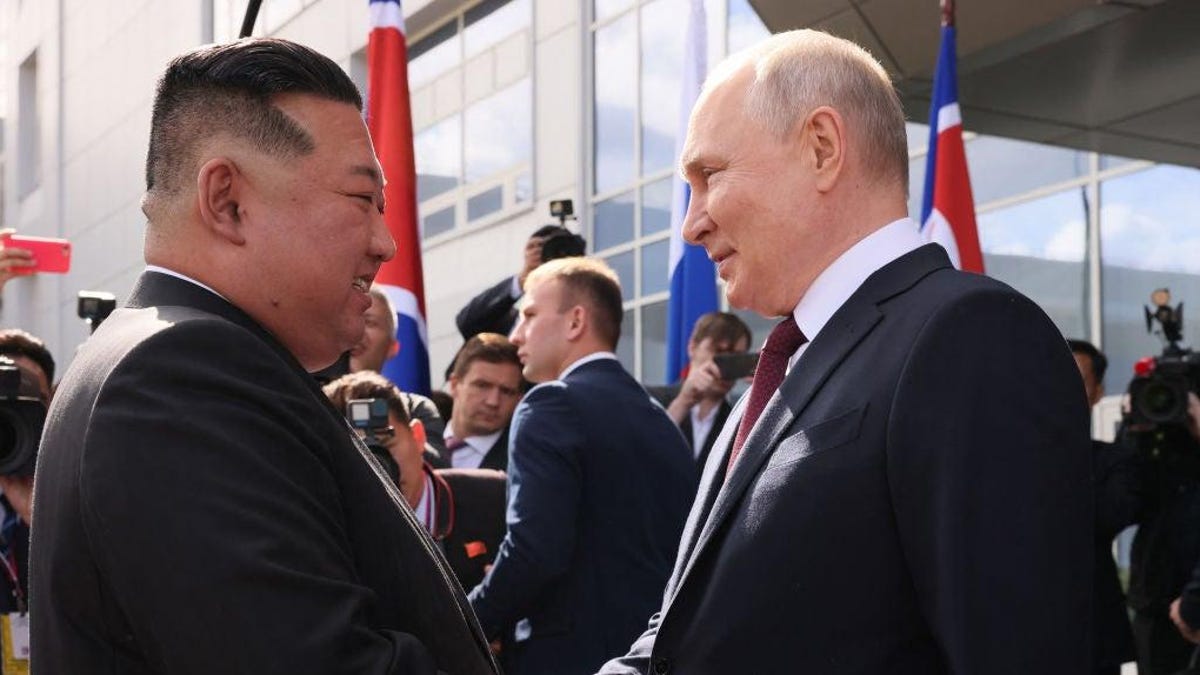
Russian President Vladimir Putin gifted North Korean leader Kim Jong Un a luxury limousine, the Aurus Senat, in defiance of international sanctions prohibiting the export of luxury goods to North Korea. The gift has drawn criticism from the international community, as it represents a flagrant violation of sanctions imposed on North Korea by the United Nations Security Council, of which Russia is a permanent member. The move is seen as part of a broader effort to strengthen ties between Russia and North Korea, raising concerns about potential weapons trade and the influence of China. Despite the sanctions, Kim Jong Un has been known to possess numerous foreign-made luxury cars, highlighting the porousness of international sanctions on North Korea.
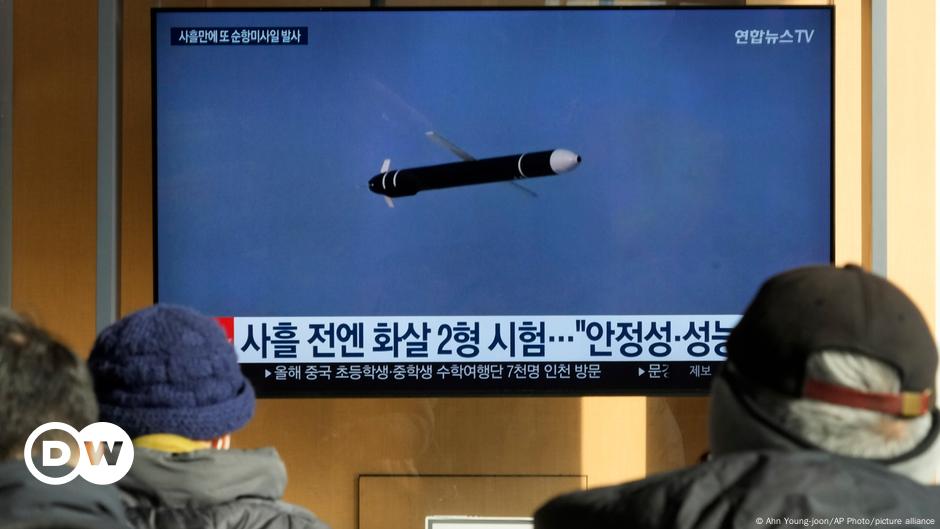
North Korea conducted another round of cruise missile tests, firing multiple missiles into the sea, prompting heightened surveillance and vigilance from South Korea's military. This marks the fifth test of such weapons this year, with growing aggression from Pyongyang, including threats towards South Korea and advancements in its missile program. Speculation arises about potential ties between North Korea and Russia, as leader Kim Jong Un strengthens his relationship with Moscow amid accusations of weapons exchange violating UN sanctions.
The White House has revealed that Russia has used North Korean ballistic missiles in its conflict with Ukraine and is seeking to purchase missile systems from Iran. National Security Council spokesman John Kirby described this as a "significant and concerning escalation" in North Korea's support for Russia. The U.S. plans to address these violations at the UN Security Council, impose additional sanctions, and continue supporting Ukraine with military aid. Kirby emphasized the urgency for Congress to approve supplemental funding for Ukraine to counter these developments.
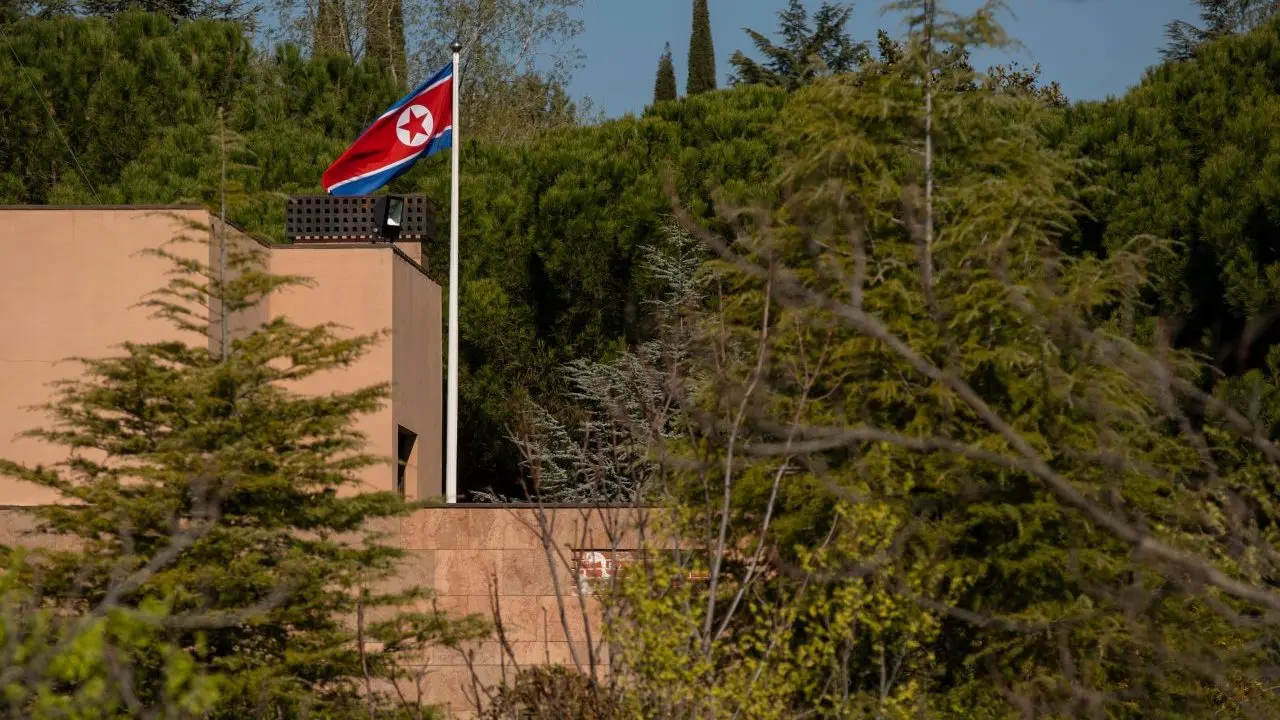
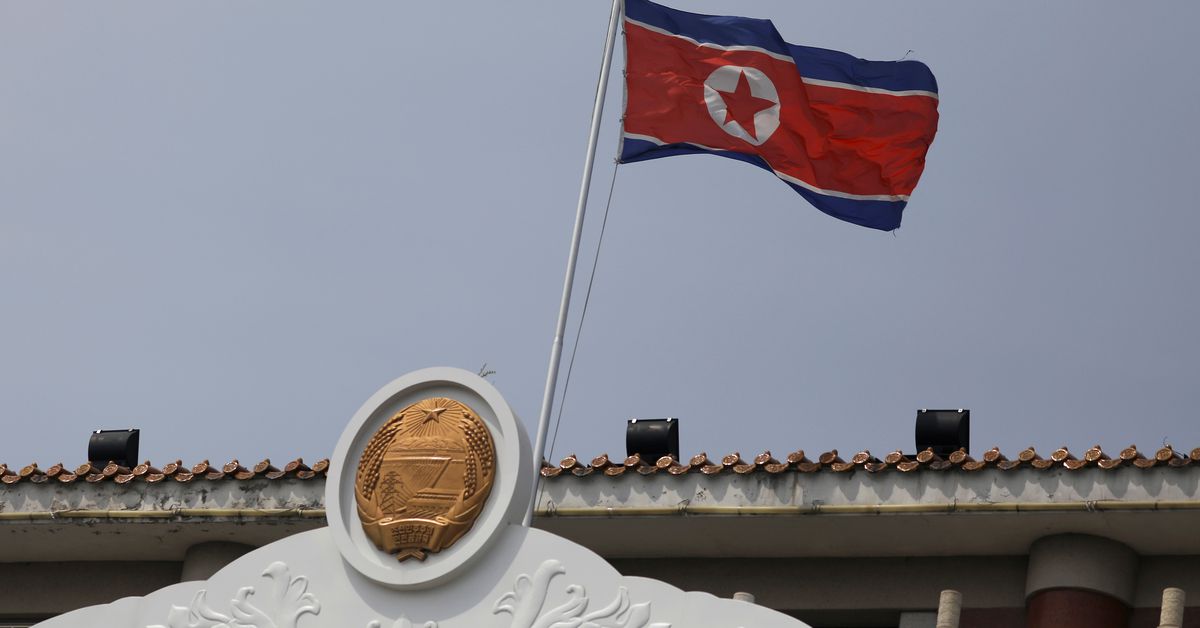
North Korea is shutting down multiple embassies around the world, leading South Korean observers to speculate that it is due to financial difficulties caused by strengthened international sanctions. The closures include embassies in Angola, Uganda, Spain, and Hong Kong. North Korean embassies are known to rely on their own sources of income, often illegal, to support themselves and provide funds to the regime. This move reflects the North's struggle to maintain diplomatic relationships with its traditional allies amid its challenging economic situation.
North Korea is reportedly closing multiple embassies around the world, including in Spain, Hong Kong, and several African countries, which could result in nearly 25 percent of Pyongyang's missions closing worldwide. The closures are seen as a sign that North Korea is struggling to generate revenue overseas due to international sanctions. The move could have significant implications for diplomatic engagement, humanitarian work, and the country's ability to generate illicit revenue. The closures are likely a result of the weakening North Korean economy and the international community's efforts to curb funding for the country's nuclear and missile programs.
North Korea is reportedly closing multiple embassies around the world, including in Spain, Hong Kong, and several African countries, which could result in nearly 25 percent of Pyongyang's missions closing worldwide. The closures are seen as a sign of the country's struggle to generate revenue overseas due to international sanctions. The move could have significant implications for diplomatic engagement, humanitarian work, and the ability to generate illicit revenue. The South Korean unification ministry stated that the closures reflect the impact of sanctions and North Korea's difficult economic situation. North Korea has formal relations with 159 countries but had 53 diplomatic missions overseas until the recent closures.
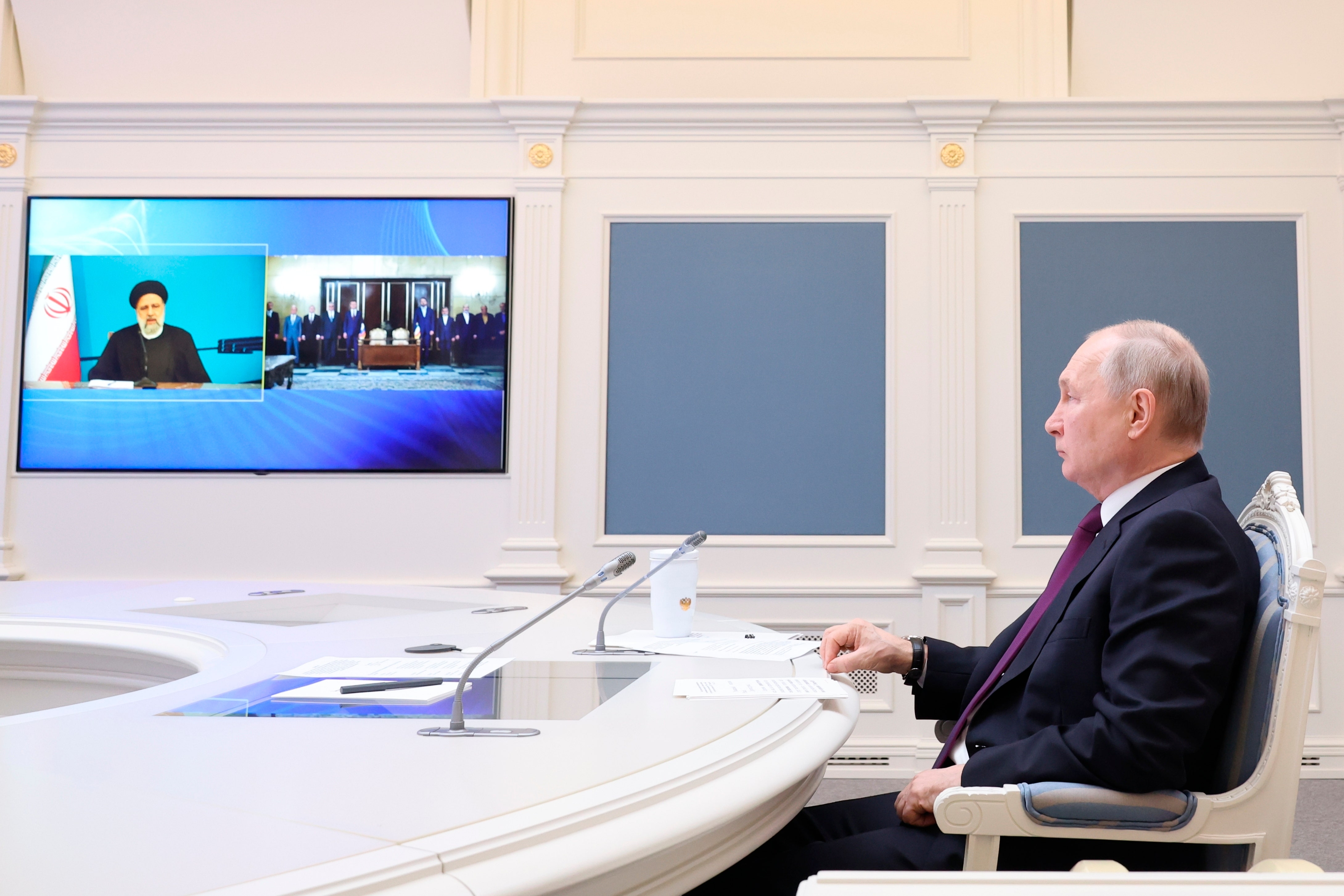
Russia and Iran have signed a $1.7 billion agreement to build an intercontinental rail system that will connect India, Iran, Russia, Azerbaijan, and other nations with a sea route under the International North-South Transport Corridor. The railway is set to rival the Suez Canal as a major global trade route. The deal is the latest in a string of agreements and partnerships between Moscow and Tehran amid increasingly strained ties with the West and their allied nations. It is unclear whether the trade route will be affected by international restrictions, but some reporting has suggested it could be "sanction-proof."
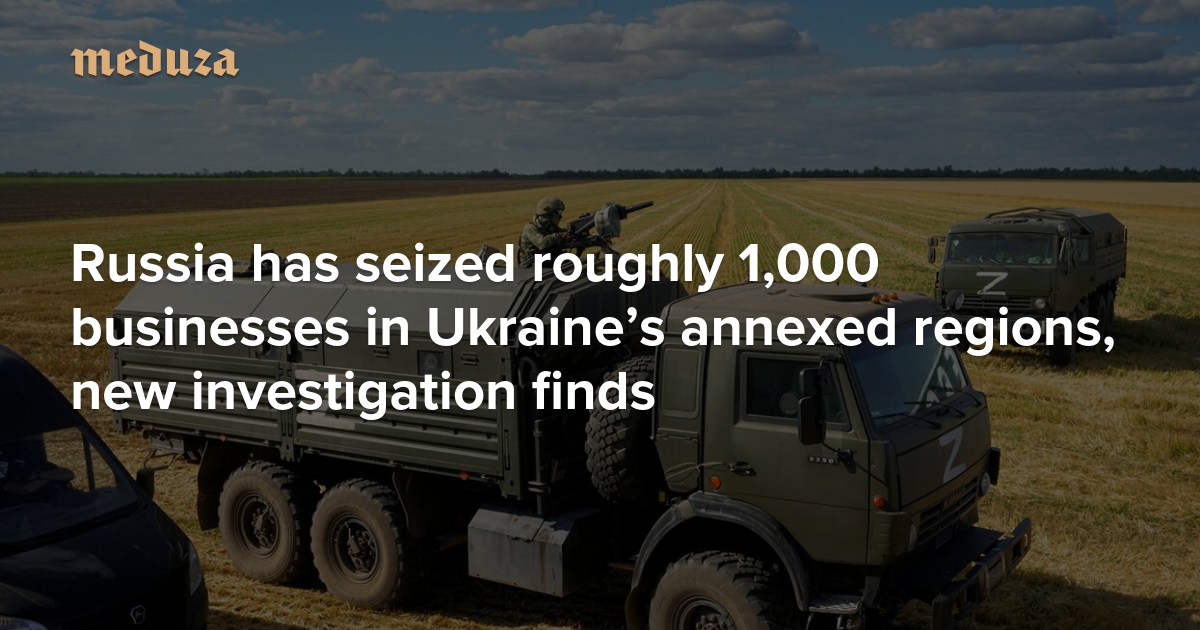
Russia has seized around 1,000 businesses in Ukraine's annexed regions, including agricultural holdings, mining companies, factories, food processing plants, markets, pharmacy chains, and malls. Most of the companies' new owners are Russian citizens, and many Russians have opened new manufacturing facilities or expanded their pre-existing ones in Ukraine's annexed territories. The owners are most often from Moscow, the Rostov region, and Crimea. Novaya Gazeta Europe noted that only 260 of the roughly 1,000 companies newly registered in Russia have owners indicated in their records, primarily due to business owners wanting to evade international sanctions. Ukrainian businessmen from the annexed territories have been recording their property losses as part of ongoing criminal cases, and the owners of the largest companies have even filed suits at the European Court of Human Rights.