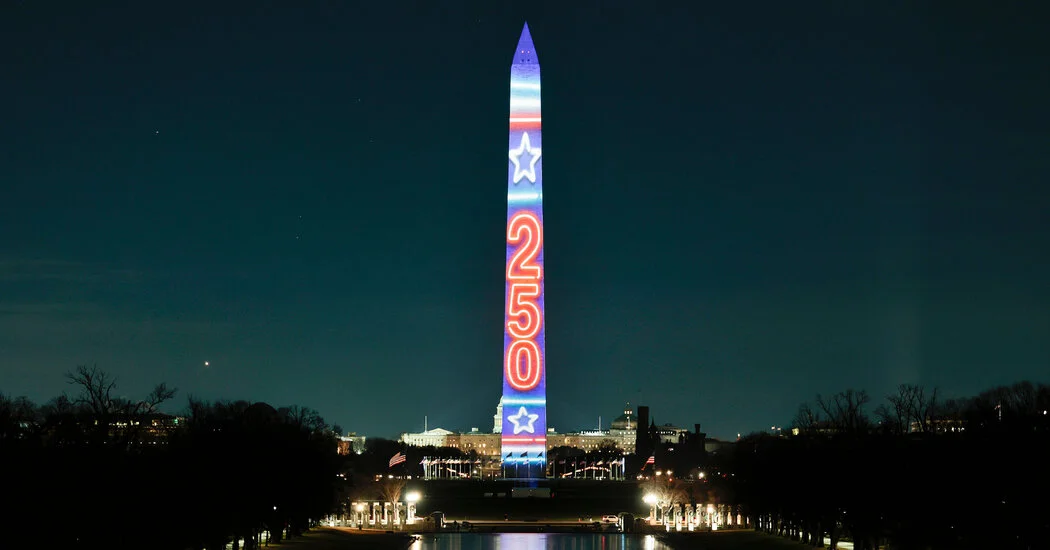
U.S. embassies and consulates abroad are soliciting corporate donations to fund lavish Fourth of July events marking America’s 250th birthday, following a White House push to stage grand national celebrations in Asia and beyond.
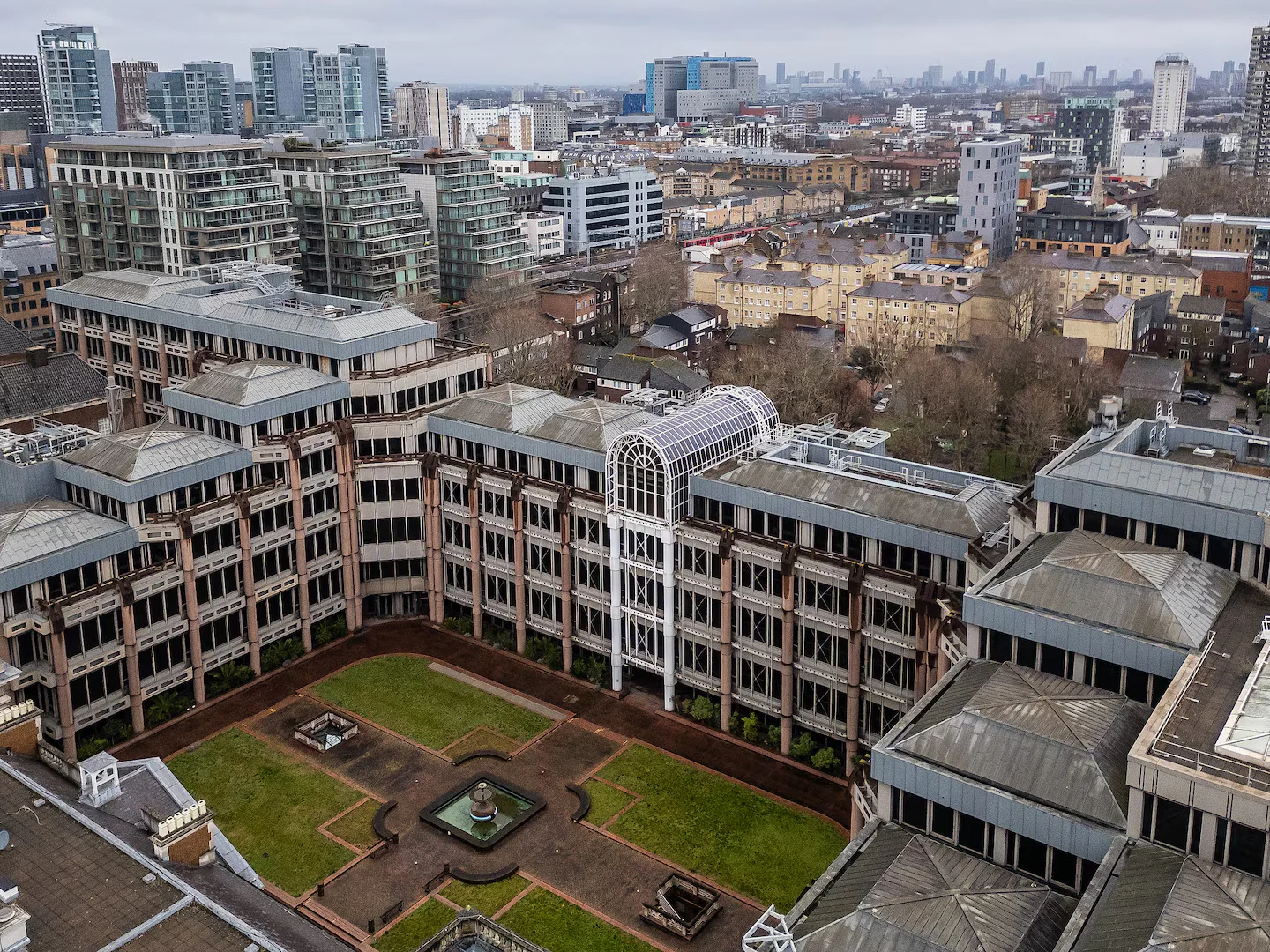
An opinion piece arguing Britain’s Labour government approved a massive Chinese Embassy at Royal Mint Court in London, a move the author says reveals Prime Minister Keir Starmer’s weakness, cedes a premier European diplomatic base to Beijing, and raises security concerns about the Communist regime gaining influence in central London.
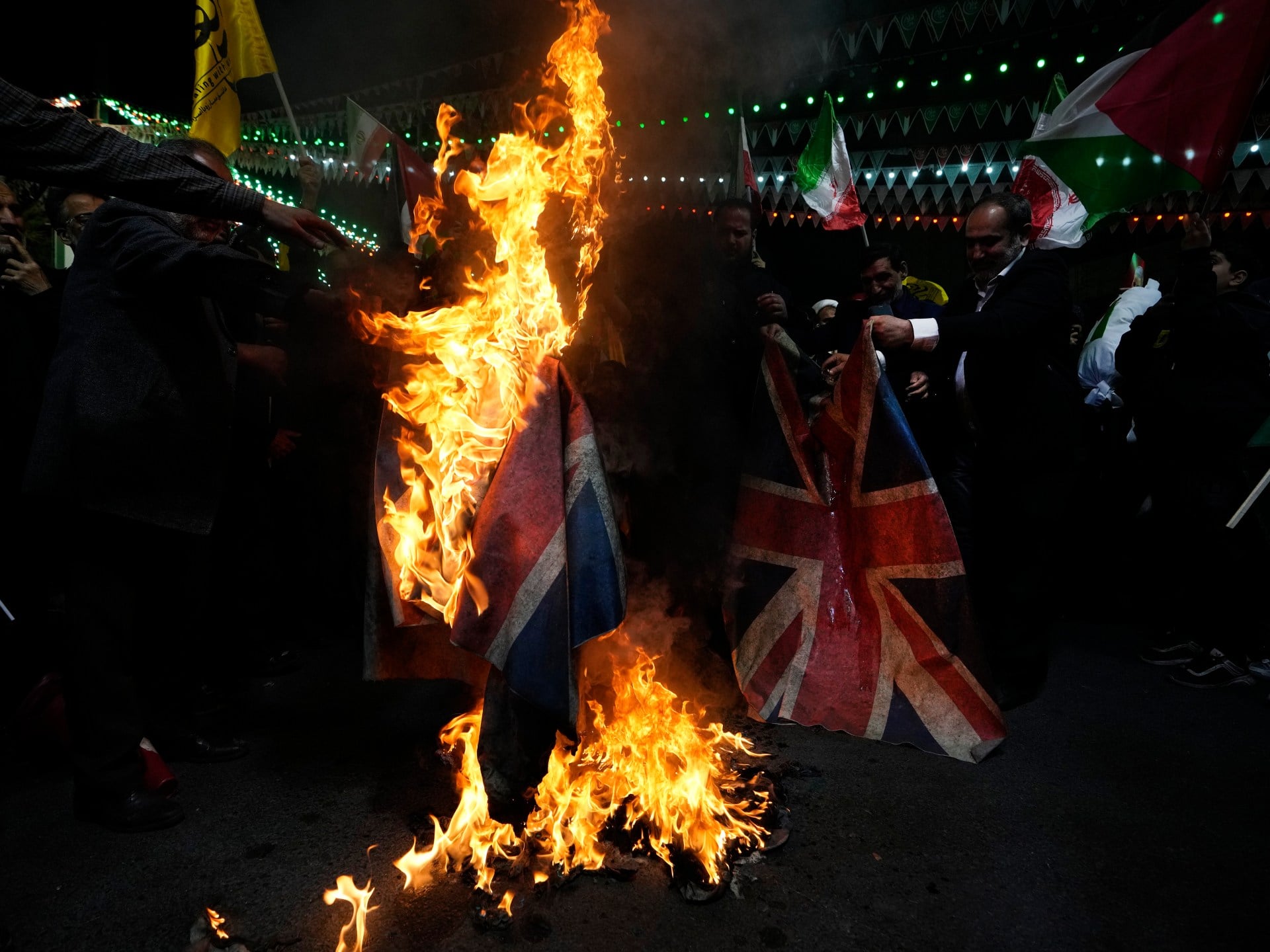
Recent attacks on embassies in Ecuador and Syria have breached the inviolability of diplomatic missions, sparking condemnation and diplomatic tensions. Mexico plans to take the case to the International Court of Justice, while Iran has pledged a decisive response to the attack on its consulate in Damascus. The Vienna Convention on Consular Relations establishes the inviolability of embassies and the diplomatic immunity of personnel. The tradition of embassies sheltering dissidents has a long history, but attacks on diplomatic missions have also occurred in recent decades, despite international law protections.
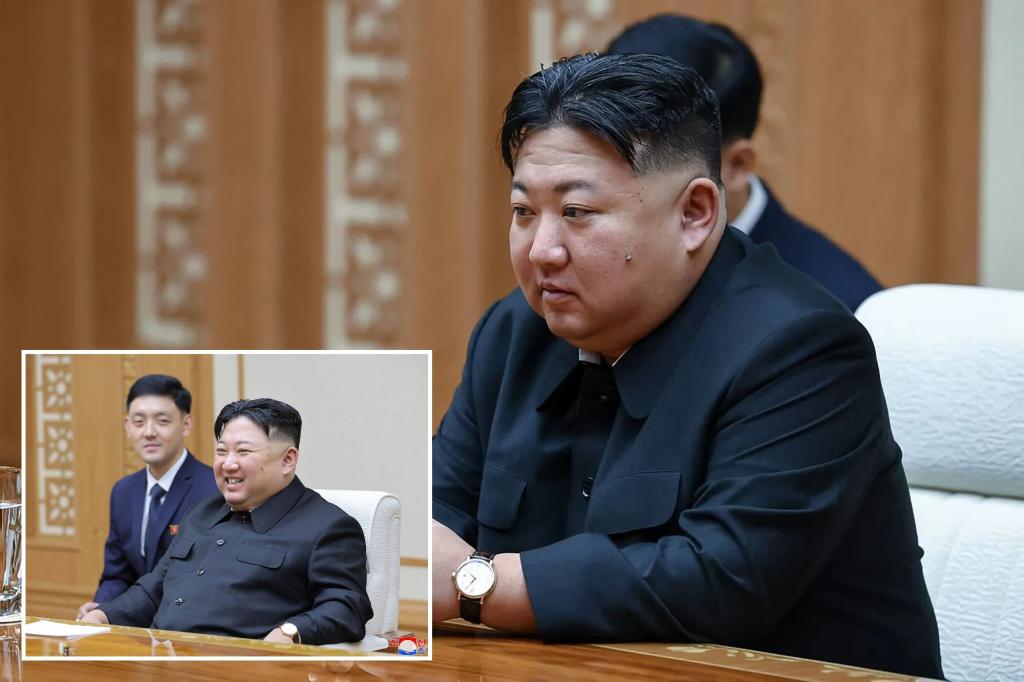
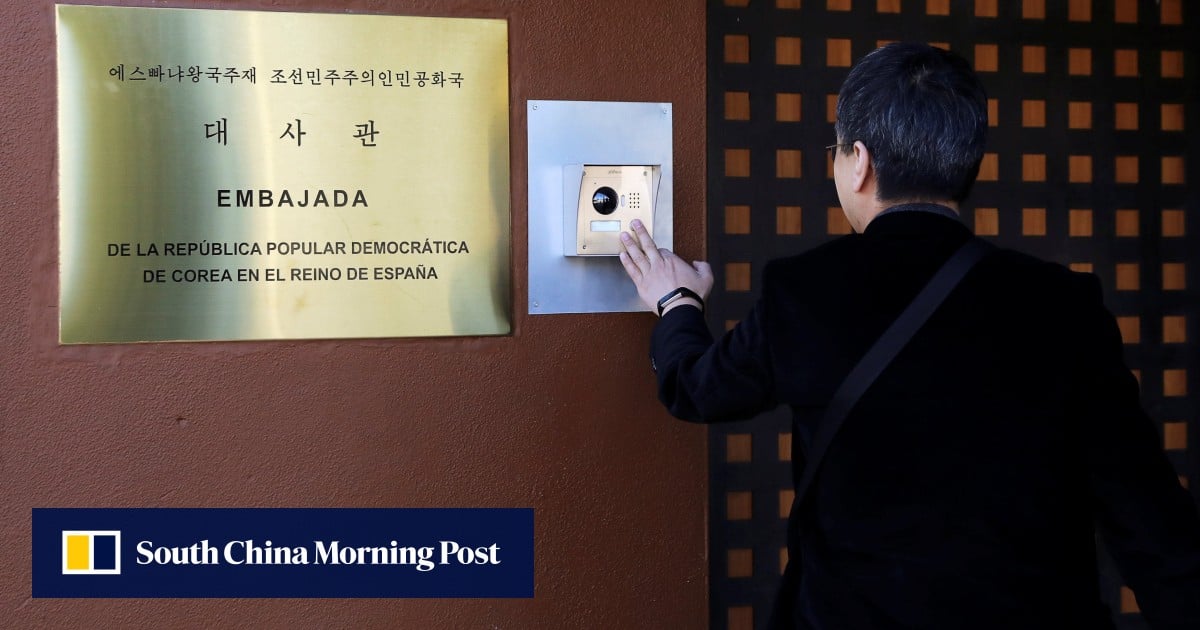
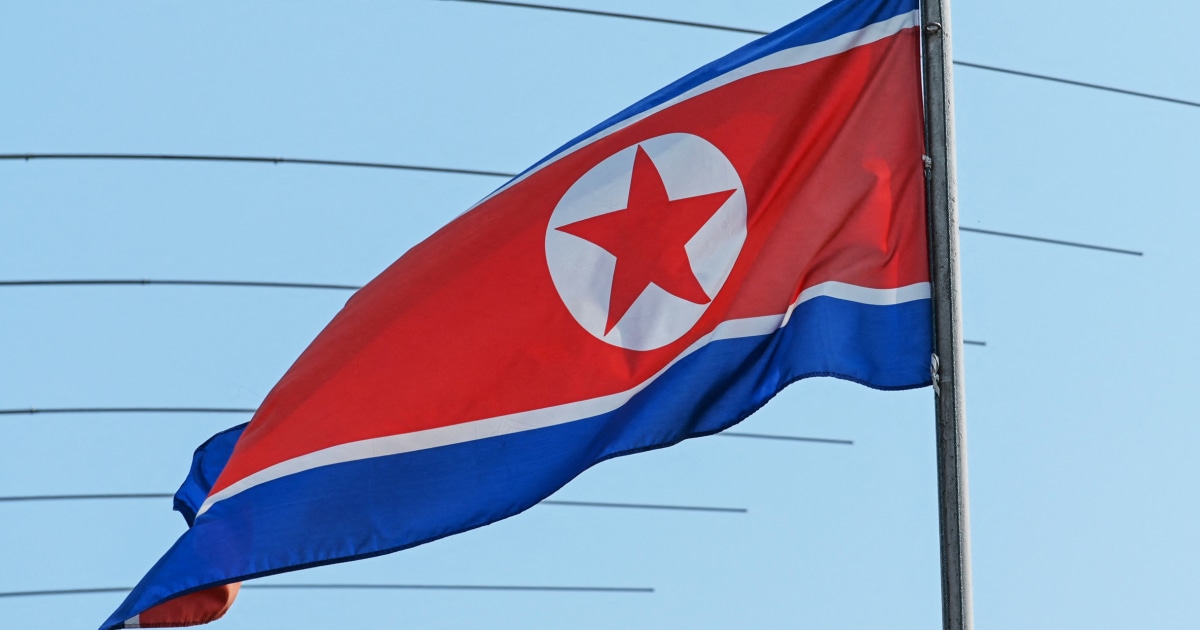
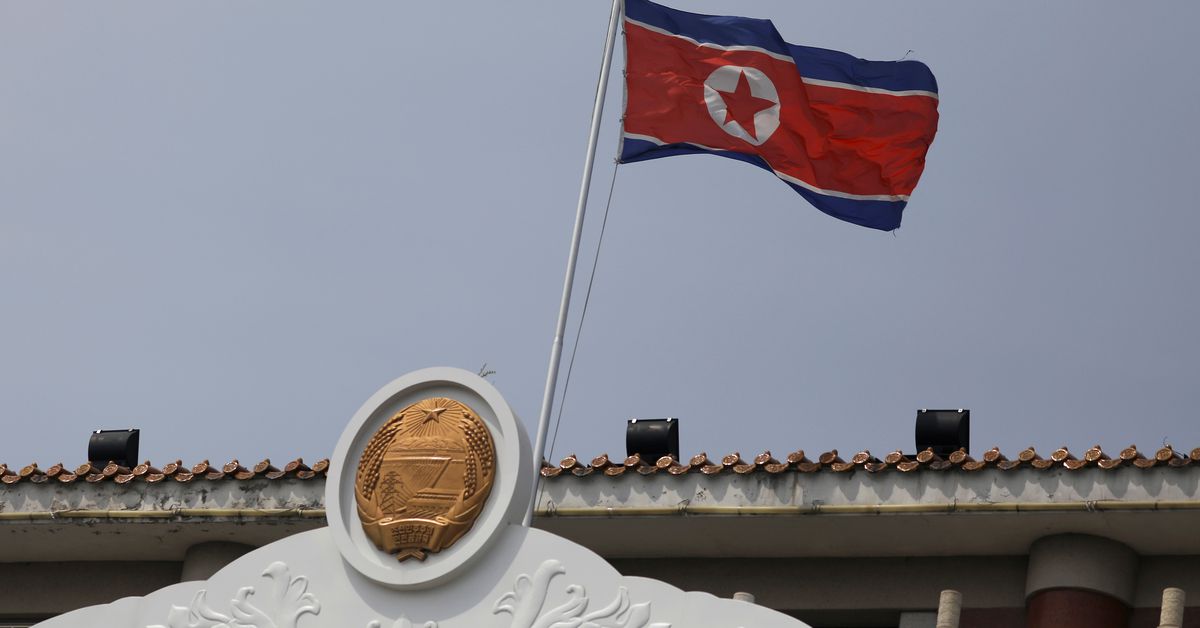
North Korea is closing down several of its embassies around the world, including in Nepal, Spain, Angola, Uganda, and Hong Kong, leading to suspicions of an ongoing financial crisis. South Korean experts believe that the closures indicate a deteriorating financial situation for North Korea, as their efforts to obtain foreign currency have been hindered by strengthened sanctions. Diplomats who have defected from the country claim that North Korean embassies are largely funded by illegal activities. Meanwhile, North Korea is focusing on building relations with Russia and China.
North Korea is closing down several of its embassies around the world, including in Nepal, Spain, Angola, Uganda, and Hong Kong, raising suspicions of a financial crisis. The closures are believed to be a result of strengthened sanctions and the country's inability to obtain foreign currency. North Korean embassies have been known to engage in illegal activities to fund their operations. Meanwhile, the regime is focusing on building relations with Russia and China.
North Korea is closing several embassies, including those in Hong Kong, Spain, and Africa, as its economy continues to struggle. The closures are seen as a result of tightening global sanctions and the country's inability to maintain diplomatic relations with traditional allies due to financial constraints. North Korea's diplomatic strategy is shifting towards closer ties with China and Russia, as it believes it can survive by strengthening military and economic cooperation with these countries. The closures highlight the dire economic situation in North Korea, exacerbated by the COVID-19 pandemic and the depletion of foreign currency reserves.
North Korea is reportedly closing multiple embassies around the world, including in Spain, Hong Kong, and several African countries, which could result in nearly 25 percent of Pyongyang's missions closing worldwide. The closures are seen as a sign that North Korea is struggling to generate revenue overseas due to international sanctions. The move could have significant implications for diplomatic engagement, humanitarian work, and the country's ability to generate illicit revenue. The closures are likely a result of the weakening North Korean economy and the international community's efforts to curb funding for the country's nuclear and missile programs.
North Korea is reportedly closing multiple embassies around the world, including in Spain, Hong Kong, and several African countries, which could result in nearly 25 percent of Pyongyang's missions closing worldwide. The closures are seen as a sign of the country's struggle to generate revenue overseas due to international sanctions. The move could have significant implications for diplomatic engagement, humanitarian work, and the ability to generate illicit revenue. The South Korean unification ministry stated that the closures reflect the impact of sanctions and North Korea's difficult economic situation. North Korea has formal relations with 159 countries but had 53 diplomatic missions overseas until the recent closures.
China has implemented new regulations outlining the roles and responsibilities of its embassies and consulates in overseas security affairs, as part of its broader strategy to increase its security presence abroad. These regulations raise concerns about potential transnational repression and the expansion of China's security and intelligence apparatuses. Host countries should establish clear boundaries and communication channels with non-state-affiliated Chinese nationals to assess security risks. They should also clarify what constitutes "special circumstances" and what unilateral activities are permitted under existing law enforcement cooperation agreements. It is crucial for host countries to prevent the PRC from exploiting gray areas and building a larger security presence that could enable transnational repression.
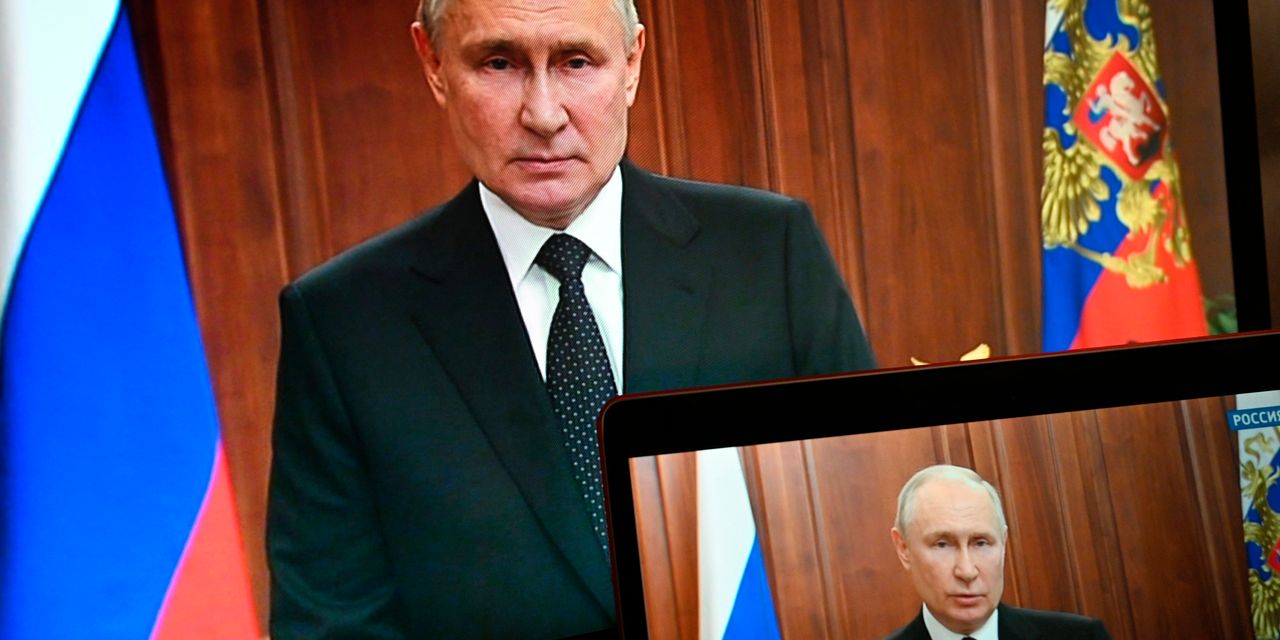
The State Department has instructed its embassies overseas to refrain from engaging host countries about events unfolding in Russia, and to convey that the US has no intention of getting involved. Embassies should not proactively engage host government officials without prior authorization from Washington and should not respond directly to any press inquiries.
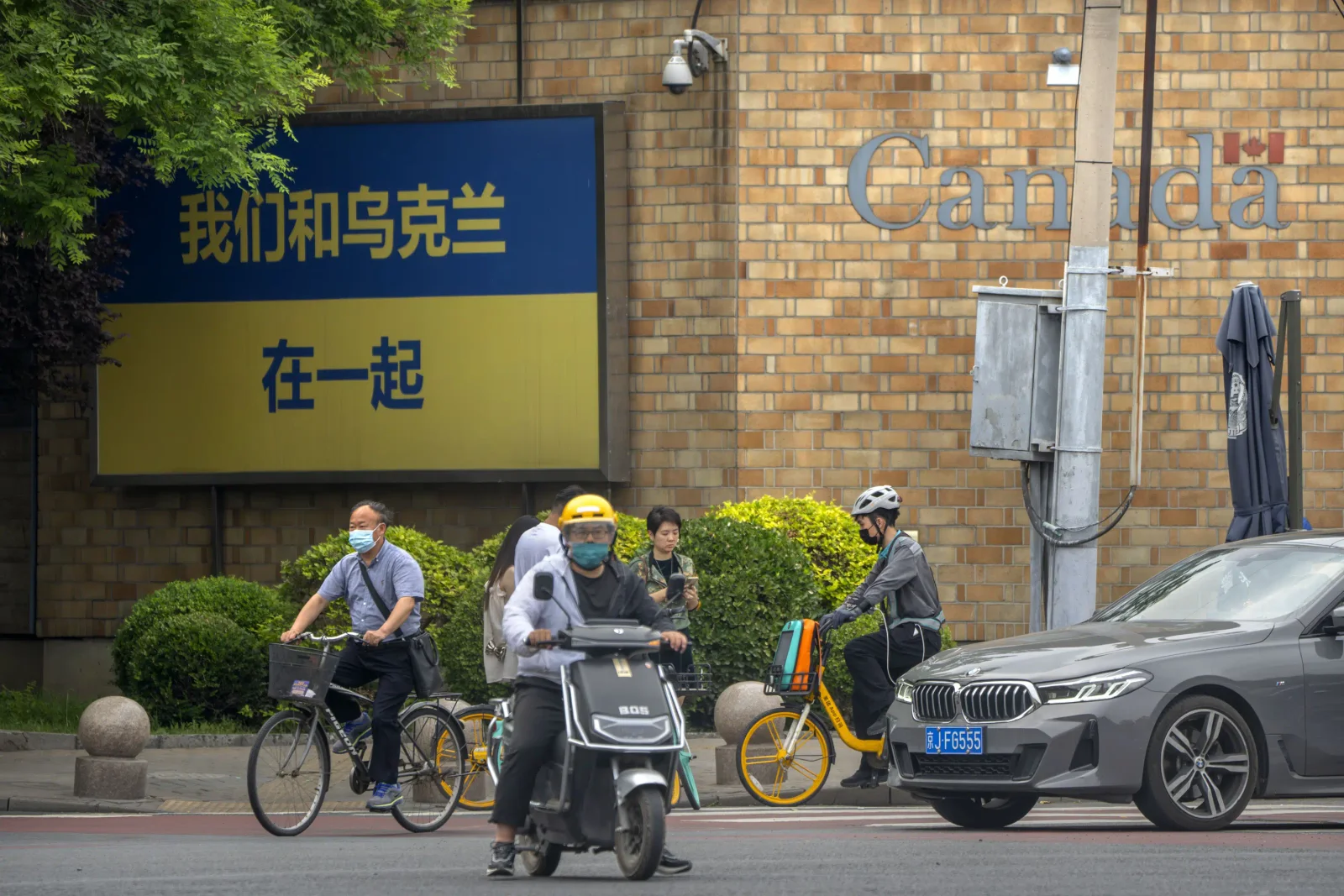
The Chinese government has asked foreign embassies in Beijing to avoid displaying "propaganda" in an apparent response to shows of support for Ukraine. The note circulated by the Chinese Foreign Ministry's Protocol Department did not specify what might constitute "politicized propaganda," but flags and placards set up by embassies of Canada, France, Germany, and other governments are the only public displays by most foreign missions other than tourism advertisements. The Chinese government says it is neutral in Moscow's 15-month-old invasion of Ukraine but has repeated Russian justifications for the attack, accusing the US and NATO of provoking Moscow.
Embassies in Washington D.C. are hosting parties and events to build relationships with politicians and lobbyists. The events range from baby showers to sauna nights and are seen as a way to create goodwill between nations. Some embassies have lobbyists or PR firms on retainer for their business around the U.S. and often help put together events at which top administration officials and members of Congress are guests. The events are seen as a form of lobbying and are a way to get VIPs on their home turf, feed them expensive food and booze, and offer them unique experiences.
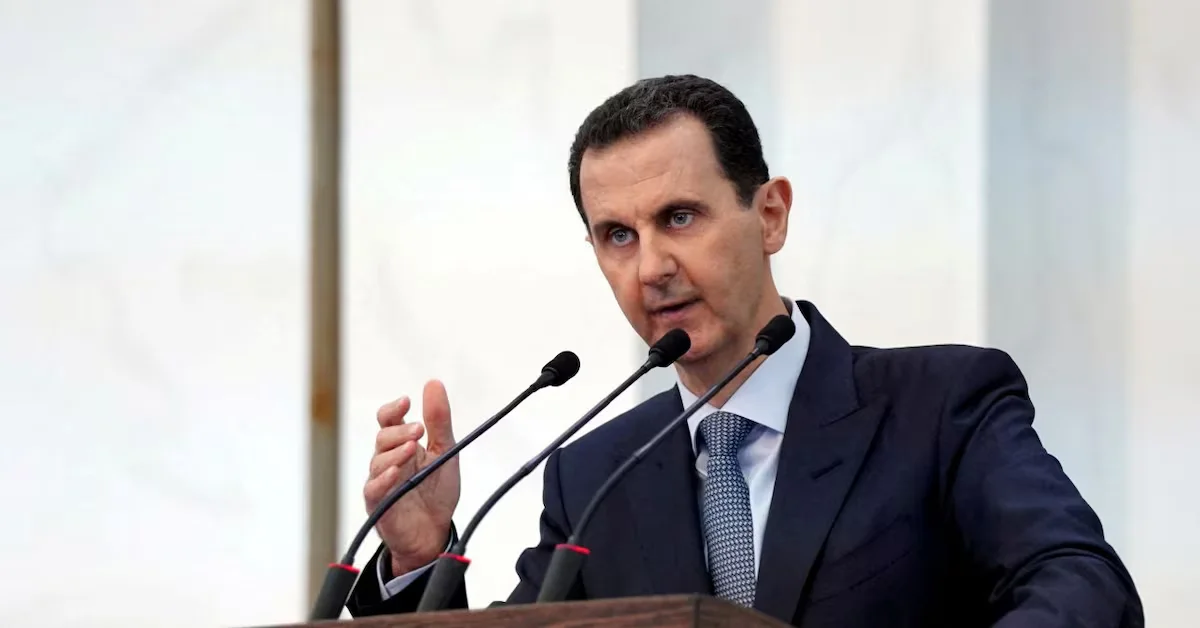
Saudi Arabia and Syria have agreed to reopen their embassies after cutting diplomatic ties more than a decade ago, following a landmark agreement to re-establish ties between Saudi Arabia and Iran. The move marks a significant development in moves by Arab states to normalize ties with President Bashar al-Assad, who was shunned by many Western and Arab states after Syria's civil war began in 2011. Syria was suspended from the Arab League in 2011 in response to Assad's brutal crackdown on protests.