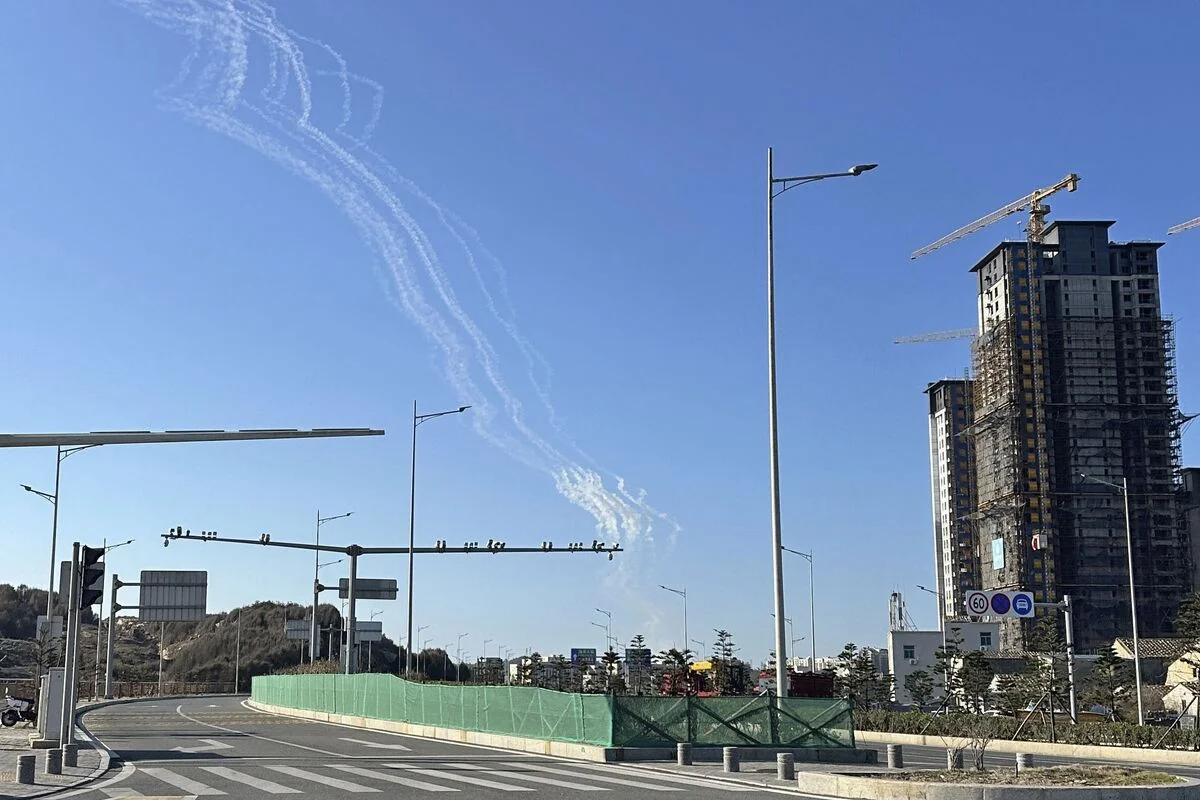
China criticized Western nations for their comments on its military drills around Taiwan, asserting the Taiwan question as an internal affair, while the drills appeared to wind down with Chinese vessels moving away from Taiwan and a decrease in military activity. Western countries, including the EU and Japan, called for restraint, amid heightened tensions following China's most intrusive exercises in recent years.
World leaders criticized the US for breaking climate promises and absenting itself from the COP30 summit, highlighting global discontent and the challenges of international cooperation on climate change, with many countries showing ambivalence and some watering down commitments.
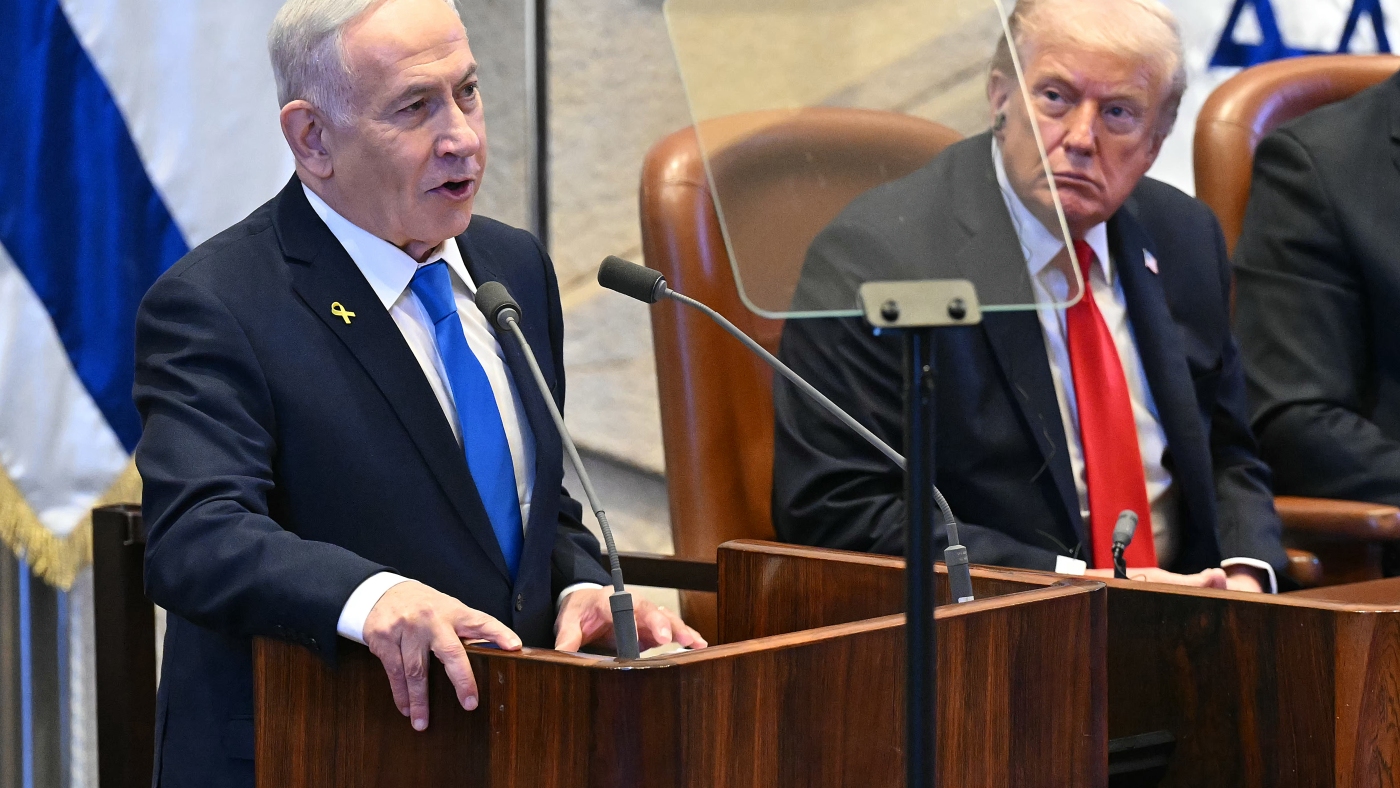
Israel has achieved military victories against its enemies but faces significant international criticism and diplomatic challenges, especially following the recent Gaza conflict, which has strained its global standing and its relationship with the U.S., despite ongoing regional agreements like the Abraham Accords.
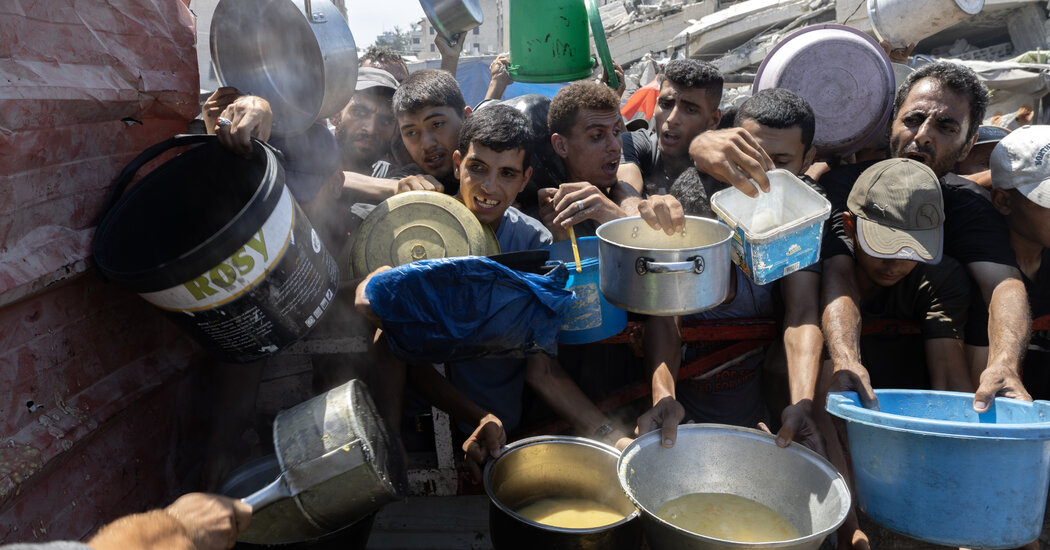
Global outrage over the starvation and suffering in Gaza has led to increased international criticism of Israel, with some countries considering recognizing Palestine as a state, while Israel faces growing isolation and skepticism over its actions in Gaza amidst ongoing conflict and humanitarian crises.
The United States has approved a $2.5 billion arms package, including bombs and fighter jets, for Israel despite expressing concern about civilian casualties in Gaza, drawing criticism from leaders, activists, and human rights organizations worldwide. Many have condemned the US for sending more arms to Israel, with some calling President Joe Biden a war criminal and urging the international community to stop supplying weapons to Israel. Critics argue that the arms shipment undermines US efforts to position itself as a moral authority and contravenes human rights laws meant to defend the rights of Palestinians.
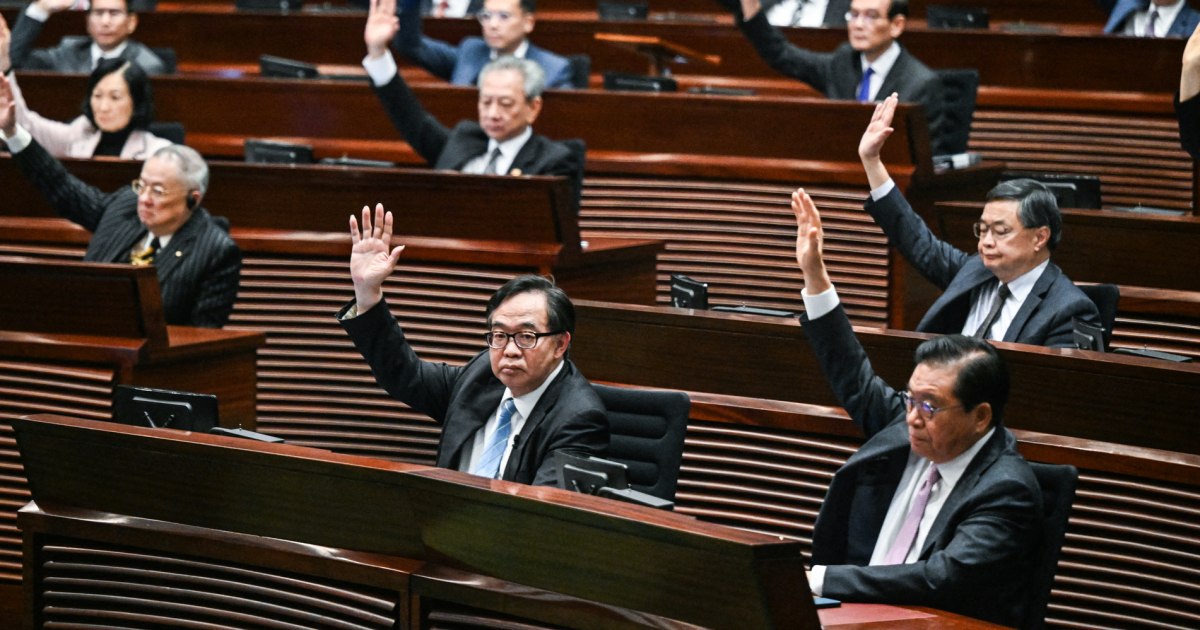
China dismisses international criticism of the new national security law in Hong Kong, known as Article 23, which criminalizes treason, insurrection, theft of state secrets, and espionage. The United States and other governments have expressed opposition to the legislation, while critics argue that it will further erode civil liberties in the Chinese territory. The law, passed unanimously by Hong Kong lawmakers, is seen as a broad crackdown on dissent and has raised concerns about its impact on media organizations and foreign businesses operating in Hong Kong.
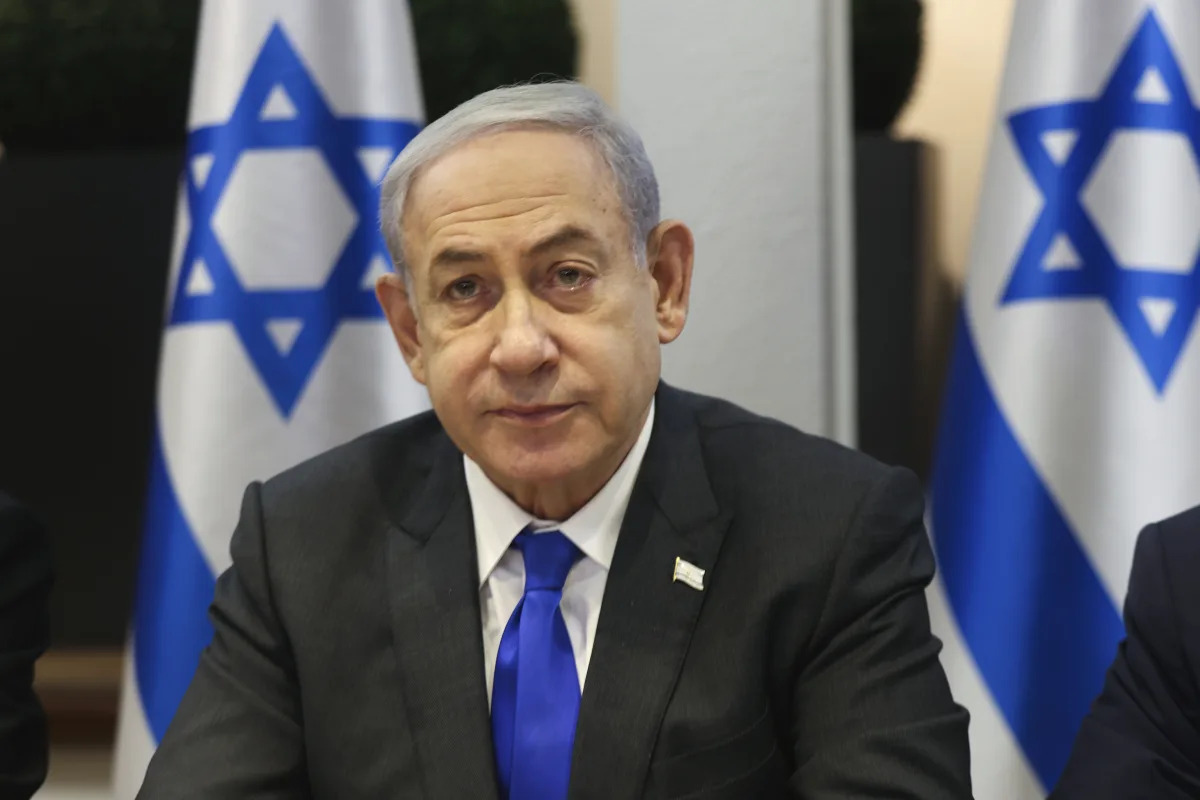
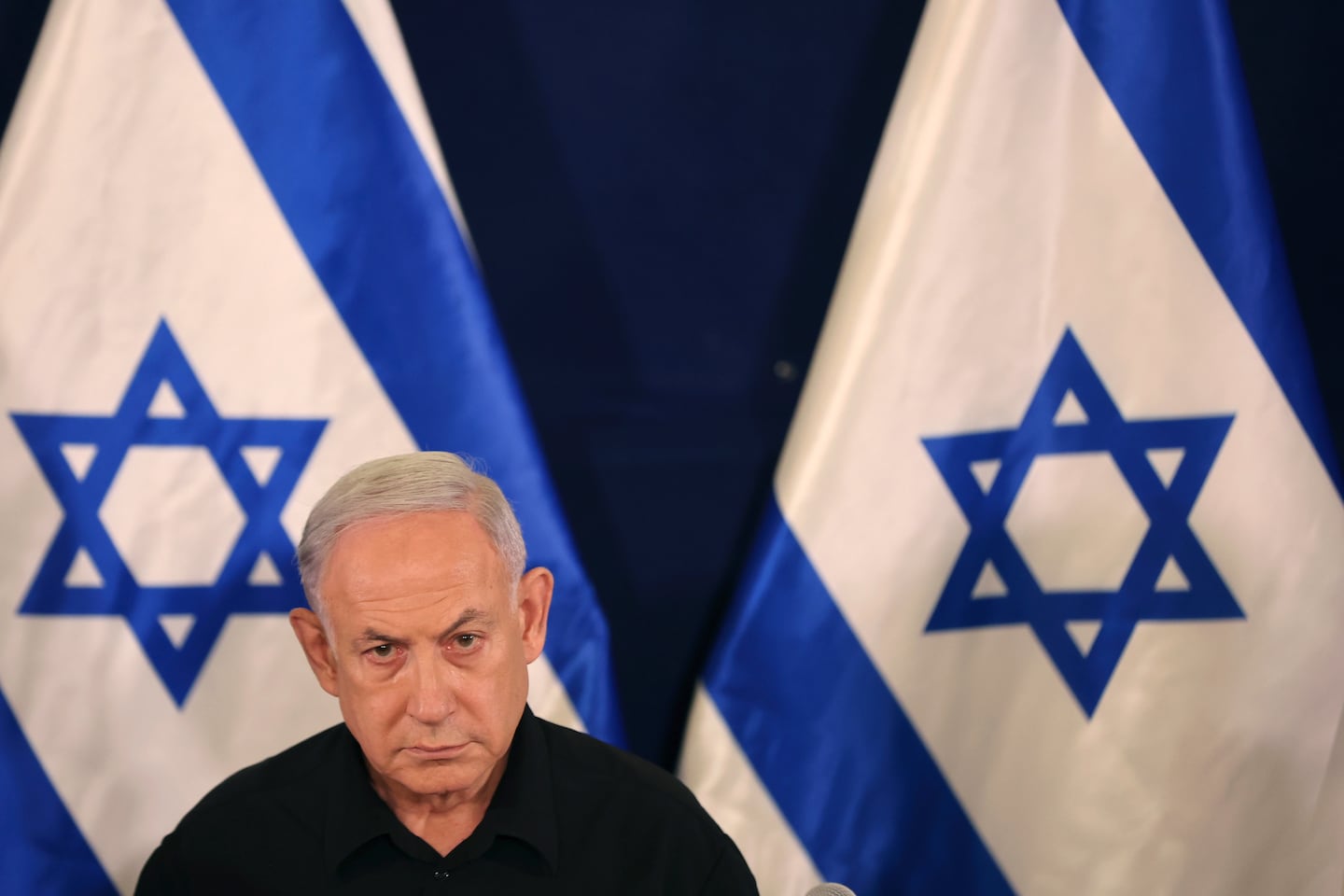
Israeli Prime Minister Benjamin Netanyahu is facing increasing doubts and criticism from both Israelis and international allies as the war in Gaza continues. Netanyahu opposes the creation of a Palestinian state and is trying to appeal to Israelis who mistrust the Palestinians and reject a two-state solution. The recent shooting of three Israeli hostages by Israeli soldiers has further fueled anger and consternation among Israelis, with some calling it a war crime. Netanyahu's handling of the situation and his delay in expressing regret for the deaths have drawn criticism. International allies, including the US, Britain, and Germany, are calling for Israel to do more to discriminate between terrorists and civilians and to negotiate towards a two-state solution. The killings have increased pressure on the Israeli government to negotiate for the release of the remaining hostages.
The Israeli army's claim of reducing harm to noncombatants in its war on Hamas has been contradicted by data showing a higher rate of civilian casualties in Gaza compared to controversial offensives by the United States in Iraq, Afghanistan, and Syria. The New York Times published the findings of its investigation, prompting growing international criticism of Israel's actions.
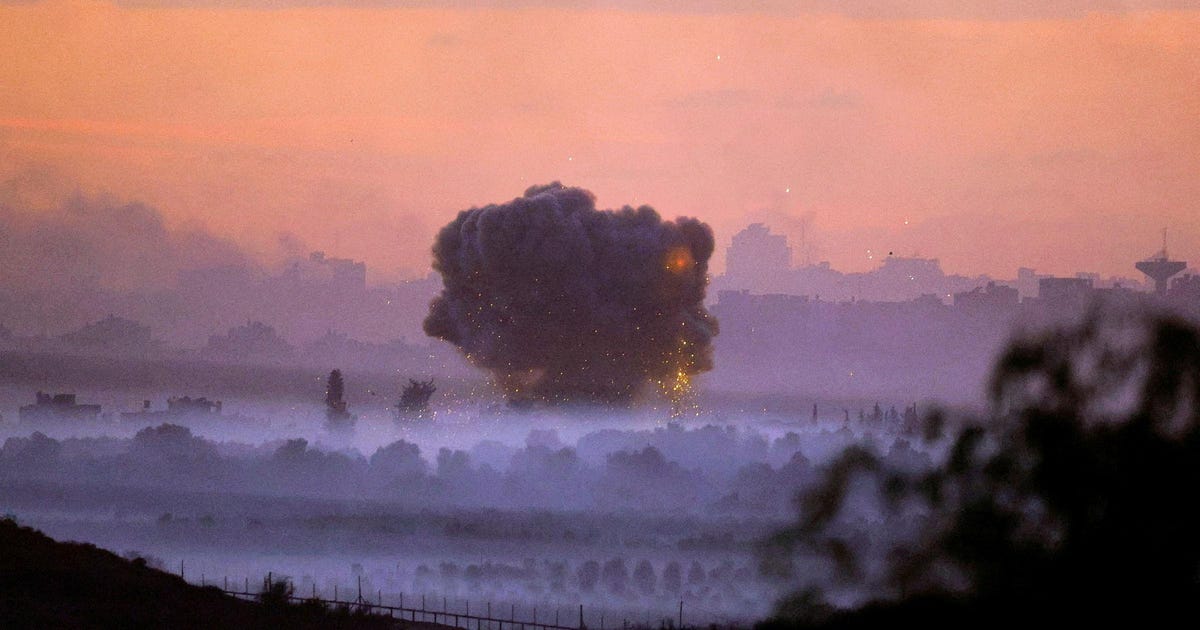
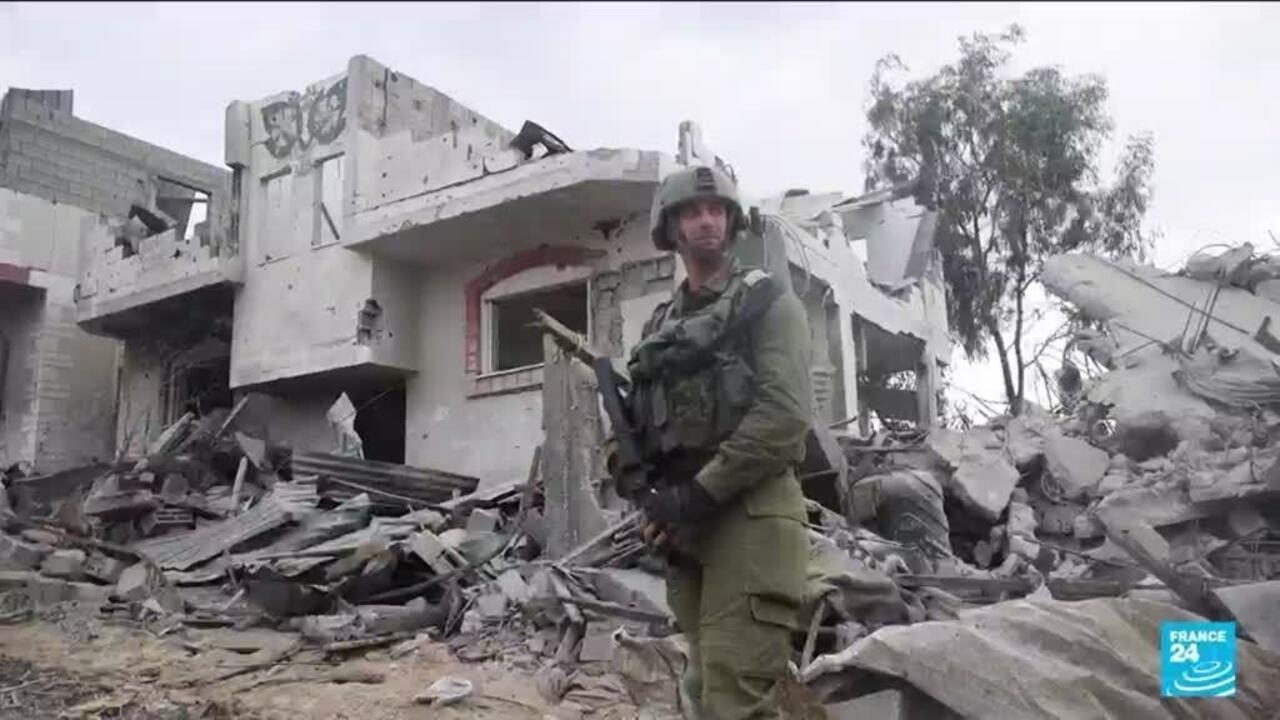
As the Israeli ground offensive in Gaza continues, journalists are being given limited access to the besieged enclave. Israeli Defense Force (IDF) personnel are conducting house-to-house searches for Hamas militants and claim to have destroyed nearby tunnels. The IDF is also patrolling "humanitarian corridors" to allow civilians to move to safer areas. The longer the offensive lasts, the more international criticism the Israeli government faces for the increasing number of civilian deaths.
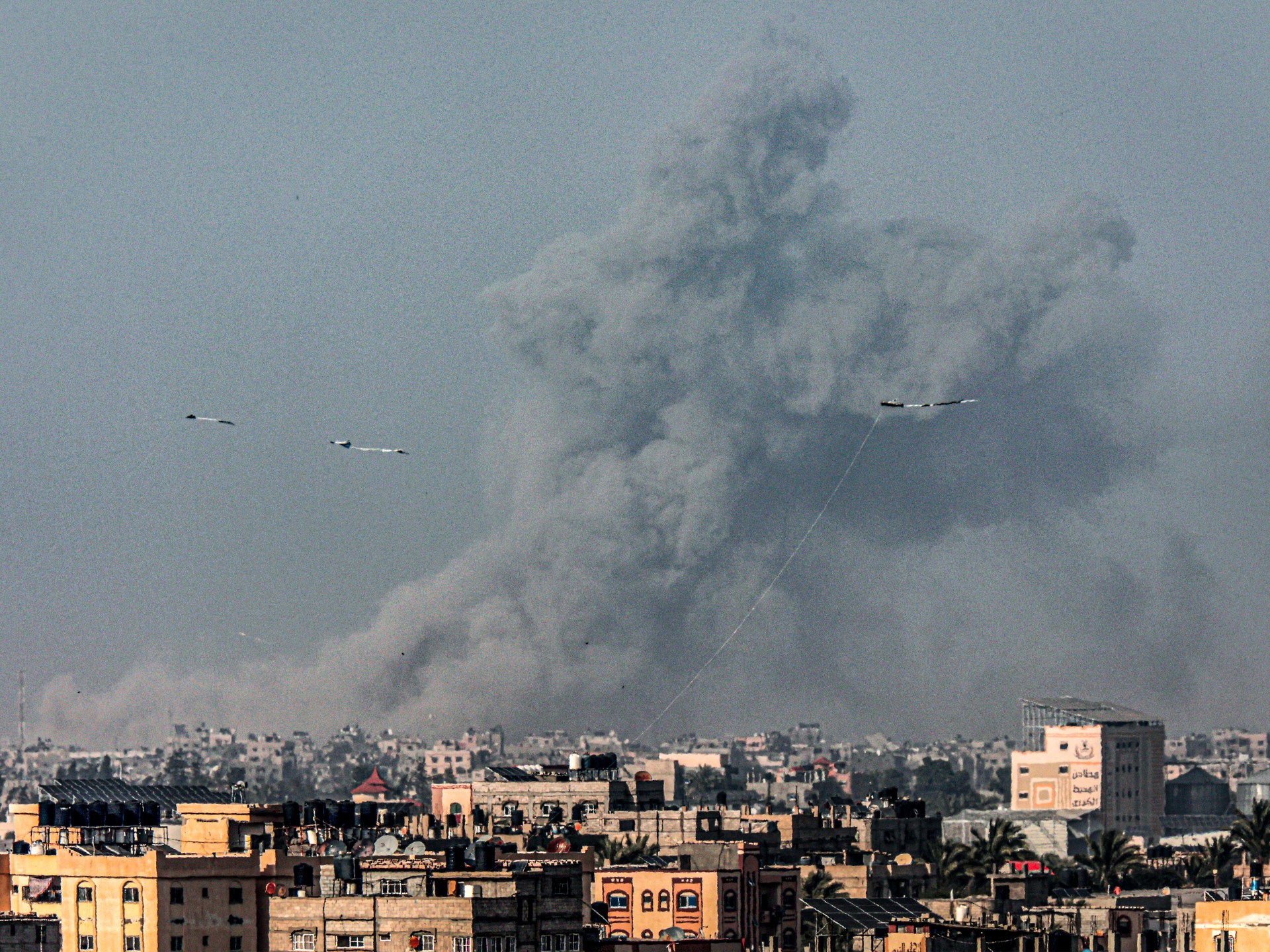
Israeli Prime Minister Benjamin Netanyahu defended his military's assault on northern Gaza, stating that they are proceeding carefully to minimize civilian casualties. However, international criticism has mounted as hospitals, including Gaza's largest hospital al-Shifa, have come under attack. Tens of thousands of civilians have been displaced, and thousands are trapped at Shifa hospital, which is besieged by Israeli forces. The death toll in Gaza has risen to over 11,000, with many killed in Israeli airstrikes. The United States has expressed its concern about fighting near hospitals and urged Israel to reduce civilian deaths. Arab leaders have condemned Israel's war on Gaza and called for a cease-fire. The humanitarian situation in Gaza is worsening, with limited access to food, water, and medical care. Communications and internet networks are expected to go out of service, further exacerbating the crisis.
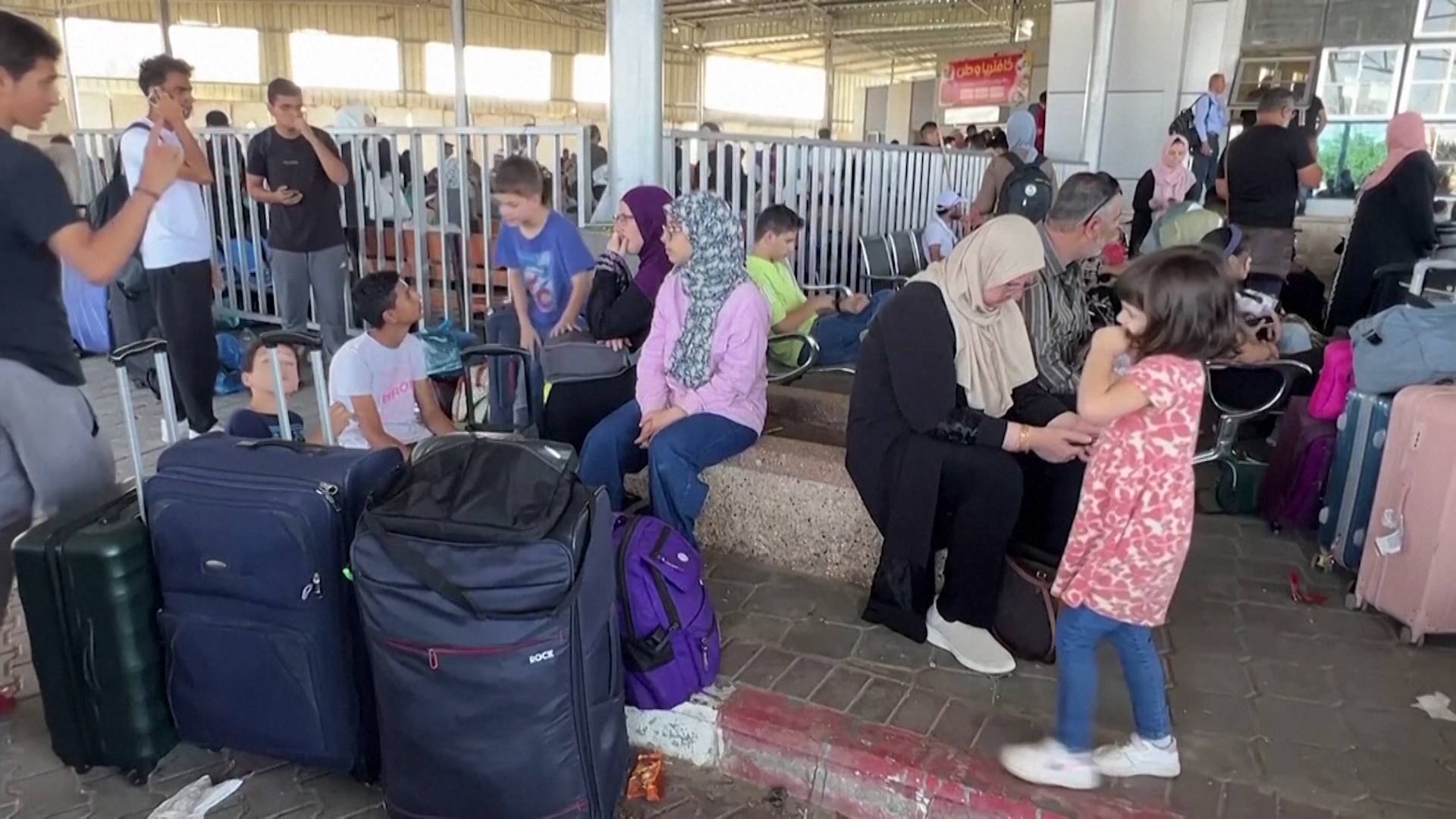
Evacuations from the Gaza Strip have resumed after a brief suspension, with around 1,100 people having left since the opening of the Rafah crossing with Egypt. However, reports suggest that Israel is blocking citizens of Brazil and Ireland from leaving as a form of retaliation for their governments' criticism of Israel and calls for a ceasefire. This includes an 11-year-old American Palestinian girl, Farah Salouha, who was forced to leave her father behind in Gaza.
Pakistan has intensified its efforts to expel Afghan refugees, despite facing international criticism. The country has been pressuring Afghan refugees to return home, citing security concerns and economic strain. However, human rights organizations argue that the forced repatriation violates international law and puts vulnerable individuals at risk. The move comes as Afghanistan faces a worsening humanitarian crisis, with thousands of people fleeing the country due to escalating violence and instability.
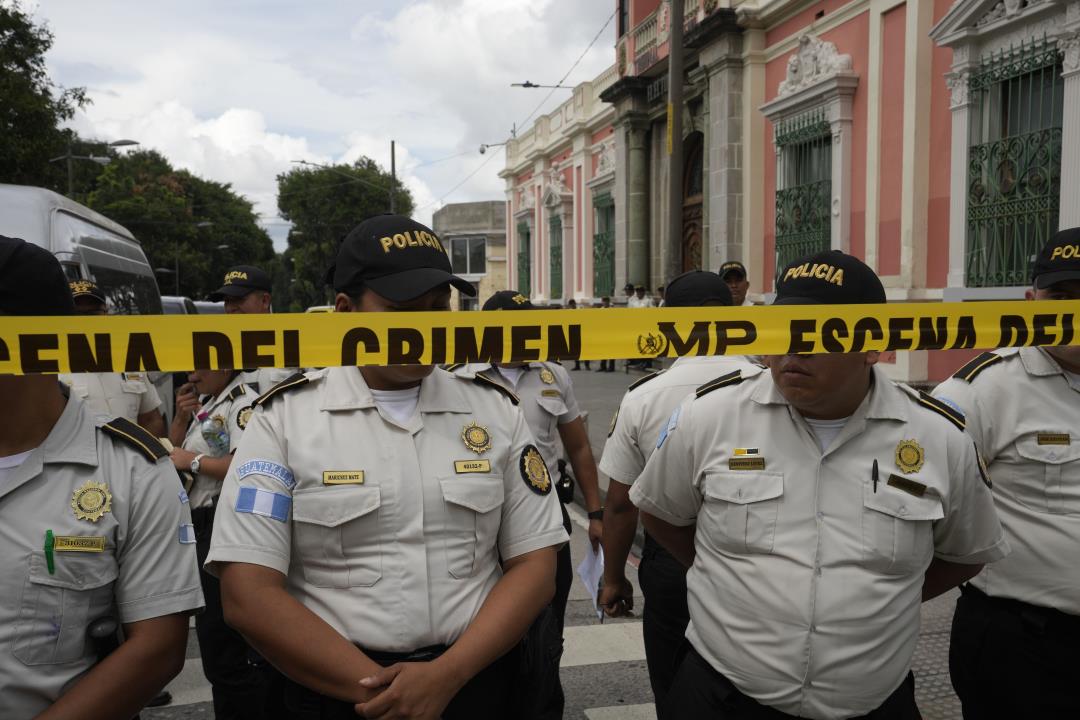
Police officers in Guatemala shoved and wrestled with justices of the top electoral tribunal during raids to seize tally sheets of votes from the August presidential elections. The raids, criticized by international organizations, are seen as an attempt to taint the election results and weaken the winning candidate, Bernardo Arévalo. The attorney general leading the raids, Consuelo Porras, has been previously sanctioned for undemocratic behavior and undermining corruption investigations. Independent observers have found no evidence of fraud in the election.
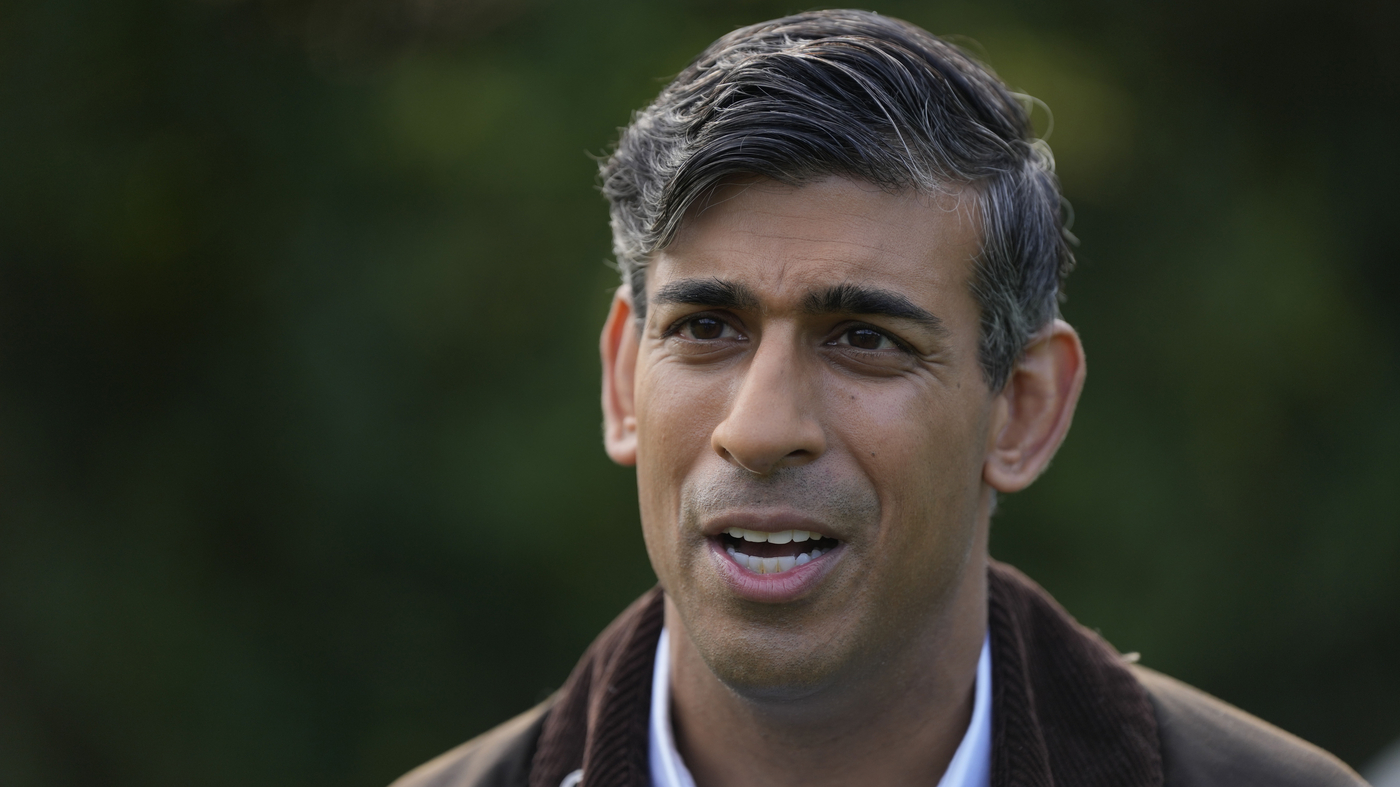
British Prime Minister Rishi Sunak has defended his government's decision to water down key U.K. climate policies, including delaying the ban on sales of new gas and diesel cars and phasing out gas boilers. Sunak argued that the changes were about being "pragmatic" and avoiding the "unacceptable cost" of net-zero commitments. However, his assertion that the U.K. would still meet its 2050 net-zero target was criticized by the government's own climate adviser. The move has faced backlash from climate activists, car manufacturers, and the energy industry, while international colleagues expressed "consternation." Sunak's pivot comes as extreme weather events linked to climate change are becoming more frequent and intense.
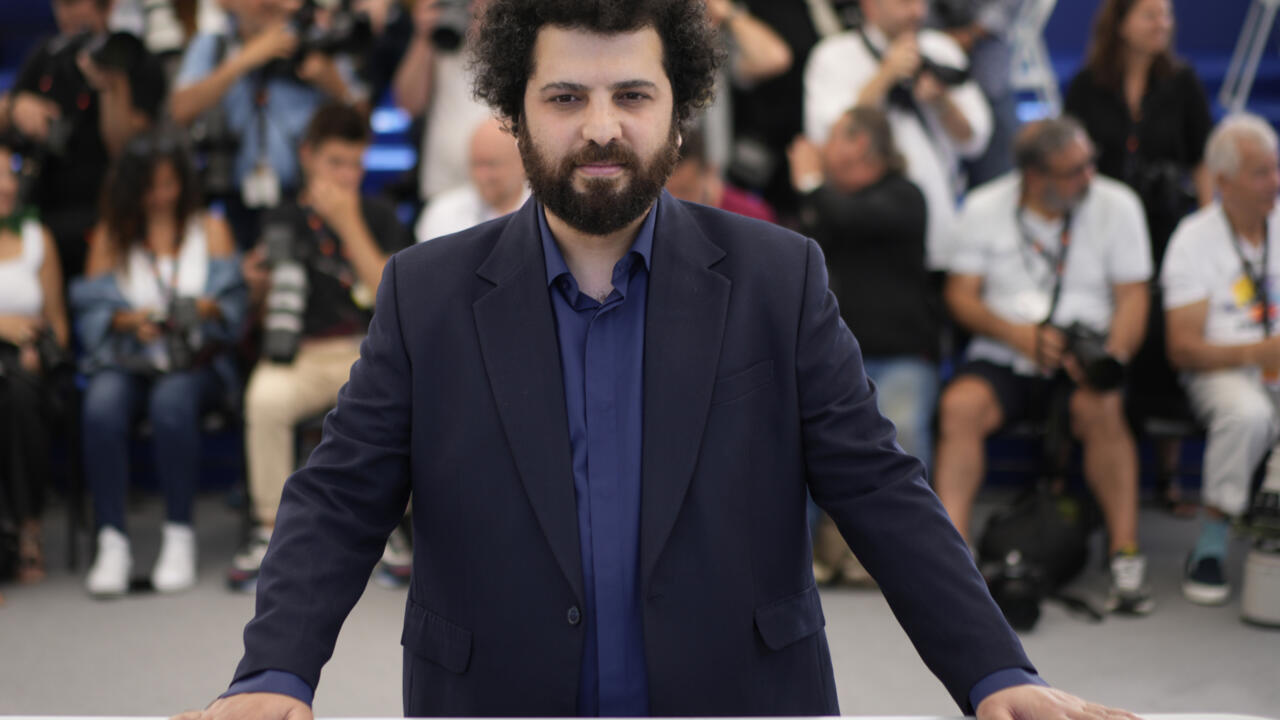
Iranian filmmaker Saeed Roustayi and producer Javad Norouzbeigi have been sentenced to six months in prison by Tehran's Revolutionary Court for showcasing their film "Leila's Brothers" at the Cannes Film Festival without government approval. The film, which focuses on a family struggling amidst Iran's economic crisis and depicts protests and security force crackdowns, won two awards at Cannes but was not nominated for the Oscars by Iranian authorities. The court accused the filmmakers of creating "propaganda against the system" and seeking fame to intensify the media battle against Iran's religious sovereignty. The sentence includes a ban on filmmaking and communication with others in the field, as well as a mandatory filmmaking course. The international reaction against the sentence has been swift, with director Martin Scorsese and the Biarritz International Film Festival criticizing the decision. Iranian filmmakers and actors have long faced government pressure, and the sentencing has sparked anger within Iran as well.