Israel has conducted a covert operation to support Syria's Druze minority by providing weapons, aid, and training, aiming to bolster their security amid the Syrian civil war, while navigating complex regional and internal Druze power dynamics.
A coalition of 12 countries from the Global South met in Bogota to commit to measures including banning arms transfers to Israel and supporting international prosecution of crimes in Gaza, aiming to hold Israel accountable for its actions in Palestinian territories amid ongoing conflict.
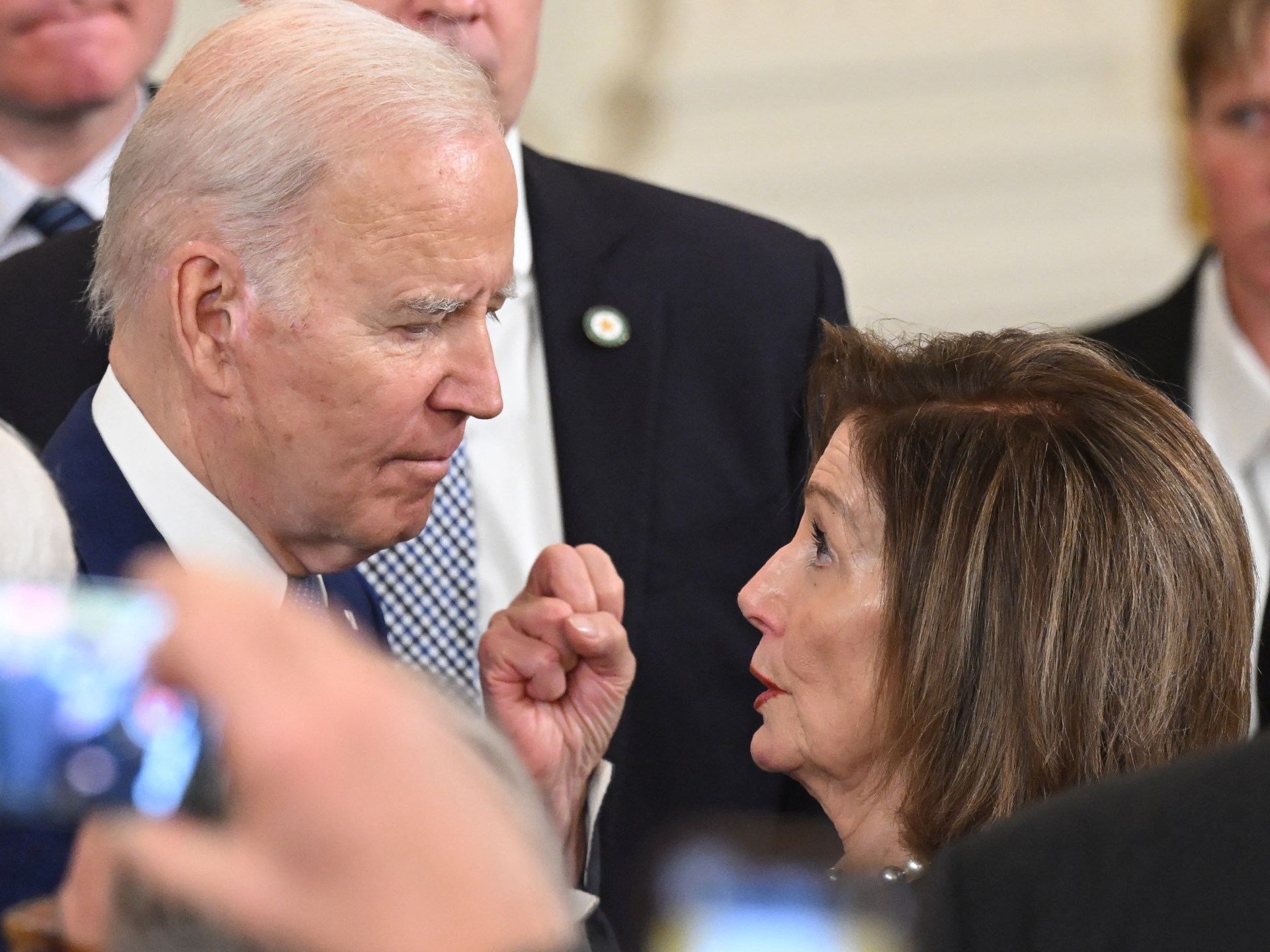
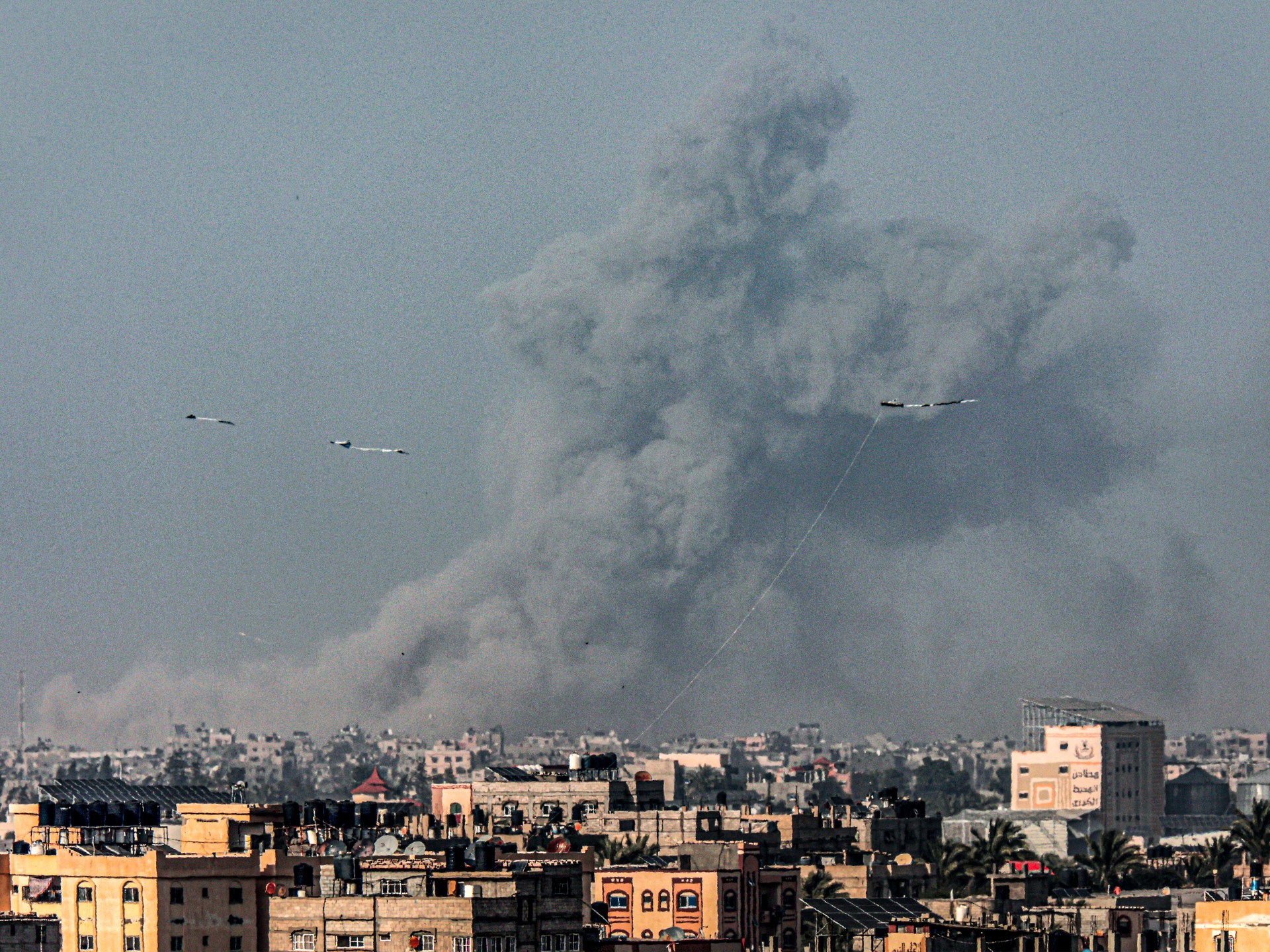
More than 30 Democratic members of the US House of Representatives, including former House speaker Nancy Pelosi, have urged President Biden to halt arms transfers to Israel due to the humanitarian crisis in Gaza and the recent strike against aid workers. Pressure is mounting on the White House and Western governments to stop arming Israel, with calls for accountability for possible war crimes and a halt to all arms sales to the country. The United States has supplied the bulk of Israel's defence requirements, including a recent $14bn military aid package, while other Western nations continue to supply lethal weapons despite mounting criticism over civilian casualties.
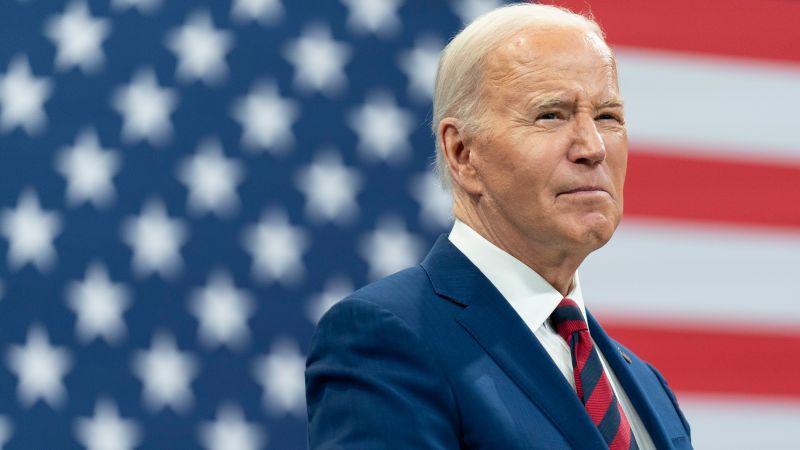
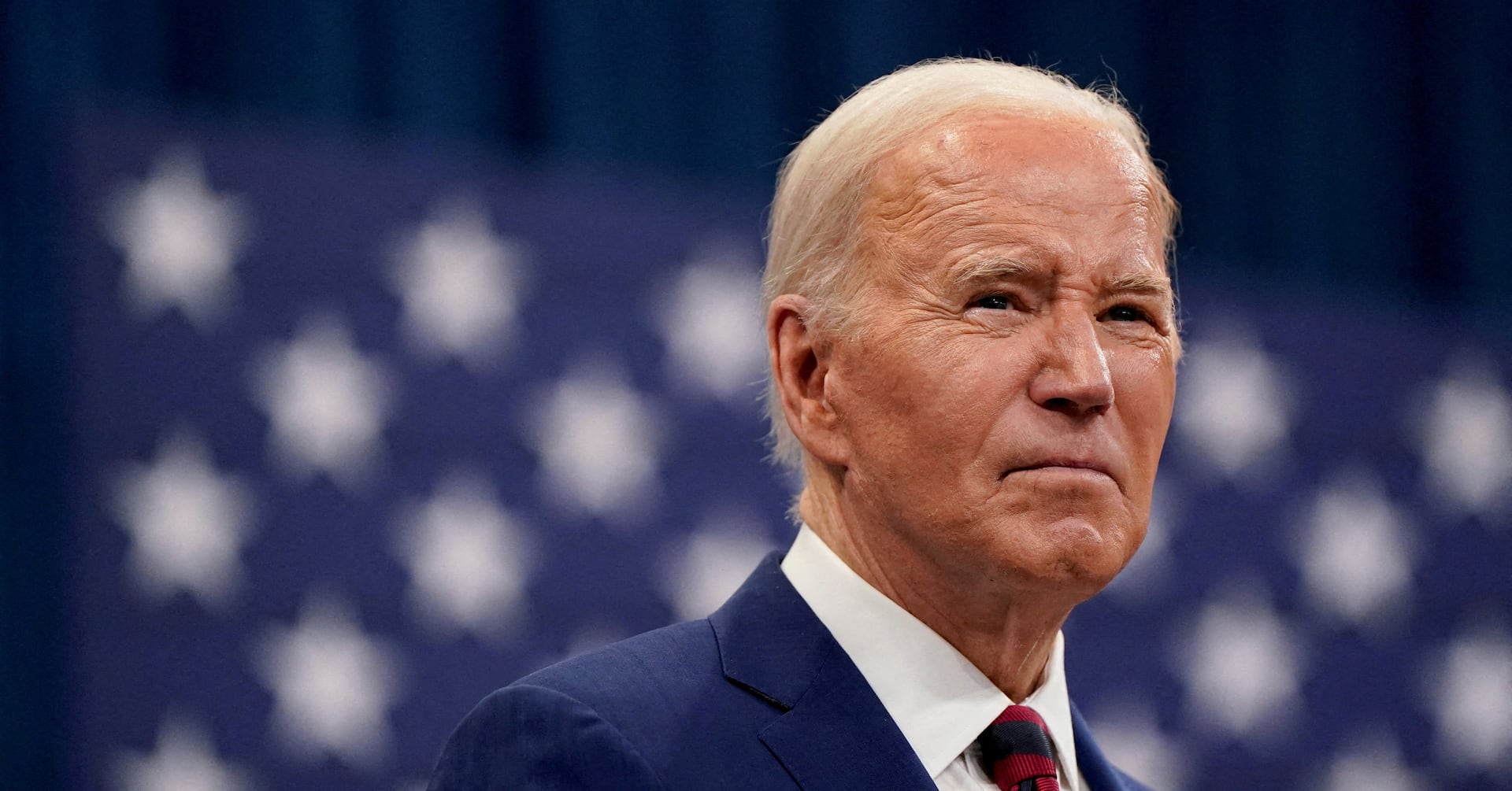
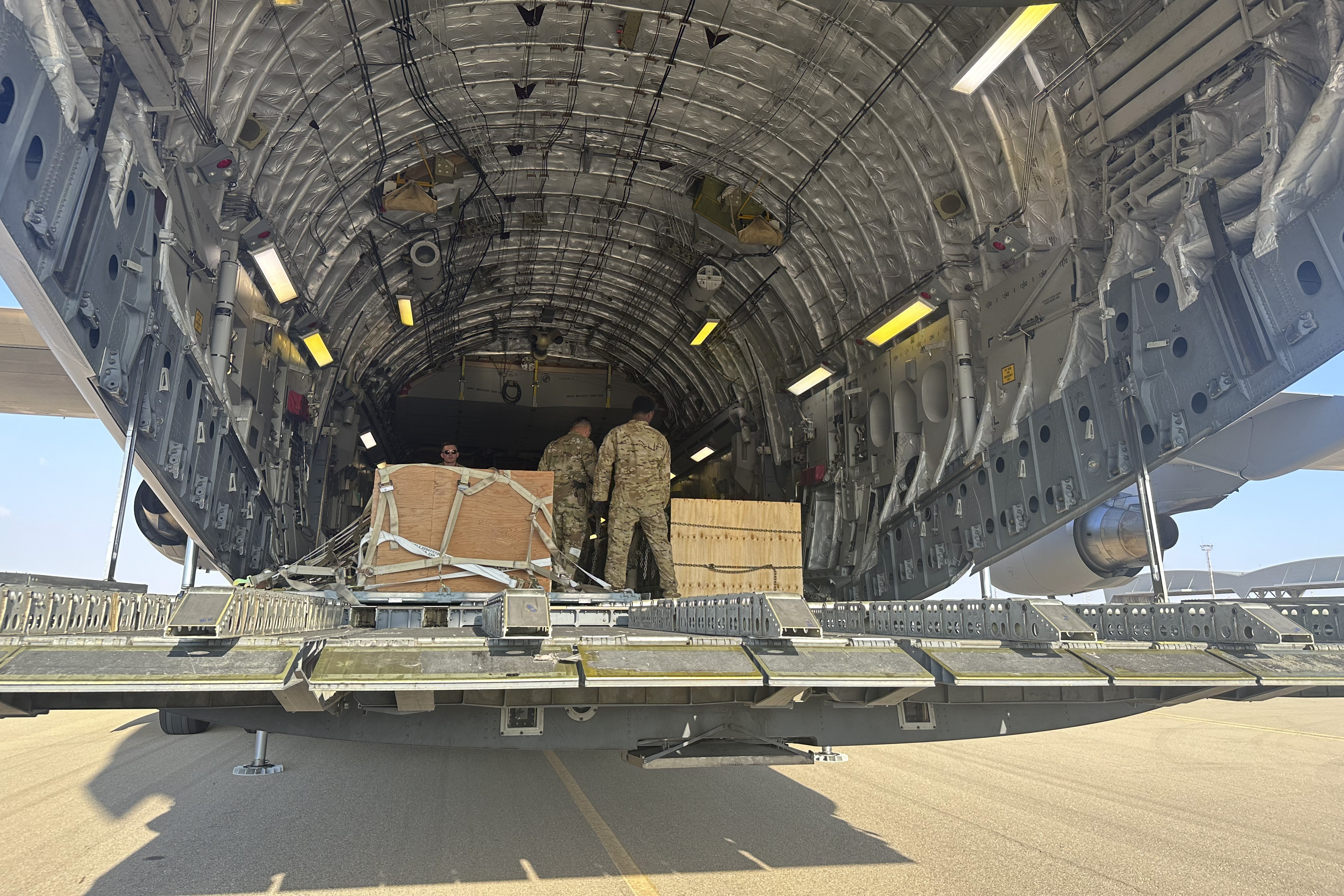
The Biden administration has authorized the transfer of over 1,000 500-pound bombs and over 1,000 small-diameter bombs to Israel, adding to its arsenal despite US concerns over the country’s conduct in the war in Gaza. This transfer occurred before an Israeli strike on a humanitarian convoy in Gaza that killed seven aid workers, prompting fresh international condemnation. The US has indicated it does not plan to restrict or condition military aid to Israel, despite public statements expressing concern over Israel's actions. Additionally, the US is preparing to approve an $18 billion sale of F-15 fighter jets to Israel.
The Biden administration is considering an $18 billion arms transfer package to Israel, including the sale of 25 F-15 aircraft from Boeing, with the potential for up to 50 F-15s. The transfer is under review amid pressure to impose conditions on arms transfers due to Israel's military campaign in Gaza. The package also includes support services, training, maintenance, and sustainment. The administration has expressed support for Israel's F-15 request, and the sale is separate from the $14 billion in annual military assistance to Israel.
The United States has approved a $2.5 billion arms package, including bombs and fighter jets, for Israel despite expressing concern about civilian casualties in Gaza, drawing criticism from leaders, activists, and human rights organizations worldwide. Many have condemned the US for sending more arms to Israel, with some calling President Joe Biden a war criminal and urging the international community to stop supplying weapons to Israel. Critics argue that the arms shipment undermines US efforts to position itself as a moral authority and contravenes human rights laws meant to defend the rights of Palestinians.
Former State Department official, Josh Paul, explains his resignation over the U.S. response to the Israel-Hamas war, citing concerns about the transfer of arms and the lack of policy debate. Paul highlights the repeated civilian casualties in Gaza and questions the effectiveness of providing security assistance to Israel, stating that it has not led to peace but rather moved further away from it. He called for a pause to consider if the arms transfer aligns with the desired outcome before moving forward.
A State Department official, Josh Paul, has resigned from his position, citing "destructive" and "shortsighted" decisions made by the Biden administration in relation to the Israel-Hamas conflict. Paul, who worked in the Bureau of Political-Military Affairs, expressed his disagreement with the expedited provision of lethal arms to Israel, stating that it contradicts the values the U.S. publicly espouses. The Biden administration has been increasing weapons transfers to Israel following Hamas' recent attack, but the decision has sparked division and criticism. President Biden has attempted to balance support for Israel with calls for humane treatment in the Gaza Strip. Paul's resignation reflects his disappointment with the administration's response to the conflict.
Poland has announced that it will no longer be transferring weapons to Ukraine, sparking concerns about strained ties between the two nations. The decision comes after Poland imposed a ban on Ukrainian grain imports to protect its farmers from cheap imports. However, Polish officials clarified that they will continue to fulfill their current commitments to deliver weapons to Ukraine. The announcement by Polish Prime Minister Mateusz Morawiecki is seen as part of the country's upcoming general election campaign and its focus on replenishing its own weapon stocks. Despite the decision, Poland remains an important transit country for Western countries sending weapons to Ukraine, and the EU's support for Ukraine remains firm.
Poland has announced that it will stop arming Ukraine, a major reversal that could impact Ukraine's counteroffensive against Russia. The decision comes after tensions over a temporary ban on Ukrainian grain imports to several European Union countries and follows a pattern of confrontational behavior from Poland's government. Poland will now focus on supplying weapons for its own purposes and will only carry out previously agreed shipments to Ukraine. The move could have implications for Ukraine's efforts to push Russian forces out of its southern regions.
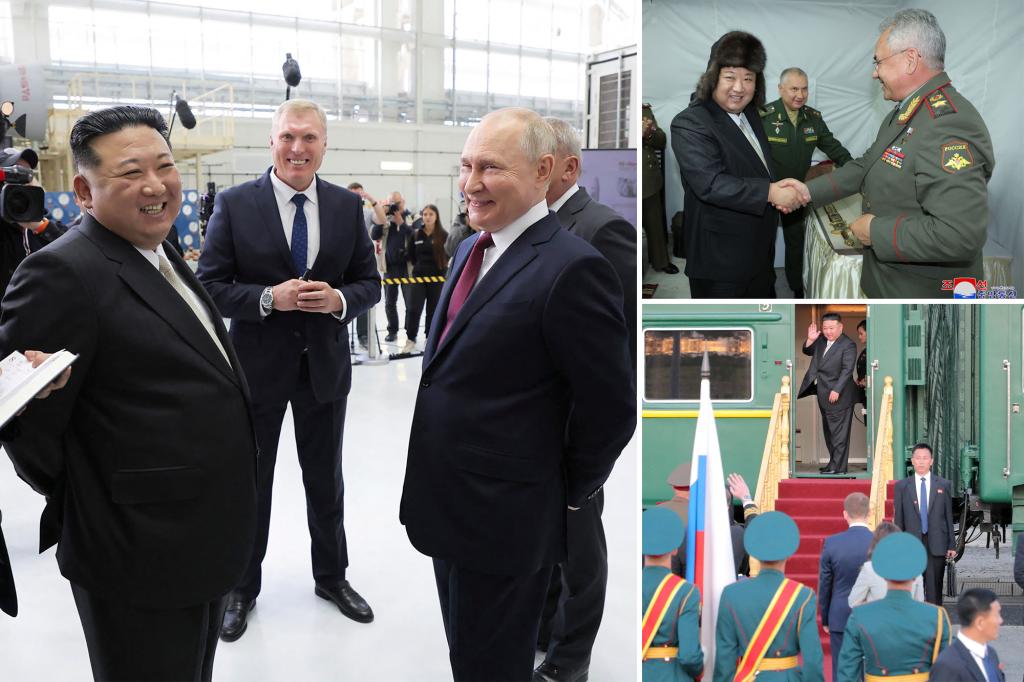
North Korean leader Kim Jong Un has returned home from his trip to Russia, where he strengthened ties with President Vladimir Putin. The two countries discussed boosting defense ties, leading to speculation about potential arms transfer deals in violation of UN Security Council resolutions. Kim's visit included visits to munitions factories and military sites to observe advanced weapons systems. Experts suggest that Kim may supply ammunition to Russia in exchange for modernizing his nuclear weapons arsenal. The US and South Korea have warned of consequences if such deals proceed, while others believe Russia may provide food and economic aid instead of sensitive weapons technologies. Kim aims to bolster his nuclear arsenal to gain concessions from the US and enhance his military credentials amid economic hardships exacerbated by the COVID-19 pandemic.
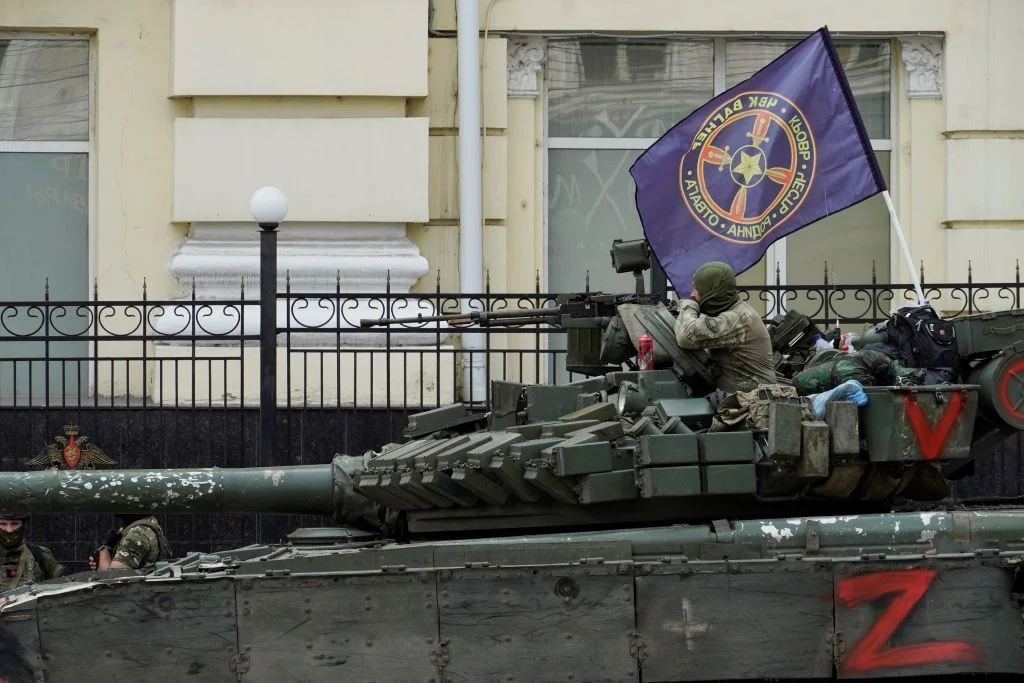
Recent developments in the Russian Ministry of Defense (MoD) indicate that the leadership remains intact despite their poor response to the Wagner Group mutiny. The MoD announced the receipt of arms from Yevgeny Prigozhin's mercenaries, Defense Minister Sergei Shoigu inspected arms factories, and Chief of the Russian General Staff Valery Gerasimov dismissed Lieutenant General Ivan Popov. The conflict between Gerasimov and Popov highlights the lack of consolidation within the Russian military leadership and the growing issues faced by Russian forces in Ukraine. The transfer of arms from the Wagner Group back to the Russian Armed Forces eliminates the counterbalance they provided. However, the footage of the transfer reveals outdated and non-operational equipment. The Russian military's reliance on Soviet-era arms and the degradation of their repair facilities pose challenges as the Ukrainian counteroffensive continues. The Russian Armed Forces are at a critical turning point and need to find answers on how to continue fighting.
The US ambassador to South Africa, Reuben E. Brigety II, has been rebuked by the South African government over his suggestion that the country had supplied weapons to Russia over the winter. Brigety was summoned to issue a verbal message expressing the government’s “utter displeasure with his conduct and statements”. The incident highlights the ongoing tensions between the US and some of its most influential partners in the developing world, which have resisted Washington’s attempt to enlist them in its campaign to isolate President Vladimir Putin over his invasion of Ukraine.