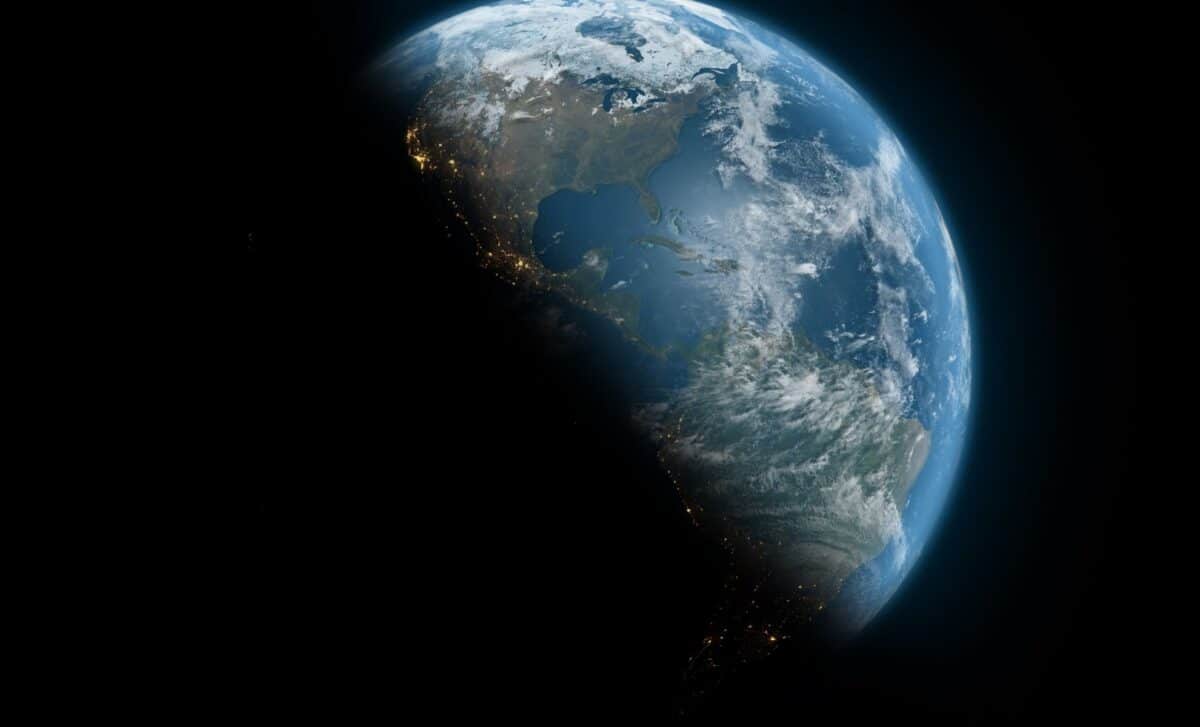
Recent research suggests that truly Earth-like planets with the right atmospheric conditions for complex life are extremely rare, especially around red dwarf stars, and the likelihood of discovering intelligent extraterrestrial civilizations may be much lower than previously thought, possibly even nonexistent in our galaxy.
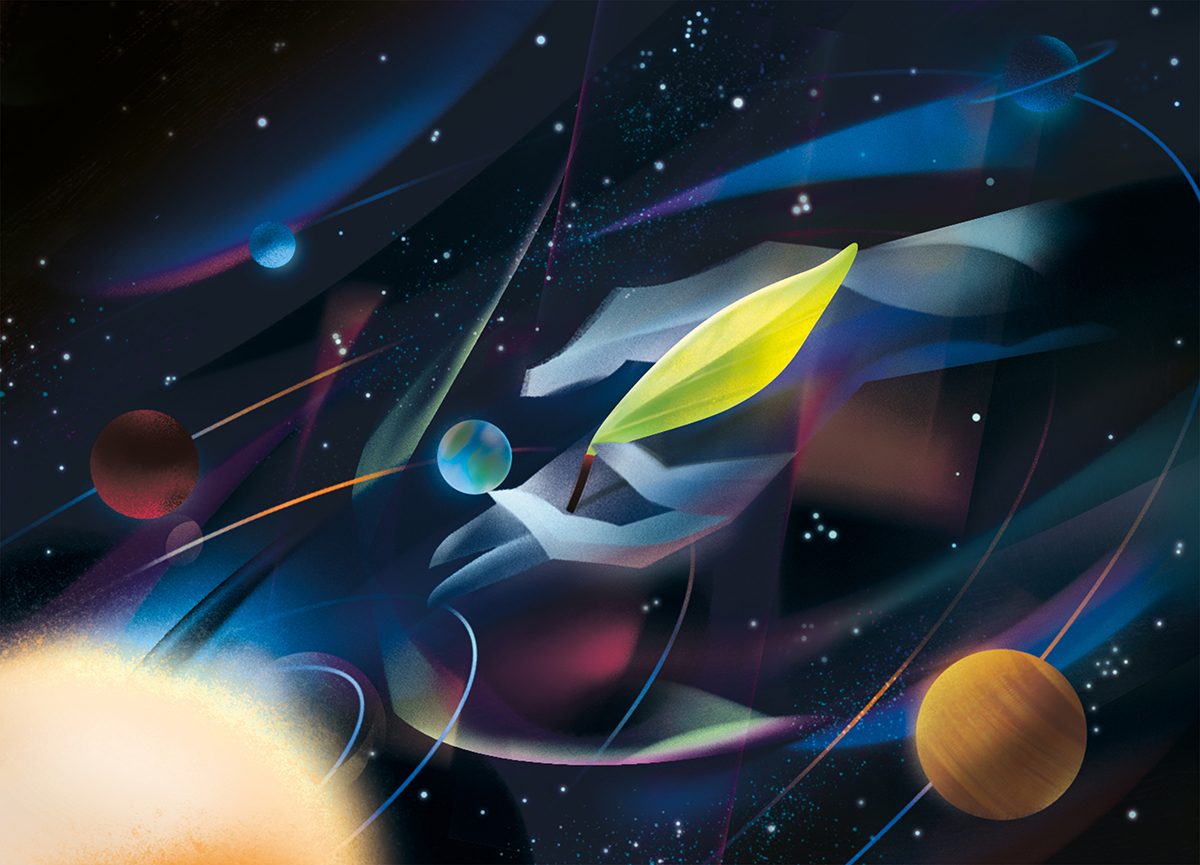
The article discusses the rarity of life, especially intelligent life, in the universe, emphasizing that Earth and its complex ecosystems, including trees, are extraordinarily uncommon, making human life incredibly precious and deserving of appreciation.
A new study suggests that our universe may not be the most conducive to forming intelligent life, as universes with slightly more dark energy could potentially have a higher star formation efficiency, thus increasing the likelihood of life. Researchers used a model inspired by the Drake Equation to explore how varying levels of dark energy affect the probability of life, finding that even significantly higher dark energy densities could support life. This challenges the notion that our universe is the optimal environment for life.
A new study suggests that the weathering of sulfate rocks, not increasing ocean phosphorus levels, was crucial to the oxygenation of Earth’s atmosphere, influencing the late evolution of animal life. The study also indicates that potential for complex intelligent life on other planets might require longer incubation times.