
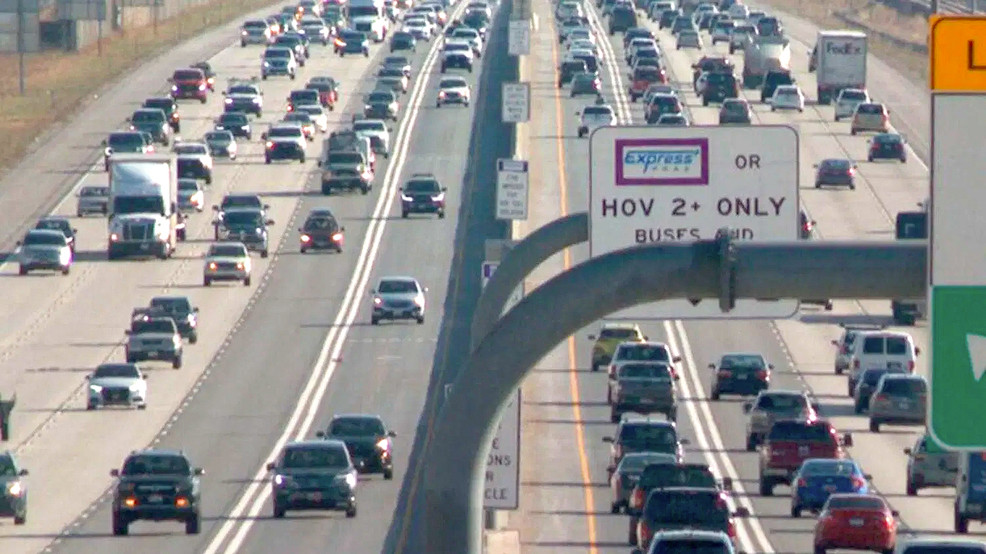
As fuel taxes decline due to the rise of electric vehicles, some US states are considering charging drivers based on the miles they drive instead of the amount of fuel they consume. This mileage-based fee system could help generate revenue for infrastructure projects, but concerns about privacy and vehicle tracking have been raised. Some states have already implemented pilot programs to test the feasibility of this system.
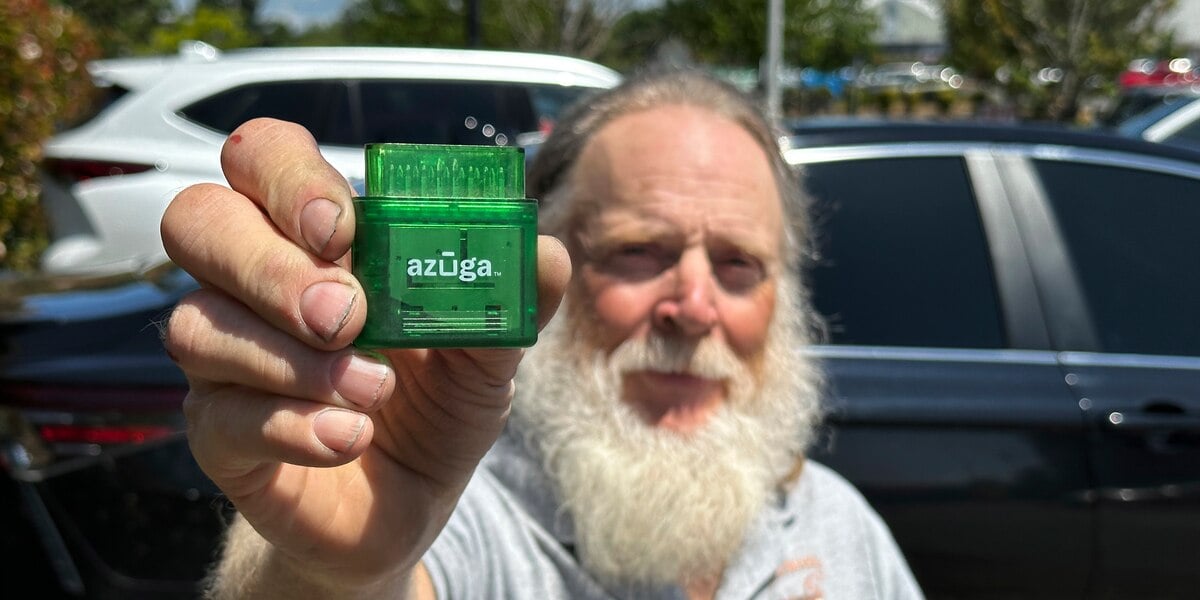
As fuel taxes generate less revenue each year due to fuel efficiency and the rise of electric cars, U.S. states are experimenting with road usage charging programs aimed at replacing motor fuel taxes. Only three states are currently generating revenue from road usage charges, despite the looming threat of an ever-widening gap between states’ gas tax proceeds and their transportation budgets. Many states have implemented stopgap measures, but road usage charges are attracting the bulk of the academic attention, research dollars and legislative activity. However, there are still hurdles to overcome, including public acceptance and concerns about social and environmental implications.