U.S. Customs and Border Protection issued a Withhold Release Order against tires made by Linglong International Europe in Serbia due to evidence of forced labor, detaining shipments at U.S. ports to prevent exploitation and ensure fair competition.
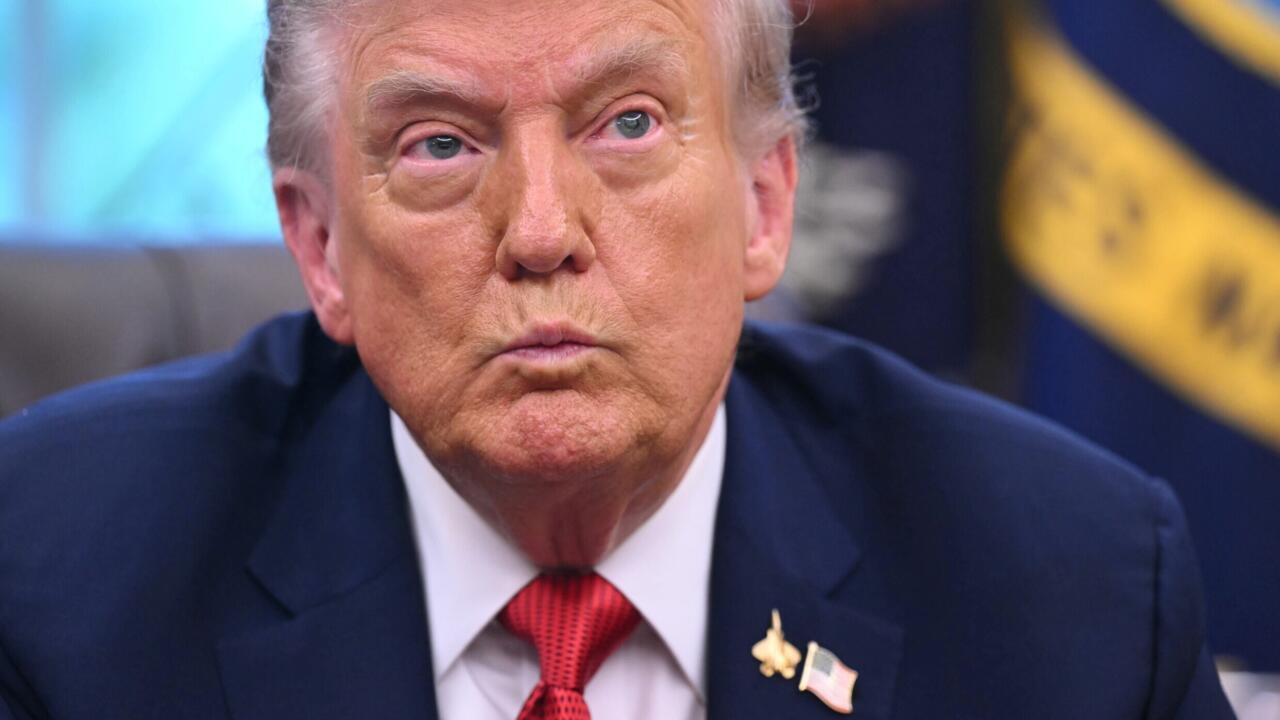
US President Donald Trump announced sweeping tariffs on pharmaceuticals, trucks, and home furnishings, including a 100% tariff on branded pharmaceuticals unless manufactured in the US, a 25% tariff on heavy trucks, and tariffs on kitchen cabinets and furniture, intensifying his trade war and protectionist efforts.
President Trump announced a potential 50% tariff on copper imports, causing a record surge in US copper futures and volatility in global markets. The move aims to boost domestic mining but risks increasing costs for US industries reliant on copper, with market reactions reflecting uncertainty over the implementation and impact of the tariffs.
The Trump administration's EPA proposes increasing biofuel blending quotas for 2026, aiming to boost domestic biofuel production and reduce imports, with a focus on supporting American farmers and renewable energy industries, while also considering changes to compliance credit values and exemptions for small refineries.
Cosmetics companies from France, Japan, South Korea, and the United States are facing challenges in the Chinese market due to import restrictions imposed by China during the pandemic. These regulations require foreign manufacturers to disclose detailed information about their products, including ingredients and suppliers, raising concerns about intellectual property theft. Additionally, many products must undergo animal testing before they can be sold in China, a practice that many global cosmetics companies have stopped. Led by France, the European Union and other cosmetics-exporting nations are urging China to repeal these requirements, as they hinder their access to the second-largest beauty market in the world.
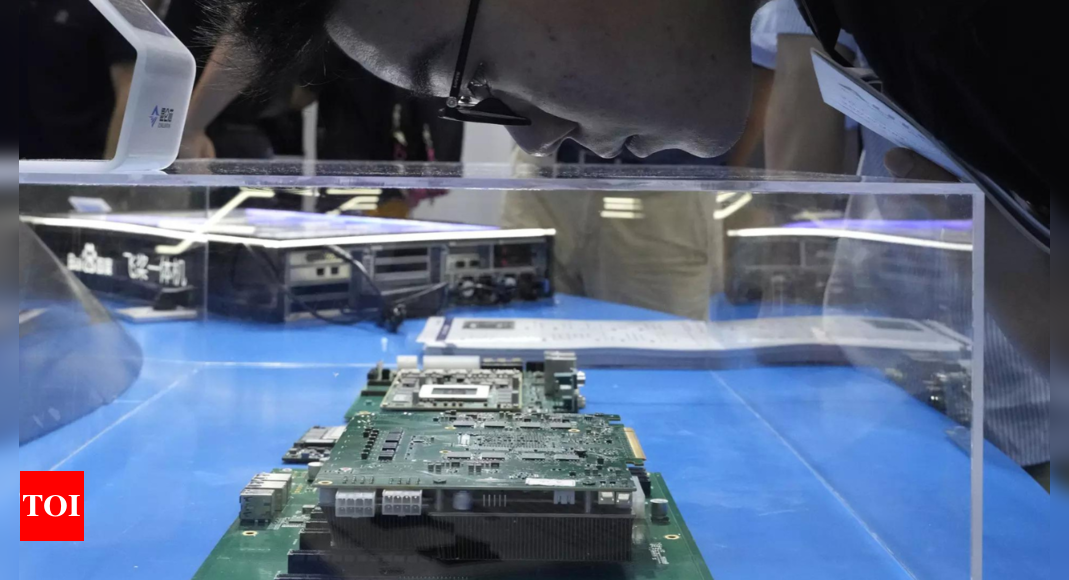
The US has expressed concerns over India's import restrictions on specific electronic devices, and the two countries have agreed to address the issue collaboratively. During a meeting between Commerce and Industry Minister Piyush Goyal and US Trade Representative Katherine Tai, they instructed officials to continue discussions to resolve the trade dispute. The US raised concerns about India's import licensing requirements for technological equipment, emphasizing the importance of involving stakeholders. India's import restrictions aim to boost domestic manufacturing and reduce imports, particularly from China. The two countries previously resolved six trade disputes and are working towards resolving the poultry dispute. Bilateral trade between the US and India reached USD 128.8 billion in the fiscal year 2022-23.
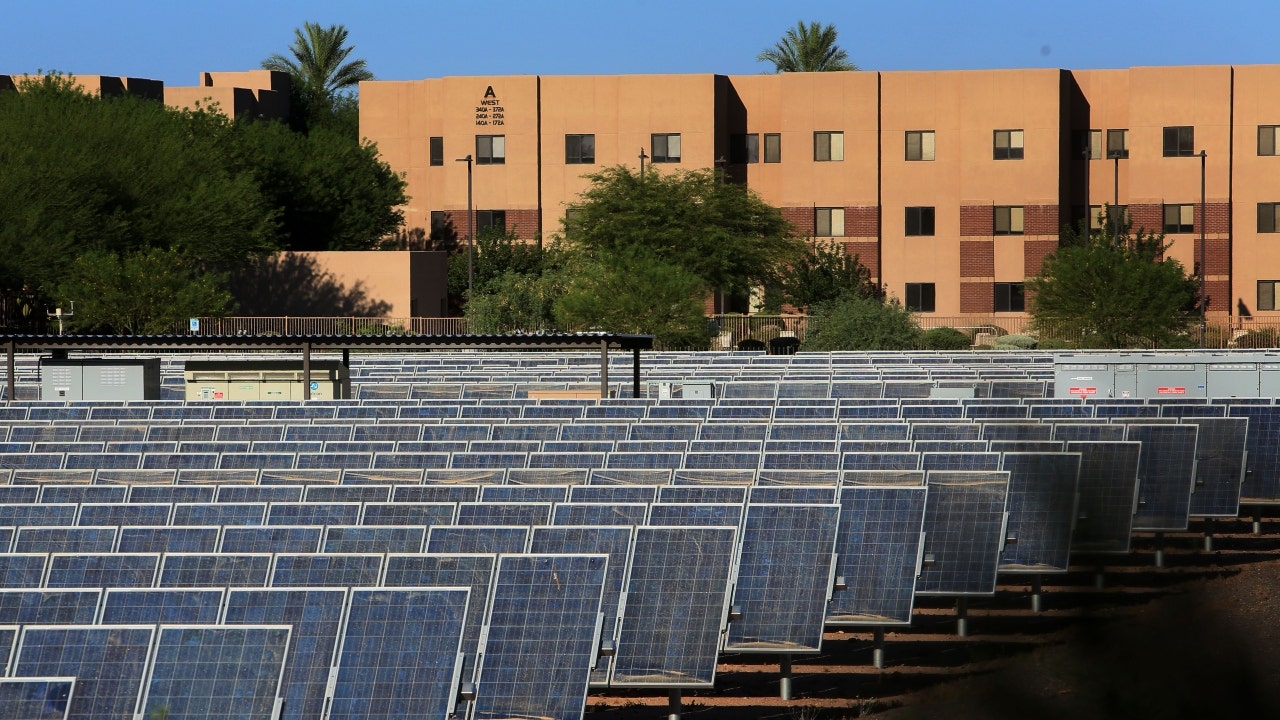
The US Department of Commerce (DOC) has imposed tariffs on several solar companies that attempted to evade existing import duties on Chinese goods by completing their products in Southeast Asian countries. The companies, including subsidiaries of Chinese firms BYD, Trina Solar, Vina Solar, and Canadian Solar, were found to be circumventing US tariffs on Chinese solar cells and panels by conducting minor processing in Cambodia, Malaysia, Thailand, and Vietnam. The tariffs will take effect in June 2024, giving US solar importers time to adjust their supply chains. The move is seen as a boost for US solar manufacturers, who have struggled to compete with Chinese rivals and are receiving investment through President Biden's Inflation Reduction Act. The use of forced labor from Uyghurs and other persecuted ethnic minorities in China has also raised concerns in the solar industry.
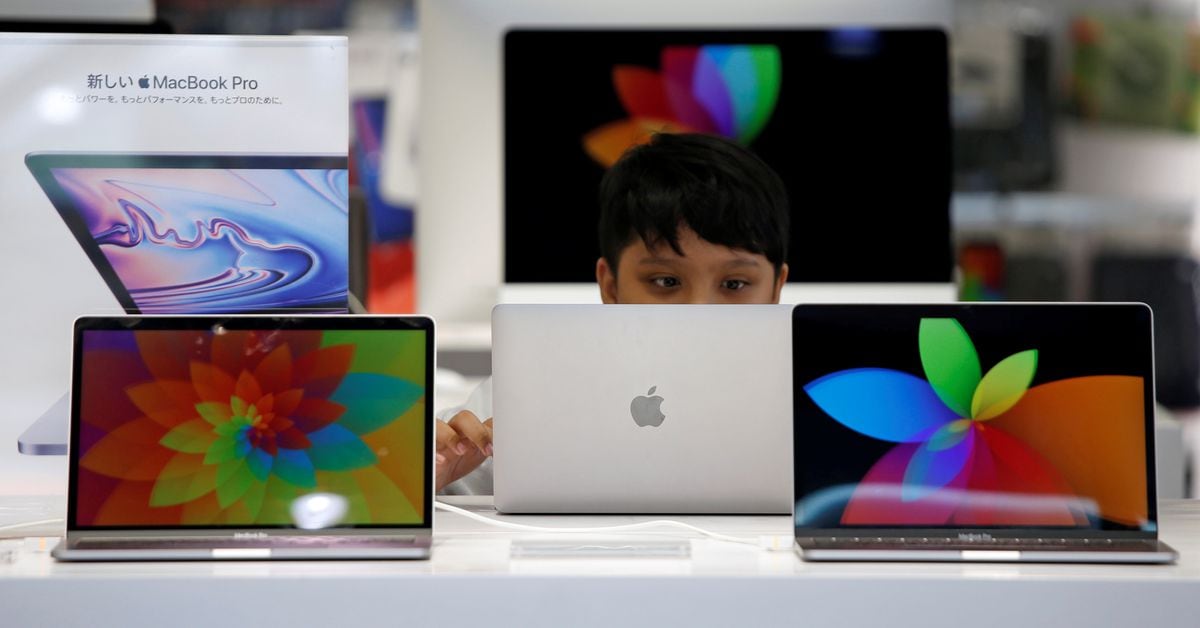
Apple and other U.S. tech firms have signed a letter protesting India's recent introduction of import restrictions on tech products, claiming that the move will hinder India's goal of becoming a global manufacturing hub and harm consumers. The new policy, set to take effect on November 1, will require a license for technology imports, covering a range of products from laptops to datacenter components. The U.S. trade groups argue that the restrictions could disrupt trade, impede the integration of India into global supply chains, and complicate business operations for all countries involved.
India has announced that it will require a licensing requirement for the import of laptops, tablets, and personal computers, a move that could impact companies like Apple, Dell, and Samsung and push them to increase local manufacturing. The new rule, similar to restrictions imposed on TV shipments in 2020, will result in prolonged wait times for new models and comes ahead of the festive season when sales typically surge. The Indian government has been promoting local manufacturing under the "Make in India" plan, and the move is seen as an effort to substitute heavily imported goods. The restriction is also aimed at curbing supplies from China due to security concerns, with India seeking to import such hardware only from "trusted partners."
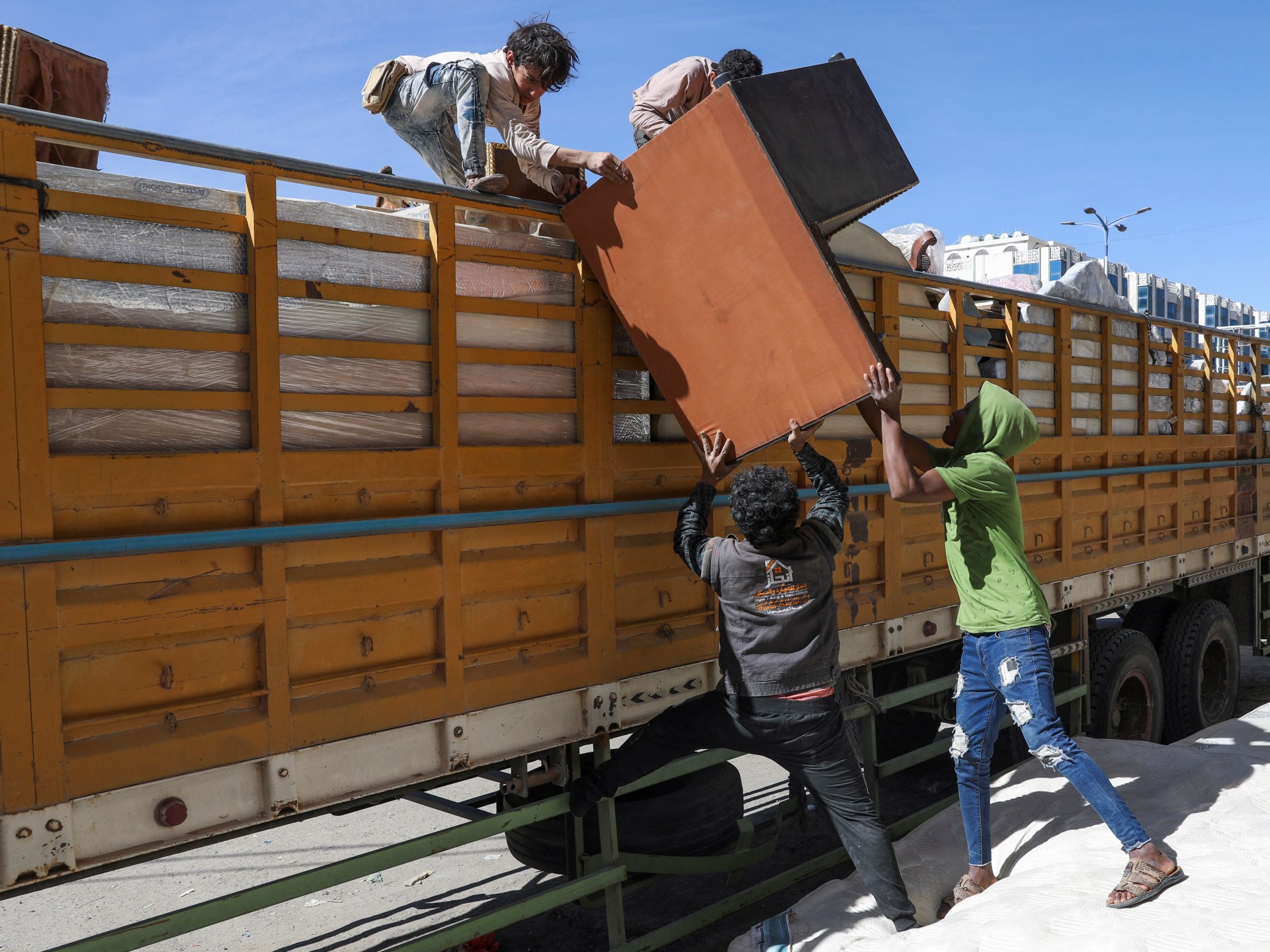
The Saudi-led coalition has lifted import restrictions on goods headed for Yemen's southern ports, including Aden, after eight years. The move follows the easing of restrictions on commercial goods entering the Houthi-held western port of Hodeidah, and signals progress in peace talks with the Houthi rebel group in the north. The Saudi-backed government said commercial ships would be allowed to dock directly in southern ports, and all goods would be cleared, with some exceptions. The moves to increase the flow of goods to ports across the country appear to be an indication of progress in direct talks between Saudi Arabia and the Iran-aligned Houthi movement.