Dietitians recommend low-potassium foods like apples, celery, grapes, and blueberries for individuals at risk of hyperkalemia, a condition caused by excessive potassium levels that can affect heart health. They also advise avoiding high-potassium foods such as spinach, sweet potatoes, and broccoli rabe, especially for those with kidney issues or on certain medications, and emphasize consulting healthcare providers for personalized dietary guidance.
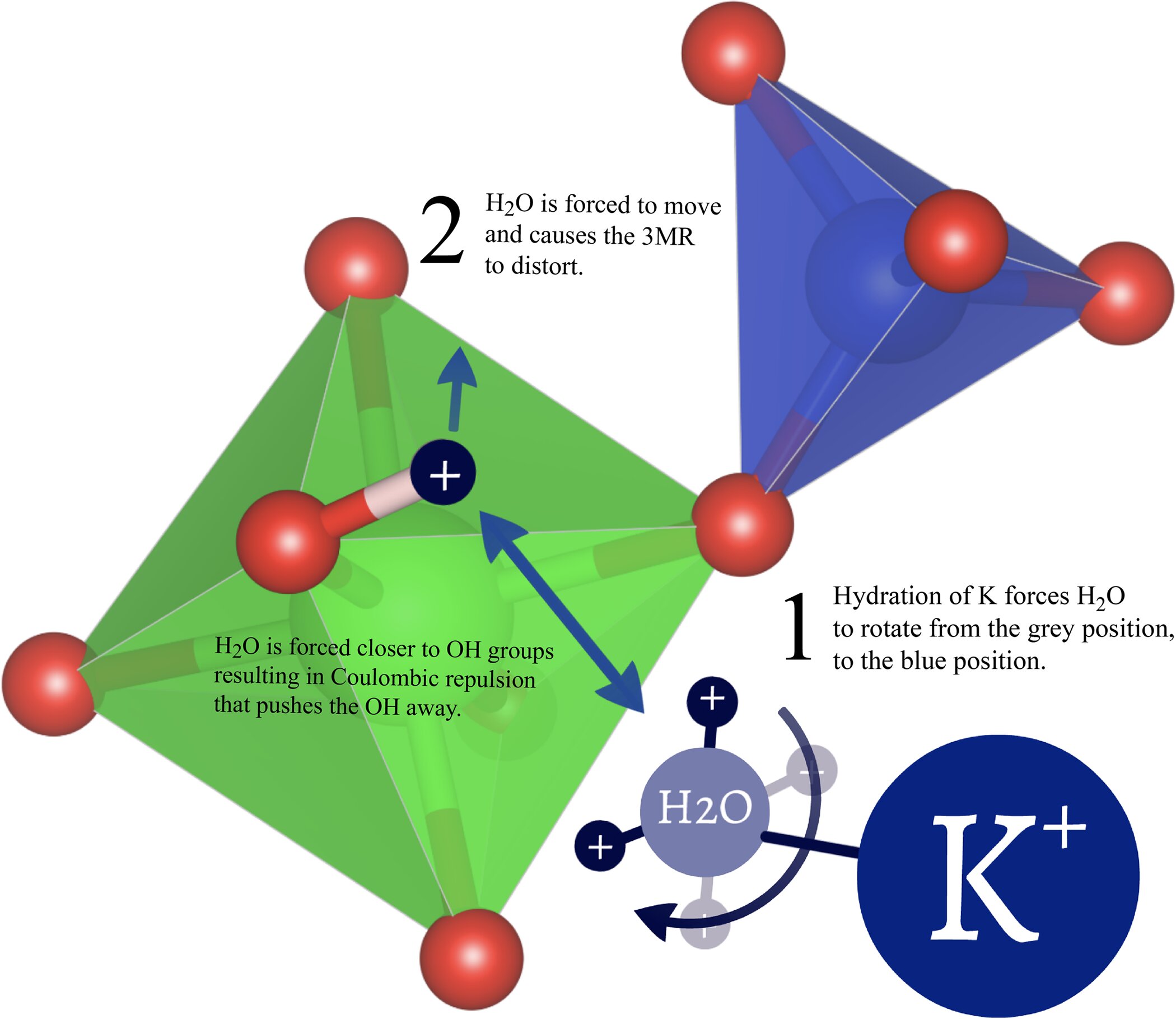
Scientists have developed the first mineral-based treatment for hyperkalemia, a widespread disease affecting millions worldwide, using the structure of crystals. The treatment, based on the crystal structure of cubic zirconium silicate, allows patients to flush out excess potassium through ion transfer, offering a potentially safer and more durable alternative to existing medications with harmful side effects and dietary restrictions. This breakthrough opens the door to more advanced mineral-based treatments for various illnesses in the future.