Ethiopia's Grand Ethiopian Renaissance Dam, Africa's largest hydro-electric project, took 14 years to build and symbolizes national pride, uniting the country amidst regional tensions, with the potential to significantly improve electricity access for millions.
California is unlikely to face electricity shortages this summer due to increased power storage and a wet winter that filled the state's reservoirs, allowing hydroelectric power plants to restart. An additional 8,594 megawatts of power from wind, solar, and battery storage will come online by September 1. However, extreme heat waves and wildfires remain a threat to the state's power grid, and officials warn that a "flex alert" may still be necessary to conserve energy. Governor Gavin Newsom's push for clean energy has been challenged by the need for gas-fired power plants and diesel generators to avoid blackouts during heat waves.
Finland's renewable energy strategy has led to an oversupply of clean energy, causing energy prices to drop below zero. A new nuclear reactor and unexpected floods have contributed to the glut of energy. Last year, Finland faced an energy crisis after cutting ties with Russia, but now aims to reach carbon neutrality by 2035 and wants wind to be its primary power source by 2027. However, energy operators may no longer be able to operate normally if the electricity is worth less than the cost of producing it.
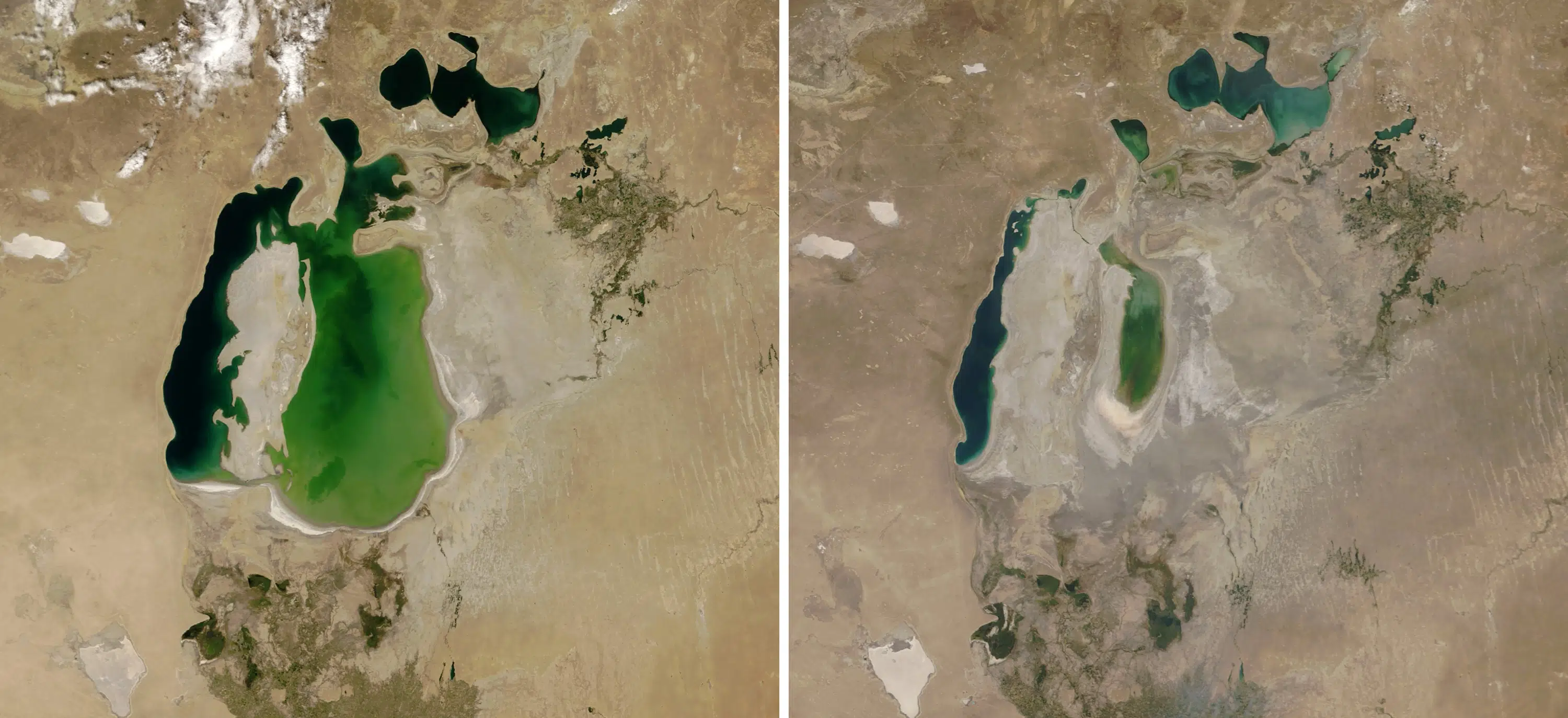
Climate change and human activities such as diversion of water have caused the world's lakes to shrink by trillions of gallons of water annually since the early 1990s, according to a study. The research examined nearly 2,000 of the world's largest lakes and found they are losing about 5.7 trillion gallons of water each year. Even lakes in areas getting more rainfall are shrinking due to a thirstier atmosphere from warmer air sucking up more water in evaporation and a thirsty society that is diverting water from lakes to agriculture, power plants, and drinking supplies.