Tag

Human Diseases

All articles tagged with #human diseases

health-and-wellness1 year ago

"Unveiling the Health Benefits of 7-Day Caloric Restriction through Proteome Adaptations"

A study explores the systemic proteome adaptations to 7-day complete caloric restriction in humans, shedding light on the molecular effects and clinical applications of fasting, with potential implications for health, aging, disease, weight loss, and metabolic health. The research provides insights into the links between fasting, energy restriction, and various human diseases, offering a comprehensive understanding of the impact of fasting on the human plasma proteome and its potential role in addressing conditions such as cancer, cardiovascular disease, and metabolic disorders.
science2 years ago

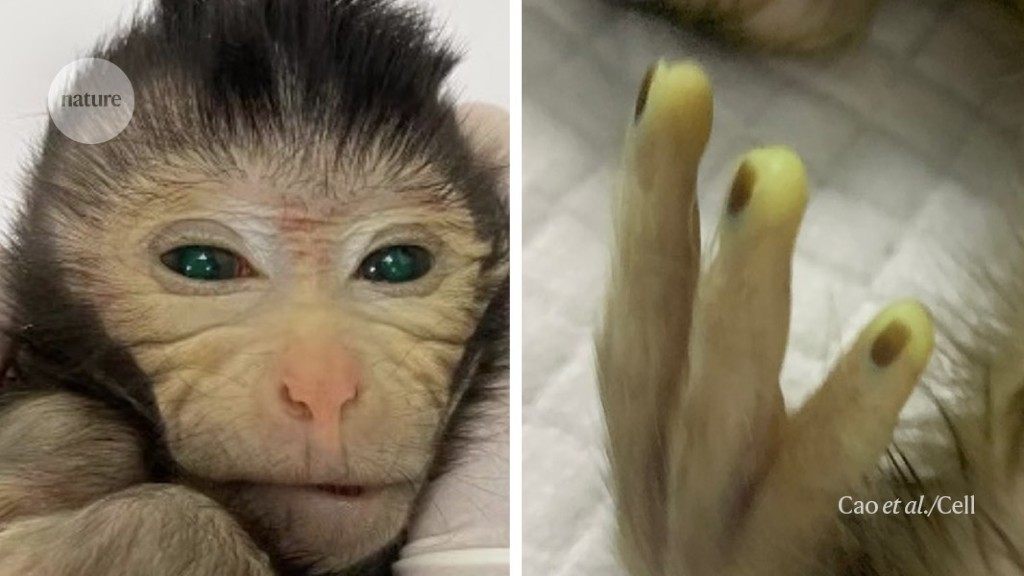
"World's First Chimeric Monkey with Glowing Green Eyes and Fingertips Born Using Stem Cells"

Scientists have successfully created a chimaeric monkey by injecting stem cells from a genetically distinct donor embryo into a monkey embryo. This marks the first live-born chimaeric primate with a high proportion of cells originating from donor stem cells. While this breakthrough opens up possibilities for studying human diseases and developing treatments, the monkey had to be euthanized at ten days old due to health issues, highlighting the need for further optimization of the approach. The use of human-animal chimaeras for organ transplantation raises ethical concerns.

science-and-technology2 years ago

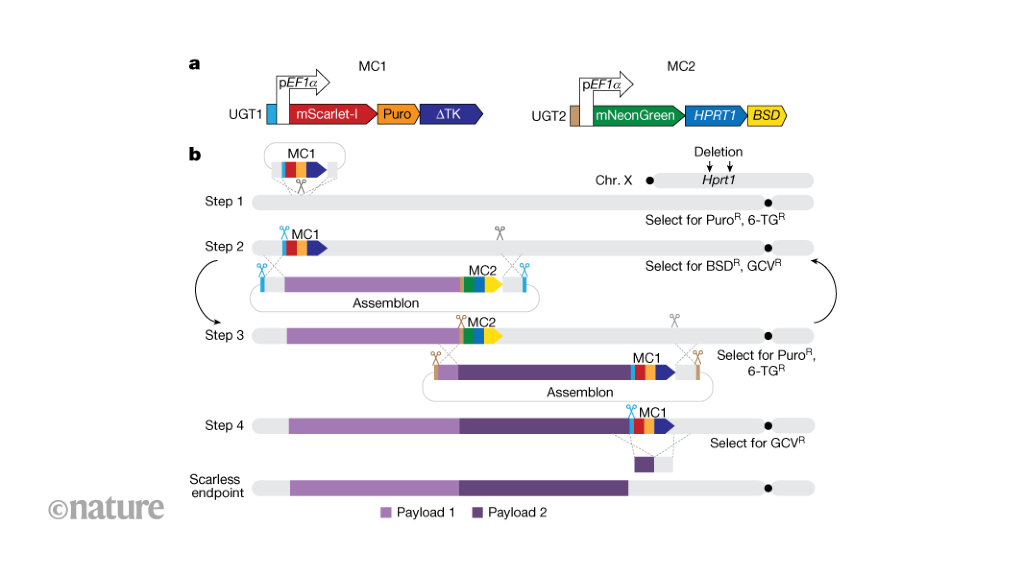
"Revolutionary Genome Rewriting in Mice: Unveiling Human Disease Models and COVID-19 Survival"

Researchers have developed a technique that allows for the rapid rewriting of large stretches of DNA in mouse embryonic stem cells, enabling the creation of improved animal models for human diseases. This development addresses the technical challenges in creating genetically humanized mice and provides a valuable tool for studying and understanding various diseases.

science-and-medicine2 years ago

Unveiling the Genetic Origins of Human Diseases and Primate Evolution

Researchers from UNC School of Medicine are using evolutionary genomics to understand human diseases by studying highly constrained genes that have remained unchanged throughout mammalian evolution. This approach provides insights into the origins of psychiatric and neurological disorders and may allow for the manipulation of DNA sequences to lessen the effects of genetic diseases. The research has produced a comprehensive document that researchers can use to explore the genetics underlying various human diseases, offering a new perspective on the role of genetic variations in disease development.