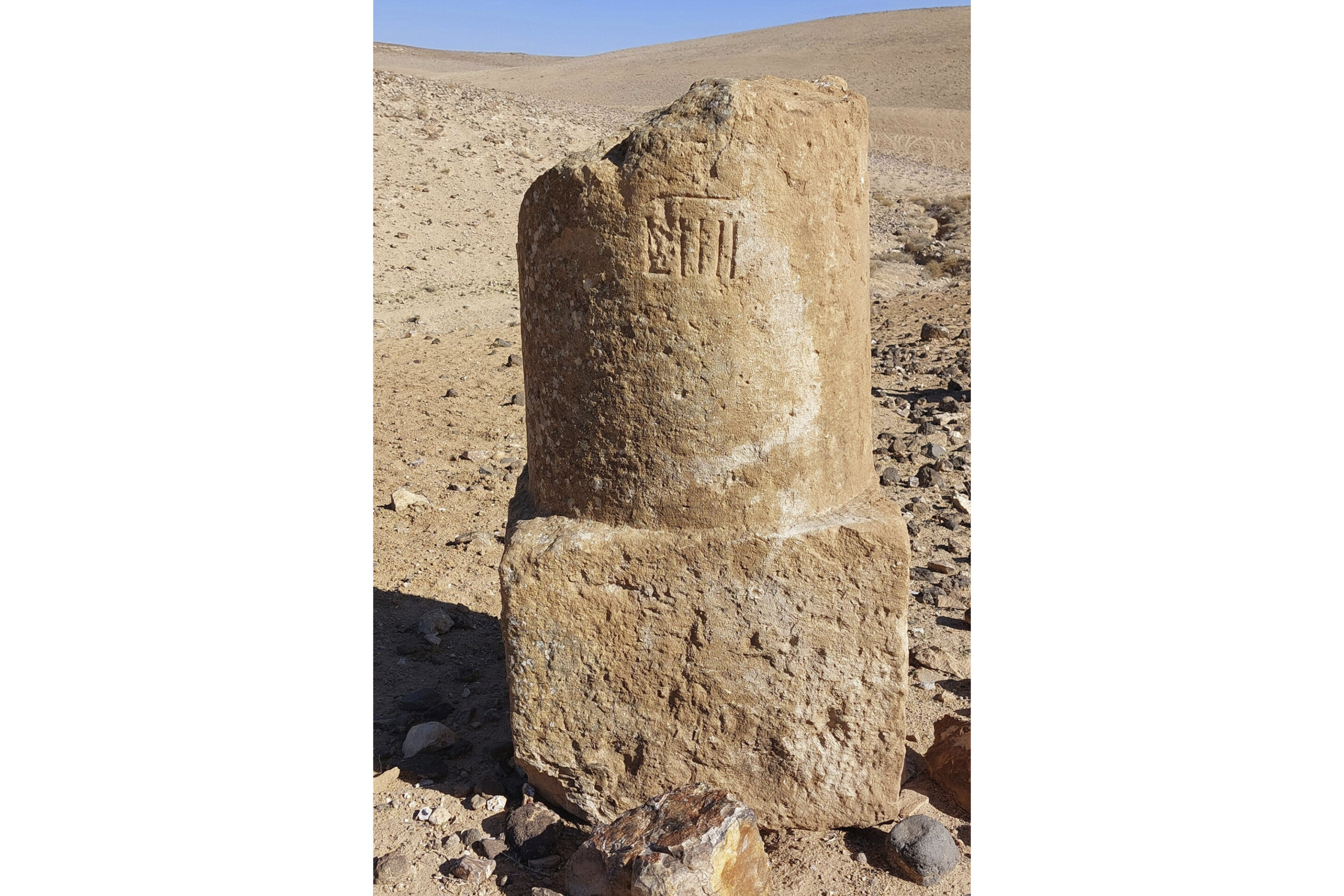
A new digital atlas reveals that the network of roads in ancient Rome was nearly 50% longer than previously thought, expanding from 117,163 miles to about 186,000 miles, thanks to advanced technology and analysis of historical and satellite data.
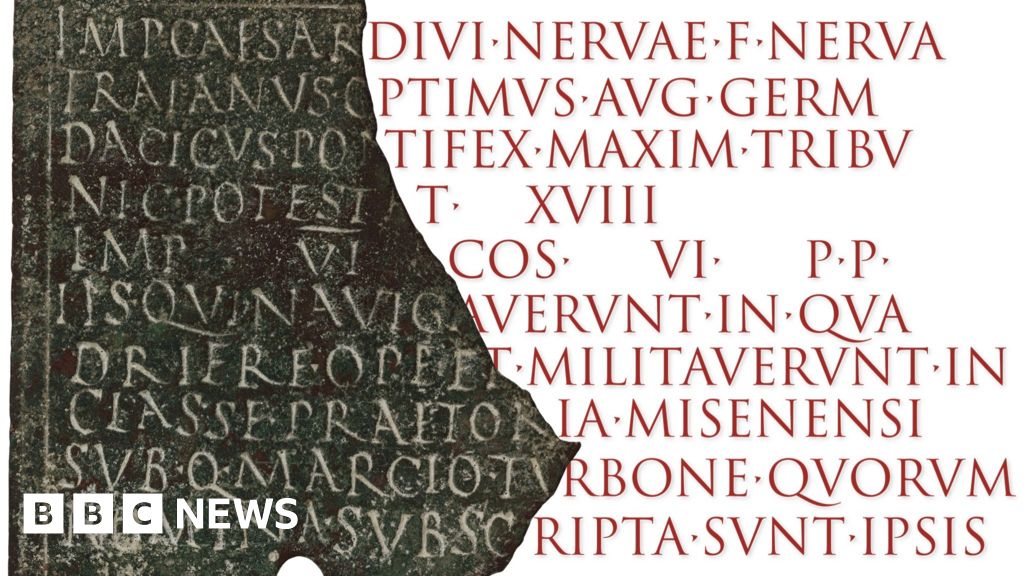
A new AI system called Aeneas has the potential to significantly enhance our understanding of ancient Rome by filling in missing parts of inscriptions, dating artifacts, and identifying their origins, thereby accelerating and improving historical research, despite some concerns about accuracy.
A DeepMind AI model named Aeneas has analyzed Latin inscriptions and provided a more precise date for the 'Res Gestae Divi Augusti,' suggesting it was created around A.D. 15, shortly after Augustus's death, demonstrating AI's potential to aid historical research by linking isolated data to broader social contexts.
Archaeologists from the University of Leicester have discovered that tobacco leaves chemical traces in human bones, persisting for centuries, which provides new insights into historical tobacco use and its long-term health effects. This study, published in Science Advances, analyzed skeletal remains from pre- and post-tobacco eras, revealing that tobacco consumption was more widespread across different demographics than previously thought. The findings challenge traditional reliance on dental evidence for identifying ancient tobacco use and have implications for modern health research and tobacco control efforts.
A University of Liverpool researcher has suggested that some Anglo-Saxon warriors may have been transgender, based on the analysis of Dark Age graves in Kent. By applying "trans theory" to the burials, the researcher argues that modern gender norms may not have applied 1,500 years ago, and that transgender individuals may have held high status in Anglo-Saxon society. The study also discusses the re-examination of historical figures using modern gender categories, such as the classification of the Roman emperor Elagabalus as transgender by a museum.
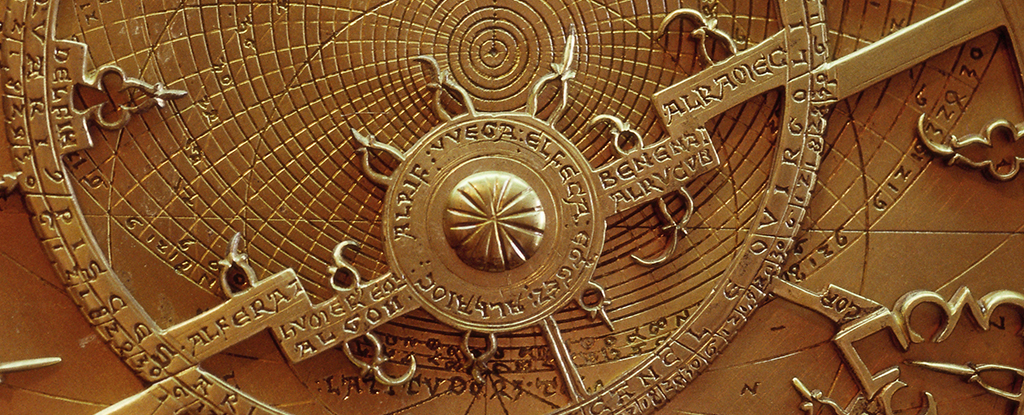
A new paper by astronomer Emmanuel Davoust analyzes the positions of stars on an astrolabe in the Musee des Arts precieux Paul-Dupuy in Toulouse, France, to determine its year of manufacture. By cross-referencing star coordinates with known Latin astrolabes, Davoust found that the equinox of the year 1550 was the closest match, providing insight into the origins of the astrolabe. This interdisciplinary research demonstrates how astronomy can be used to uncover historical information about ancient artifacts.
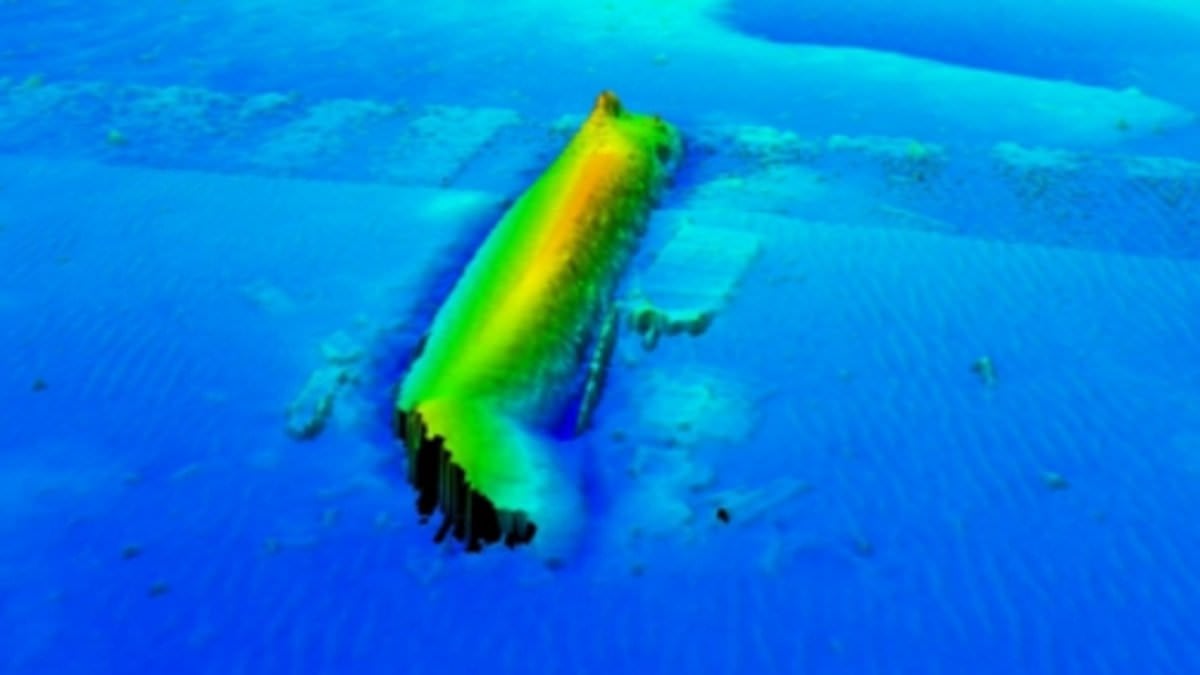
A 230-foot shipwreck has been discovered at the bottom of the Baltic Sea by Lithuanian energy company Ignitis Group during a seafloor survey for a wind farm project. The vessel, hidden and unexplored for decades, was found 125 feet beneath the surface and is located in an area known for shipwrecks. Researchers are working to identify its origins and determine its age, with hopes of adding it to Lithuania's national database of historically significant places. The discovery will also provide valuable information for scientific and historical research.
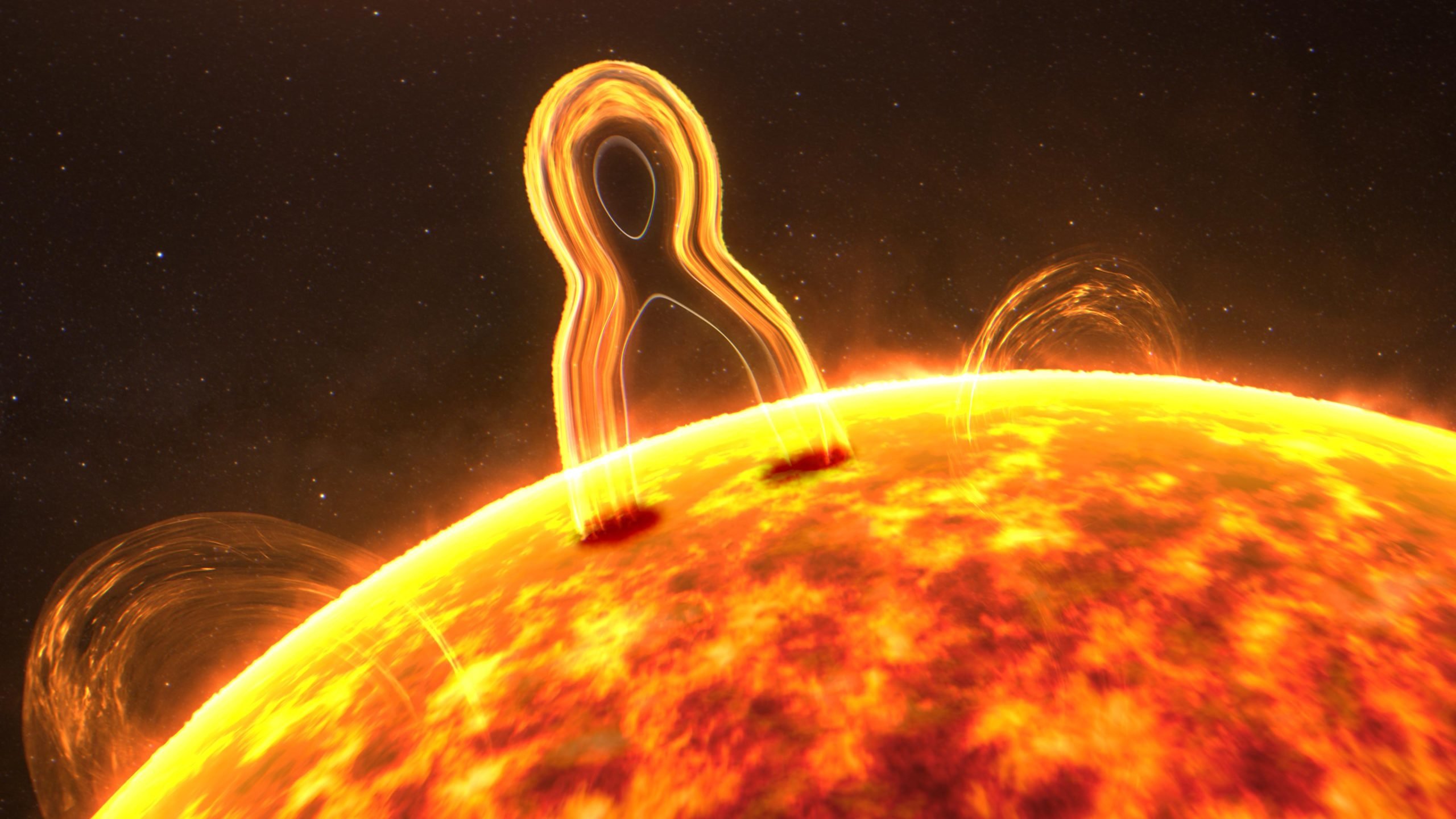
New research reveals that extreme solar storms, capable of disrupting power grids, communication systems, airplanes, and satellites, are more common than previously thought. A comprehensive analysis of a massive solar storm that occurred in February 1872, known as the Chapman-Silverman storm, confirms its status as one of the most extreme geomagnetic storms in recent history. The storm caused global auroras visible even near the equator and disrupted telegraph communications. The study highlights the vulnerability of modern society to such storms and emphasizes the importance of preserving and analyzing historical records to assess and mitigate the impact of future events.
A parliamentary investigation into the collapse of Credit Suisse will keep its files closed for 50 years, according to newspaper Aargauer Zeitung. This has raised concerns among Swiss historians who believe access to the files would be invaluable for scientific investigation of the 2023 banking crisis. The investigation will focus on the activities of the Swiss government, financial regulator, and central bank leading up to the emergency takeover of Credit Suisse by UBS in March. The committee conducting the investigation has sweeping powers but stressed the confidentiality of its proceedings during its first meeting.
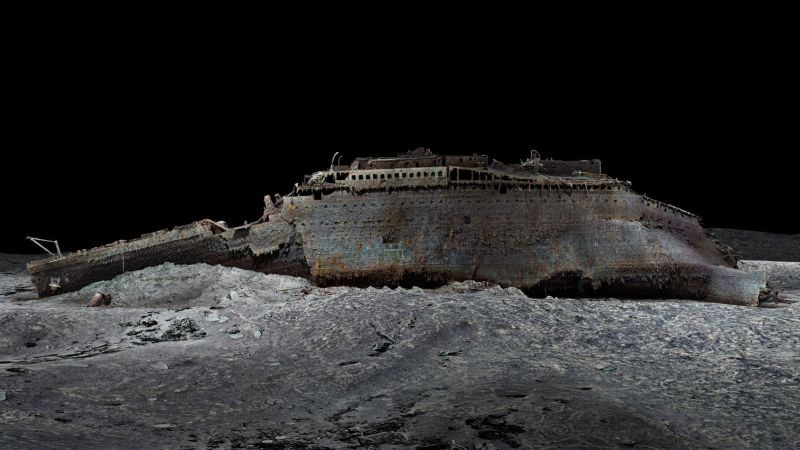
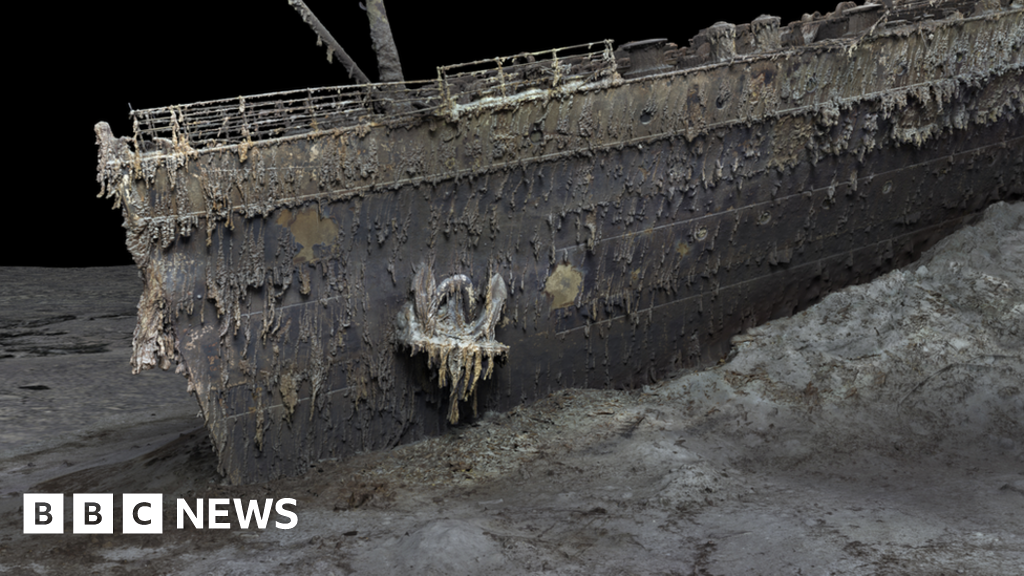
The largest underwater scanning project in history has created an exact "Digital Twin" of the Titanic wreck for the first time, revealing details of the tragedy and uncovering fascinating information about what really happened to the crew and passengers on that fateful night of April 14, 1912. The project has managed to unearth details never seen before, including the serial number on the propeller. The final digital replica has captured the entire wreck, including both the bow and stern section, which had separated upon sinking in 1912. The mapping will herald the beginning of a new chapter for Titanic research and exploration.
The first full-sized digital scan of the Titanic has been created using deep-sea mapping, providing a unique 3D view of the entire ship, enabling it to be seen as if the water has been drained away. The scan captures the wreck in its entirety, revealing a complete view of the Titanic, which lies in two parts, with the bow and the stern separated by about 800m. The scan shows both the scale of the ship, as well as some minute details, such as the serial number on one of the propellers. The hope is that this will shed new light on exactly what happened to the liner, which sank in 1912.
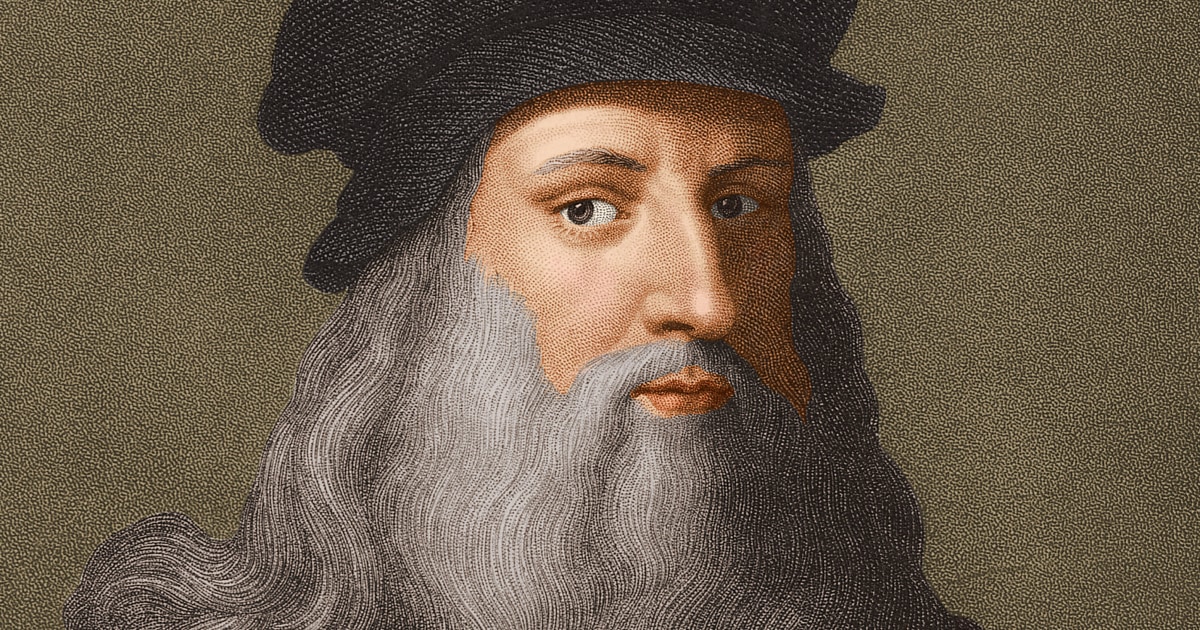
New research claims that Leonardo da Vinci's mother was a slave from the Caucasus, making the painter of the "Mona Lisa" just half-Italian. The evidence was unveiled by Carlo Vecce, a scholar of Leonardo's life and work, who found an act of liberation of a slave called Caterina by her mistress, Monna Ginevra, who was the wife of a "Florentine adventurer" who owned slaves from the Black Sea region. The findings are the basis of a new historical novel by Vecce called "Il Sorriso di Caterina," (Caterina's smile).