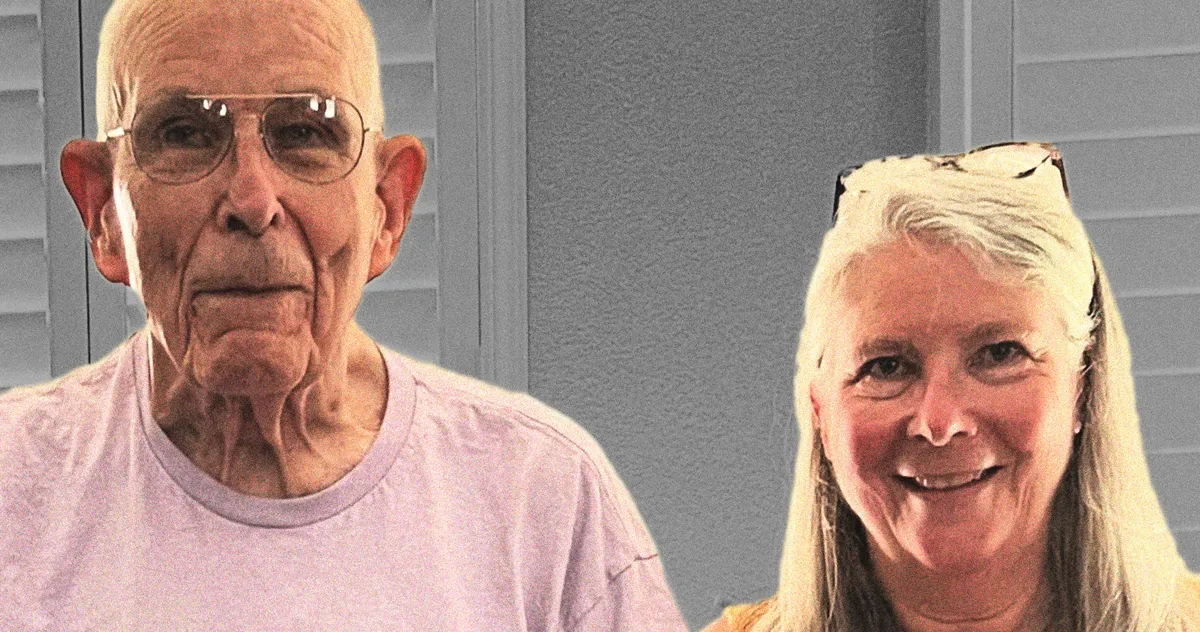
The author recounts the emotional experience of finally meeting her biological father after nearly three decades, only to face the grief of losing him shortly after, highlighting the complex feelings of connection and loss.
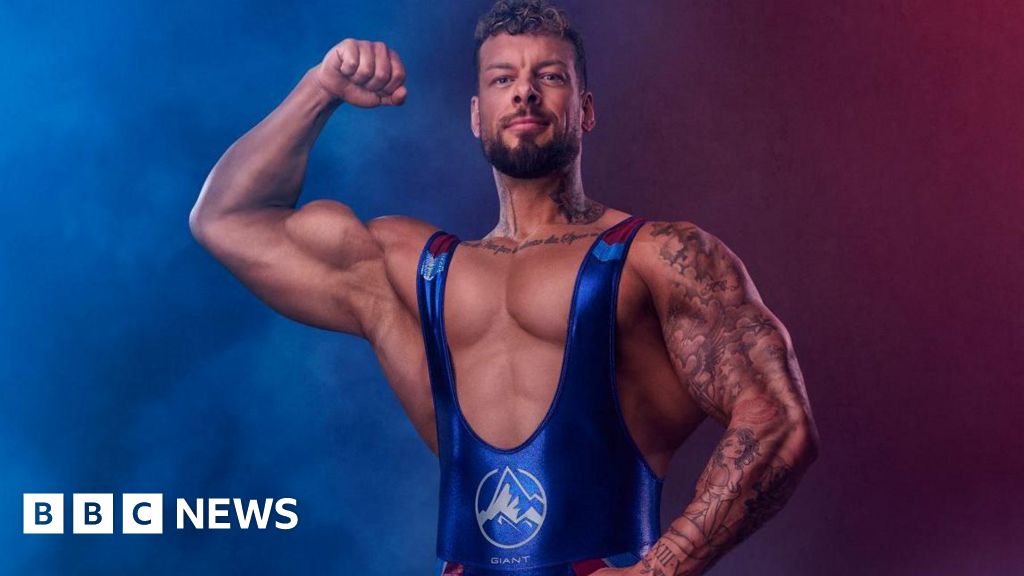
Jamie Christian-Johal, known as Giant on BBC's Gladiators, is reverting to his birth surname Bigg following his divorce and ADHD diagnosis, aiming to reclaim his identity and be more authentic in his personal and professional life.
Mike Vrabel emphasizes the importance of belief and identity for the Patriots, highlighting their resilience and ability to find ways to win, as demonstrated in their recent game. The article also reviews Drake Maye’s strong performance against Baltimore and Stefon Diggs’ standout play, underscoring key individual contributions in the broader team effort.
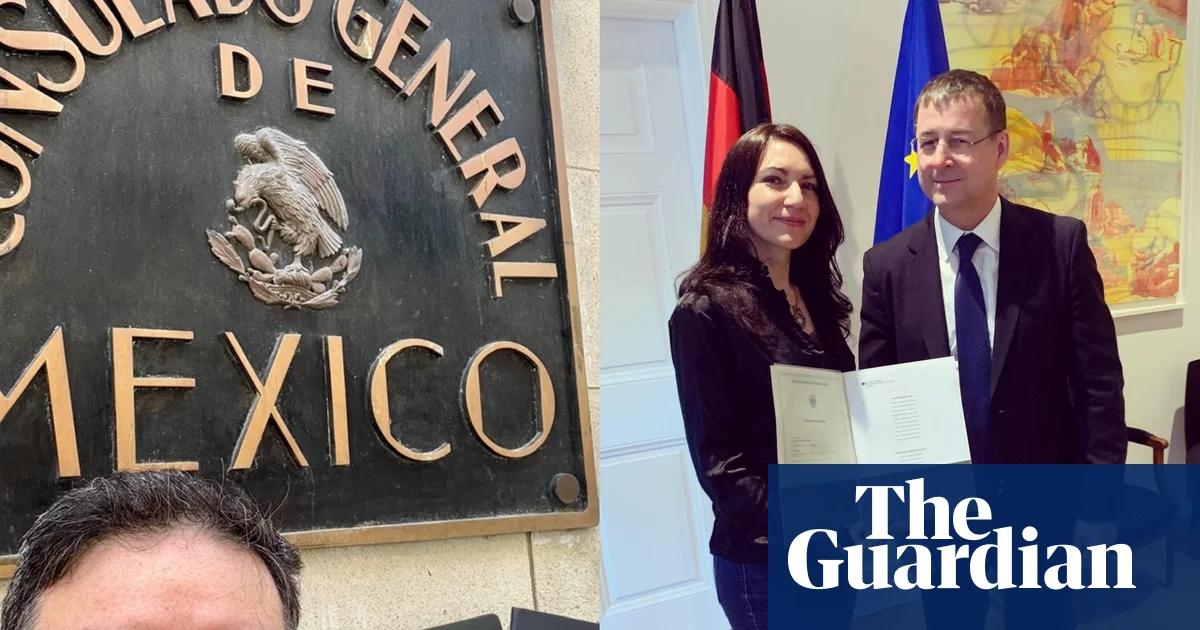
Amid political instability and social issues in the US, more Americans are seeking dual citizenship through descent as a form of insurance and escape route, driven by concerns over rights, safety, and opportunities, with many viewing it as a way to secure a plan B in uncertain times.
Harold receives a pill that expands into a clone of his wife Rosie, but the clone is imperfect and different from the original, raising questions about identity and the ethics of AI-driven regeneration, all set in a future where such treatments are insurance-approved and cost-saving.
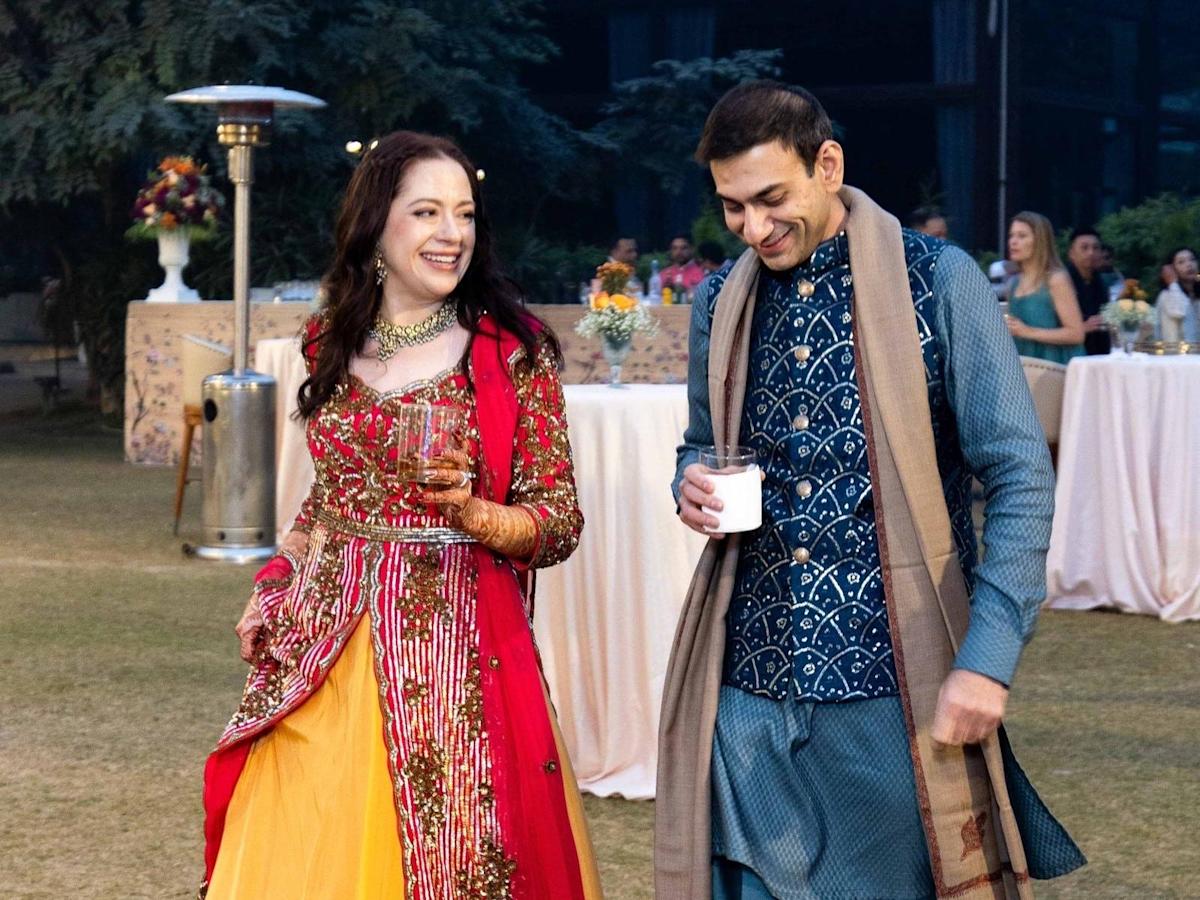
The author discusses her desire to hyphenate her last name after marriage to honor her family heritage, but finds it complicated due to initials and practicality, ultimately choosing to adopt her husband's name while maintaining her maiden name in professional settings, emphasizing the importance of cultural identity and personal choice.
Tommy Genesis's album GENESIS marks a shift from her usual provocative style to a more introspective exploration of her struggles with rejection, identity, and self-actualization, blending various genres and showcasing her creative versatility, though some parts feel less distinct and more experimental.
The article explores the experiences of Iranian Americans in Hollywood, highlighting their cultural contributions, struggles with identity, and the impact of recent Middle Eastern conflicts on their community, emphasizing themes of exile, resistance, and representation.
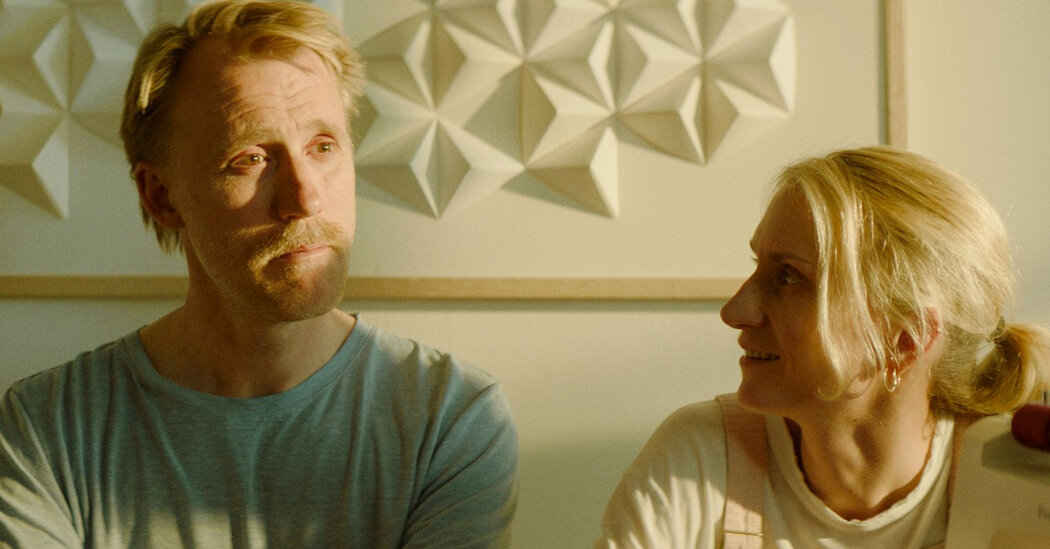
‘Sex’ is a Norwegian drama exploring masculinity, desire, and identity through intimate conversations between two married men, highlighting their internal struggles and societal norms, with a focus on dialogue and character depth.
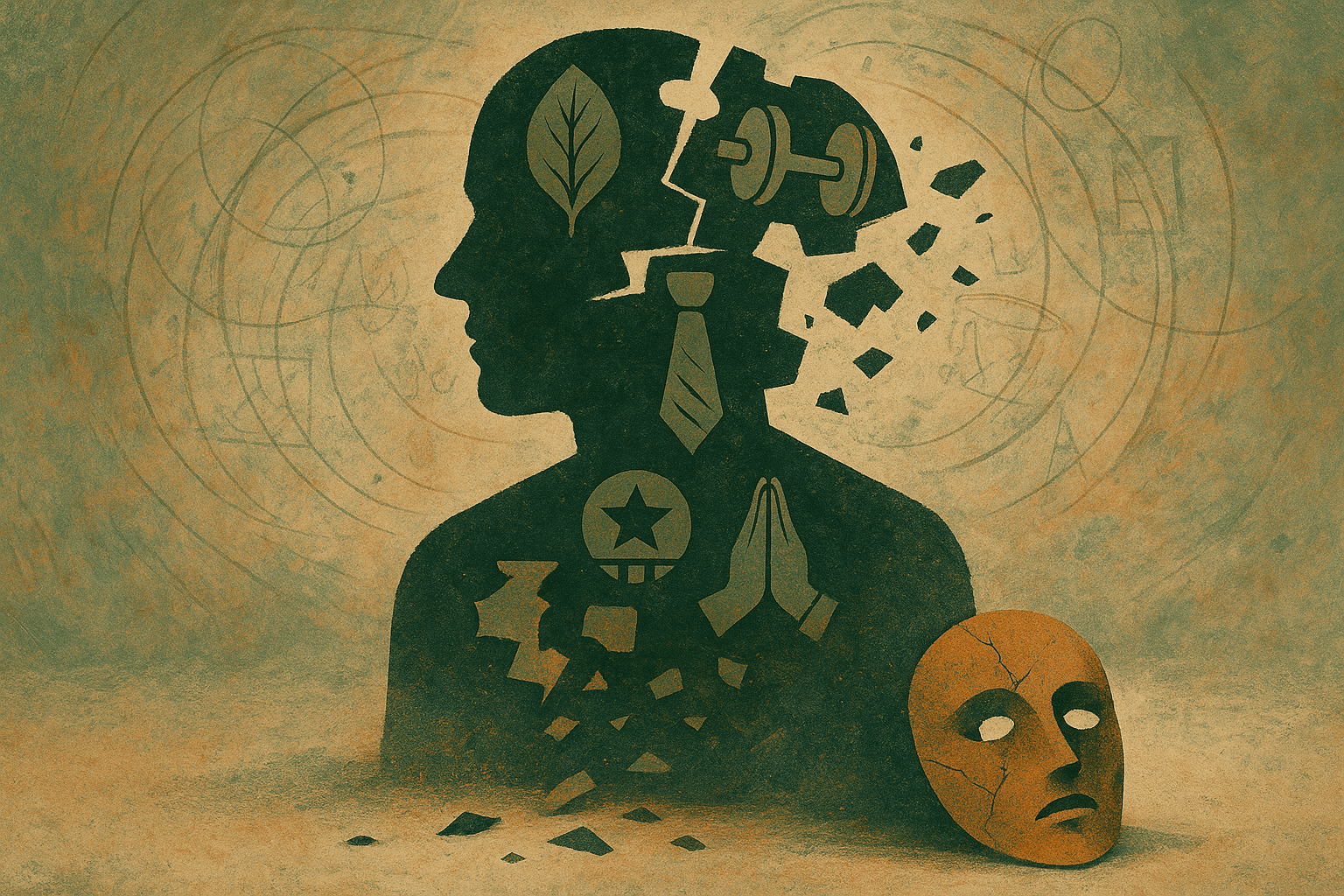
The article explores how rigid identification with belief systems, such as veganism or political ideologies, can lead to psychological distress and societal division. It advocates for 'fluid integrity'—holding values lightly to adapt and grow—highlighting that true freedom comes from recognizing the provisional nature of our identities and embracing change for personal and collective well-being.
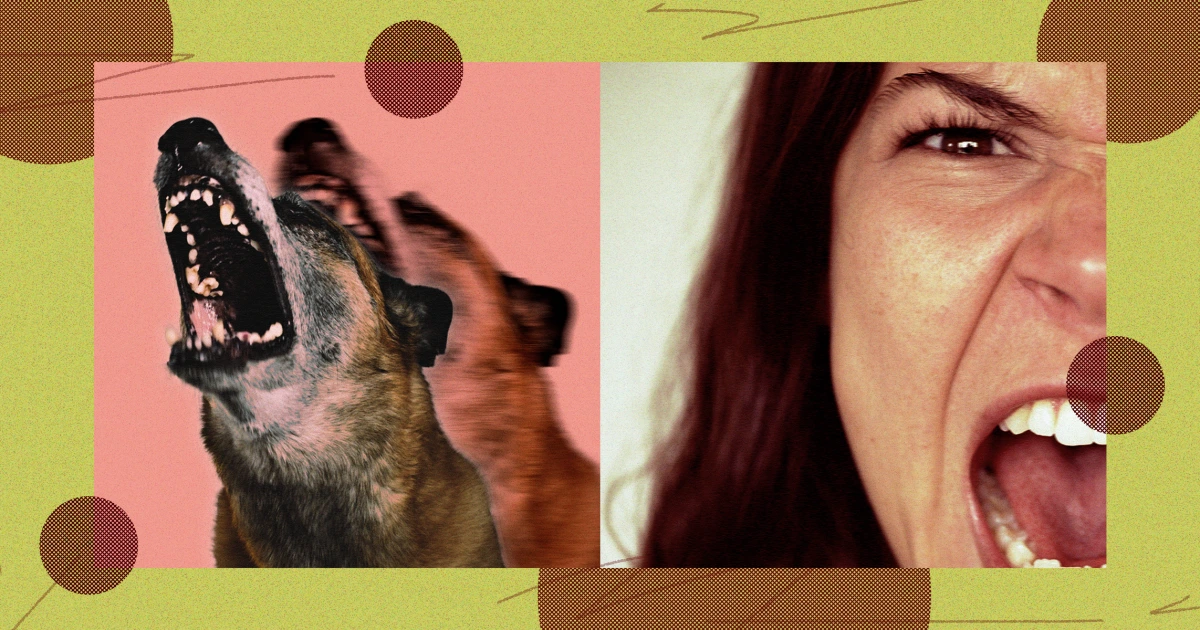
The author shares her journey of grappling with 'mom rage' and her evolving identity as a parent, inspired by Rachel Yoder's novel "Nightbitch." Initially resistant to 'mommy lit,' she finds solace in the book's portrayal of a mother's struggle with identity and rage. Embracing a playful, instinctual approach with her son, she discovers a new way to connect with him and herself, challenging societal norms around motherhood and womanhood.
The author recounts the breakdown of their relationship with their conservative in-laws over immigration issues, highlighting a pivotal moment when they received an anti-immigration book as a gift. Despite attempts to reconcile, the in-laws' lack of understanding and apology for their actions led to a permanent rift. The author reflects on the broader societal divide over immigration and the challenge of maintaining relationships when fundamental human rights are at stake.
Lily-Rose Depp, daughter of Johnny Depp and Vanessa Paradis, discusses her determination to prove critics wrong and establish her own identity in Hollywood. Despite facing skepticism due to her famous lineage, she emphasizes her commitment to hard work and passion for acting. Ahead of her role in "Nosferatu," Depp reflects on overcoming imposter syndrome and the pressure of living up to her family's artistic legacy.
Chidimma Adetshina, representing Nigeria, expressed pride in securing second place at the Miss Universe pageant, becoming the highest placed black African woman since 2019. Despite facing xenophobic abuse and identity controversies in South Africa, where she was born, Adetshina triumphed in the Miss Nigeria contest to qualify for Miss Universe. She plans to seek therapy to cope with the trauma from the abuse. Adetshina's achievement follows the withdrawal of Miss South Africa, Mia le Roux, due to medical reasons.
Gus Saltonstall reflects on his diagnosis of Type 1 Diabetes on November 11, 2011, and the impact it has had on his identity and life. Initially, he felt shame and reluctance to share his condition, fearing judgment and being perceived as lesser. Over time, he realized that managing a chronic illness is personal, and there's no right or wrong way to incorporate it into one's identity. As he approaches the 13th anniversary of his diagnosis, he embraces sharing his story, recognizing that shame is neither fair nor productive.