The President emphasizes the importance of awareness, early detection, and research in the fight against breast cancer, acknowledging survivors and mourning those lost, and commits to efforts to reduce cancer rates and improve health outcomes in the U.S.
A new poll by the Legal Action Center reveals that 75% of Americans now view substance use as a health issue rather than a criminal one, up from 67% in 2019. Despite this shift in public opinion, many states still criminalize drug possession, and policies on substance use remain inconsistent. While there is growing support for harm-reduction measures like naloxone and fentanyl test strips, funding and access to treatment remain inadequate. Insurance companies often fail to comply with laws requiring coverage for substance use disorder treatment, and criminalization policies continue to hinder access to care, potentially increasing overdose risks.
The UK government will implement a ban on junk food advertising on TV before 9pm and in paid online ads starting October 2025, targeting products high in fat or sugar to combat childhood obesity. However, the ban only applies to identifiable products, allowing brands to circumvent restrictions by not showing specific unhealthy items in their ads. Health advocates support the move but express concerns about potential loopholes, urging brands to make healthier products. The ban is part of efforts to reduce obesity rates and associated health costs.
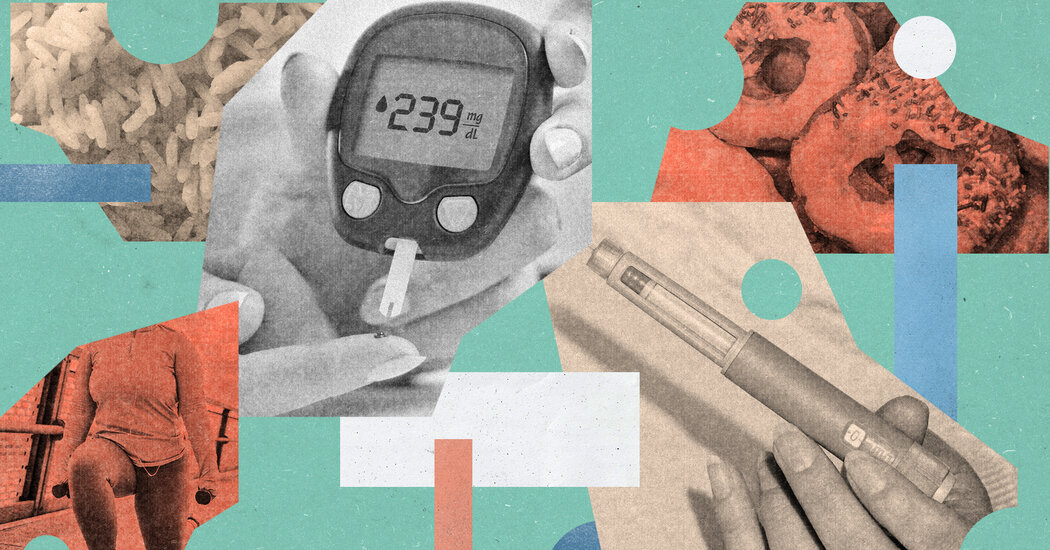
The article discusses the potential use of Ozempic, a medication primarily used for treating type 2 diabetes, as a preventive measure for diabetes. It explores the benefits and implications of using Ozempic for diabetes prevention, considering its effectiveness and the broader impact on health policy and patient care.
The upcoming U.S. dietary guidelines may not address the issue of ultraprocessed foods, despite growing evidence linking them to health problems. This omission could be due to the influence of the food industry and the complexity of defining and regulating ultraprocessed foods. The guidelines, which are updated every five years, play a crucial role in shaping public health recommendations and food policies.
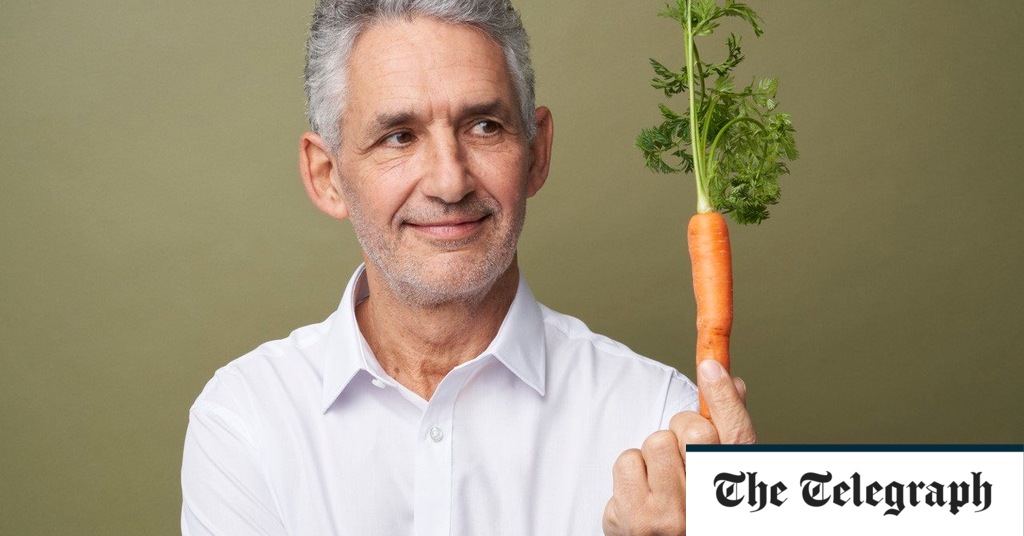
Professor Tim Spector, a renowned genetic epidemiologist and co-founder of the personalized nutrition app Zoe, discusses the UK's status as the "sickest country in Europe" and his mission to empower people to improve their health through better dietary choices. Spector criticizes government food policies and the general lack of concern for public health, advocating for a more personalized approach to nutrition that considers individual microbiomes. He also shares his own health journey and the evolution of his career, which now includes a high public profile with media appearances and a new health column. Spector emphasizes the importance of enjoying food and the social aspects of eating, while also highlighting the potential of technology to revolutionize personalized nutrition and health data.