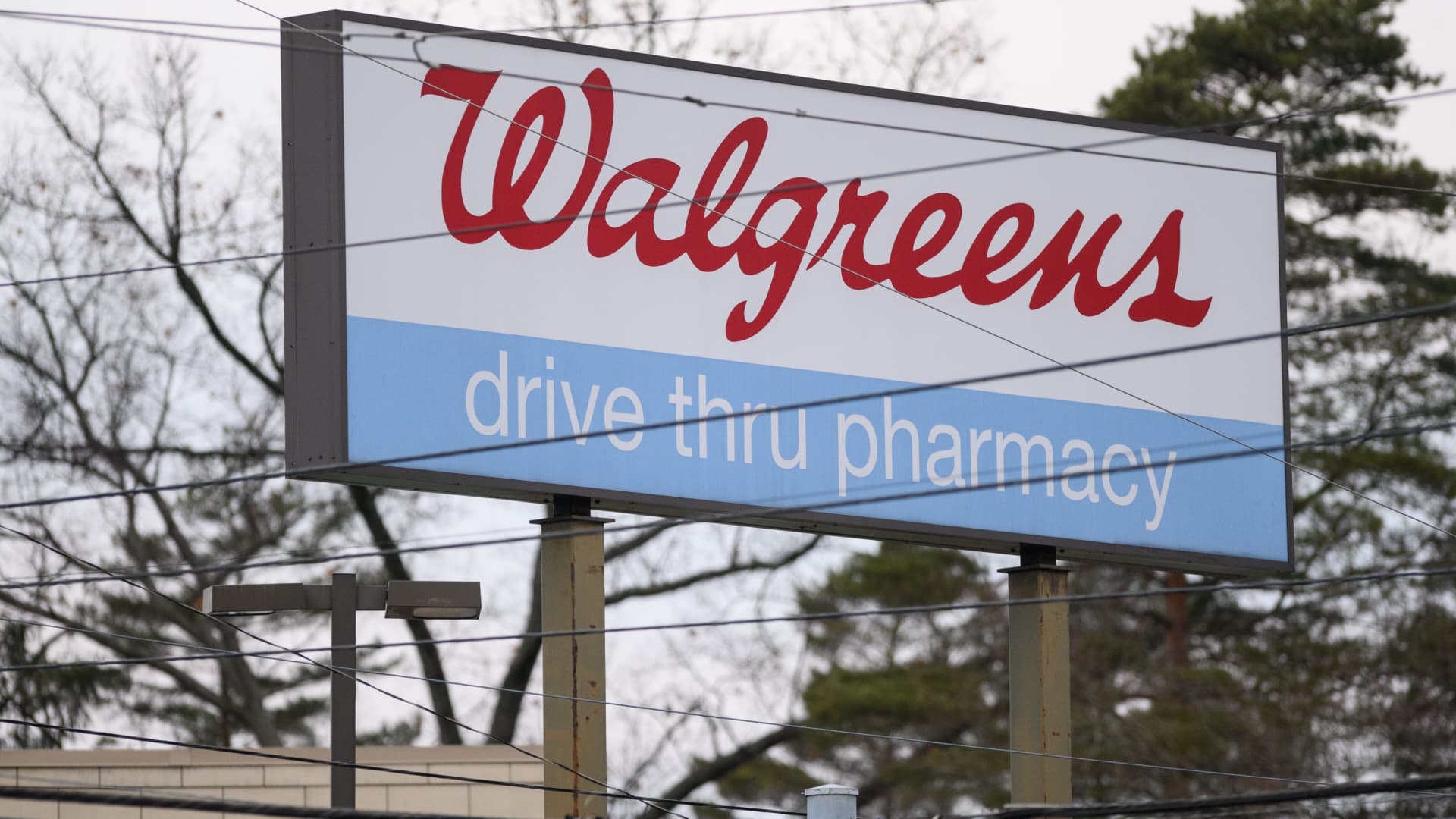
Walgreens reported a fiscal first-quarter earnings and revenue beat, surpassing Wall Street expectations. However, the company significantly cut its quarterly dividend from 48 cents to 25 cents per share, marking the first reduction in nearly 50 years, to improve its balance sheet and cash position. Despite the dividend cut, the company saw a 10% increase in sales, driven by its U.S. retail pharmacy and international business segments, as well as contributions from its U.S. healthcare division. Walgreens is in the midst of a transformation to become a larger healthcare company, maintaining its adjusted earnings guidance for fiscal 2024 while expecting over $1 billion in savings from cost-cutting measures.
MDMA, commonly known as ecstasy, is on the brink of potential FDA approval for therapeutic use in treating PTSD, with backers like Cody Shandraw of Ambria Capital predicting exponential growth in the therapy's availability upon approval. With the drug's "breakthrough therapy" status and a new-drug application already submitted, the focus is on preparing clinical infrastructure for widespread use. Shandraw's firm, along with others, has invested heavily in the development of psychedelic therapies, anticipating a surge similar to the expansion seen with ketamine treatment for depression. Approval could also pave the way for insurance coverage and treatments for veterans, with MDMA therapy possibly becoming a leading example for other psychedelic treatments in development.
Novartis has expanded its gene therapy collaboration with Voyager Therapeutics, investing $100 million upfront to acquire capsids targeting Huntington’s disease and spinal muscular atrophy. The announcement, which comes ahead of the JP Morgan Healthcare Conference, has already positively impacted Voyager's stock, with shares increasing by 32%. Additionally, Novartis will purchase $20 million in Voyager shares, further cementing the partnership between the two companies in the field of neurologic gene therapies.