Raipur oncologist Dr. Sharma emphasizes the importance of recognizing subtle early signs of cancer, such as persistent mouth sores, abnormal bleeding, fatigue, and unexplained weight loss, to enable timely diagnosis and improve treatment outcomes. Regular screenings and awareness are crucial, especially for high-risk groups, as early detection significantly increases the chances of cure.

Mount Sinai Hospital and the Real Dads Network in Manhattan are partnering to provide free heart health screenings for Black men to address high rates of undiagnosed heart conditions, emphasizing community trust, cultural understanding, and accessible care to reduce health disparities.
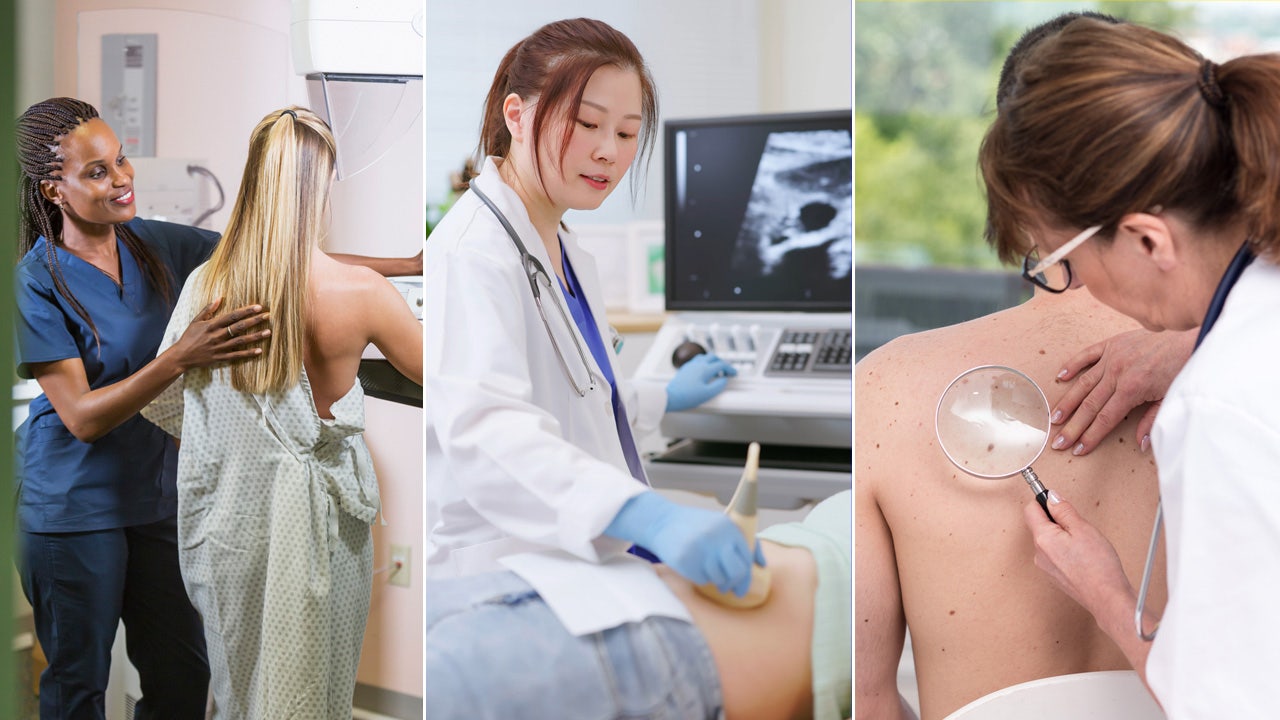
Women over 40 should undergo 14 essential health screenings, including mammograms, blood pressure checks, cardiovascular exams, pap smears, eye and ear exams, colonoscopies, bone density tests, immunizations, diabetes screenings, hormone checks, lipid panels, skin checks, mental health screenings, and thyroid exams to detect and prevent serious health issues early.
The article emphasizes the importance of men prioritizing their health by undergoing 12 essential screenings such as blood pressure, cholesterol, blood sugar, cancer screenings, and mental health checks, starting from specific ages to detect diseases early and improve health outcomes.
CBS News HealthWatch has compiled a series of guides outlining preventative health screenings for each decade, from the 20s to the 60s, including basic vaccinations, STI screenings, mammograms, colorectal cancer screening, heart health checks, lung cancer and prostate cancer screenings, vaccines, and booster shots, based on guidelines from health organizations and experts for people at average risk. Following these guidelines can help detect diseases early for better odds of successful treatment.
Dr. John Oertle, chief medical director at Envita Medical Centers, shared a list of 10 hidden carcinogens and their associated cancer risks, including tobacco, organochlorines, polycyclic aromatic hydrocarbons, volatile organic compounds, UV radiation, radon, asbestos, cadmium, chromium, and nickel. These carcinogens are found in various sources such as pesticides, cigarette smoke, industrial products, and minerals. In addition to being aware of these carcinogens and limiting exposure, it's important to take steps to prevent inflammation to reduce the risk of cancer, according to Dr. Brett Osborn, a Florida neurologist and owner of Senolytix.
Experts recommend scheduling various health screenings for 2024, including mammography for breast cancer, colonoscopy for colorectal cancer, skin cancer screenings, heart health screenings, sleep health screenings, cervical cancer screenings, prostate cancer screenings, and retinal exams. These screenings are crucial for early detection and prevention of various diseases, and individuals should work with their doctors to develop personalized screening plans based on their medical history, family history, risk factors, and lifestyle.
Sydney Benton, a 28-year-old recent college graduate, underwent a colonoscopy as a precautionary measure due to ongoing health issues and a family history of colon cancer. The screening revealed a 40mm polyp in her colon, which was successfully removed, preventing the cells from developing into cancer. Sydney's experience has motivated her family to undergo screenings as well, and she encourages others to take a proactive approach to their health by getting screened early.
Full-body MRIs have gained popularity as a means of detecting various medical conditions, but they are expensive and not covered by insurance. Instead, there are more affordable and accessible alternatives for monitoring one's health. Annual physical exams with a primary care physician can help establish a baseline and determine if further testing is necessary. Routine cancer screenings, such as mammograms and pap tests for women, and prostate screenings for men, are important for early detection. Regular bloodwork can provide valuable information about overall health, and spot-specific MRIs can be used to investigate specific symptoms or injuries. Genetic testing may be recommended for individuals with a family history of certain diseases. It is important to consult with a healthcare professional to determine the most appropriate screenings based on individual risk factors and medical history.
The Santa Barbara County Public Health Department is hosting a series of back to school health fairs, offering free health screenings, information on staying healthy, and free or low-cost COVID and MMR immunizations. The fairs are open to all, including those without insurance, and aim to raise awareness of health risks, promote healthy habits, and connect families to medical insurance and resources. The events will feature various partners providing information on their services, food trucks, prizes, and speeches from local officials. The fairs are being held during National Health Center Week.
Walmart is hosting a Wellness Day on May 6th from 10 a.m. to 2 p.m. local time, where customers can receive free health screenings and affordable immunizations at more than 4,600 Walmart pharmacies nationwide. The event aims to encourage families to prioritize their health by providing tools and resources to seek care, improve healthy lifestyles, and maintain successful habits. Walmart pharmacies have hosted Walmart Wellness Days since 2014, contributing more than 5 million free health screenings for customers.