The article highlights the crucial functions of the pancreas and emphasizes the importance of recognizing warning signs such as jaundice, abdominal pain, digestive issues, rapid weight loss, and blood sugar changes to enable early detection of serious conditions like pancreatic cancer and pancreatitis.
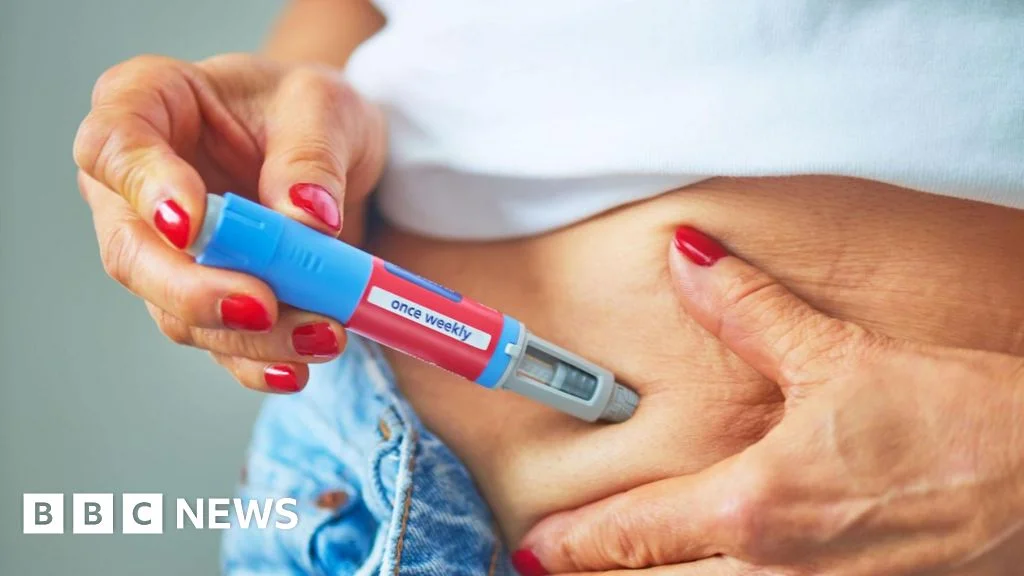
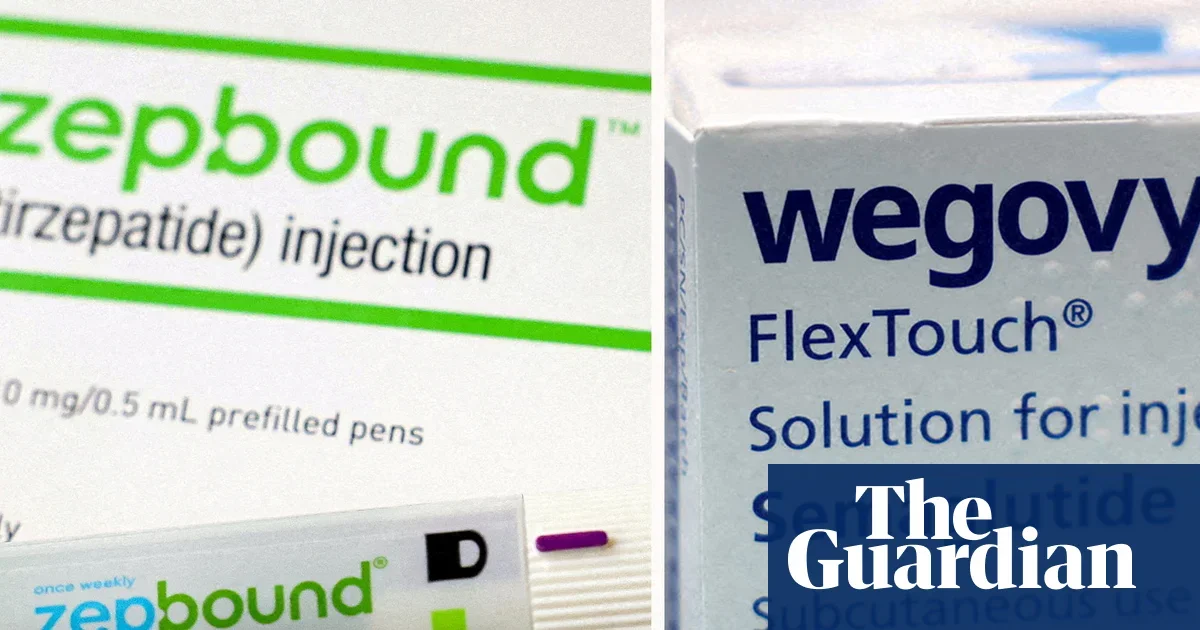
A UK investigation has been launched into potentially fatal side effects of GLP-1 weight loss drugs, such as Mounjaro and Ozempic, after nearly 400 reports of serious pancreatic issues and 10 deaths linked to pancreatitis. While these drugs are effective for weight loss and managing blood sugar, concerns about their safety, particularly regarding pancreatitis, are prompting regulatory scrutiny. Companies like Lilly and Novo Nordisk emphasize ongoing safety monitoring and the benefits of their medications.
A new investigation reveals that GLP-1 drugs like Ozempic may have more serious and potentially deadly side effects, including pancreatitis and fatalities, with genetic factors possibly influencing individual risk, prompting calls for genetic testing to prevent adverse effects.
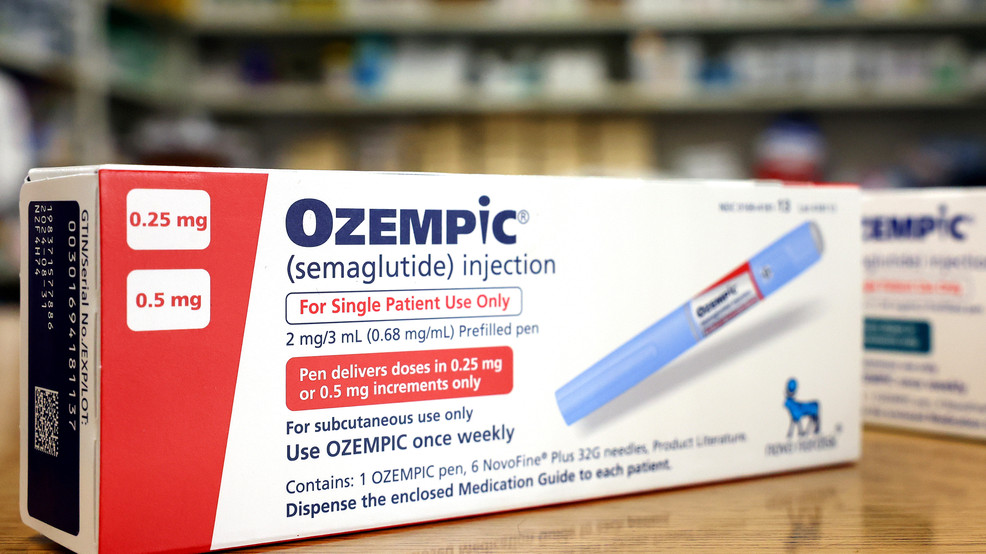
The UK's MHRA is investigating weight loss drugs like Ozempic and Mounjaro after linking them to nearly 300 cases of pancreatitis and at least 10 related deaths, prompting a public reporting campaign and cautious prescribing guidelines, though most experts still consider these drugs safe for the majority.
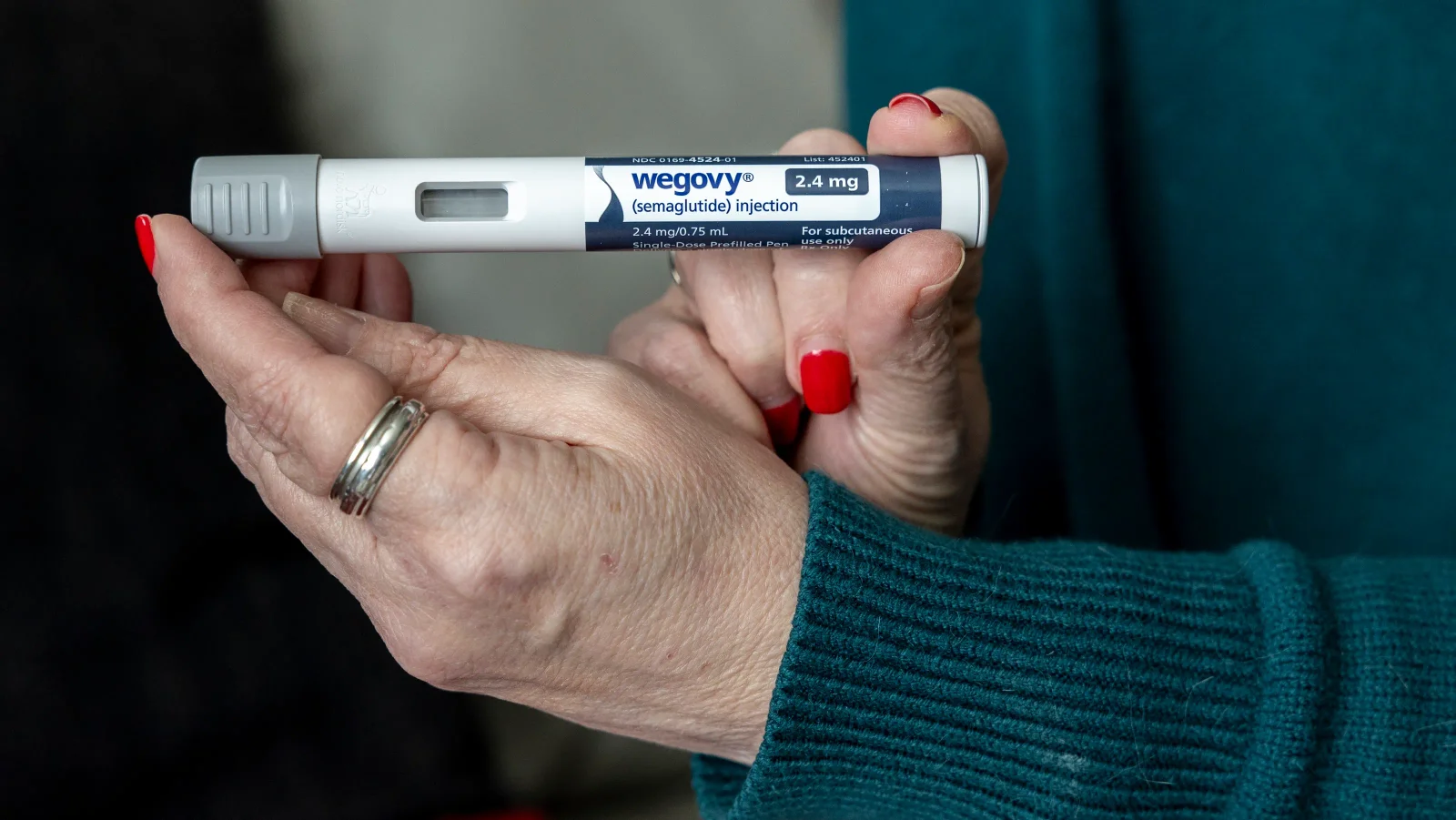
The UK’s MHRA is investigating the risk of pancreatitis linked to GLP-1 weight-loss drugs like Ozempic and Wegovy, with a new study collecting genetic data to identify individuals at higher risk and prevent serious side effects through personalized medicine.
A study has been launched to investigate serious side effects, including pancreatitis, linked to weight loss drugs like Mounjaro, Ozempic, and Wegovy, after reports of hospitalizations and deaths. The research aims to identify genetic risk factors to improve safety and reduce adverse reactions, with data collection through the MHRA's Yellow Card scheme and saliva samples from affected patients.
A healthy 29-year-old man died weeks after developing acute pancreatitis, likely caused by alcohol consumption, highlighting the deadly risks associated with binge drinking and the rising alcohol-related death rates in the UK.
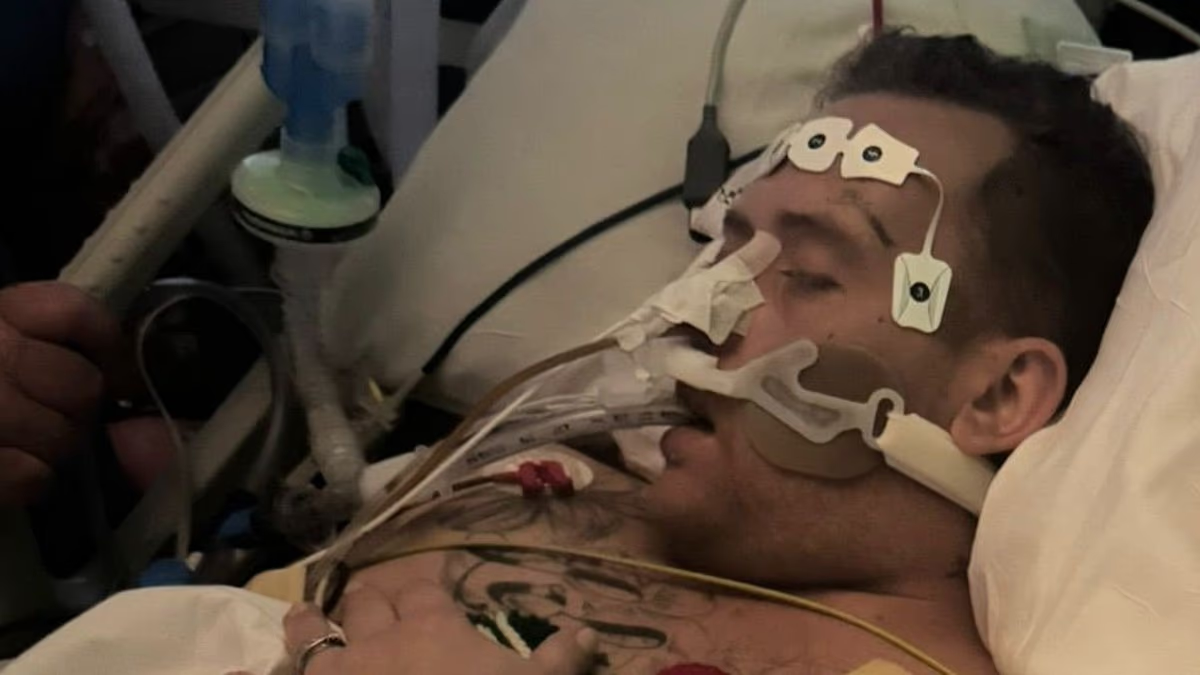
A 29-year-old man, Dylan Wakefield, died weeks after suffering from severe acute pancreatitis, which initially presented as stomach pain. Despite multiple hospitalizations and a brief recovery, his condition worsened, leading to his death. His family and friends are mourning his loss and seeking support for funeral expenses.
Sam Lewis, a 38-year-old mother from Bournemouth, was nearly killed by a necrotizing pancreatitis caused by a gallstone blocking her bile duct. Initially misdiagnosed, her condition rapidly worsened, leading to a six-month hospital stay, during which she underwent surgery to remove half of her pancreas. Now living with chronic pancreatitis, Sam must adhere to a strict low-fat diet to prevent flare-ups, significantly altering her lifestyle and diet. Despite her challenges, she remains hopeful about enjoying future holidays.
The death of a Scottish nurse after using the weight-loss drug tirzepatide, known as Mounjaro, has raised concerns about the safety of GLP-1 injections, which are increasingly used for obesity treatment. While generally considered safe, these drugs can cause severe side effects like pancreatitis, especially in individuals with certain risk factors such as obesity, diabetes, or a history of alcohol use. Experts advise careful monitoring and caution against purchasing these drugs from online pharmacies, which may not provide adequate medical oversight. Proper diet and medical supervision are crucial for minimizing risks.
Leading doctor Dr. Mark Hyman has warned about the potentially deadly side effects of the weight-loss drug Ozempic, including a 900 percent increased risk of pancreatitis and a 450 percent increased risk of bowel obstruction. The drug, which is given via injection, has been linked to over 100 deaths in the US and can cost up to $1,700 a month. While effective in weight loss, Dr. Hyman cautioned that it comes with significant medical and financial costs, and may require lifelong use to maintain results.
New research from the University of British Columbia has found a link between the use of GLP-1 agonists, such as Ozempic and Wegovy, and an increased risk of stomach paralysis, pancreatitis, and bowel obstruction. GLP-1 agonists are a class of drugs commonly used for weight loss. Previous studies have also shown potential side effects of these medications, including nausea, vomiting, diarrhea, and headache. The recent research analyzed health insurance claim records of over 16 million people in the United States and found that those who took GLP-1 agonists had a significantly higher risk of developing gastrointestinal conditions compared to those who took a different weight loss medication. Experts emphasize the importance of informed patient consent and further research to fully understand the risks associated with these medications.
New research from the University of British Columbia has found a link between the use of GLP-1 agonists, such as Ozempic and Wegovy, and an increased risk of stomach paralysis, pancreatitis, and bowel obstruction. GLP-1 agonists, commonly used to manage type 2 diabetes, have gained attention for their potential in weight loss. However, these medications also come with side effects, including nausea, vomiting, diarrhea, and headache. The study analyzed health insurance claim records of 16 million people in the US and found that those who took GLP-1 agonists had a higher risk of developing pancreatitis, bowel obstruction, and gastroparesis compared to those who took a different weight loss medication. It is important for patients to be fully informed about the potential adverse events associated with GLP-1 agonists.
GLP-1 drugs, such as Ozempic and Wegovy, commonly used for weight loss, have been associated with gastrointestinal (GI) side effects. New research indicates that patients using these drugs may be at an increased risk for more serious GI issues, including intestinal blockage and pancreatitis. While these complications are rare, doctors emphasize the importance of patients reporting any side effects and continuing to follow up with healthcare professionals. The study found that patients prescribed GLP-1 drugs had significantly higher risks of pancreatitis, intestinal obstruction, and gastroparesis compared to those taking a non-GLP-1 drug for weight loss. The FDA has updated the labeling for Ozempic to include a warning about intestinal blockage, and reports of gastroparesis have also emerged. Experts stress the need for further research and close monitoring of patients using GLP-1 drugs.
A study from the University of British Columbia has found that weight-loss drugs known as GLP-1 agonists, including popular brands like Wegovy and Saxenda, are associated with increased risks of stomach paralysis, pancreatitis, and bowel obstruction. While these drugs were initially prescribed for managing Type 2 diabetes, they have gained popularity for weight management. The study compared GLP-1 agonists to a drug used for chronic obesity and found significantly higher risks for the former. Although these adverse events are rare, the widespread use of these drugs could potentially lead to hundreds of thousands of people experiencing these conditions. The FDA has recently added warning labels to Ozempic and Wegovy regarding the risk of intestinal blockage.