New Health Foundation data shows middle-class women aged 30–50 are the dominant private-prescription users of weight‑loss injections like Ozempic and Mounjaro, prompting debate over affordability, ethics, and long-term health effects as researchers highlight side effects and a growing class divide in obesity treatment.
Scientists at the University of Exeter have developed a new, more accurate method to estimate arm blood pressure from ankle measurements, which could improve diagnosis and treatment for individuals unable to have their blood pressure measured traditionally, potentially preventing thousands of misdiagnoses annually worldwide.
A national audit reveals significant disparities in prostate cancer diagnosis in England, with wealthier men and certain ethnic groups, such as Black men, being diagnosed more frequently and earlier. Campaigners advocate for targeted screening programs to address these inequalities, despite NHS advisories likely rejecting routine screening due to concerns over accuracy and overtreatment. The upcoming decision by the UK National Screening Committee will be crucial in shaping future prostate cancer detection strategies.
A global study published in The Lancet reveals that the number of people with diabetes has doubled over the past 30 years, reaching over 800 million worldwide, with significant increases in low and middle-income countries. The study highlights health inequalities, with more than half of diabetes cases concentrated in India, China, the US, and Pakistan. Despite available treatments, many in low-income regions lack access, exacerbating health disparities. Experts call for policies promoting healthy diets and exercise to curb the diabetes epidemic, which is linked to rising obesity and an aging population.
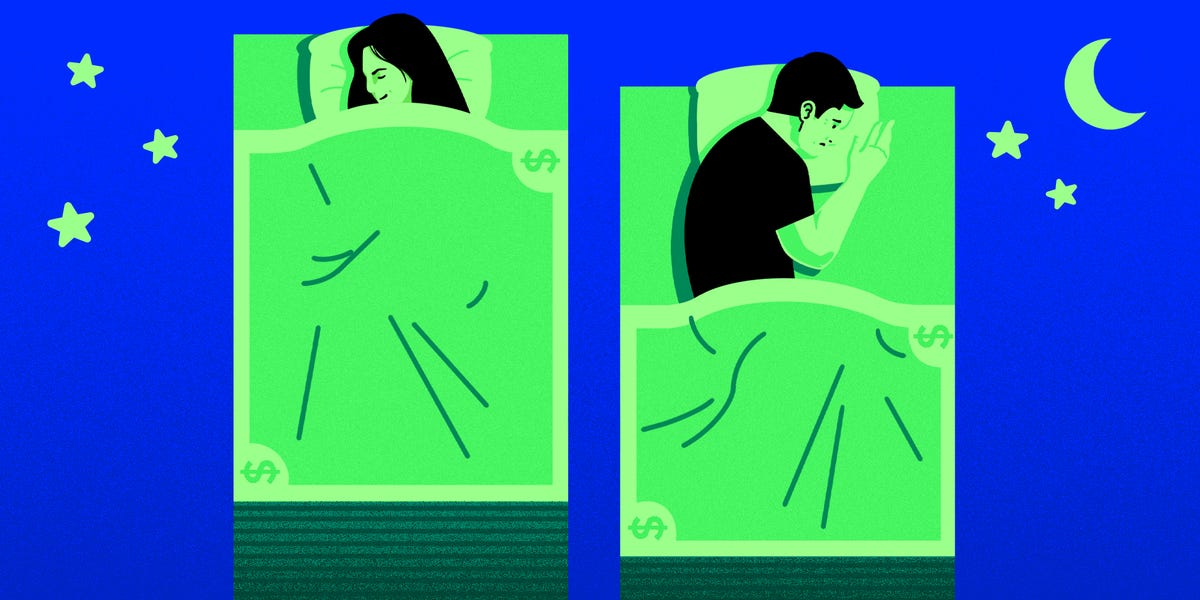
Despite the glorification of minimal sleep in hustle culture, scientific evidence shows that everyone needs 7-9 hours of sleep for optimal functioning. Economic stress, poor health, and mental health issues are major contributors to sleep deprivation, particularly in low-income, rural areas. Structural changes like better healthcare access and income-support programs are needed to address the root causes of sleep inequality, rather than relying on individual sleep hacks.
A new study published in The Lancet predicts a significant increase in global life expectancy by 2050, driven by effective public health strategies and a shift from communicable to non-communicable diseases. The study forecasts a rise of 4.9 years for males and 4.2 years for females, with the largest gains in countries with currently lower life expectancies. Despite longer lives, more years will be spent in poor health due to non-communicable diseases and associated risk factors like obesity and high blood pressure. The study emphasizes the need for policy interventions to mitigate these risks and reduce health disparities.
A study from the University of Cambridge found that restaurants and takeaways with the unhealthiest menus are more likely to be located in deprived areas, while tourist hotspots have the healthiest food outlets. The research, which examined menus from almost 55,000 food outlets, revealed a clear link between menu healthiness and levels of deprivation. The study also highlighted the "double burden" faced by people in deprived areas, where they have more food outlets but also less healthy options. This contributes to health inequalities in the UK, particularly for individuals in lower socioeconomic positions.
The World Health Organization (WHO) has launched a new database, the Health Inequality Data Repository, which allows users to compare how people of differing incomes, ages, genders, and rural-versus-urban settings compare on more than 2,000 measures of health. The database features 11 million data points pulled from 15 global statistics sources. However, health officials at the press conference mainly stressed how much information was still missing from it. The point of the database is not merely to track the extent of health inequality across countries but to galvanize efforts to address it.
The World Health Organization (WHO) has launched the Health Inequality Data Repository, which is the most comprehensive global collection of publicly available disaggregated data and evidence on population health and its determinants. The repository includes nearly 11 million data points and consists of 59 datasets from over 15 sources, covering topics such as COVID-19, reproductive, maternal and child health, immunization, HIV, tuberculosis, malaria, nutrition, health care, non-communicable diseases, and environmental health. The data reveal important inequality patterns and WHO is calling on countries to adopt routine health inequality monitoring, make disaggregated data publicly available, expand data collection, and increase capacity for analysis and reporting.