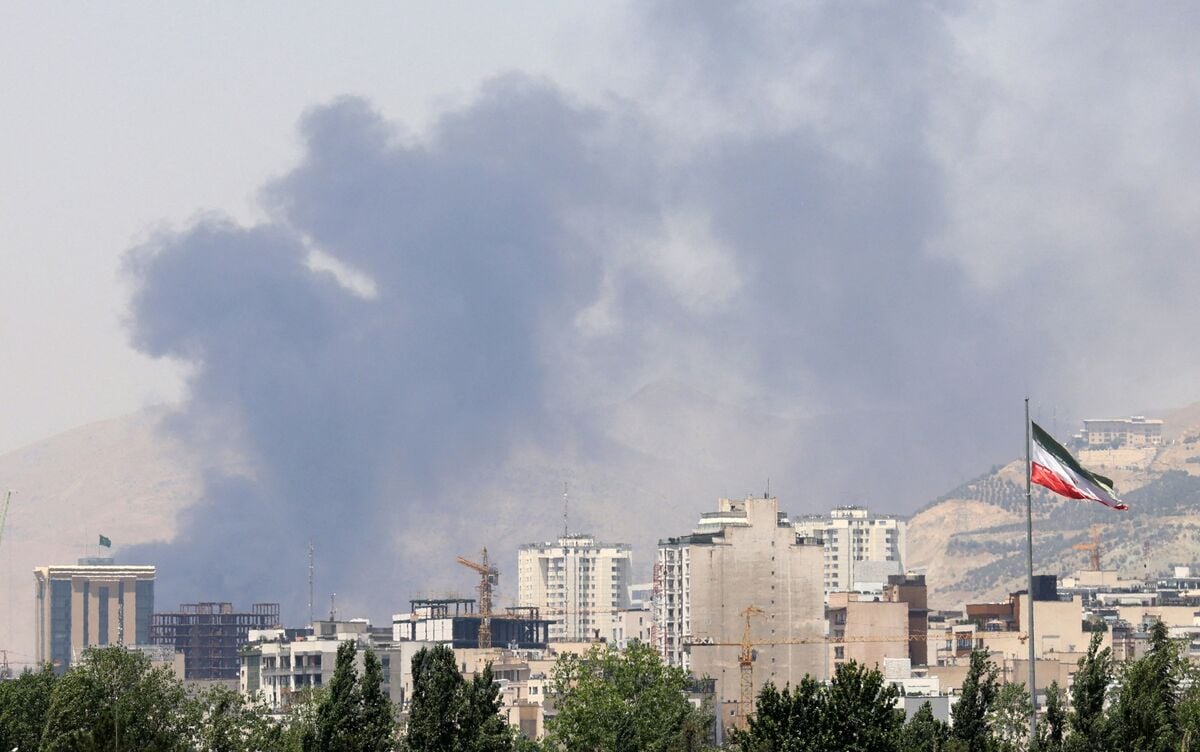
As the U.S. mobilizes toward possible strikes on Iran, Gulf security partners fear Tehran’s retaliation and broader chaos, pressuring Washington to pursue diplomacy; analysts warn that even a limited war could threaten Gulf bases and the Strait of Hormuz, spike oil prices, trigger refugee flows, and reshape regional power dynamics, including Israel’s leverage.
Gulf Arab states warn that a U.S. strike on Iran could provoke counterattacks that disrupt oil exports and roil global markets, even as Friday’s talks move toward Oman and diplomacy continues with Kushner and special envoy Witkoff. While some cautious optimism exists, Iran is unlikely to surrender its nuclear rights or ballistic missiles, complicating a possible deal and underscoring the risk of a broader regional conflict.
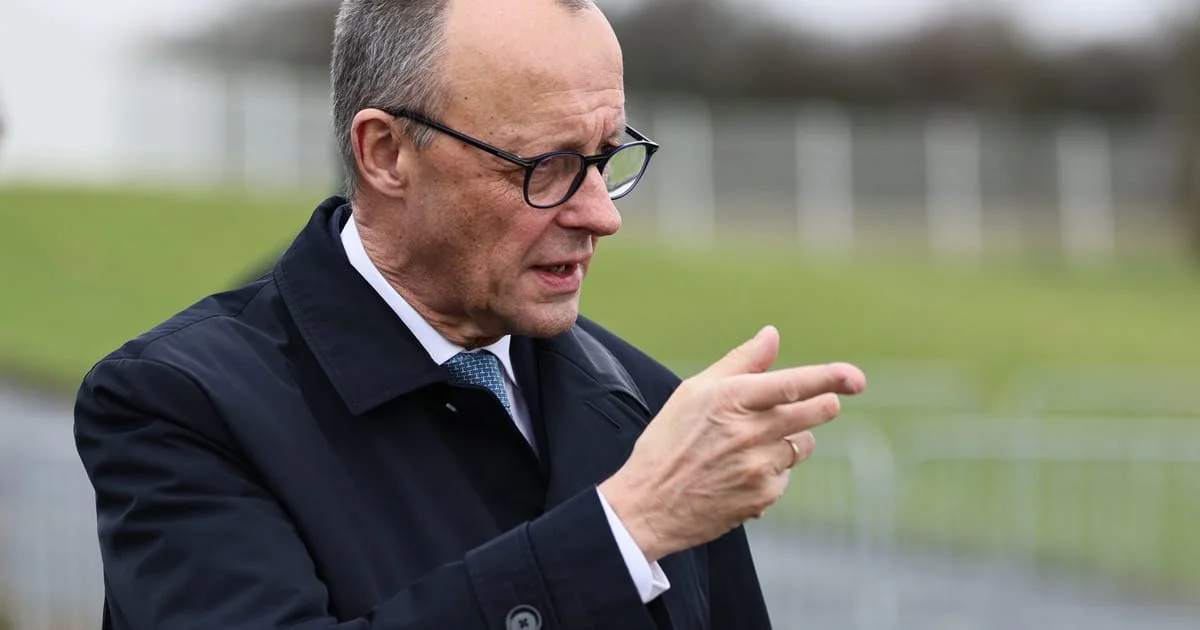
Chancellor‑designate Friedrich Merz travels to Saudi Arabia, Qatar and the UAE to broaden energy and trade ties, aiming to cut Germany’s growing reliance on US LNG and on China, while pursuing investment and defense partnerships as part of a broader pivot to Middle East partners in a new era of great-power politics.
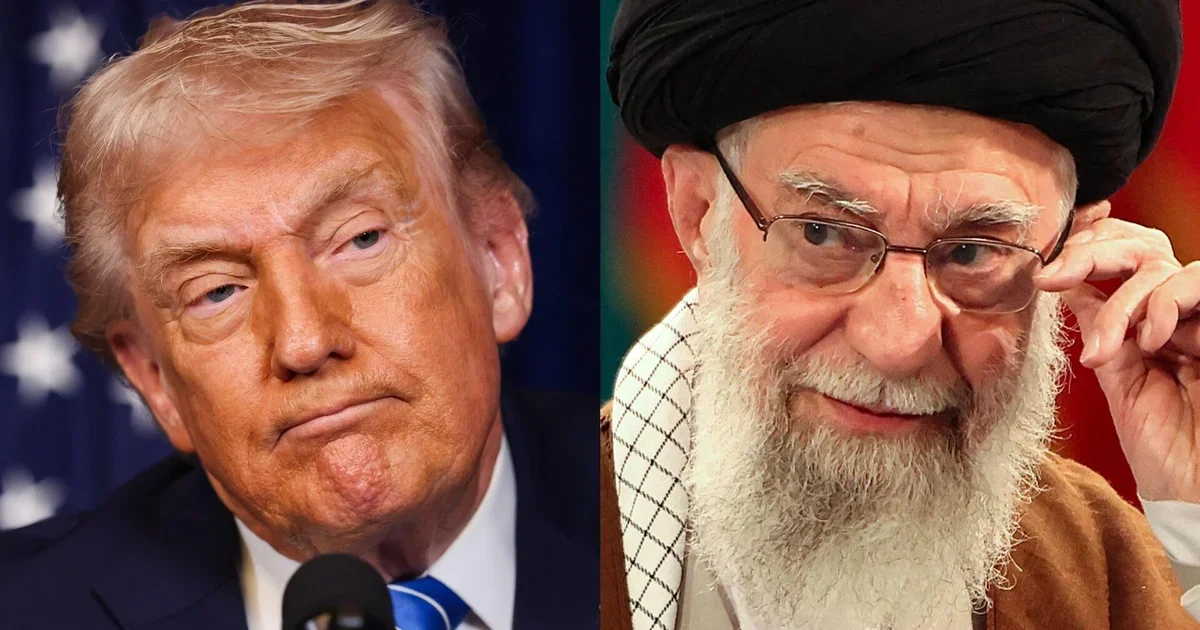
Gulf partners warn that Trump’s hard line and a renewed U.S. naval buildup risk pushing the U.S. toward another strike on Iran, even as they privately urge restraint; Washington has yet to articulate a clear objective, balancing deterrence with diplomacy while a sizable naval force remains in the Gulf and regional leaders press for talks with Tehran.
Saudi Arabia, Qatar, Egypt, and Oman are coordinating a 72-hour diplomatic push to de-escalate tensions between the U.S. and Iran, urging restraint from both sides and warning Iran of consequences for any counterattack, while seeking space for future talks on a nuclear deal and broader regional stability.
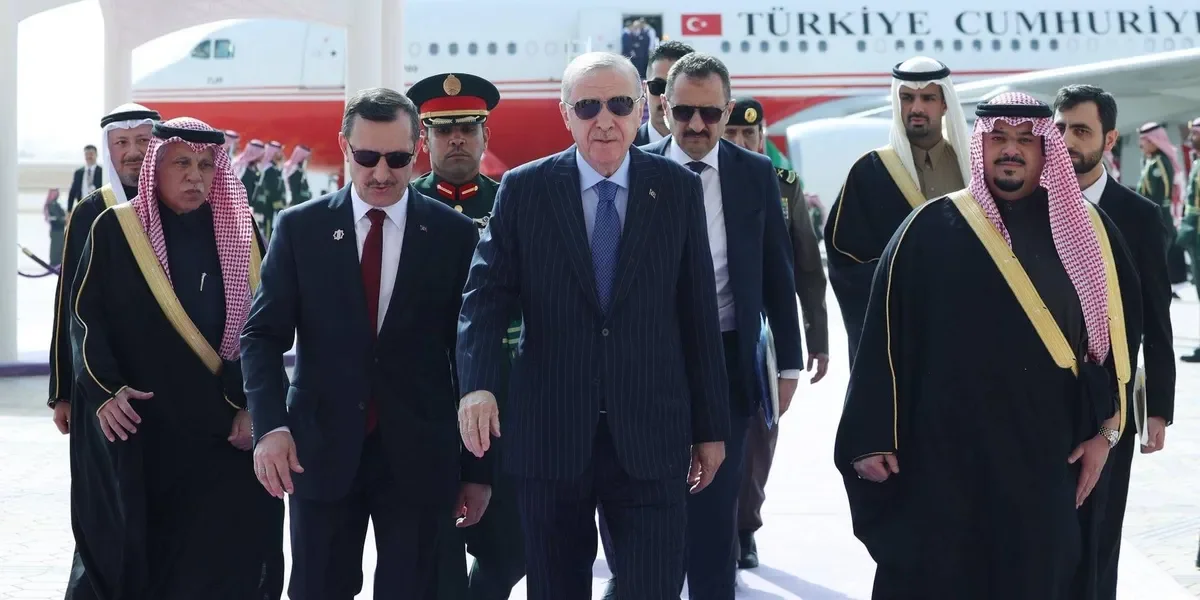
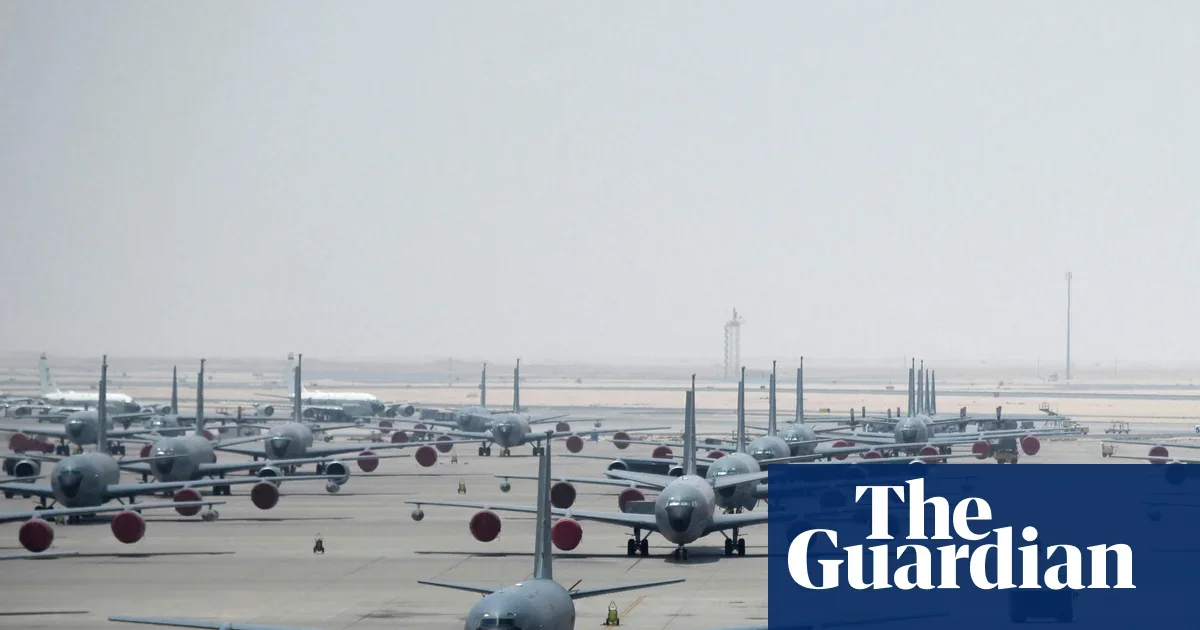
Saudi Arabia, Qatar, Turkey and Oman urged Trump not to strike Iran, warning such an attack could trigger a major regional conflict; Saudi Arabia even denied using its airspace for attacks. Iran’s foreign minister has been courting Gulf leaders to ease tensions, while the US weighs mediation and maintains forces at bases like al-Udeid, highlighting fragile regional diplomacy.
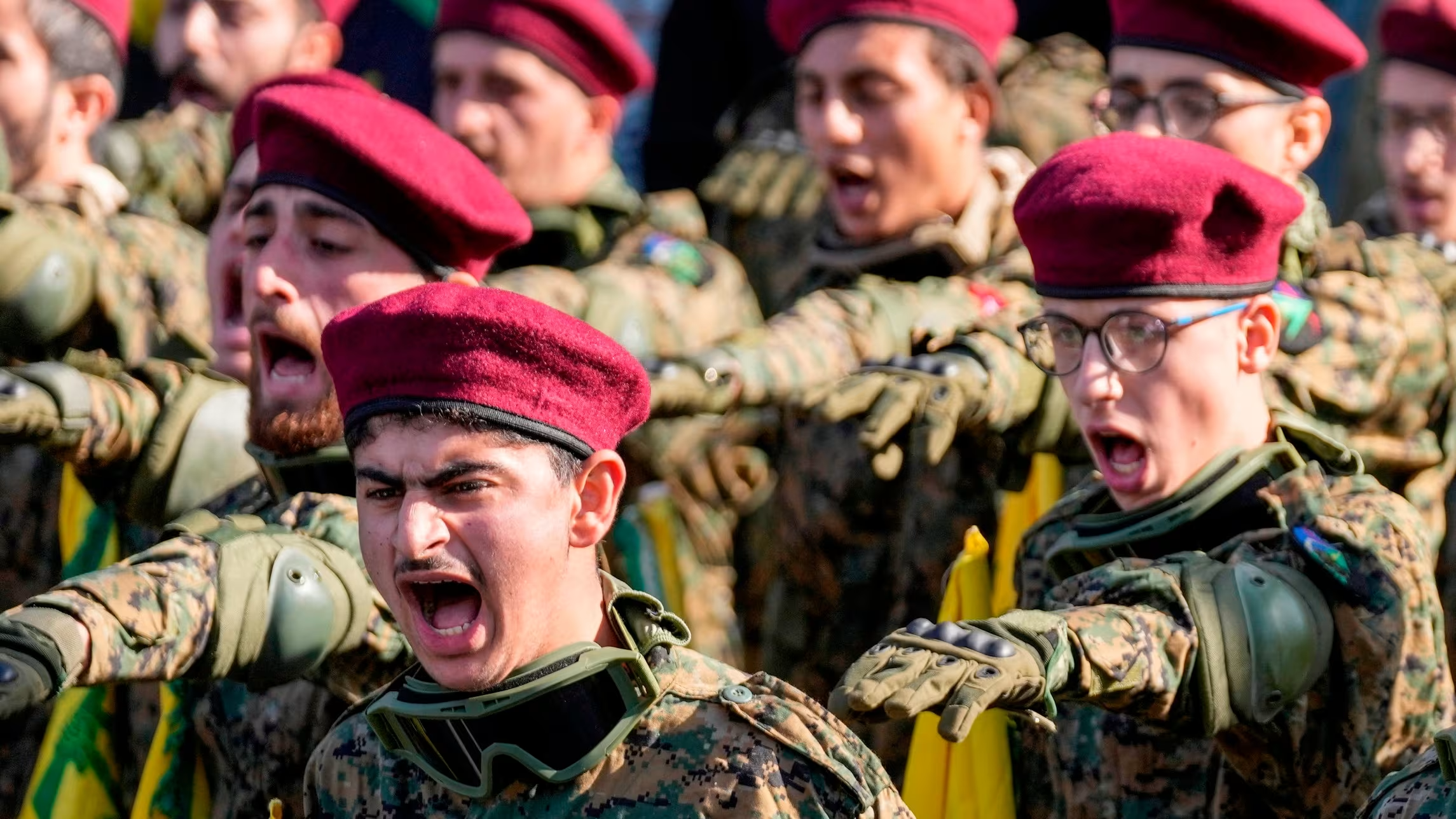
Top US diplomat states that Gulf states are willing to invest in Lebanon if Hizbollah disarms, highlighting a potential shift in regional support contingent on disarmament efforts.
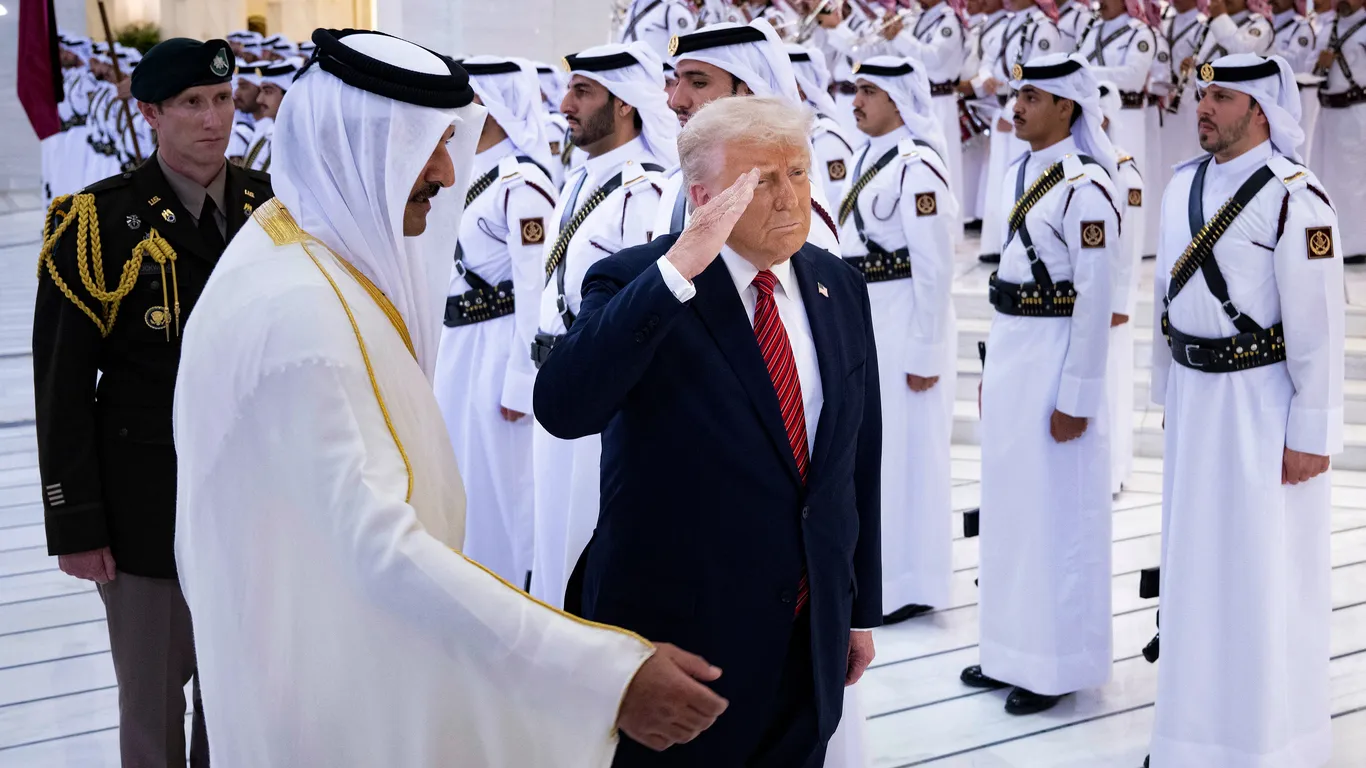
The US's unilateral security guarantee to Qatar has caused regional confusion, jealousy among Gulf states, and questions about burden-sharing, highlighting shifting alliances and strategic dynamics in the Middle East, with implications for NATO and US influence in the region.
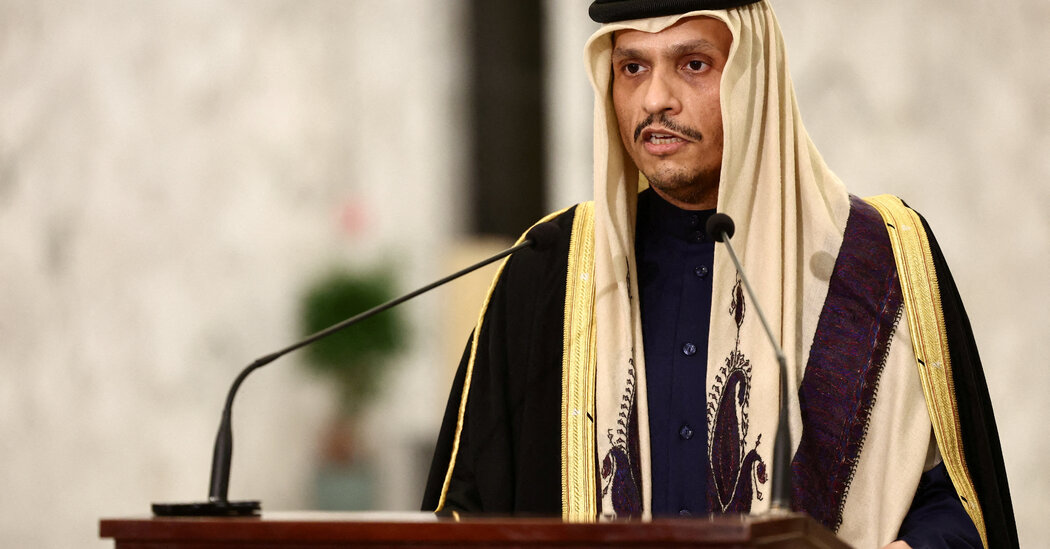
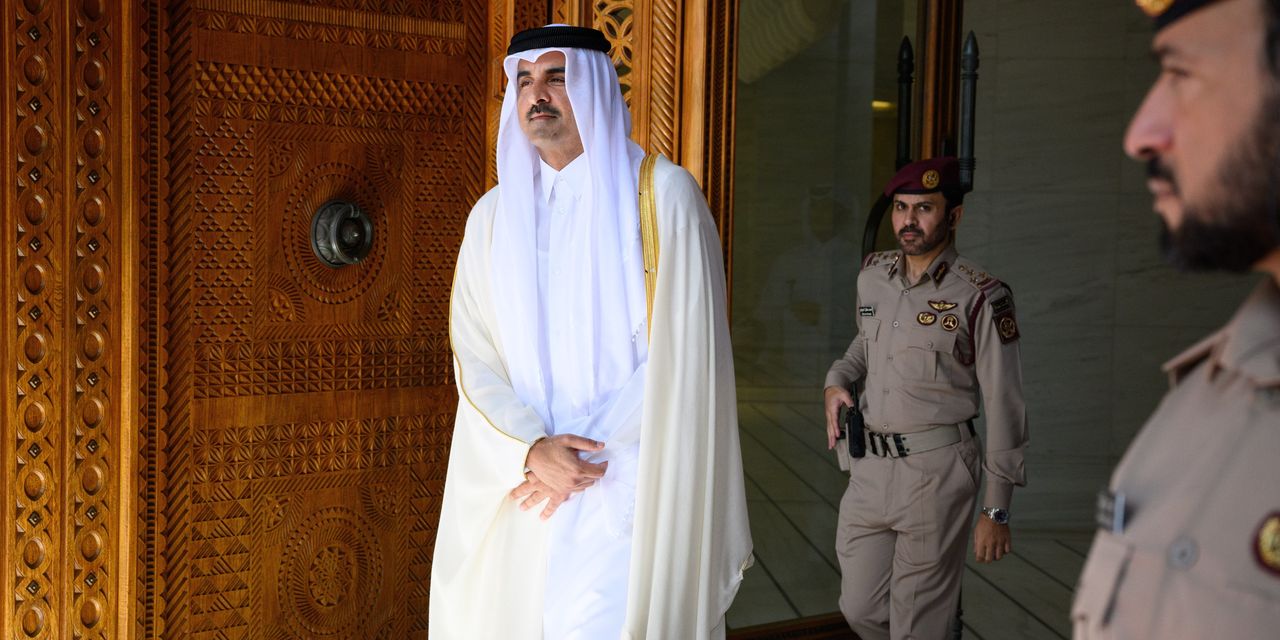
Qatar's Prime Minister Sheikh Mohammed bin Abdulrahman al-Thani is set to meet President Trump in New York following Israeli strikes in Doha, which have heightened tensions in the Persian Gulf. The meeting, part of ongoing Middle East diplomatic efforts, comes amid regional unrest and discussions about defense deals, with Qatar condemning the strikes as 'state terror' and hosting emergency Arab summits.
Iran launched missile attacks on a U.S. military base in Doha, Qatar, in retaliation for U.S. strikes on Iranian nuclear sites, highlighting the Gulf States' vulnerability and their complex security and diplomatic ties with Iran and the U.S.,
Gulf states were caught off guard by Israel's rapid attack on Iran, which escalated tensions and threatened regional stability, with concerns over potential wider conflict, economic impacts, and the future of Iran's regime.
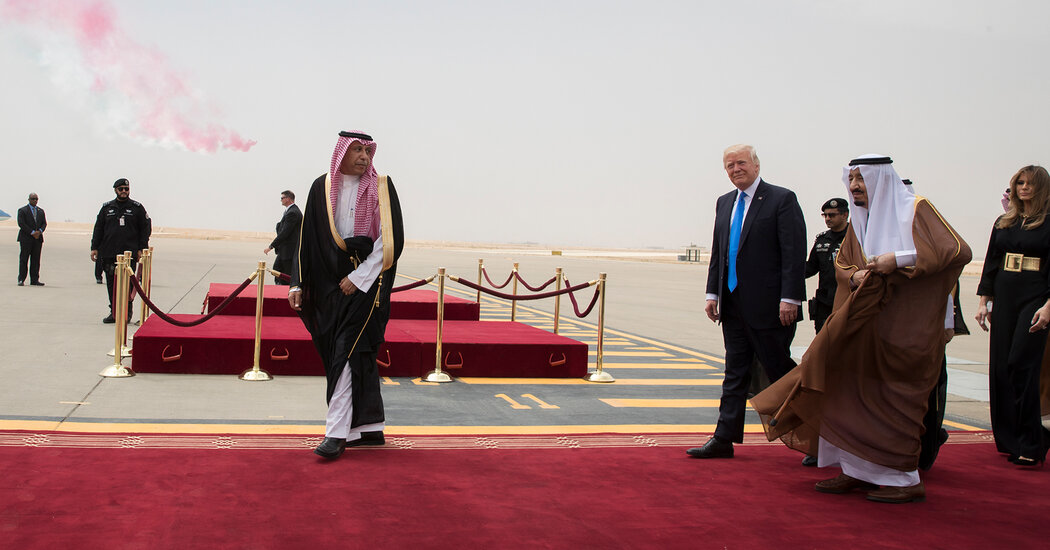
Gulf States view former President Donald Trump as a favorable ally for business and diplomatic relations, appreciating his administration's policies that aligned with their interests in the Middle East.
Despite Qatar's success in mediating global conflicts, its increased lobbying efforts in the U.S. have led to legal troubles for some of its American advocates, as the Gulf state seeks to strengthen its position against larger neighbors like Saudi Arabia and the United Arab Emirates.
Iran has announced that it is lifting visa requirements for 33 countries, including Gulf states such as Saudi Arabia, as part of its efforts to engage with different countries. This decision increases the number of countries whose citizens can visit Iran without a visa to 45. The move is seen as another step towards thawing relations between Iran and Saudi Arabia, which recently agreed to restore full diplomatic relations. The list of countries includes Lebanon, Tunisia, India, several Central Asian and African nations, as well as Croatia. Iranian pilgrims will also begin regular travel to Saudi Arabia for the first time in eight years.
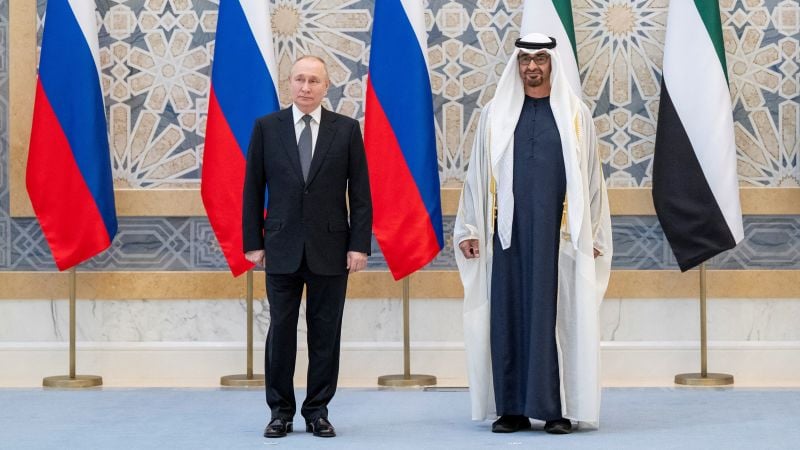
Russian President Vladimir Putin made a rare foreign visit to the United Arab Emirates (UAE), praising the strong relations between the two countries and highlighting the UAE as Russia's main trading partner in the Arab world. This visit comes amidst the ongoing conflict in Ukraine and an arrest warrant issued by the International Criminal Court (ICC) for alleged war crimes committed by Putin. The UAE and Saudi Arabia, where Putin is scheduled to visit next, have not ratified the ICC's Rome Statute and are not obliged to arrest him. The visit aims to strengthen ties with Gulf states and discuss various issues, including oil, trade, the Ukraine conflict, and the Israel-Hamas war. The Gulf states have also played a role in facilitating recent prisoner swaps, including the release of nearly 300 people and the ongoing efforts to secure the release of two US citizens.