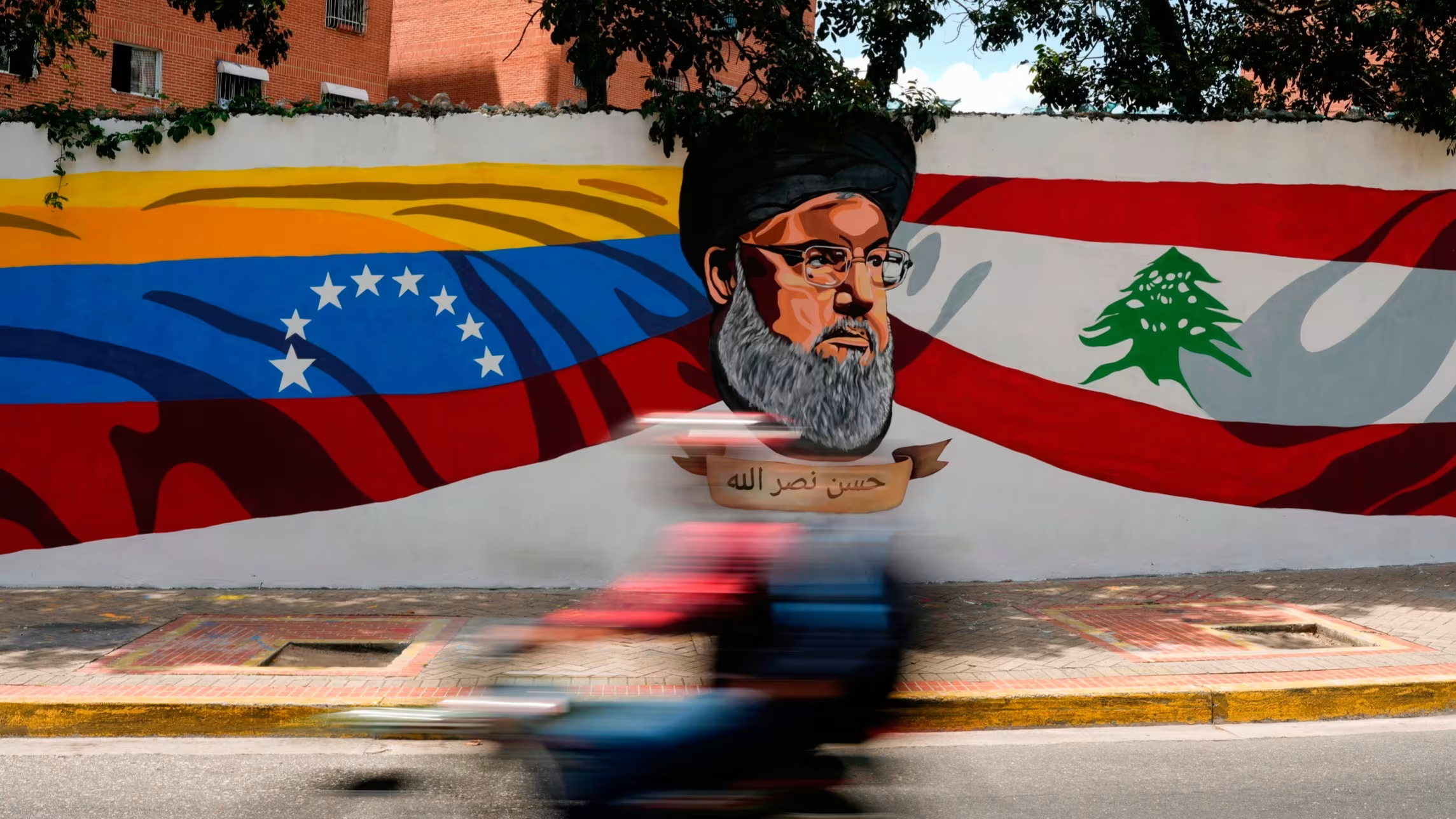
Venezuela's Hezbollah Ties Under Scrutiny Amid US Pressure
The article discusses the alleged connections between Venezuela and Hizbollah, highlighting concerns over terrorism and regional security implications.

All articles tagged with #hizbollah
The article discusses the alleged connections between Venezuela and Hizbollah, highlighting concerns over terrorism and regional security implications.

Lebanon has announced the completion of the first phase of disarmament of Hizbollah, marking a significant step in its security and political landscape.
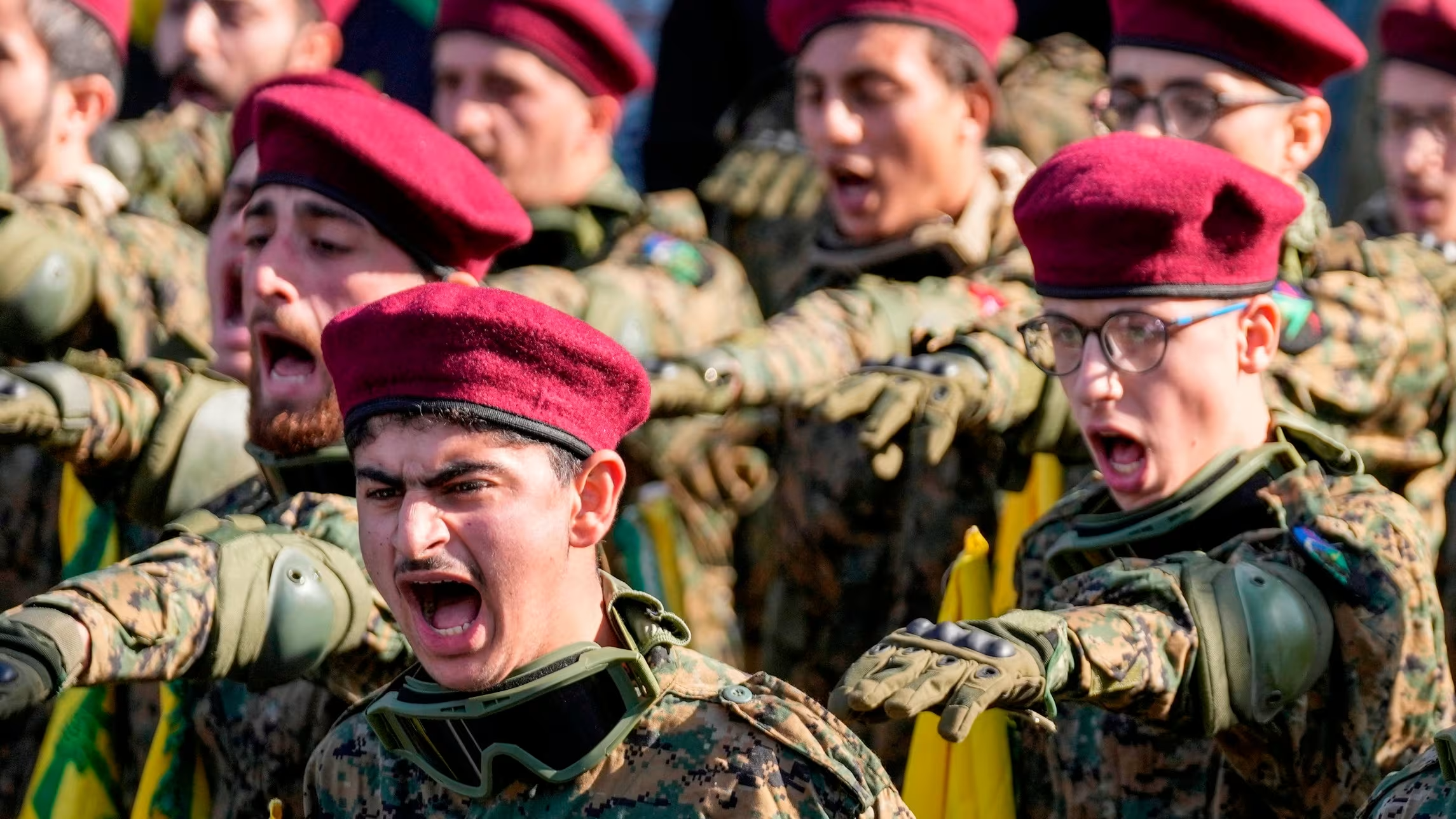
Top US diplomat states that Gulf states are willing to invest in Lebanon if Hizbollah disarms, highlighting a potential shift in regional support contingent on disarmament efforts.
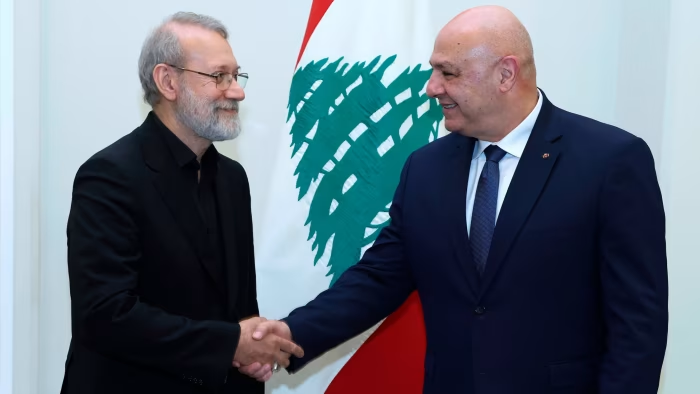
Lebanon’s president warned Iran against interference following Iran’s top security official visit, amid tensions over the disarmament of Hizbollah, a powerful Iran-backed group. Lebanon rejects foreign interference and seeks to maintain sovereignty, while Iran opposes disarmament, supporting Hizbollah’s military role. The situation remains complex, with ongoing negotiations and regional tensions influencing Lebanon’s stability.
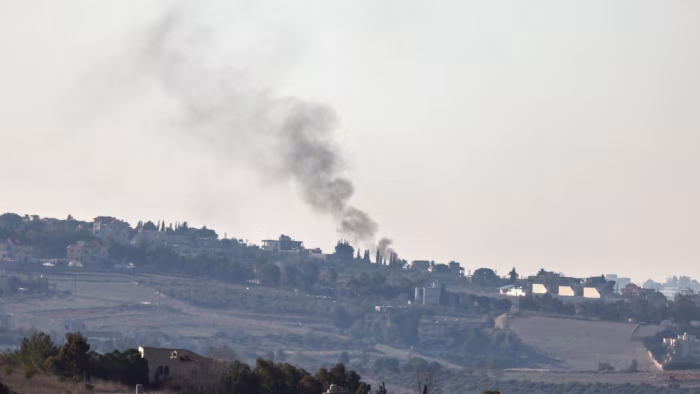
Israeli Prime Minister Benjamin Netanyahu accused Hizbollah of violating a US-brokered ceasefire after the militant group fired rockets at an Israeli position, prompting Israeli air strikes in Lebanon. The ceasefire, which began last Wednesday, is under strain as both sides accuse each other of breaches. The agreement requires Israeli forces to withdraw from Lebanon and Hizbollah to move north of the Litani river. Despite international concerns, including from the US and France, about the ceasefire's fragility, Israel insists on enforcing the deal unilaterally if necessary.
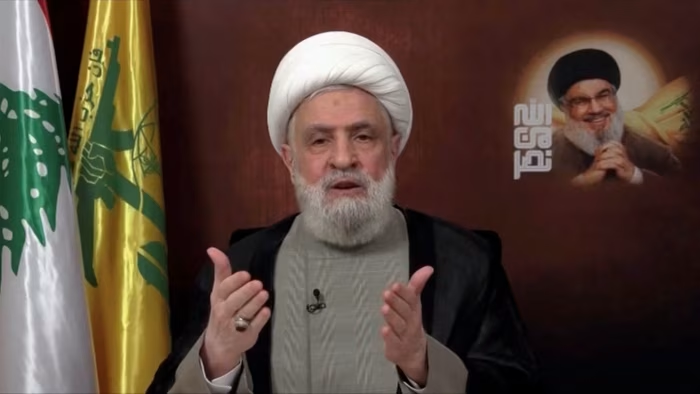
Hizbollah's leader, Naim Qassem, has affirmed the group's commitment to a US-brokered ceasefire with Israel, which involves deploying Lebanon's armed forces to the south, a region considered Hizbollah's stronghold. Despite the ceasefire, tensions remain high with ongoing Israeli airstrikes and warnings to Lebanese residents about returning to certain areas. The ceasefire follows intense cross-border conflict that began after Hamas's attack on Israel in October 2023, resulting in significant casualties and displacement. Both Hizbollah and the Lebanese army are coordinating to implement the truce, although challenges persist in maintaining peace.
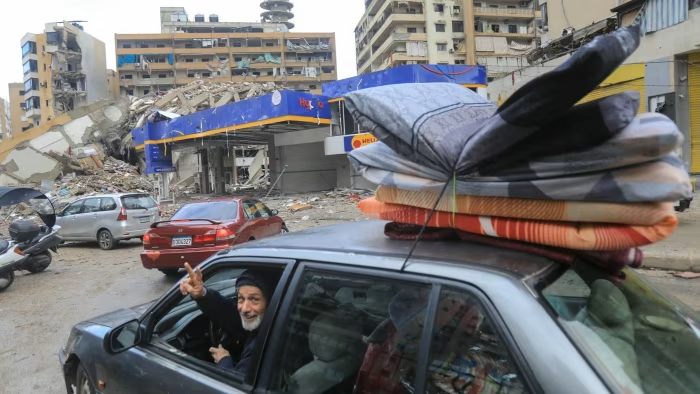
A US-brokered ceasefire between Israel and Hizbollah is holding, allowing hopes for the return of over 1 million displaced Lebanese civilians. The ceasefire, described by US President Joe Biden as a permanent cessation of hostilities, involves the gradual withdrawal of Israeli forces from Lebanon, to be replaced by the Lebanese army. The agreement requires Hizbollah to refrain from rebuilding its infrastructure in southern Lebanon and moving its fighters north of the Litani river. Despite the ceasefire, tensions remain as both Israeli and Lebanese forces urge caution due to potential violations and unexploded ordnance.
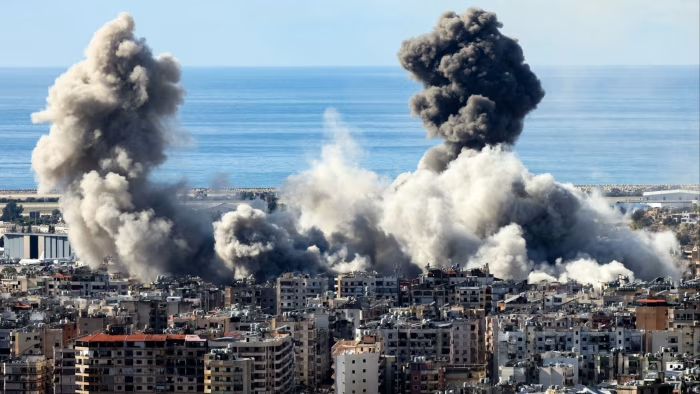
Israeli Prime Minister Benjamin Netanyahu has announced a proposed ceasefire with Hizbollah, aiming to end a year-long conflict between Israel and the Lebanese militant group. The deal, which requires approval from both Israel's cabinet and Lebanon's caretaker government, allows Israel to maintain military action if Hizbollah violates the agreement. The announcement follows intensified Israeli military actions in Lebanon and hopes to conclude one of the bloodiest conflicts in decades, which has resulted in significant casualties and displacement on both sides.
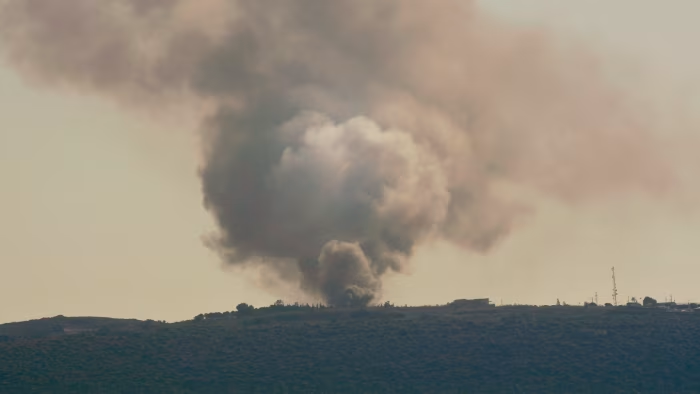
Israeli forces and Hizbollah are engaged in intense fighting around a 12th-century crusader castle in Chamaa, Lebanon, marking one of Israel's deepest advances into the country since its September ground invasion. The conflict has resulted in casualties on both sides, including the death of an Israeli civilian, and has led to damage in the area, including concerns over a religious shrine. The UN's cultural agency UNESCO has placed the Chamaa citadel under enhanced protection. Despite Israeli advances, Hizbollah continues to use insurgent tactics and fire rockets into northern Israel.
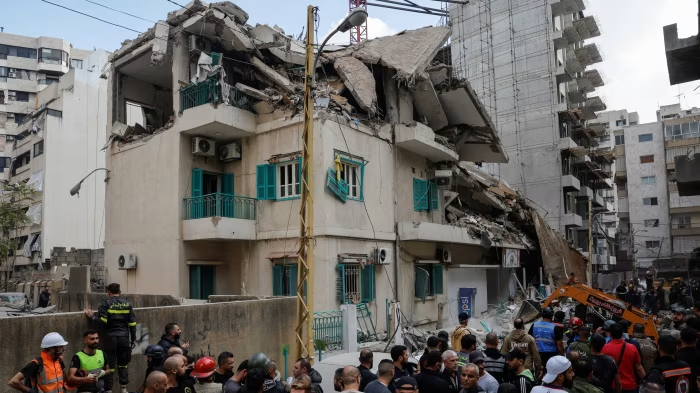
An Israeli air strike in central Beirut killed Hizbollah's media relations chief, Mohammad Afif, amid intensified military actions targeting the group. The strike, which also hit the Arab Socialist Ba’ath party headquarters, is part of Israel's broader offensive against Hizbollah, including media and financial targets. This escalation comes as diplomatic efforts, led by the US, push for a ceasefire based on UN Security Council Resolution 1701. The conflict has resulted in significant casualties and displacement in Lebanon, with ongoing tensions between Israel and Hizbollah.
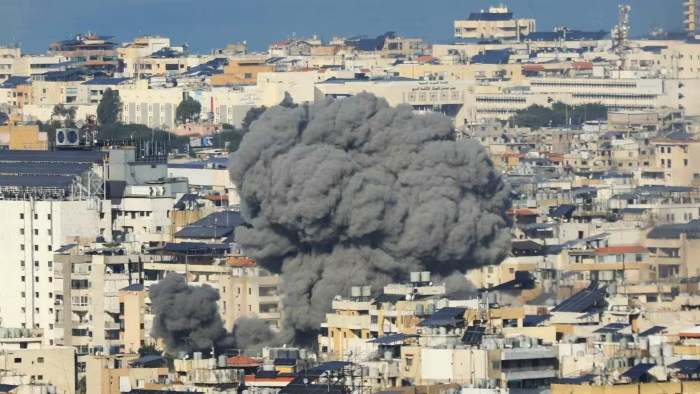
Lebanon is reviewing a US-drafted ceasefire proposal aimed at ending the conflict with Israel and Hizbollah, based on UN Resolution 1701, which calls for Hizbollah's disarmament south of the Litani River and Israeli troop withdrawal from Lebanon. The proposal excludes Israeli military freedom of movement in Lebanon, potentially increasing its acceptability to Beirut. However, skepticism remains high among Lebanese officials, and the proposal's details have not been publicly disclosed. Meanwhile, tensions continue with ongoing Israeli airstrikes and Hizbollah's retaliatory attacks.
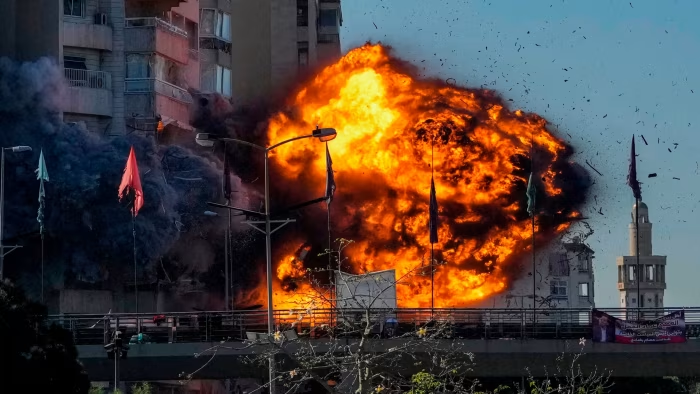
An Israeli air strike destroyed a residential building in Beirut's Tayouneh neighborhood, intensifying the ongoing conflict between Israel and Hizbollah. The attack followed Israel's evacuation warnings in Beirut's southern suburbs, targeting areas with alleged Hizbollah facilities. This escalation comes amid continued fighting along Lebanon's southern border and Israeli air strikes across the country, resulting in over 3,300 deaths. Iran's Ali Larijani visited Beirut to discuss the conflict, while US efforts for a ceasefire face skepticism. Israel also targeted Syrian suburbs, claiming to strike militant sites.
Seventeen people were killed in the deadliest day of the Israel-Hizbollah conflict, as violence escalated between the two sides. The clashes, which included rocket attacks and airstrikes, resulted in casualties on both sides and raised concerns about the potential for further escalation in the already volatile region.
Senior figures from Hizbollah and Hamas were killed in separate incidents, raising concerns about the potential for a wider regional conflict. Tensions have been escalating in the Middle East, with fears of a possible war involving multiple parties.
Hizbollah has launched rocket attacks on Israel as an "initial response" to the killing of a Hamas leader. This escalation marks a significant rise in tensions in the Middle East, with potential implications for broader regional security. The details of the incident, including casualties and the extent of the response from Israel, are not provided in the snippet.