Hamas is leaning towards accepting President Trump's Gaza ceasefire plan, which includes a swift ceasefire, hostage releases, humanitarian aid, and a transitional administration for Gaza, with support from several Middle Eastern nations and the Palestinian Authority, while Israel maintains security control.
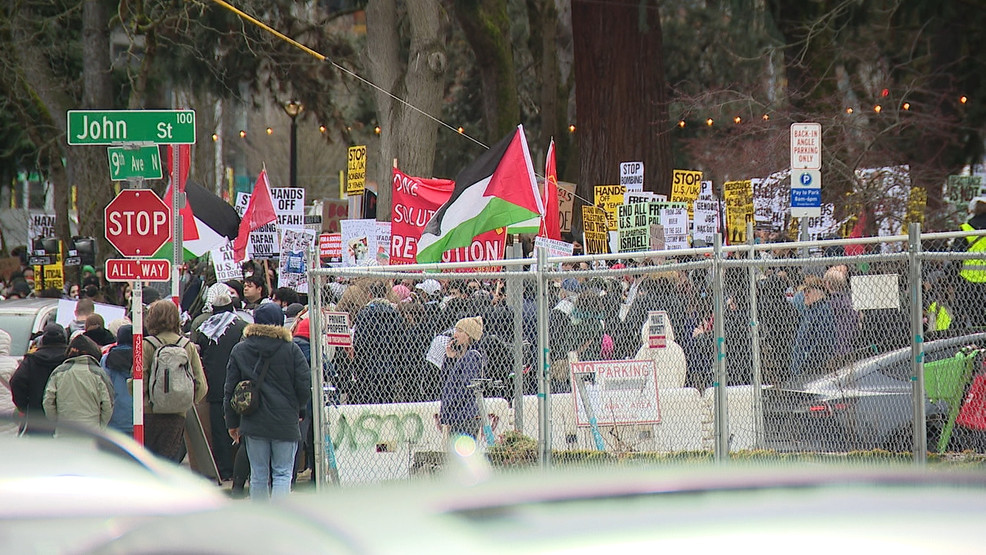
Over 300 pro-Palestinian protestors marched through downtown Seattle, calling for a ceasefire in Gaza and blocking traffic. The demonstration was part of a global day of action to protest an impending Rafah invasion, coinciding with efforts by international mediators to broker a Gaza ceasefire deal before the start of Ramadan. A senior U.S. official stated that Israel has endorsed a proposed ceasefire framework, with the ball now in Hamas' court. Meanwhile, aid efforts are underway, including airdrops of meals into Gaza, amid increasing criticism over the humanitarian crisis in the region.
Despite Qatar's success in mediating global conflicts, its increased lobbying efforts in the U.S. have led to legal troubles for some of its American advocates, as the Gulf state seeks to strengthen its position against larger neighbors like Saudi Arabia and the United Arab Emirates.
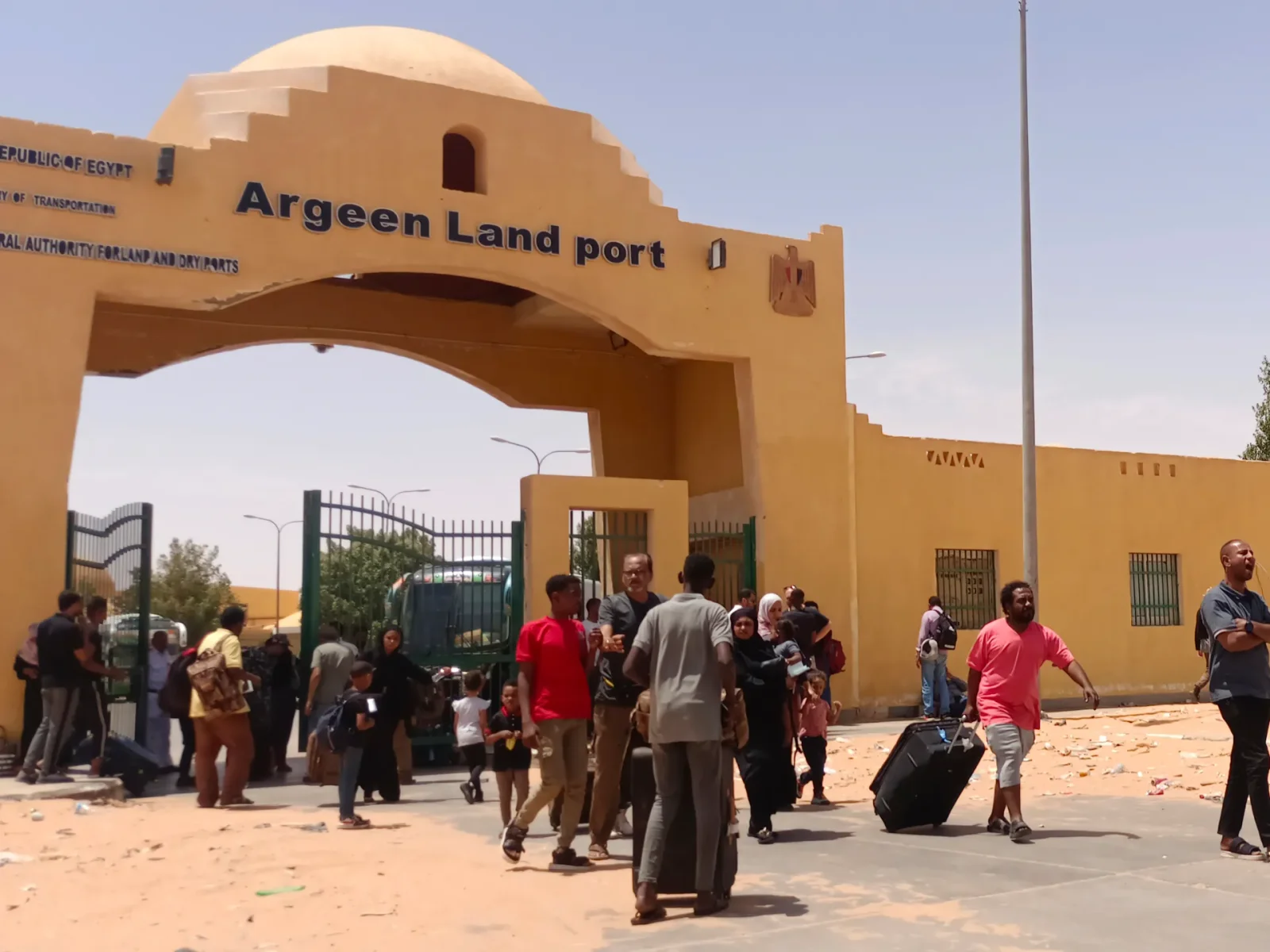
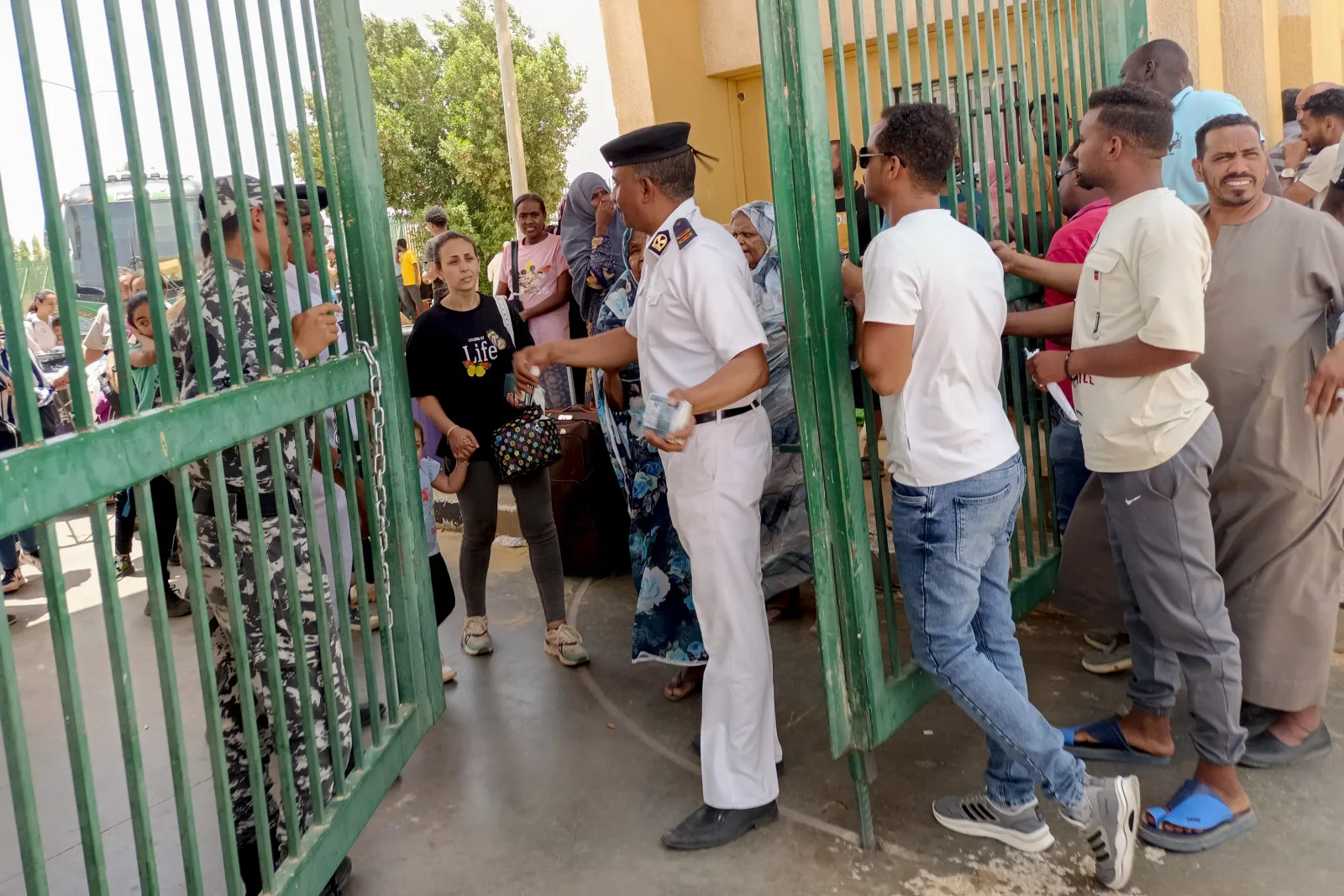
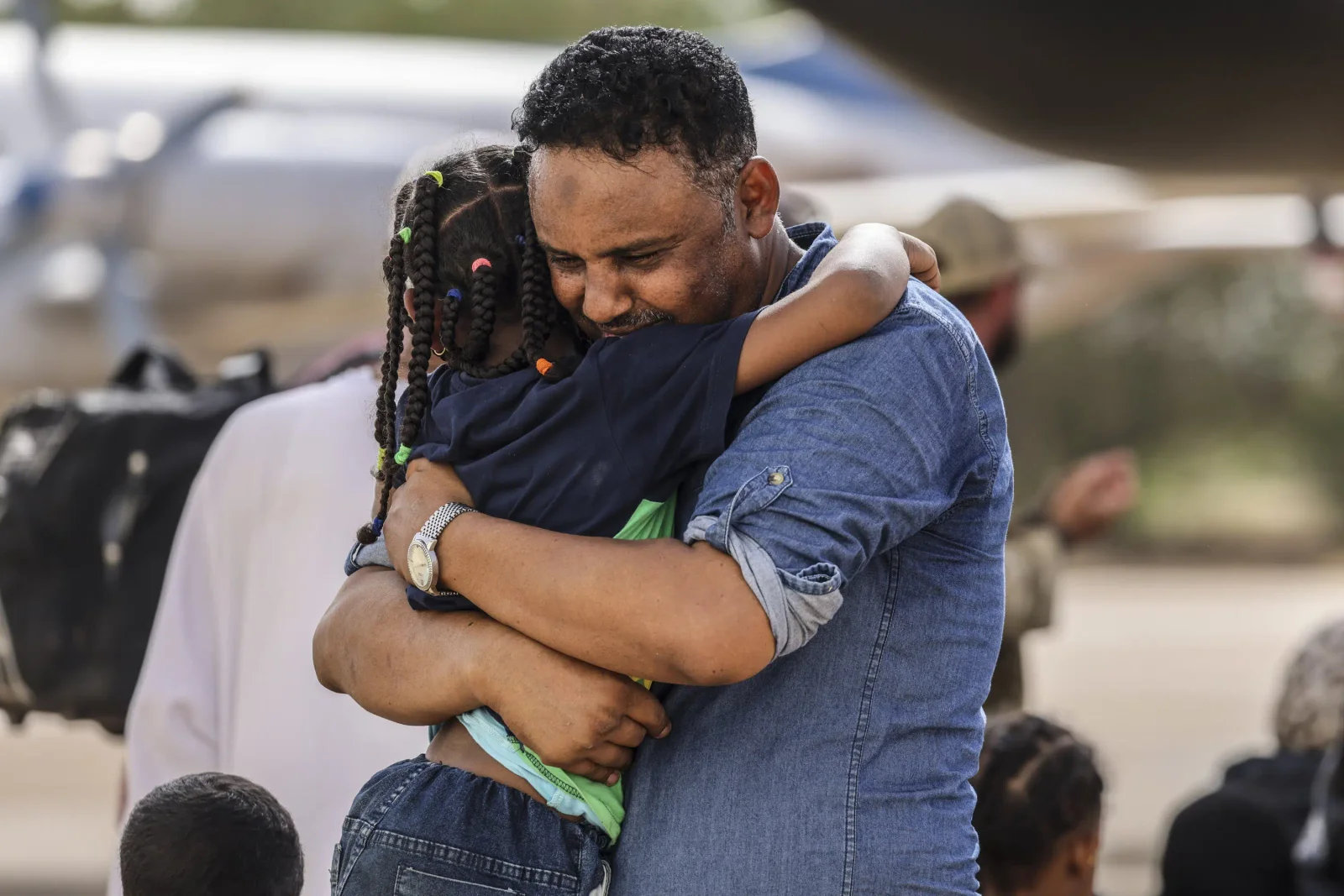
International mediators are pressuring Sudan's rival generals to enter talks to resolve the crisis, but only temporary ceasefires have been achieved so far. Tens of thousands of Sudanese have fled to safer areas, and other countries have evacuated thousands of their citizens. The healthcare system is near collapse, and aid agencies have had to suspend operations and evacuate employees. At least 528 people have been killed since April 15, and the fighting has displaced about 40,000 refugees.
Despite a 72-hour truce extension, heavy explosions and gunfire continued to rock Sudan's capital, Khartoum, and its twin city of Omdurman on Friday. The power struggle between the country's two top generals has killed hundreds and turned the capital into a war zone. International mediators, including African and Arab nations, the U.N., and the U.S., are intensifying their pressure on the rival generals to enter talks on resolving the crisis. Tens of thousands of Sudanese have fled to safer areas, and foreign nations have evacuated thousands of their citizens by land, air, and sea.
Armed fighters continue to rampage through Sudan's war-torn Darfur region despite the extension of a fragile truce between the country's two top generals. The violence in the city of Genena highlights how the generals' fight for control in the capital, Khartoum, is spiraling into violence in other parts of Sudan. The cease-fire has not stopped the fighting but created enough of a lull for tens of thousands of Sudanese to flee to safer areas and for foreign nations to evacuate thousands of their citizens by land, air, and sea. The U.S. State Department released a statement welcoming the cease-fire and the two sides' "readiness to engage in dialogue toward establishing a more durable cessation of hostilities and ensuring unimpeded humanitarian access."