The OECD has significantly downgraded its global and U.S. economic growth forecasts for 2025 and 2026 due to the negative impacts of tariffs, trade barriers, and policy uncertainties, with inflation also expected to rise, though all member countries are still projected to experience some growth.
The International Monetary Fund has upgraded its growth forecasts and offered a more optimistic outlook for the global economy, projecting a 3.1 percent growth for 2024 and a "soft landing." Fears of a global recession have diminished, with inflation expected to ease faster than anticipated. The brighter outlook is largely attributed to the strength of the U.S. economy, which grew 3.1 percent in 2023, despite aggressive rate increases by the Federal Reserve.
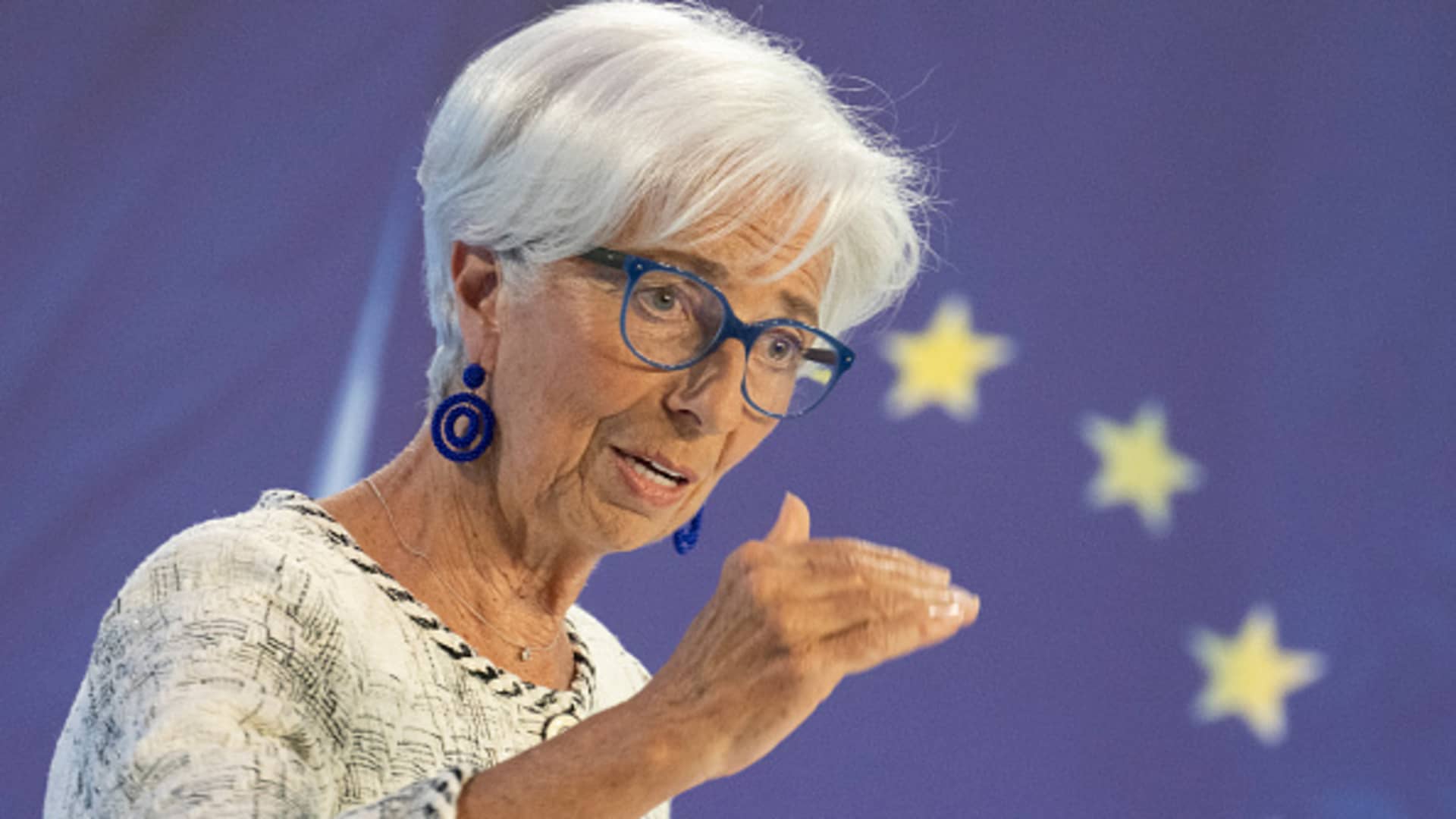
European Central Bank President Christine Lagarde is set to hold a press conference following the bank's decision to keep interest rates unchanged for the second consecutive meeting. The ECB revised its growth forecasts lower, and investors are now looking for signals on when the first rate cut may occur and assessing the bank's plans to reduce its balance sheet.
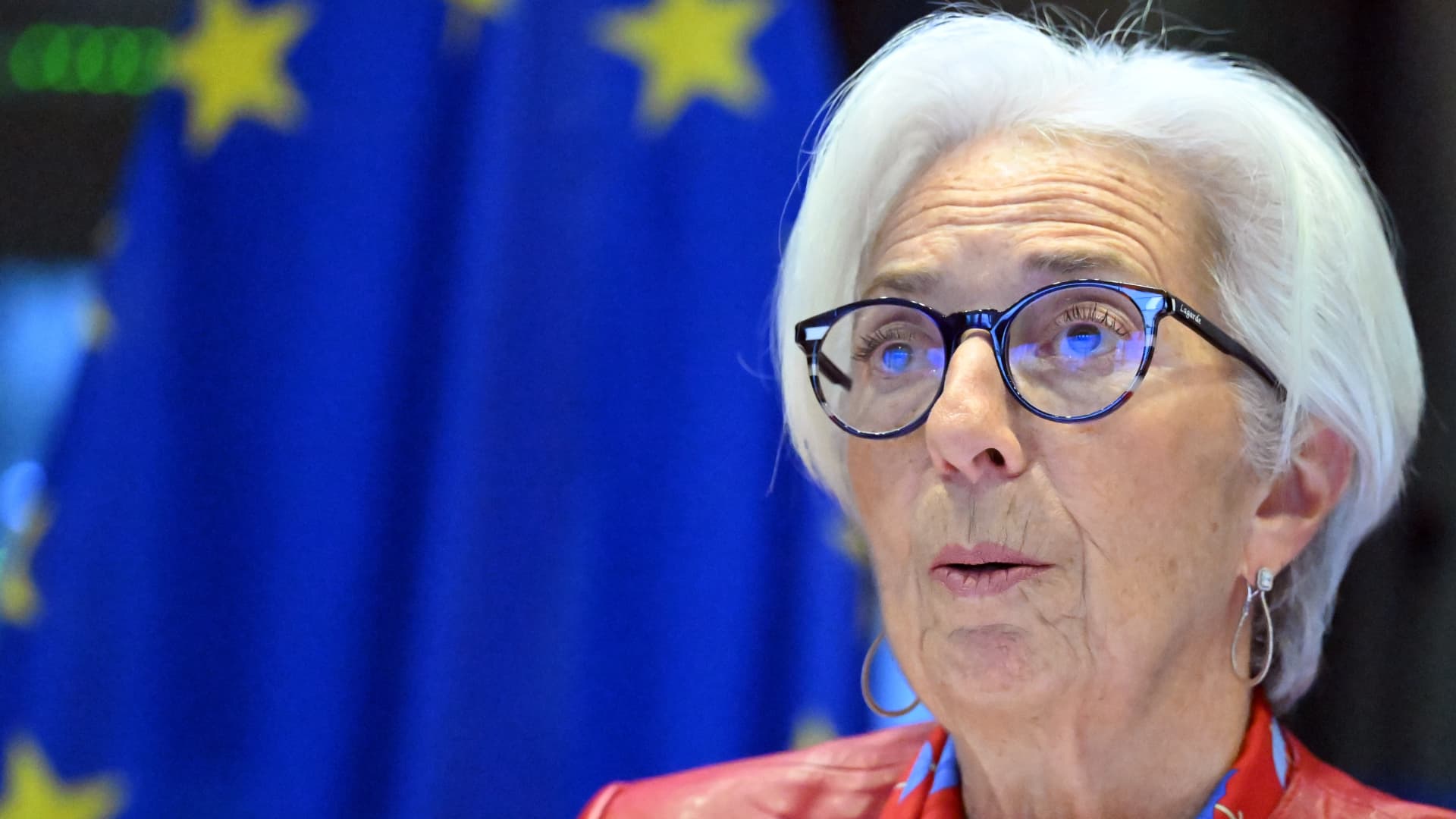
The European Central Bank (ECB) has decided to keep interest rates unchanged for the second consecutive meeting, while revising its growth forecasts lower. The bank's latest projections show a decrease in average real GDP expansion for 2023 and 2024. Headline inflation is expected to moderate, but the ECB remains cautious about potential wage pressures and energy market volatility. The decision has fueled expectations of rate cuts next year, although ECB President Christine Lagarde has emphasized the need to monitor key data sets on wages before considering cuts. European markets reacted positively to the news, following the U.S. Federal Reserve's decision to hold rates steady.
The European Commission has revised down its growth forecasts for the European Union, citing a "challenging year" due to the ongoing COVID-19 pandemic. The Commission now expects the EU economy to grow by 3.7% in 2021, down from its previous forecast of 4.2%. The downward revision reflects the impact of extended lockdown measures and slower-than-expected vaccine rollouts. However, the Commission expects a rebound in 2022, with the EU economy projected to grow by 3.9%.
The Bank of Israel has decided to keep interest rates on hold as it cuts its growth forecasts due to the ongoing conflict in Israel. The central bank had previously projected a growth rate of 6.3% for 2021, but has now revised it down to 5.1%. The decision to maintain interest rates at 0.1% was made in order to support the economy amidst the uncertainty caused by the conflict.
The International Monetary Fund (IMF) predicts a greater chance of a "soft landing" for the global economy, with central banks expected to manage inflation without causing a recession. While growth remains weak and patchy, the IMF expects the world economy to expand by 3% this year, with stronger-than-expected growth in the United States offsetting downgrades to the outlook for China and Europe. However, risks remain tilted to the downside, and the IMF warns of slower and uneven recoveries in Europe and China. The agency also highlights concerns about high inflation becoming a self-fulfilling prophecy and financial stability risks, including the impact of higher interest rates on the banking sector and declines in home prices.
The IMF has warned that a US economic downturn remains "within the realm of possibilities," despite encouraging data to the upside. The IMF had been surprised by the strength of the US labor market and consumer spending, prompting it to revise up its economic growth forecasts for the country. However, the economy remains in a precarious position, with little room for error, and the risks of a hard landing remain. The Federal Reserve's ongoing interest rate hikes could prompt a shift from growth to low or even negative growth, but central banks have so far been striking a good balance.