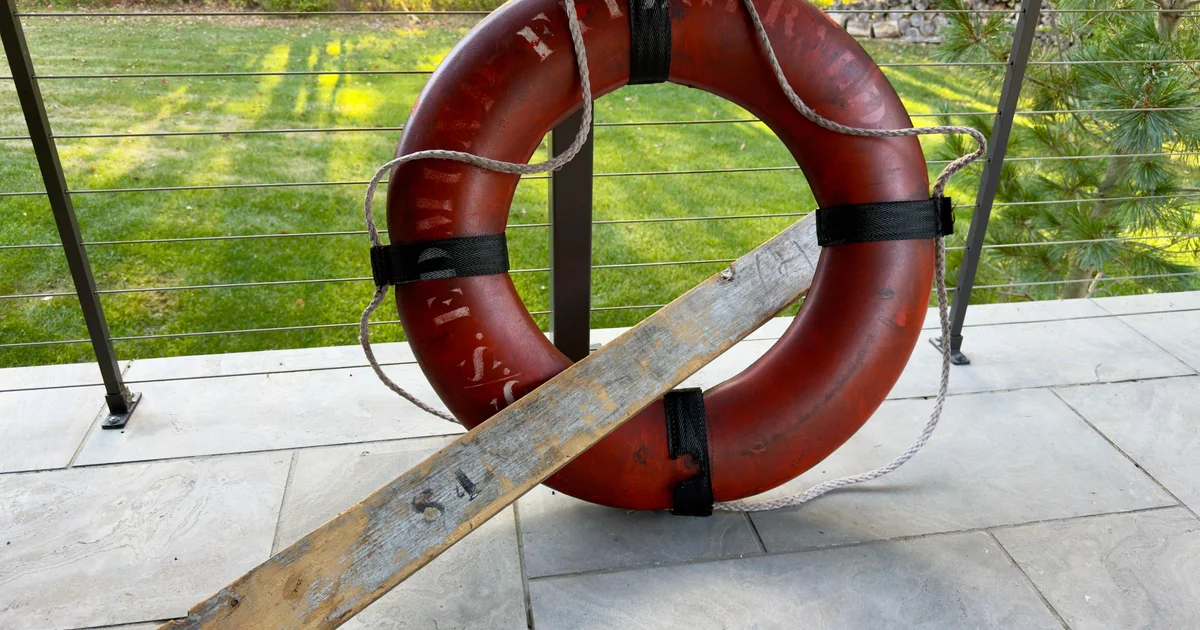
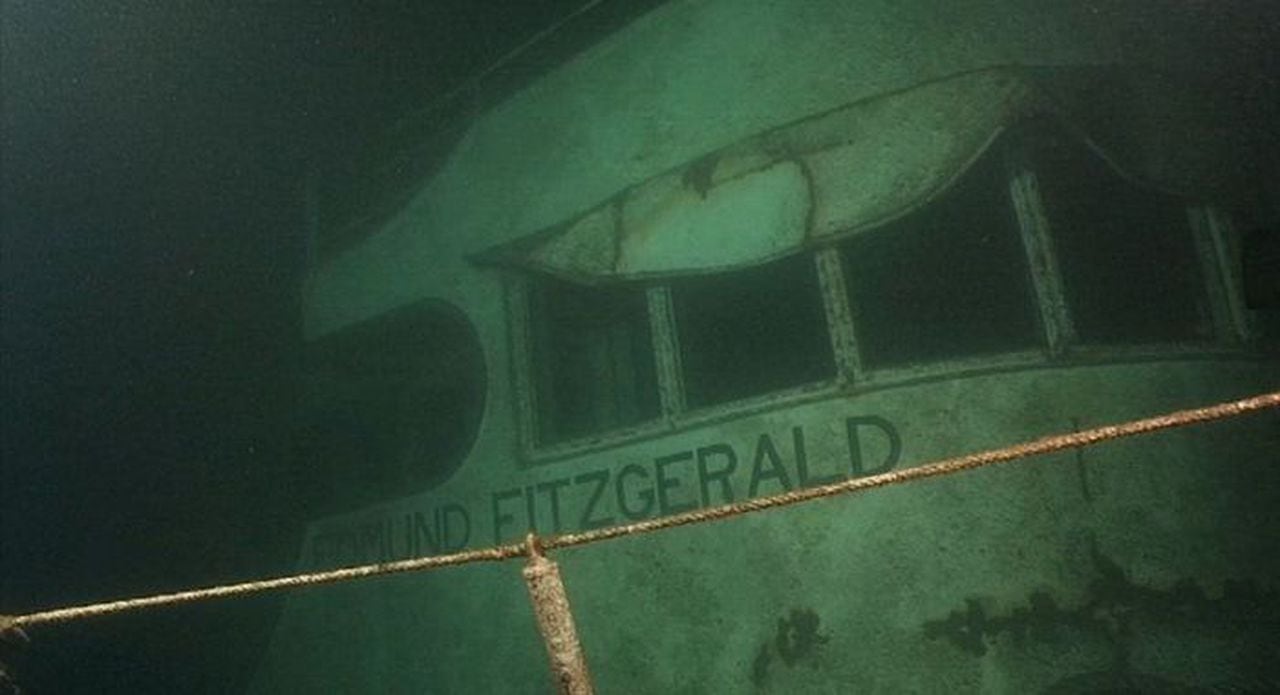
A life ring and a piece of a lifeboat from the Edmund Fitzgerald shipwreck sold at auction for $150,000, after being discovered in 1975 and displayed for years, with the sale reflecting ongoing interest in the ship's tragic sinking in Lake Superior.
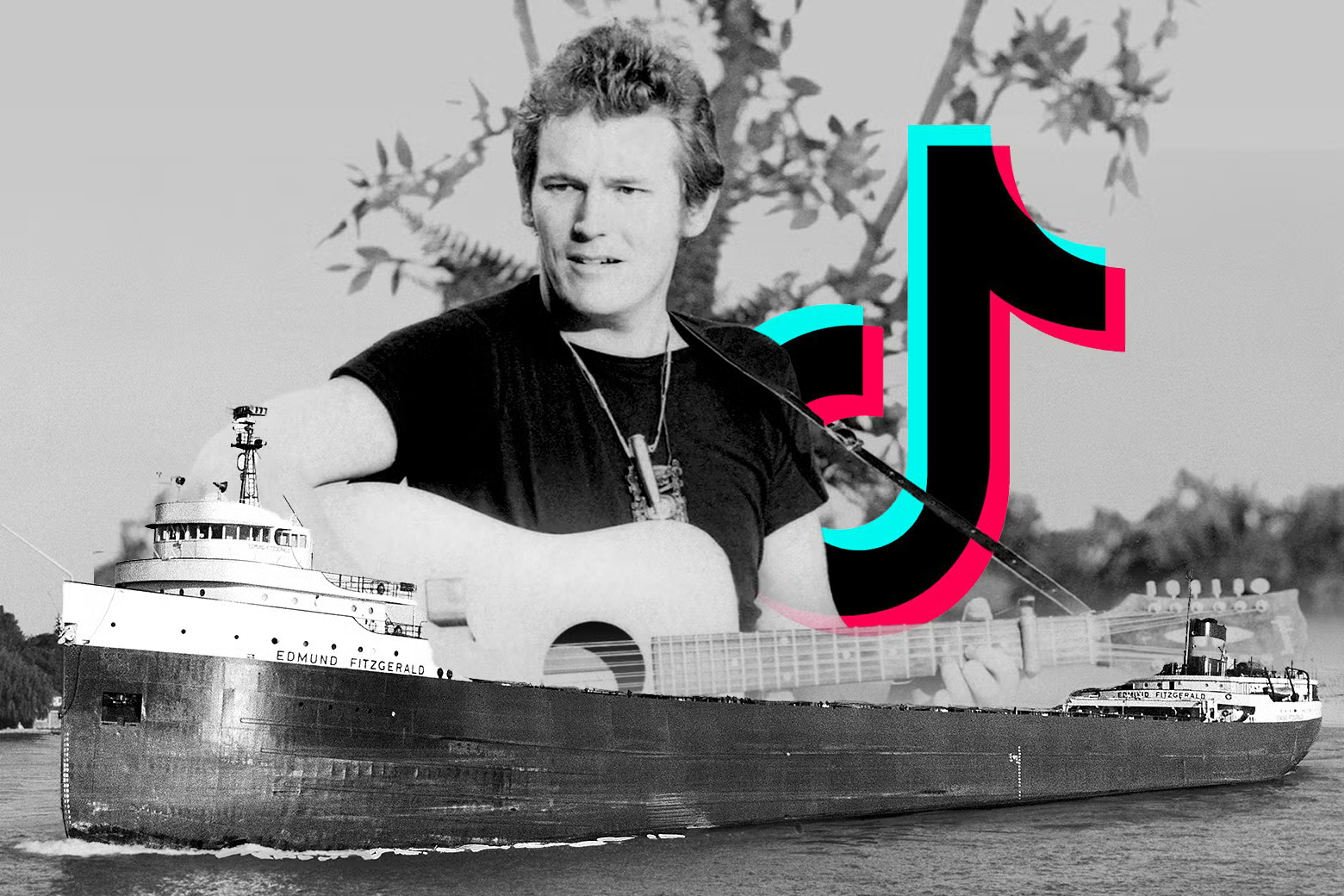
The 50th anniversary of the sinking of the SS Edmund Fitzgerald has sparked a cultural resurgence, with the shipwreck becoming a meme and symbol of nostalgia, driven by social media, music, and public interest, despite ongoing mysteries about its sinking.
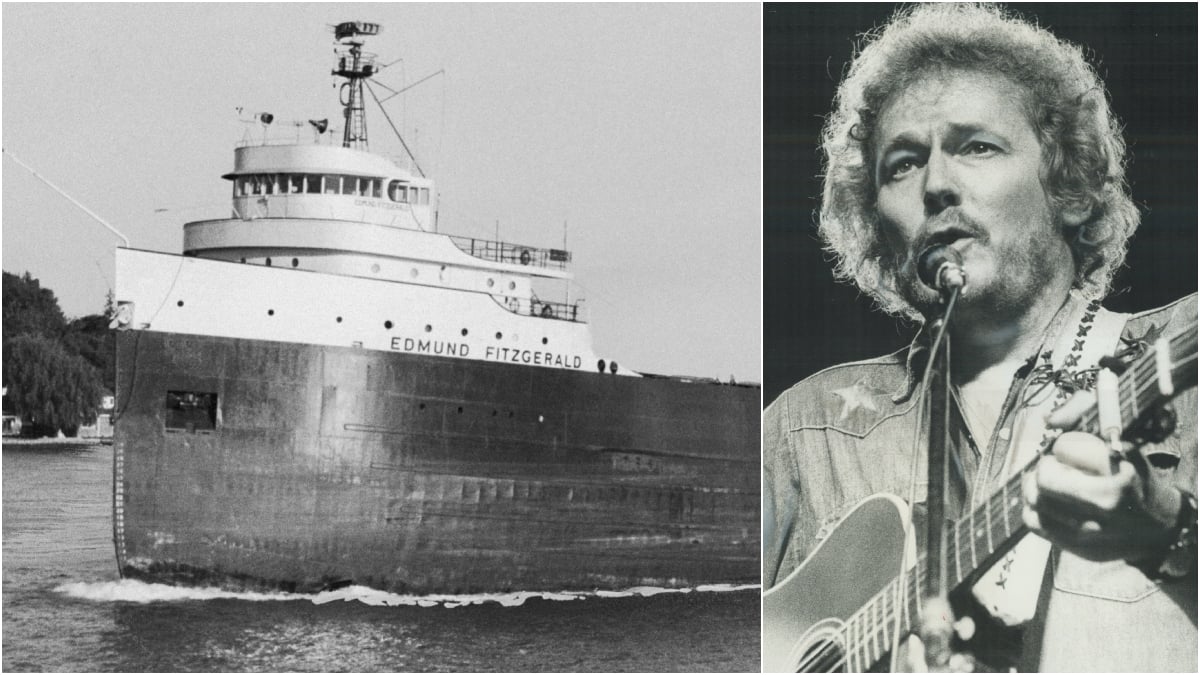
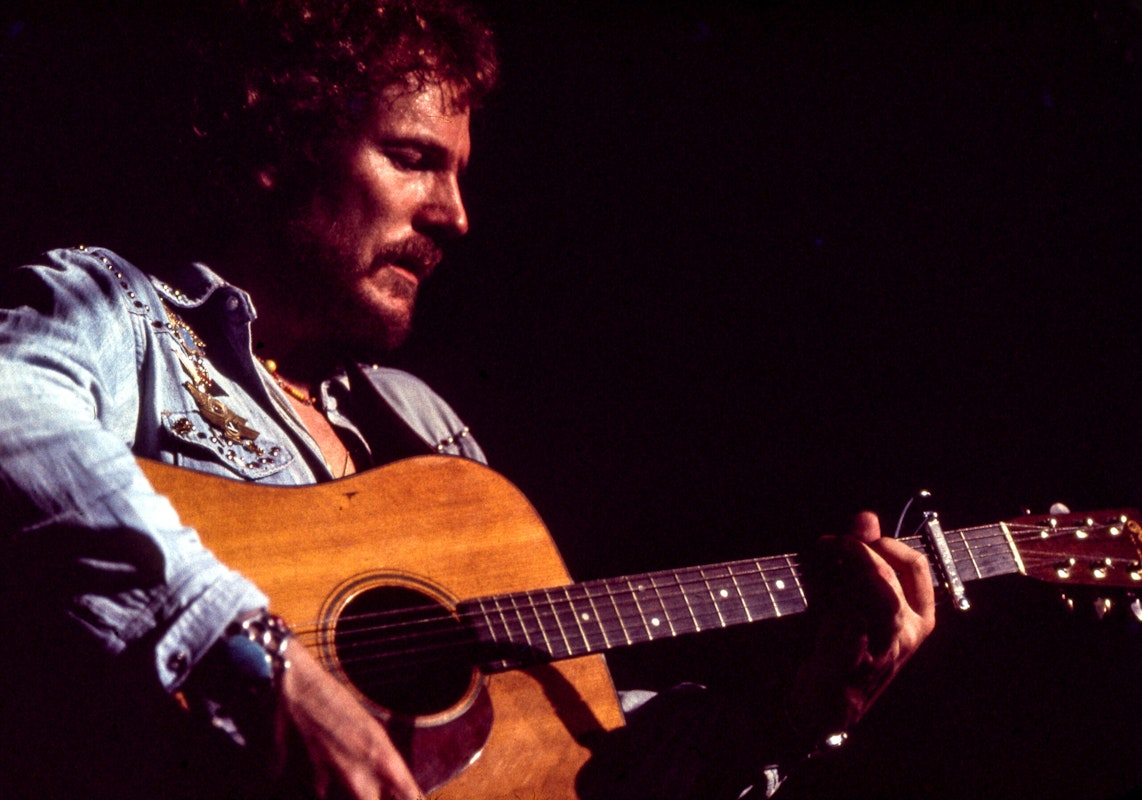
The 50th anniversary of the sinking of the Edmund Fitzgerald, the most tragic maritime disaster in U.S. history, is commemorated, highlighted by the iconic song by Gordon Lightfoot that memorializes the event and its lost crew.
The article explores surprising facts about the sinking of the Edmund Fitzgerald, including its status as a 'rock star' ship before the tragedy, the dangerous nature of Great Lakes storms, the crew's last-minute decisions influenced by bonuses and personal reasons, the accidental recording of the famous song about the wreck, and the fact that families no longer focus on how the ship sank but have become a close-knit community.
The article reflects on the 50th anniversary of the sinking of the Edmund Fitzgerald, emphasizing its cultural significance through Gordon Lightfoot's ballad, which uses poetic elements of the sublime—vastness, power, and uncertainty—to evoke awe and remembrance of the tragedy and human vulnerability.
Fifty years after the sinking of the Edmund Fitzgerald during a fierce storm on Lake Superior, the ship's legacy endures through memorial ceremonies, cultural references like Gordon Lightfoot's song, and significant improvements in maritime safety and weather forecasting on the Great Lakes.
Retired AP reporter Harry Atkins recounts his coverage of the 1975 wreck of the Edmund Fitzgerald, a tragic shipwreck on Lake Superior that became legendary, partly due to Gordon Lightfoot’s ballad, and reflects on the disaster's lasting impact and his personal experience reporting it.
The sinking of the Edmund Fitzgerald, a massive Great Lakes freighter, in 1975 inspired Gordon Lightfoot's famous ballad and led to improved maritime safety standards, with no major shipwrecks on the Great Lakes in the past 50 years.
On the 48th anniversary of the sinking of the Edmund Fitzgerald, the most famous shipwreck in the Great Lakes, photos and details of the tragic event are shared. The Edmund Fitzgerald, a large freighter, sank in a deadly storm on Lake Superior in 1975, taking the lives of all 29 crew members. The ship's story has been immortalized in Gordon Lightfoot's song "The Wreck of the Edmund Fitzgerald." The article includes conversations between the Fitzgerald and other ships before its sinking, as well as information about recovery efforts and memorial events.
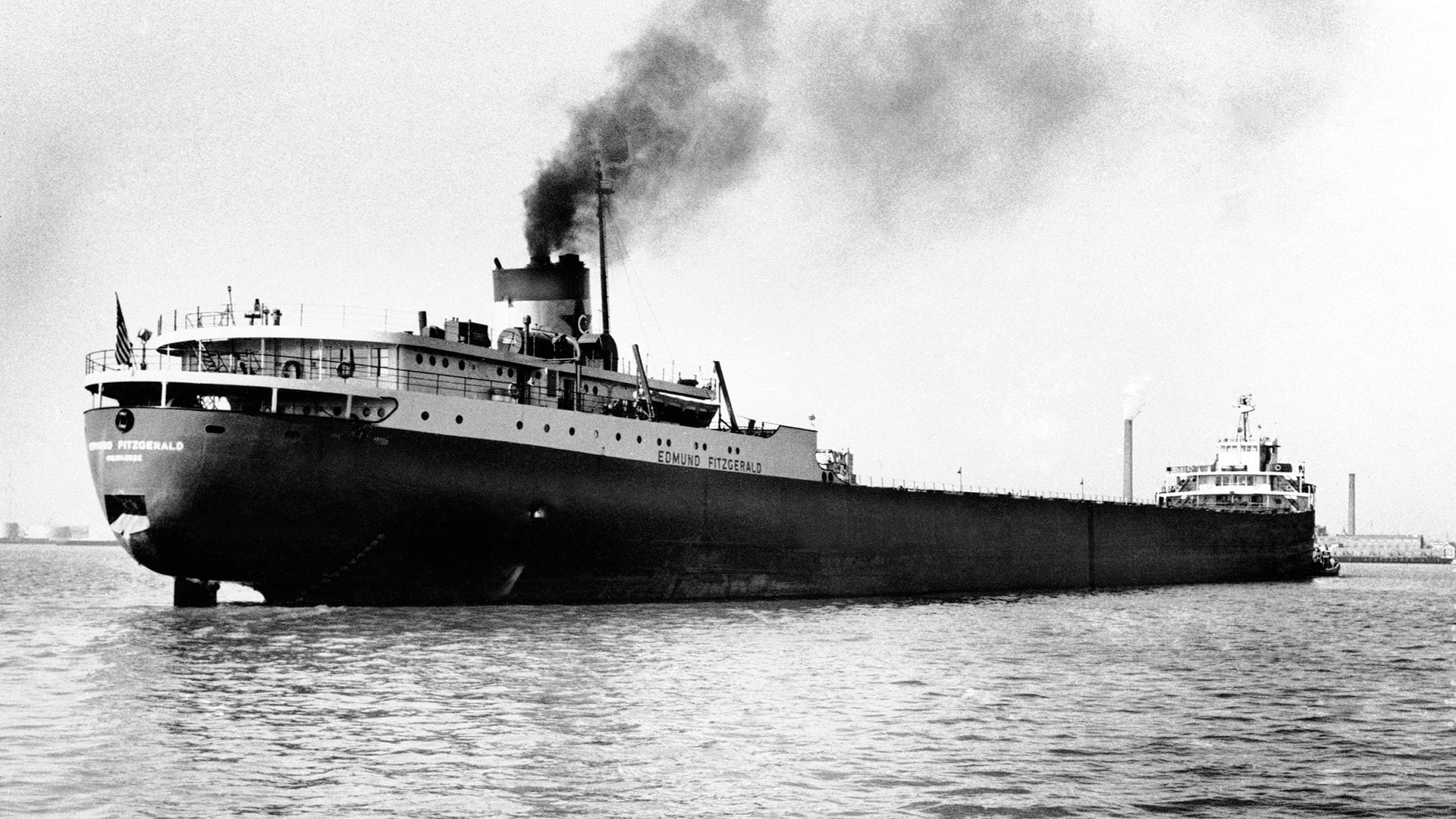
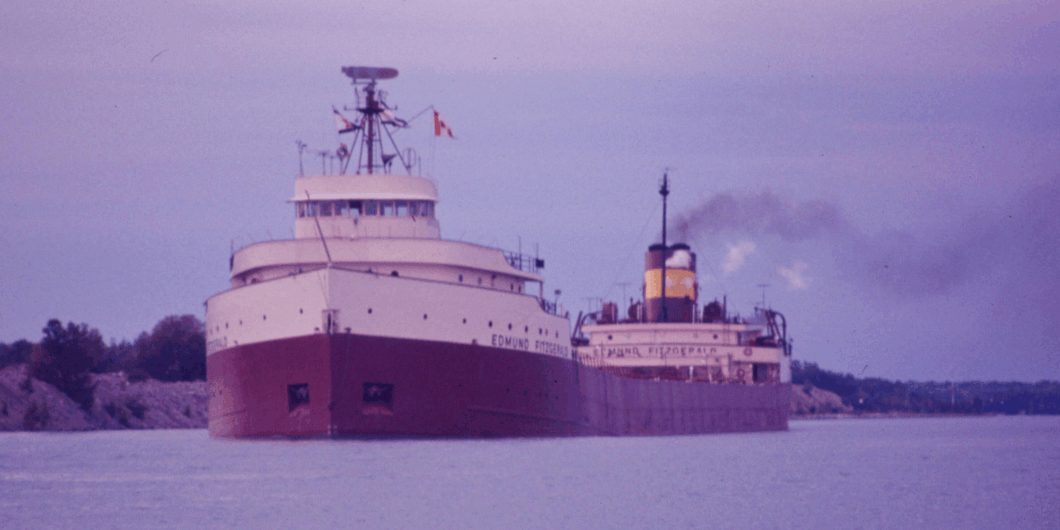
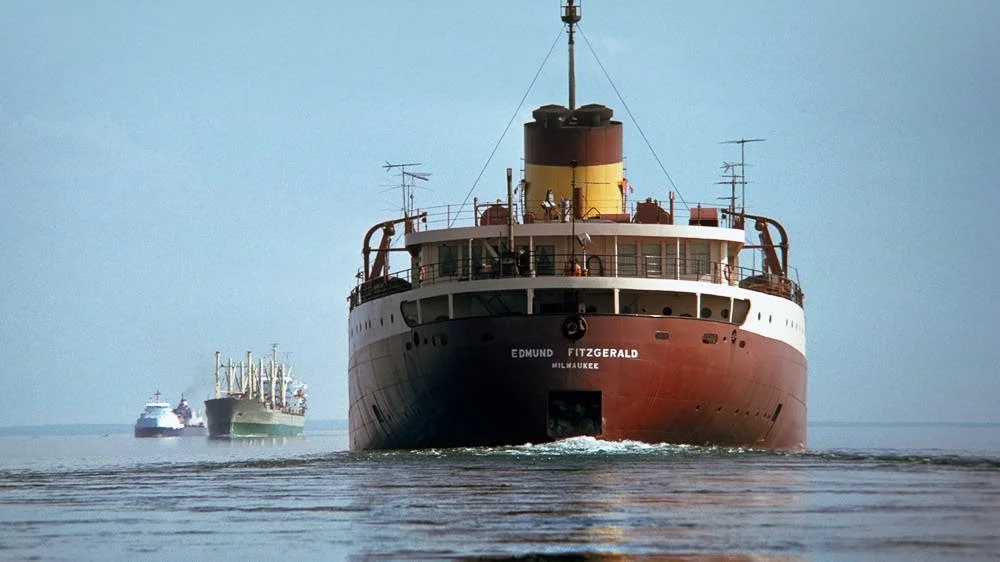
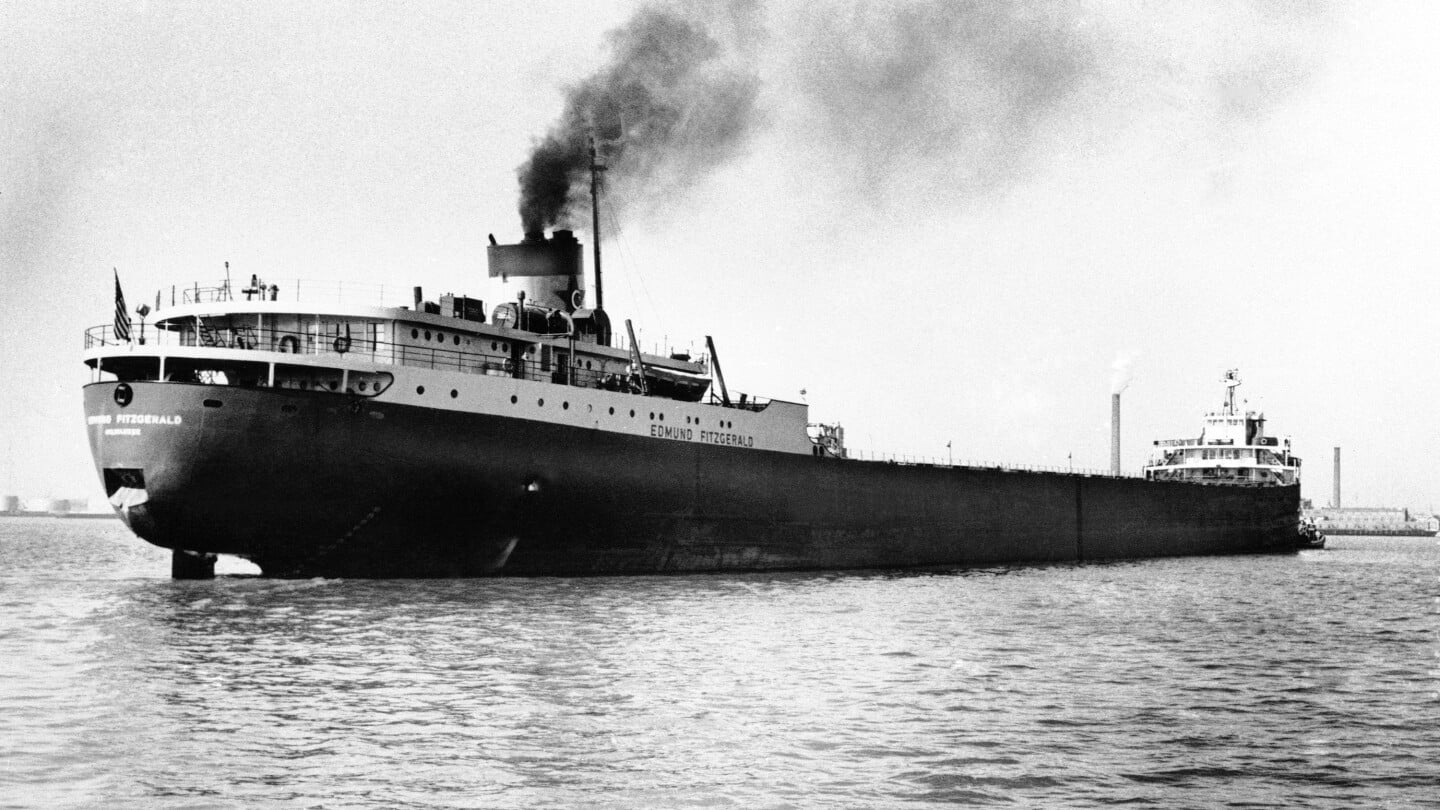
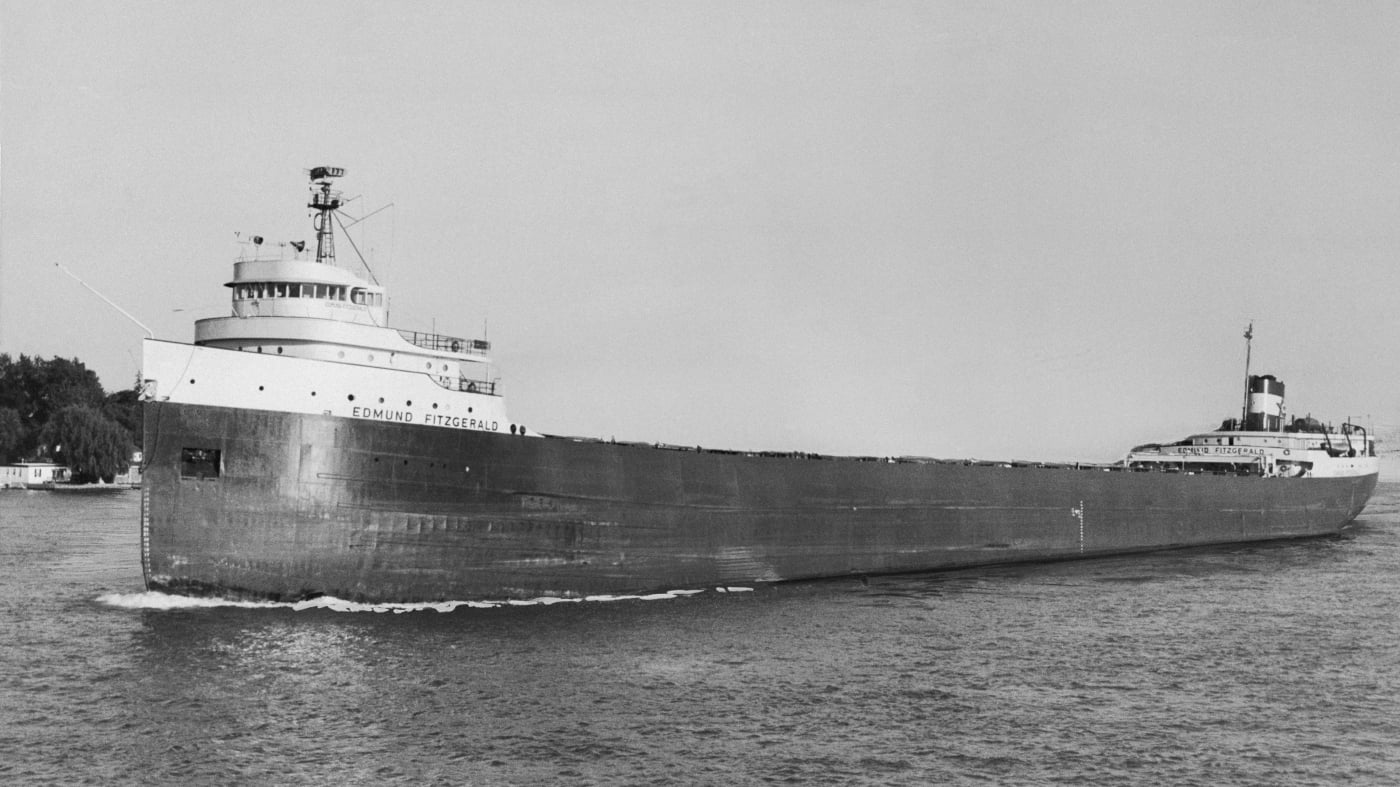
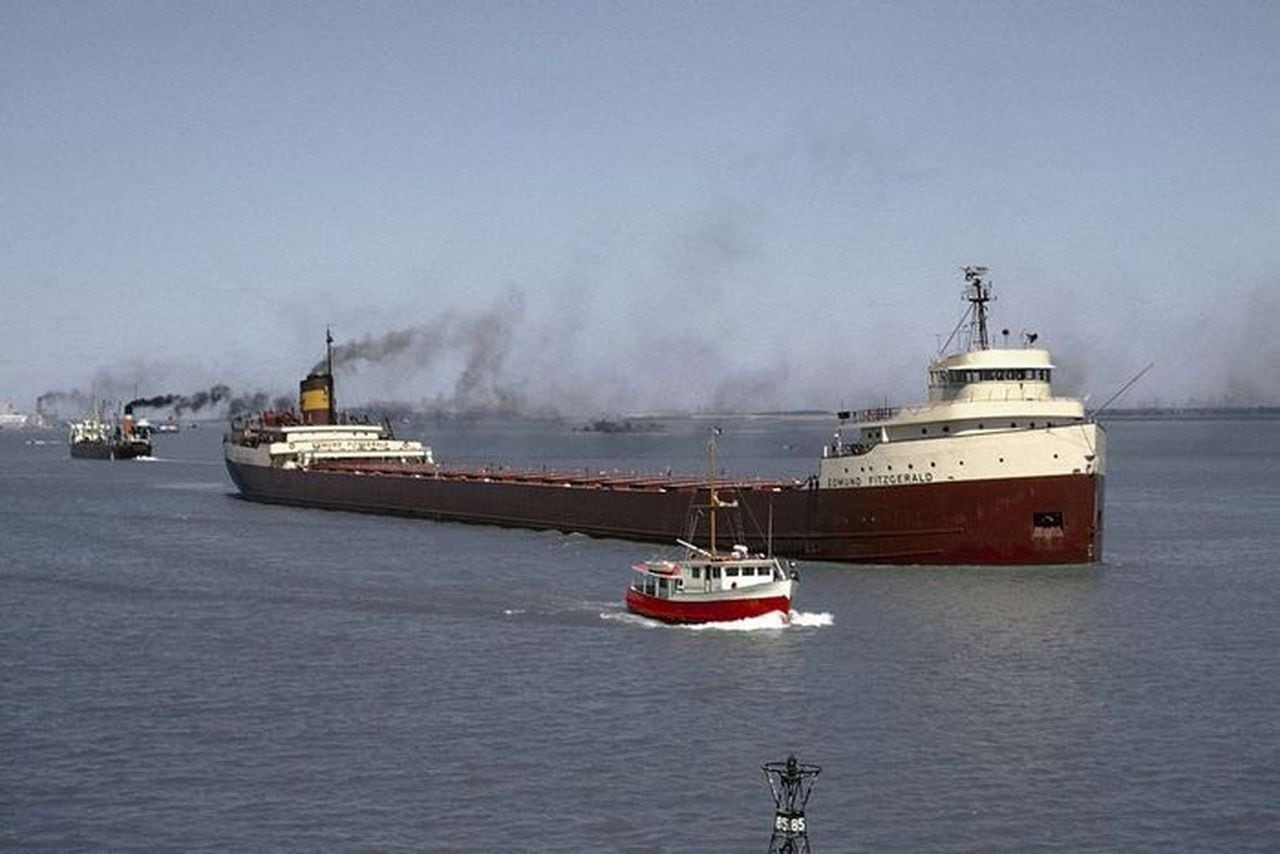
Today marks the 48th anniversary of the sinking of the Edmund Fitzgerald, a freighter that went down in Lake Superior on November 10, 1975, claiming 29 lives. The ship's sinking has become legendary, partly due to Gordon Lightfoot's popular song "The Wreck of the Edmund Fitzgerald." The vessel was the largest freighter on the Great Lakes when it was christened in 1958 and was named after Edmund Fitzgerald, president of Northwestern Mutual Life Insurance Co. The ship encountered severe storms and sank about 17 miles north-northwest of Whitefish Point. The cause of the sinking remains a subject of speculation and theories.
Gordon Lightfoot's hit song "The Wreck of the Edmund Fitzgerald" tells the story of the real shipwreck in Lake Superior that caught the attention of millions and is the most well-known wreck in the history of Great Lake shipwrecks. The song earned Lightfoot international acclaim and brought awareness to the tragedy. The sinking of the Edmund Fitzgerald remains a mystery, with theories ranging from poor structural integrity to damage from shallow waters. The ship remains the largest to have ever sunk in the Great Lakes.
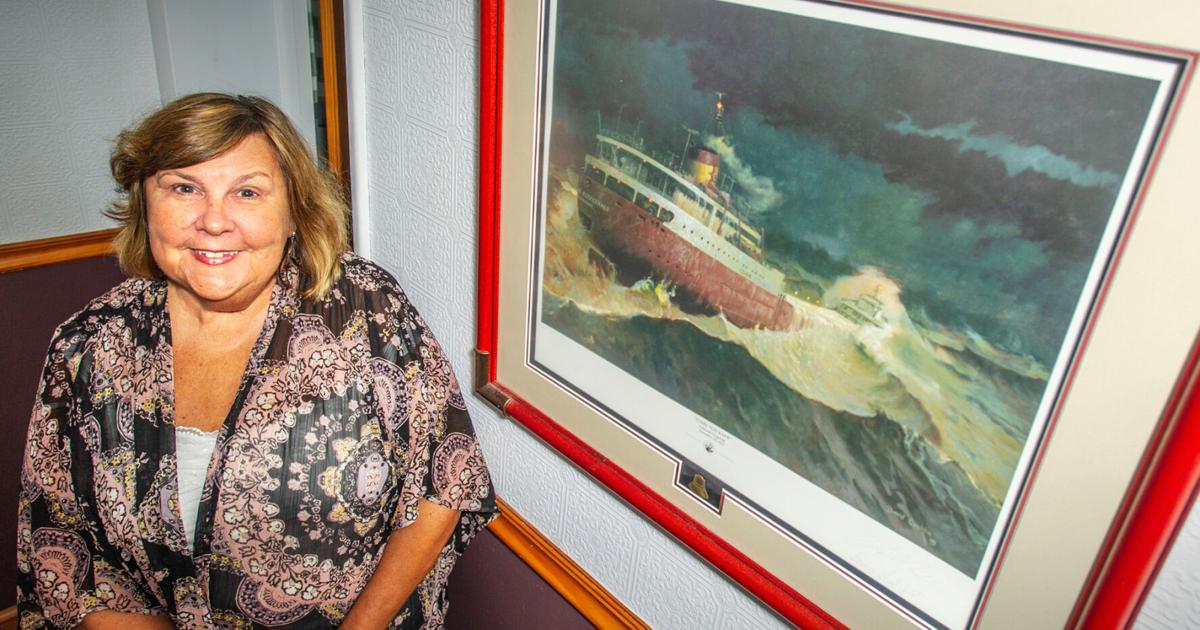
Kathleen M. McSorley, an Ogdensburg resident, remembers her uncle, Capt. Ernest M. McSorley, who was the captain of the Edmund Fitzgerald, a 729-foot ore carrier that sank in Canadian waters on Lake Superior on Nov. 10, 1975. The sinking inspired Gordon Lightfoot's hit song "The Wreck of the Edmund Fitzgerald." McSorley has several items of memorabilia to mark the tragedy and to recall her uncle. The restored bell of the Edmund Fitzgerald is on display at the Great Lakes Shipwreck Museum as a memorial to the lost crew and is used each Nov. 10 in a bell-ringing ceremony at the museum in memory of the 29 crewmen.
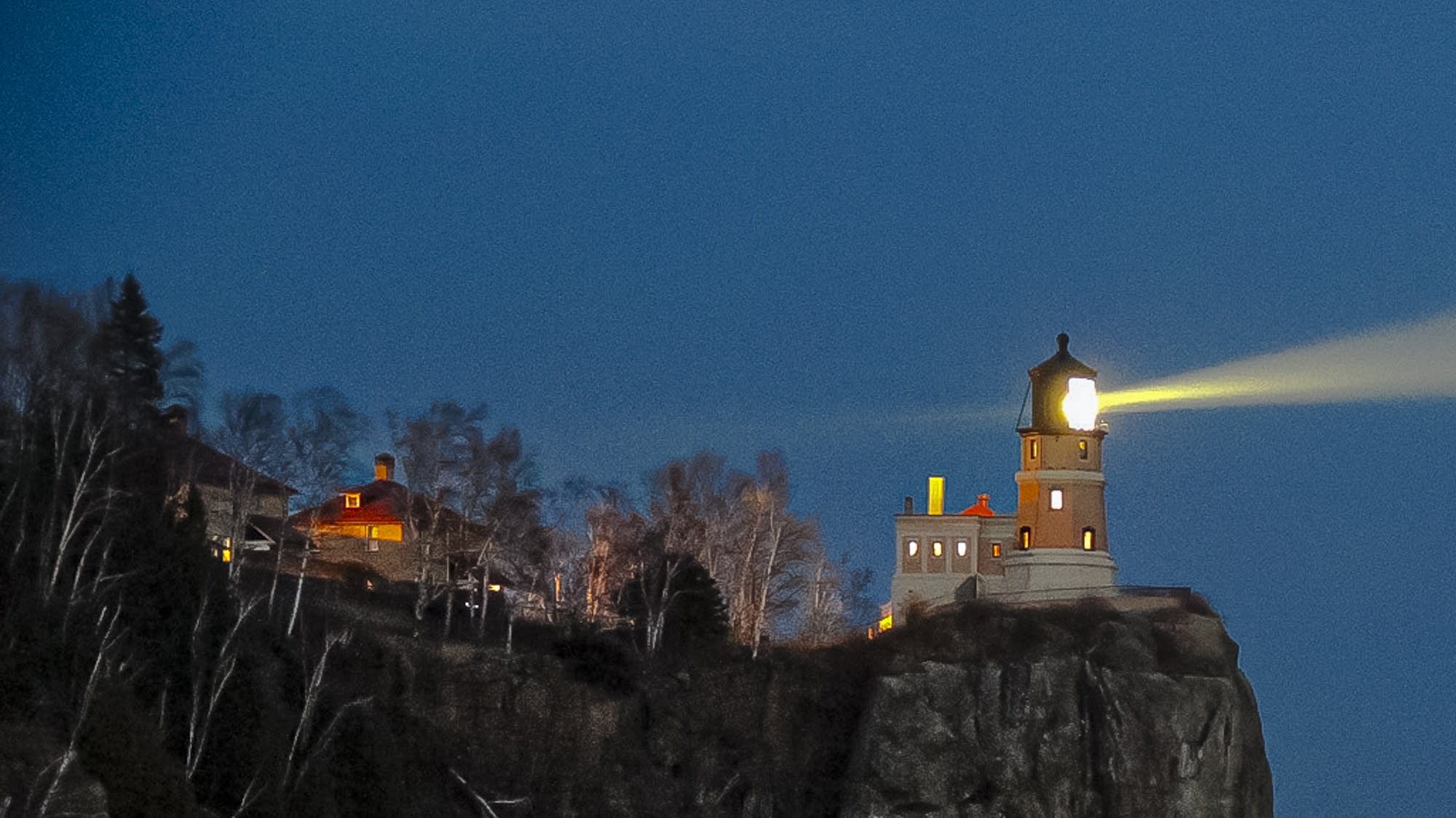
Split Rock Lighthouse will honor the late Gordon Lightfoot, who wrote the song "The Wreck of the Edmund Fitzgerald," with a beacon lighting from 9-11 p.m. on May 3. Lightfoot's epic folk ballad about the Nov. 10, 1975 wreck was considered a hit on the charts and remains popular among visitors to the lighthouse. The tribute will be available for close viewing to visitors with a state park sticker.
Split Rock Lighthouse in Minnesota will light its beacon in honor of the late singer-songwriter Gordon Lightfoot, who died at the age of 84. Lightfoot's song "The Wreck of the Edmund Fitzgerald" about the 1975 sinking of the freighter Edmund Fitzgerald in Lake Superior has played an outsized role in the programming and number of people who visit the historic site. The beacon will be lit from 9 to 11 p.m. on Wednesday night, and the historic site and visitor center will be closed during the tribute.