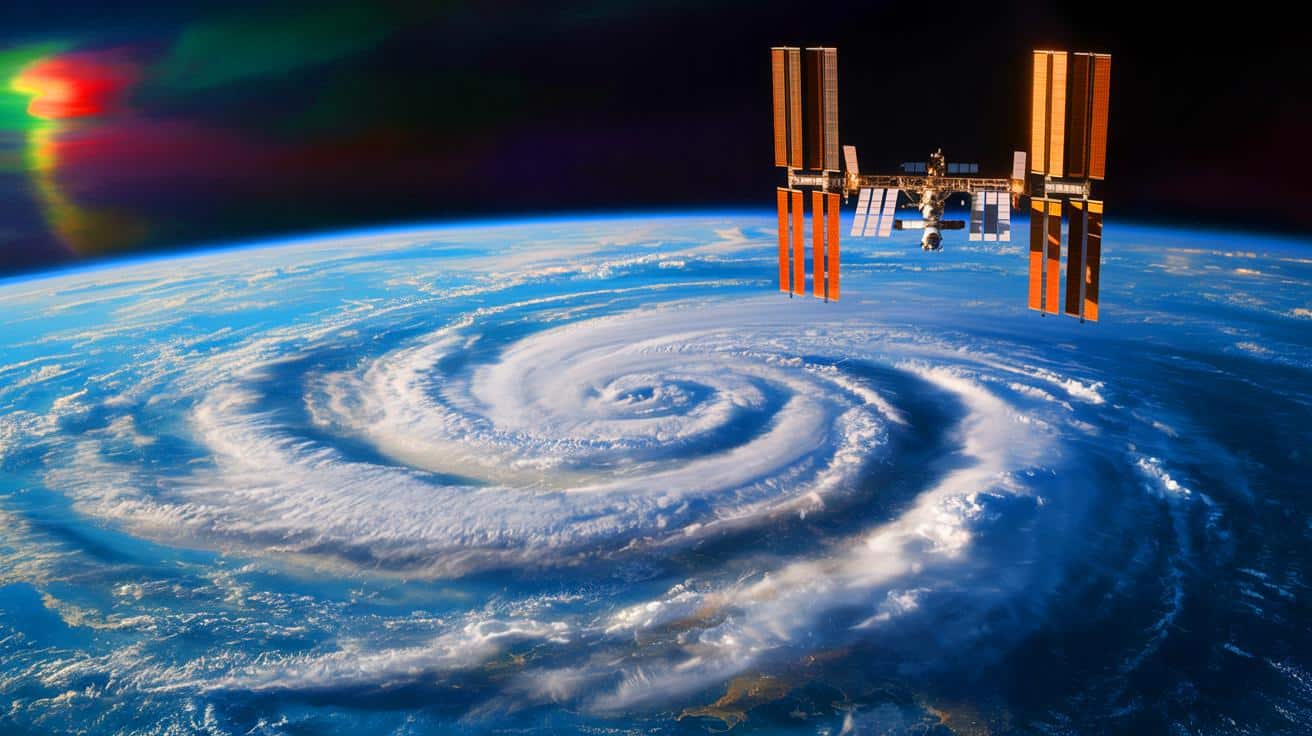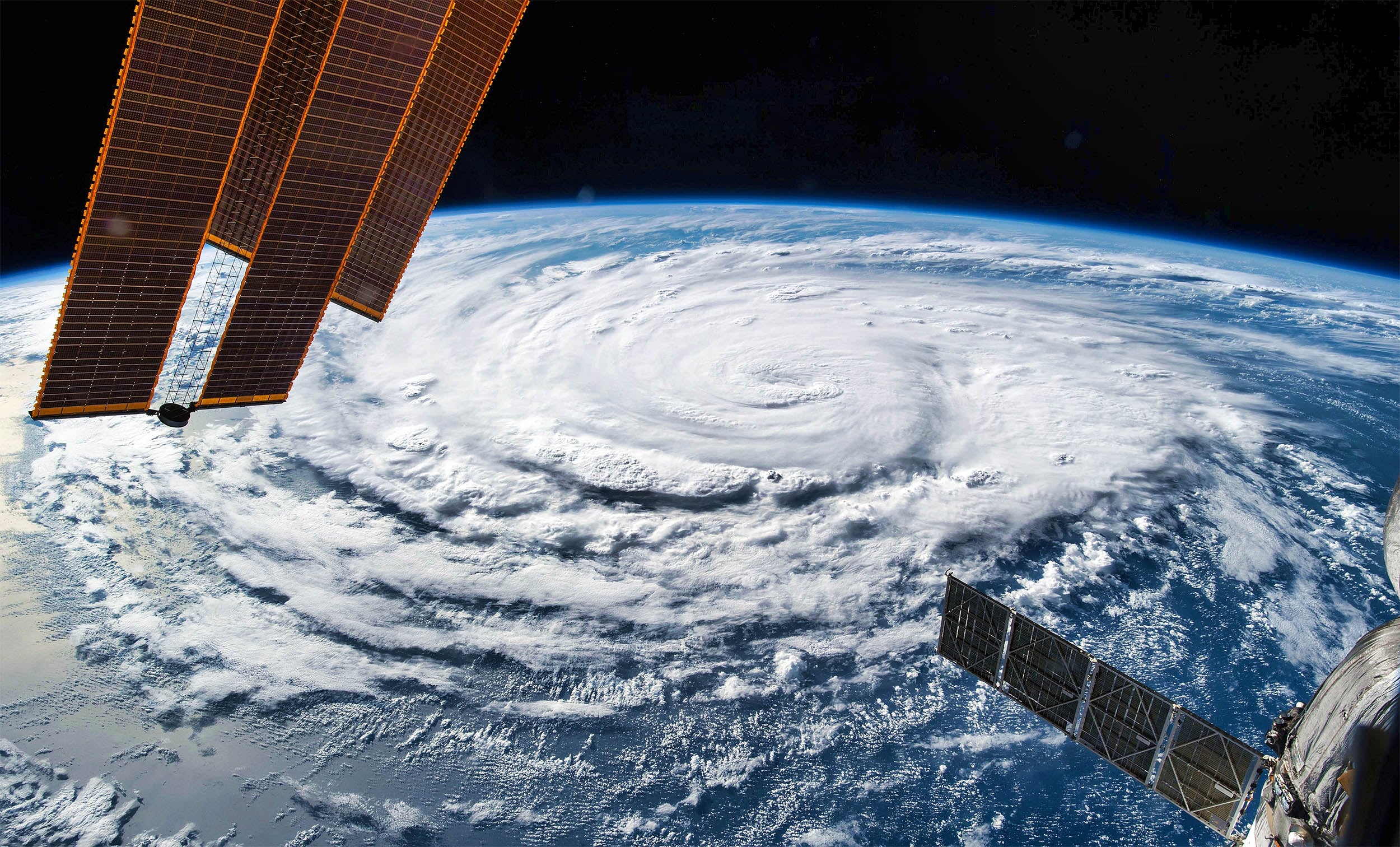
NASA's sensors on the International Space Station detected a previously unknown atmospheric phenomenon, called atmospheric waves, at 55 miles above Earth during Hurricane Helene, revealing new insights into how severe storms can influence the upper atmosphere and potentially impact satellite operations.
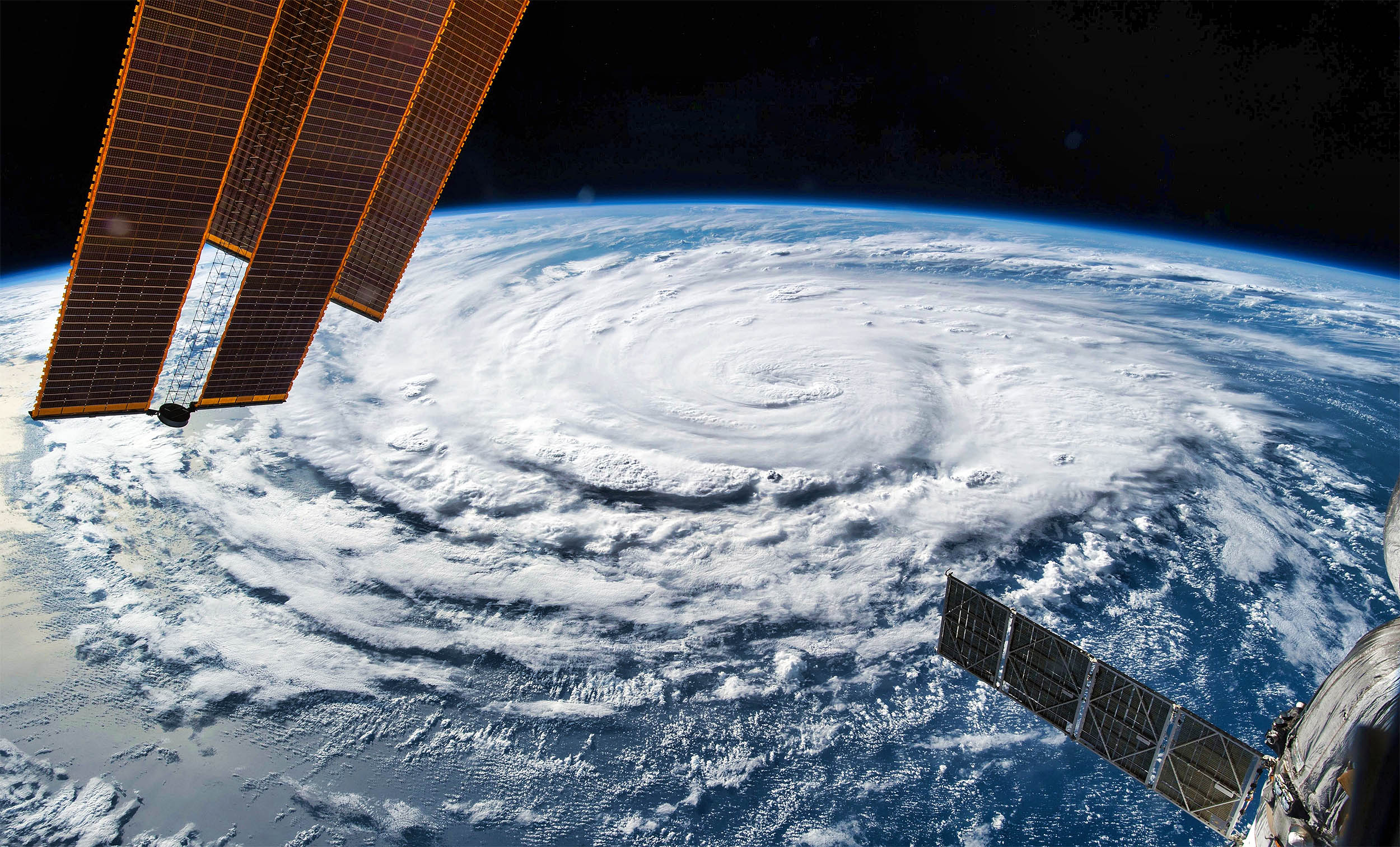
NASA's instruments on the International Space Station detected unknown atmospheric waves in the mesosphere, caused by Hurricane Helene, revealing new insights into how severe weather impacts Earth's upper atmosphere and potentially affecting satellite operations.
NASA's ISS detected unseen atmospheric waves in the mesosphere during Hurricane Helene, revealing a new connection between hurricanes and upper atmospheric dynamics, which has implications for space weather and satellite operations.
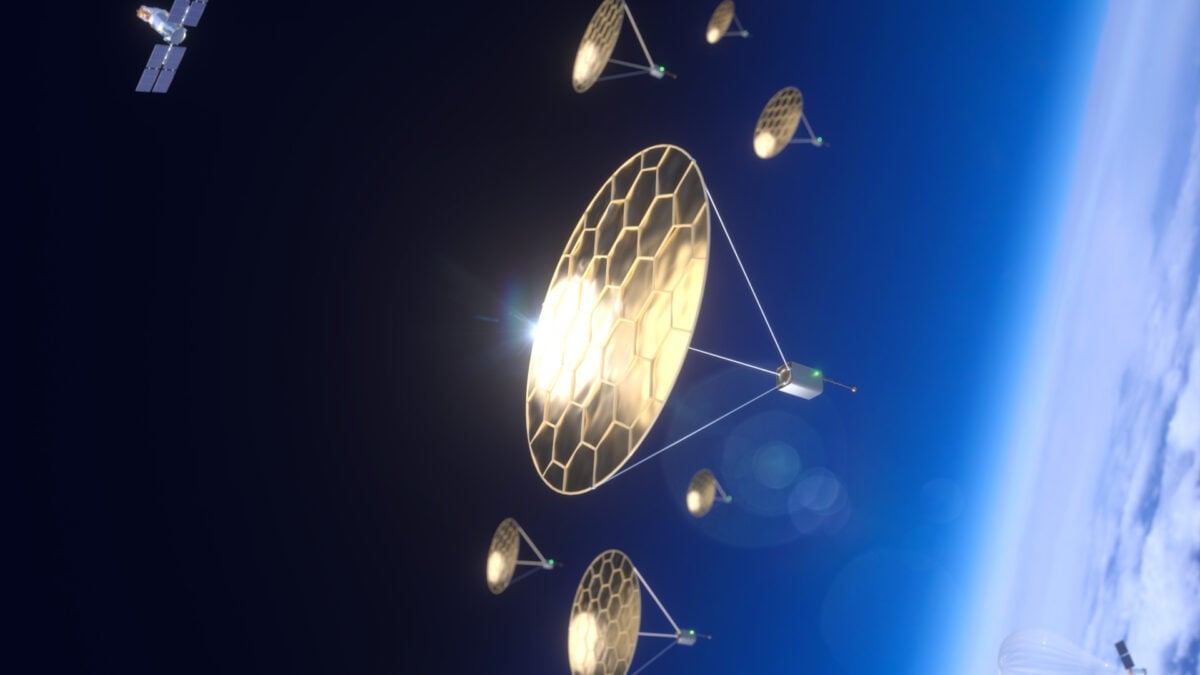
Scientists have developed a lightweight, sunlight-powered disc that levitates in the mesosphere using photophoresis, offering a new, sustainable way to explore this hard-to-reach atmospheric region and potentially beyond Earth, with applications in meteorology and space weather prediction.
Astronomers have successfully captured spectroscopic data from a mesospheric green ghost for the first time. These green ghosts, which appear during thunderstorms as a greenish glow on top of transient luminous events (TLEs), were previously speculated to be excited oxygen atoms. However, the researchers found evidence of nickel, iron, nitrogen, and oxygen in the green ghost, suggesting that it resulted from meteoric ablation of interplanetary dust particles moving through the atmosphere at high speed. The team's years-long effort to capture this data sheds light on the nature of atmospheric green ghosts.
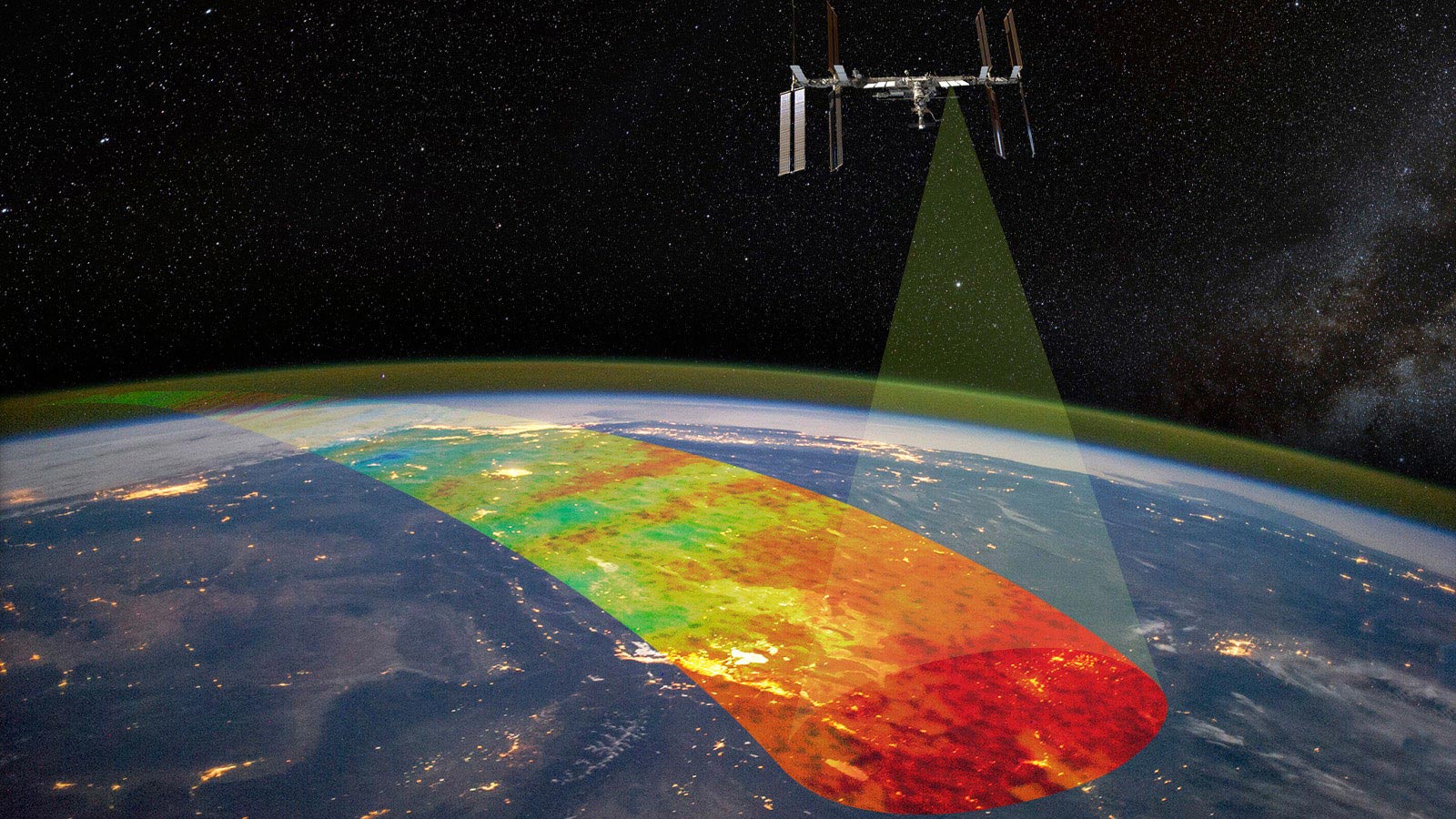
NASA's Atmospheric Waves Experiment (AWE) has captured its first images of the mesosphere from the International Space Station (ISS), confirming the instrument is functioning as designed. AWE aims to study atmospheric gravity waves (AGWs) in the mesopause region to understand how they form and their effects on the upper atmosphere. This research is crucial for comprehending space weather impacts on satellite operations and communication systems. AWE is led by Ludger Scherliess at Utah State University and managed by NASA's Goddard Space Flight Center.
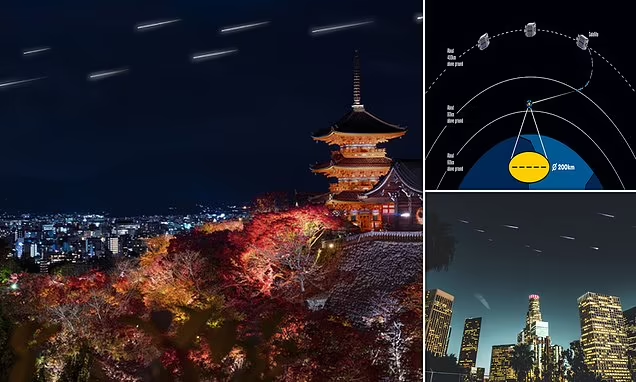
Space start-up ALE is set to create the world's first artificial meteor shower, named 'SKY CANVAS', over Japan in 2025. Metallic, pea-sized spheres will be dropped from a satellite 250 miles up, which will glow upon re-entry into the atmosphere, appearing as shooting stars. The light show will not only be for viewing pleasure but will also help gather data about the mesosphere, a region that is difficult to study. The project aims to inspire a greater interest in space and science and contribute to the sustainable development of humankind.