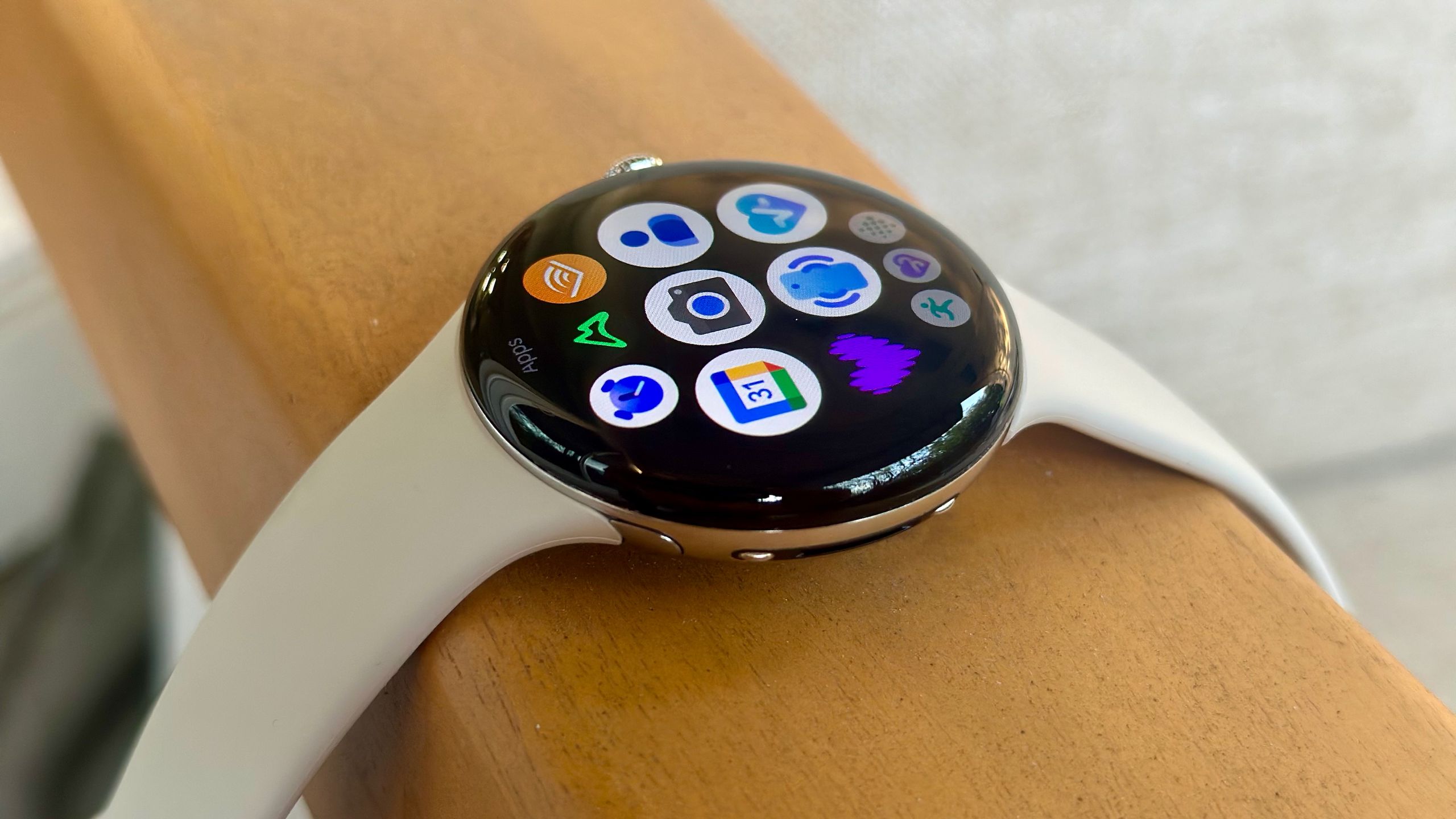
The Google Pixel Watch 4 introduces notable upgrades like a new dome display, dual-frequency GPS, and faster Snapdragon W5 Gen 2 chip, impressing with its design and performance, though it has some quirks such as display durability and battery life that warrant further testing. Overall, it builds on the Pixel Watch 3 with meaningful improvements, especially for long-time fans, but may not convert skeptics.
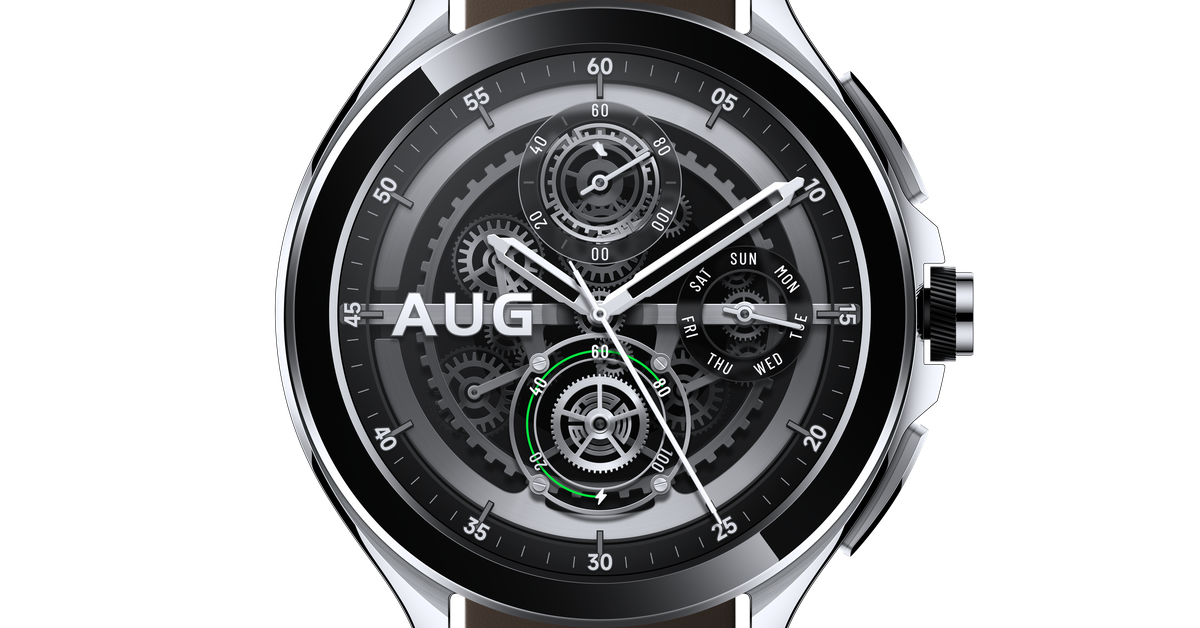
Xiaomi has announced its new Watch 2 Pro, which runs on Wear OS and offers features such as body composition analysis and dual-frequency GPS. Priced at £229.99 ($280), the smartwatch also includes access to third-party apps and Google Assistant. With a 1.43-inch OLED display and a 65-hour battery life, the Watch 2 Pro supports 150 sports modes, stress tracking, blood oxygen levels, sleep monitoring, and high heart rate notifications. Xiaomi has not provided an exact launch date or confirmed availability in the US.
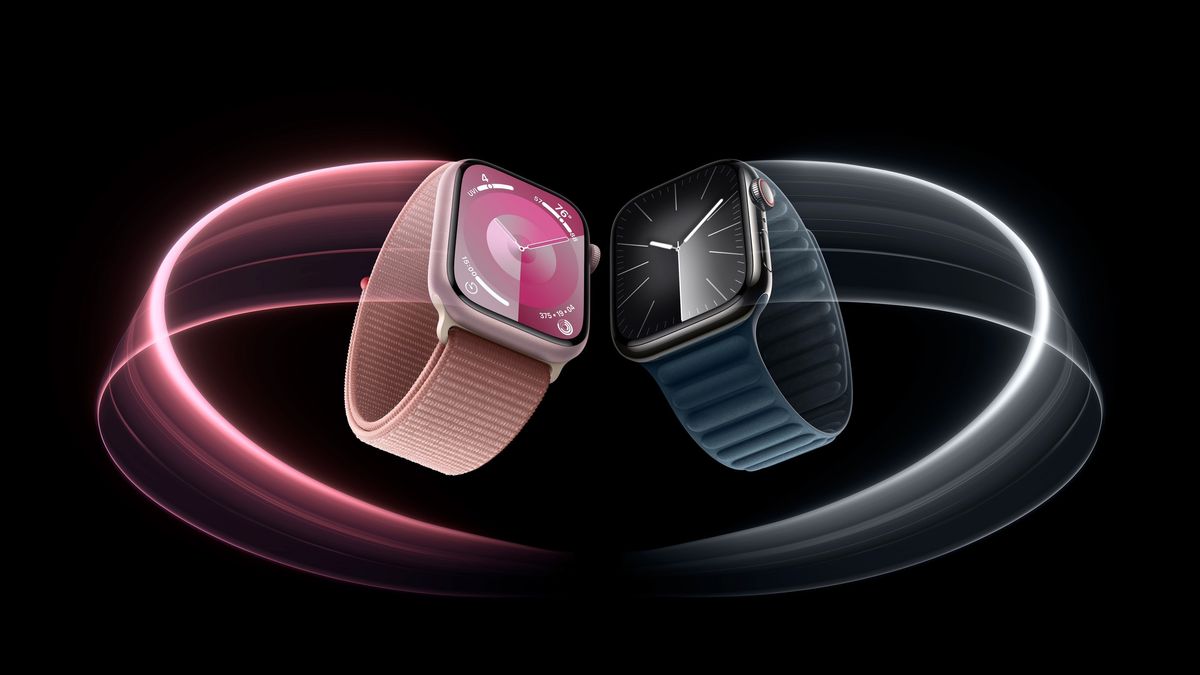
The Apple Watch Series 9 disappoints by not including dual-frequency GPS, a feature that would provide more accurate location tracking. While many fitness brands have already incorporated this technology into their watches, the Series 9 only offers GPS-only tracking, which can be unreliable and result in diverging mileage. The addition of dual-frequency GPS would not only improve accuracy but also put pressure on other smartwatch makers to follow suit. Location accuracy should be the norm rather than a niche tool in mainstream smartwatches.