Tag

Gps Disruption

All articles tagged with #gps disruption

Severe Solar Storm Promises Northern Lights, with Satellite and GPS Disruptions Possible
space1 month ago

Severe Solar Storm Promises Northern Lights, with Satellite and GPS Disruptions Possible

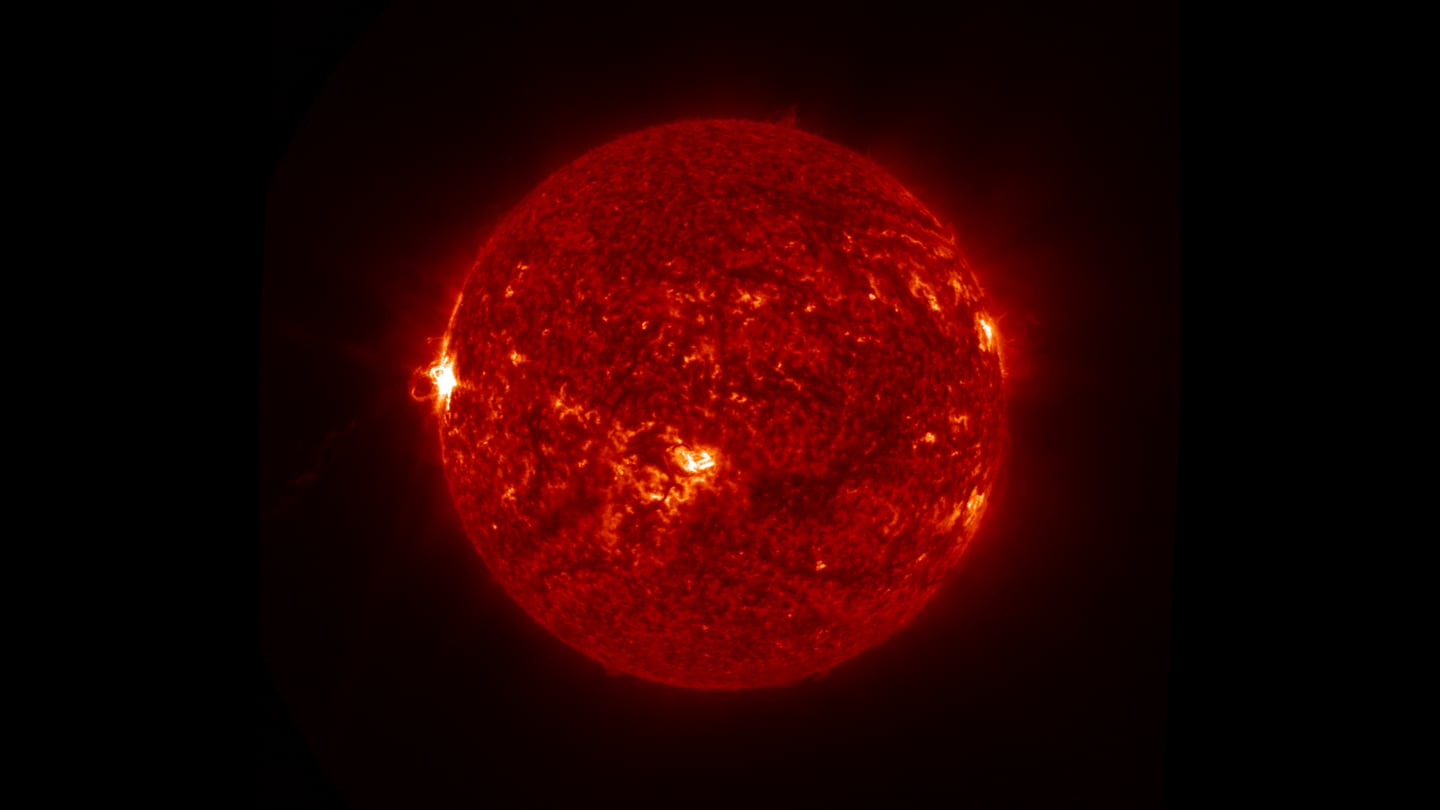
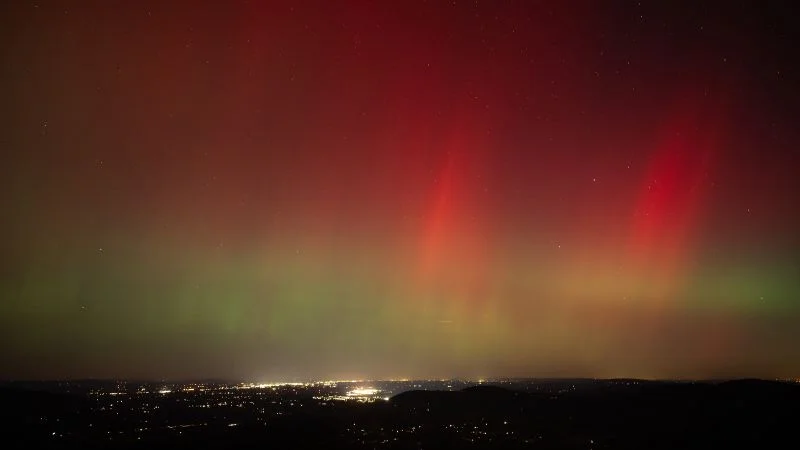
Earth is bracing for a powerful solar radiation storm (S4), the largest in over two decades, which could spark vivid auroras across much of the northern U.S. tonight into tomorrow while threatening satellite operations, GPS accuracy, and communications. Airlines, NASA, FAA and other operators have been alerted to prepare for potential impacts from the coronal mass ejection triggered by an X-class solar flare. Auroras may be visible as far south as Alabama and northern California under clear skies, though widespread public disruption isn’t expected. Scientists warn of possible further Earth-directed eruptions in the coming week, and astronauts on the ISS can shelter in shielded areas if radiation rises.
Solar Storms Disrupt Farming with Malfunctioning Tractors
science-and-technology1 year ago

Solar Storms Disrupt Farming with Malfunctioning Tractors

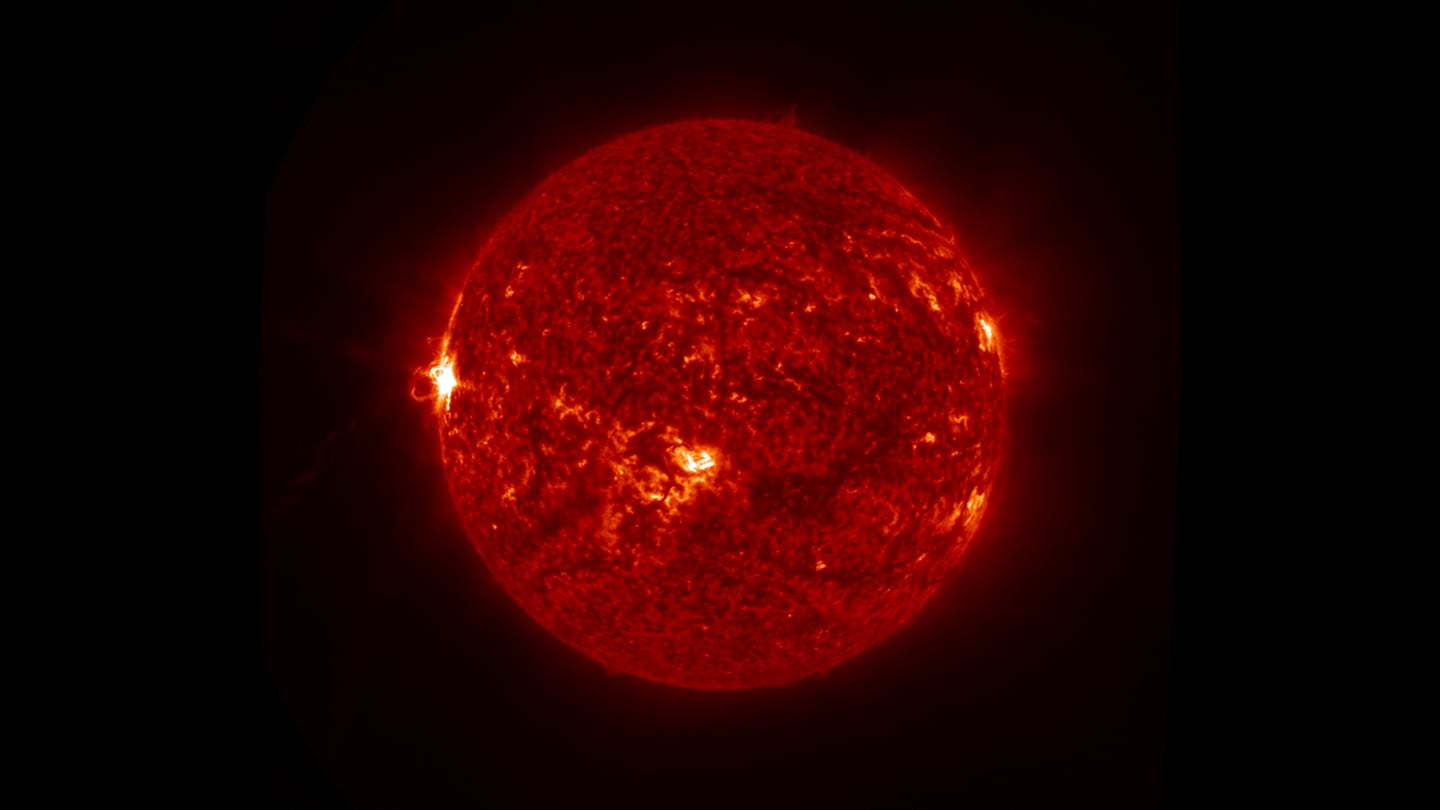
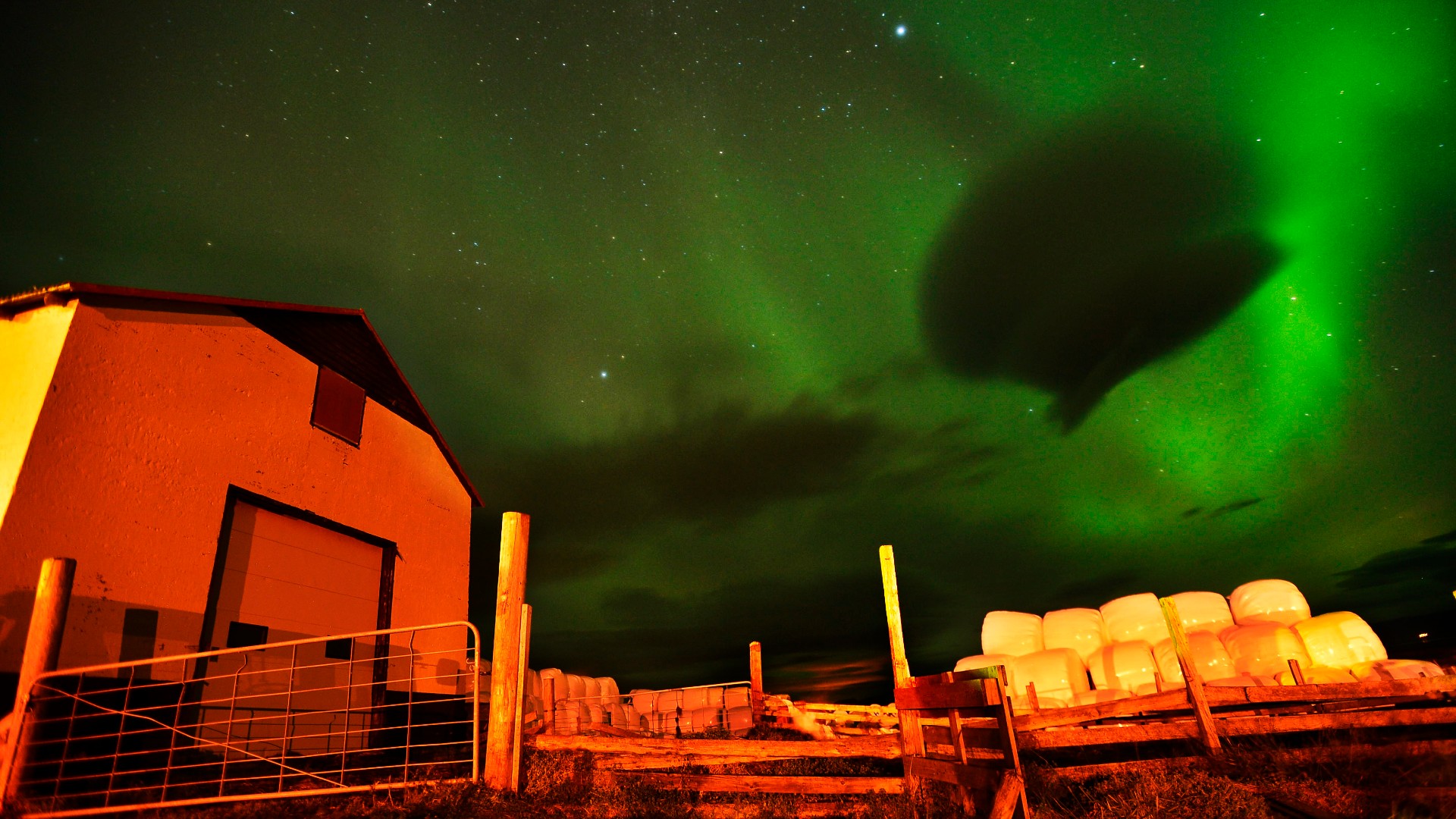
A powerful G5-class solar storm on May 10, 2024, severely disrupted GPS systems, causing chaos for farmers in the American Midwest who rely on GPS-guided tractors for precision agriculture. The storm, one of the largest in decades, highlighted the vulnerability of modern farming to solar activity, as tractors lost GPS connections and veered off course. With solar maximum conditions persisting, farmers face potential ongoing disruptions, necessitating adaptations in technology and planning to mitigate economic impacts.

"Potential GPS Disruption and Northern Lights Forecasted as Solar Storm Approaches Earth"
science-and-technology2 years ago

"Potential GPS Disruption and Northern Lights Forecasted as Solar Storm Approaches Earth"

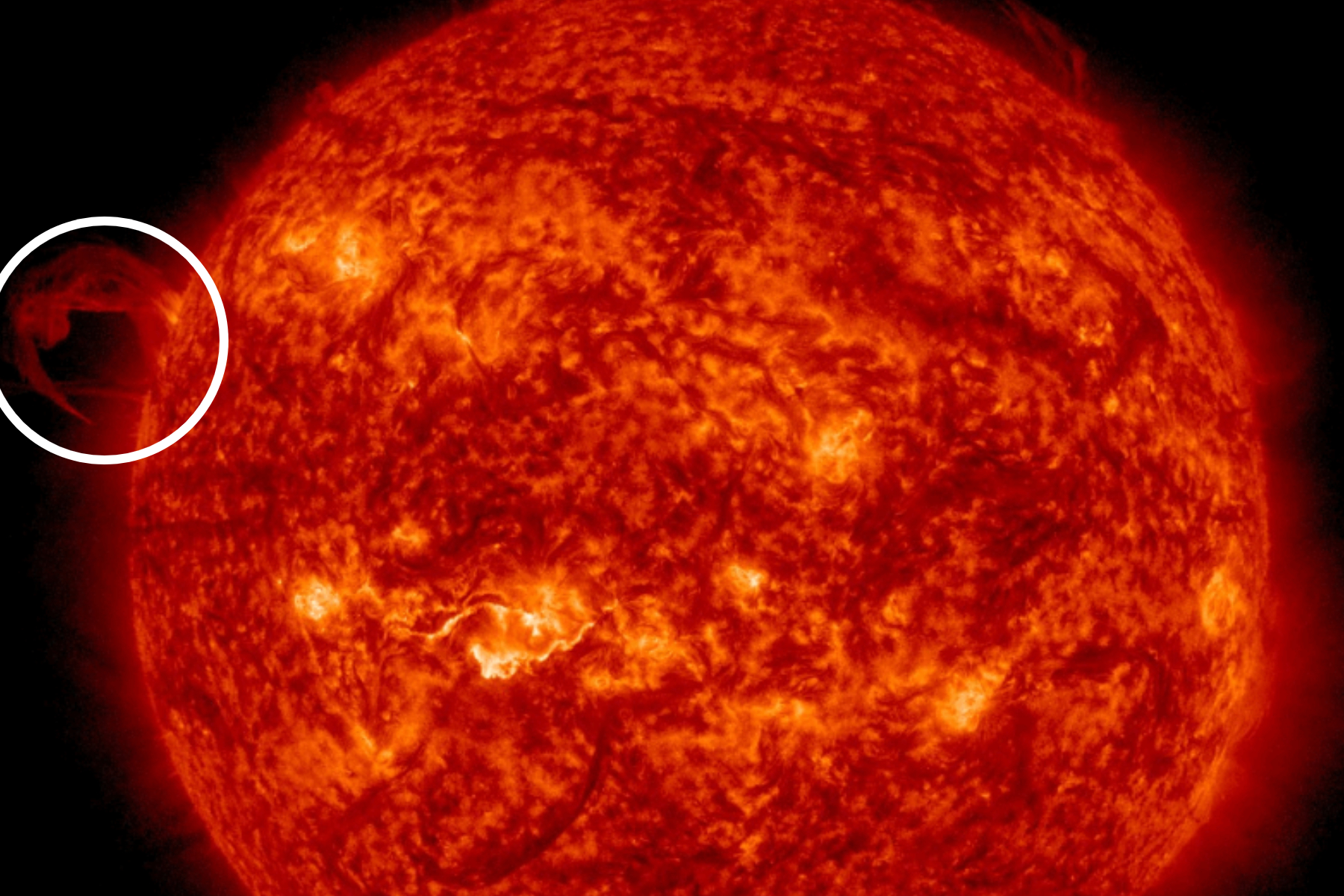
A solar storm is expected to hit Earth's atmosphere today, potentially causing disruptions to GPS, radio, and satellite systems. The storm, rated as a moderate G2 event with a chance of G3, could also lead to power grid issues and the northern lights being visible further south than usual. The storm is the result of a coronal mass ejection (CME) from the sun, triggered by magnetic activity on the sun's surface. While the general public is not expected to be significantly impacted, some technological issues may arise as the CME collides with Earth's magnetosphere.

"Potential GPS Disruption and Northern Lights Forecasted as Solar Storm Approaches Earth"
science-and-technology2 years ago

"Potential GPS Disruption and Northern Lights Forecasted as Solar Storm Approaches Earth"

A solar storm is expected to hit Earth's atmosphere today, potentially causing disruptions to GPS, radio, and satellite systems. The storm, rated as a moderate G2 event with a chance of G3, could also lead to power grid issues and the northern lights being visible further south than usual. The storm is the result of a coronal mass ejection (CME) from the sun, triggered by magnetic activity on the sun's surface. While the general public is not expected to be significantly impacted, some technological issues may arise as the CME collides with Earth's magnetosphere.

"Sun's Explosion Triggers Geomagnetic Storm Watch: Northern Lights Forecast for These States"
science-and-technology2 years ago

"Sun's Explosion Triggers Geomagnetic Storm Watch: Northern Lights Forecast for These States"

A solar storm is expected to hit Earth today, causing disruptions to GPS, radio, and satellite systems. The coronal mass ejection (CME) from the sun could trigger geomagnetic storms as intense as G2 or G3, leading to auroras seen further south than usual. These storms can disrupt power grids, communications, and GPS navigation, as well as pose a danger to satellites and astronauts. The impact of the solar storm depends on the strength of the CME, with more powerful storms causing more widespread disruptions.

Incoming Destructive Solar Storm Threatens Earth
science-and-technology2 years ago

Incoming Destructive Solar Storm Threatens Earth

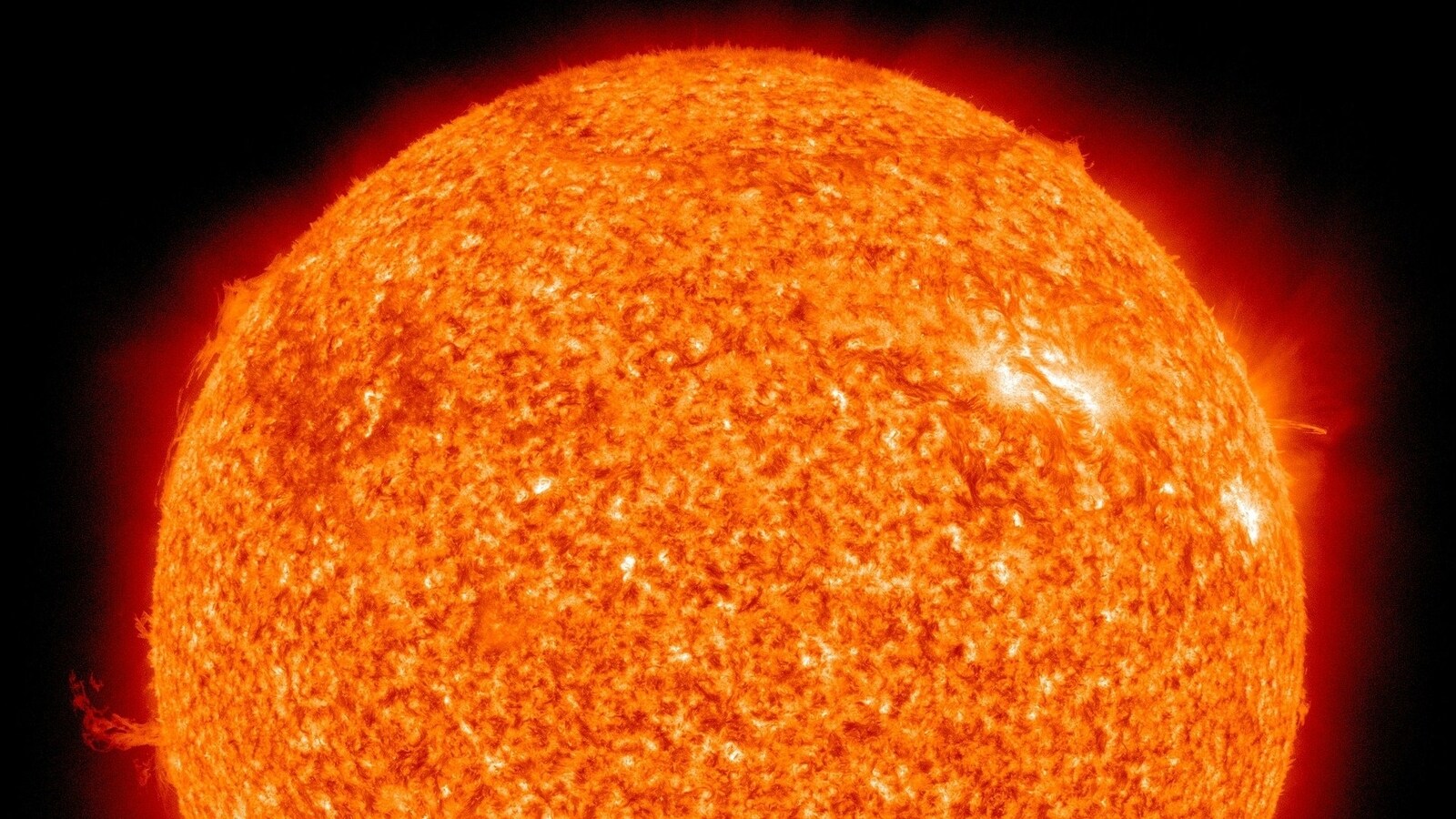
Another coronal mass ejection (CME) cloud is expected to strike the Earth on April 27, sparking a geomagnetic storm. Despite being a glancing blow, it can still cause a G1 to G2 class geomagnetic storm, leading to radio blackouts, GPS disruptions, and damage to smaller satellites. NASA's SOHO satellite is monitoring the sun's activity and its effects on the solar system.