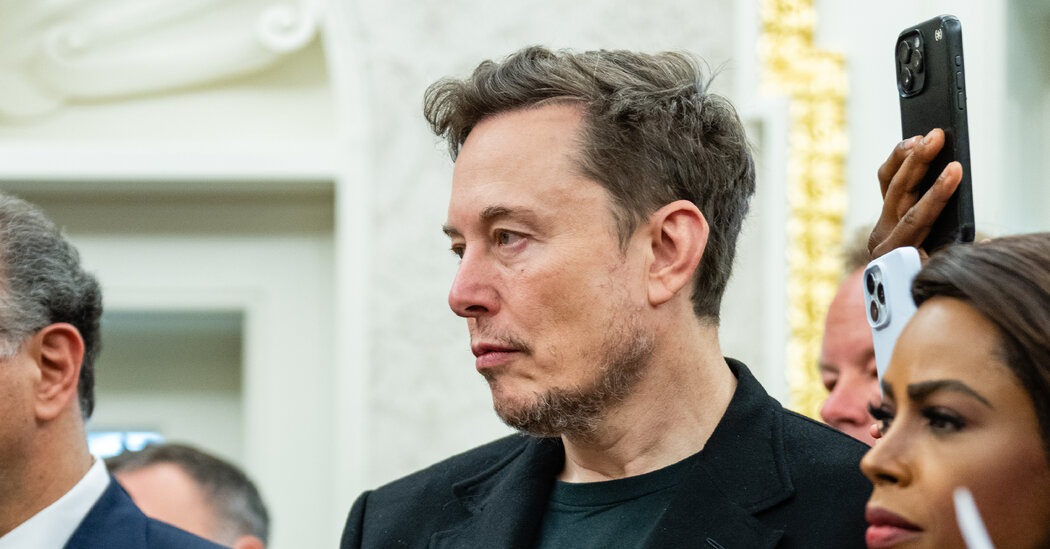
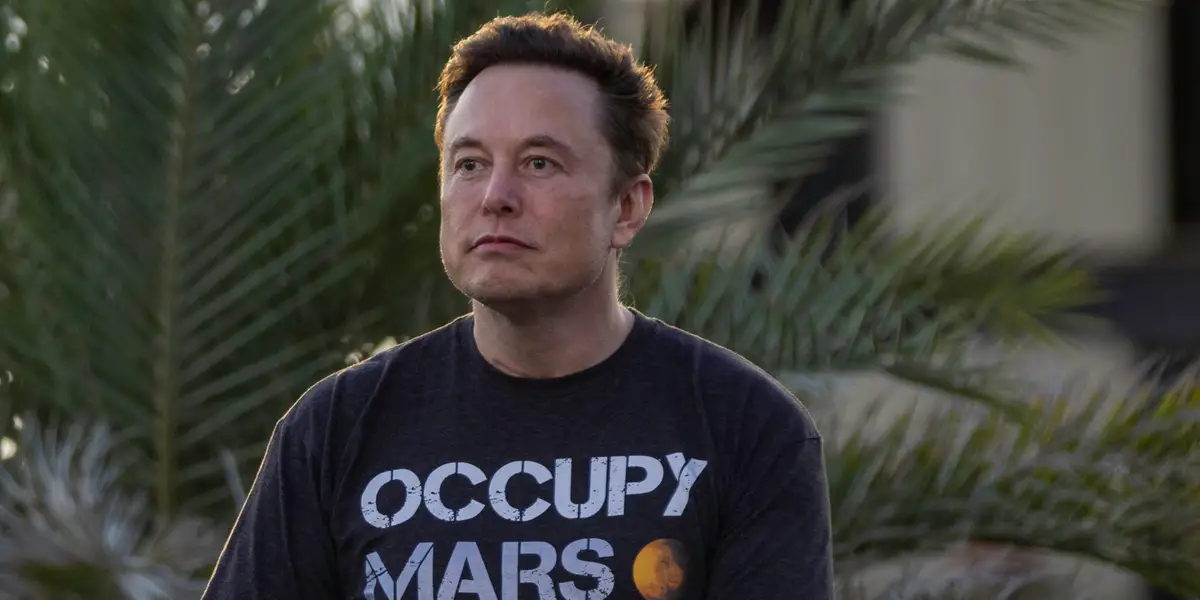
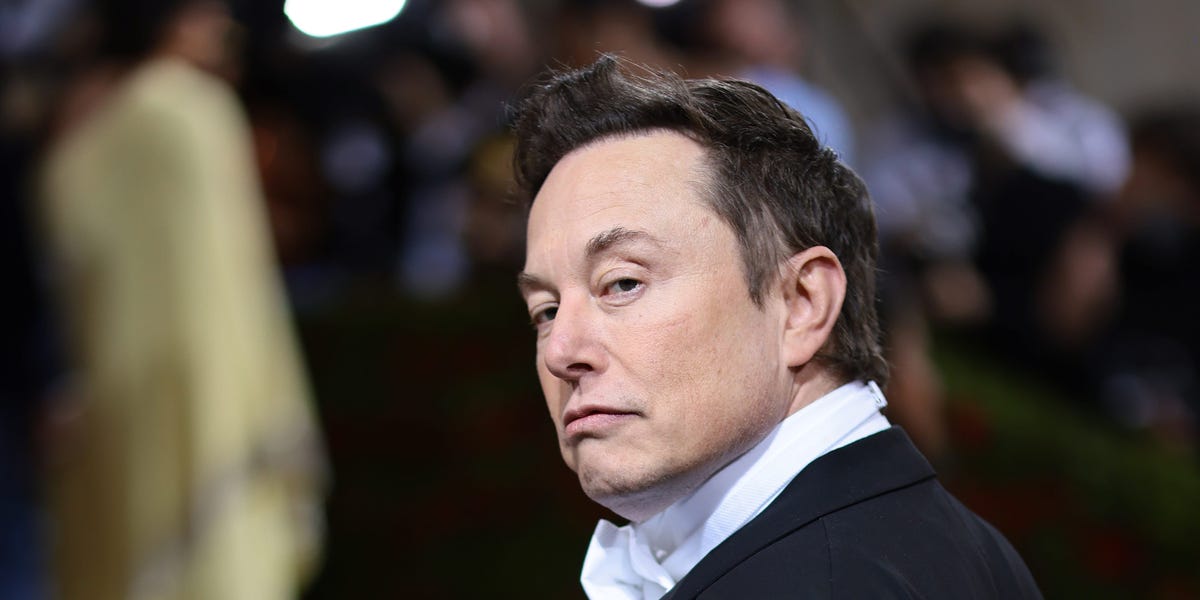
Elon Musk has stepped down from his government role after a period of declining influence and conflicts with President Trump and shareholders, leaving his companies with less regulatory oversight and a diminished political presence.
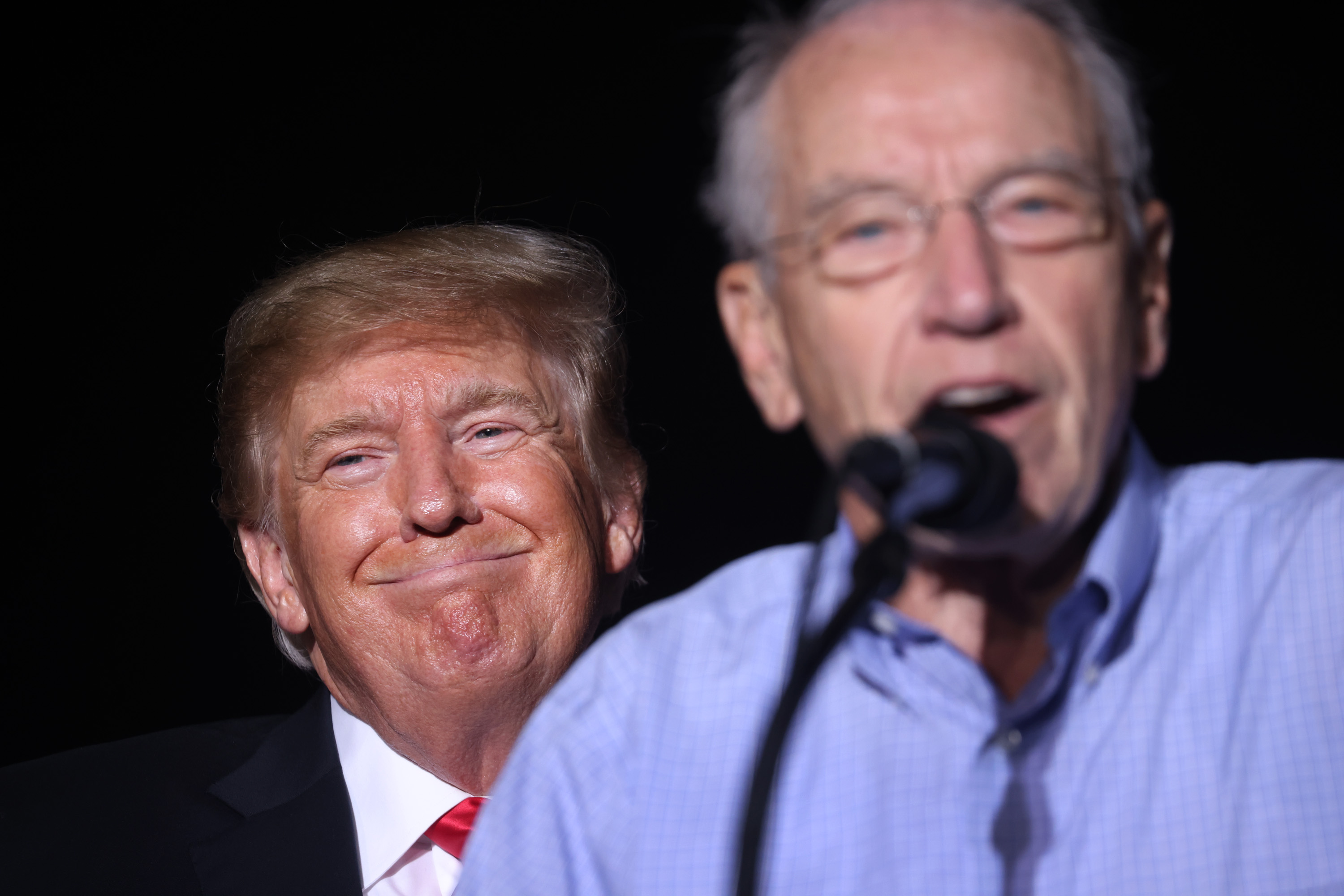
Concerns are rising in Washington that President-elect Donald Trump may push for the removal of numerous government inspectors general, potentially replacing them with his own appointees. This move could face opposition from Sen. Chuck Grassley, a staunch advocate for independent oversight. The recent resignations of two intelligence agency IGs have heightened fears of a broader exodus, which could undermine the independence and effectiveness of federal oversight. While some Trump allies support a complete overhaul of IGs, others warn that politicizing these roles could damage their credibility and effectiveness.
Current and former employees from major AI companies, including OpenAI, Google DeepMind, and Anthropic, have signed an open letter demanding stronger whistleblower protections and greater transparency. The letter criticizes broad confidentiality agreements that prevent employees from voicing concerns and calls for government oversight to mitigate risks associated with powerful AI systems. The signatories urge AI companies to commit to non-retaliation, support anonymous whistleblowing, foster open criticism, and avoid restrictive non-disparagement agreements. This comes amid increased scrutiny of OpenAI's practices and concerns over the unchecked development of AI technology.
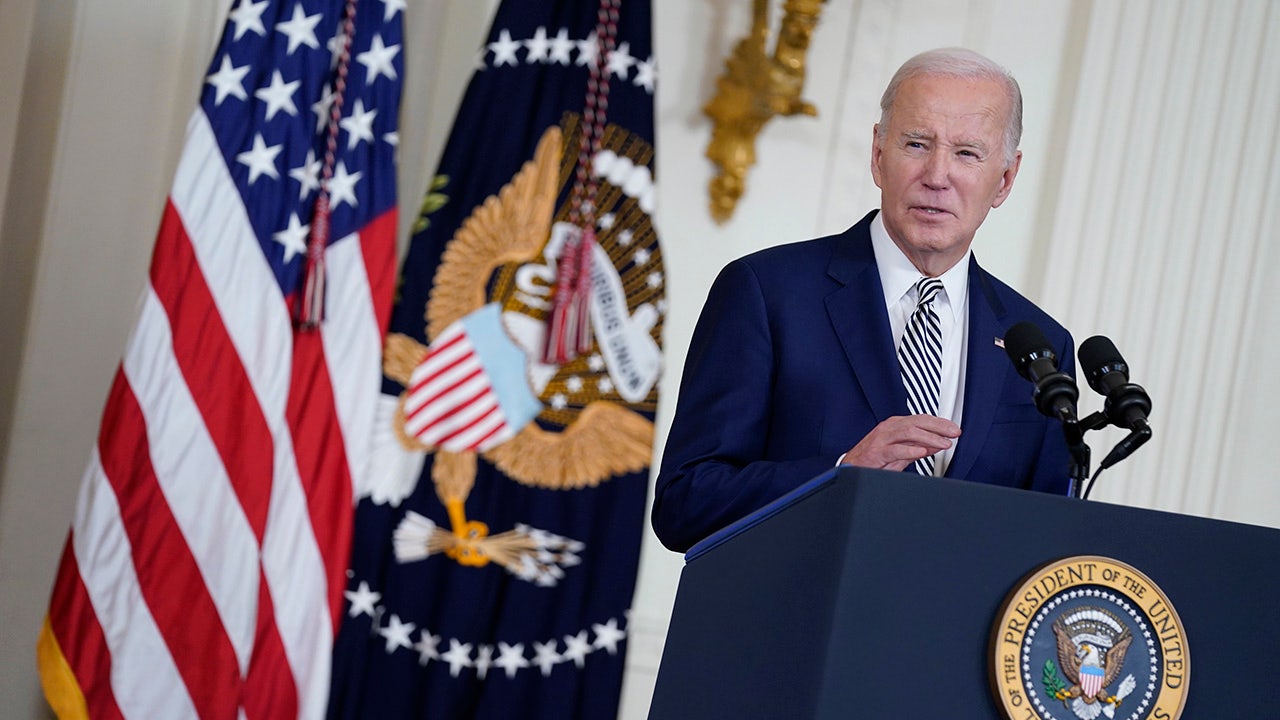
Experts warn that the Biden administration's new rules for regulating artificial intelligence, as outlined in the president's executive order, may be misguided and could lead to selective and inconsistent enforcement. While some believe it is important to establish standards for the industry, others express skepticism about government oversight and fear potential stifling regulations that could impact America's global edge in AI technology. The administration faces the challenge of balancing safety standards with innovation while creating reasonable regulations that protect consumers and support industry innovation.
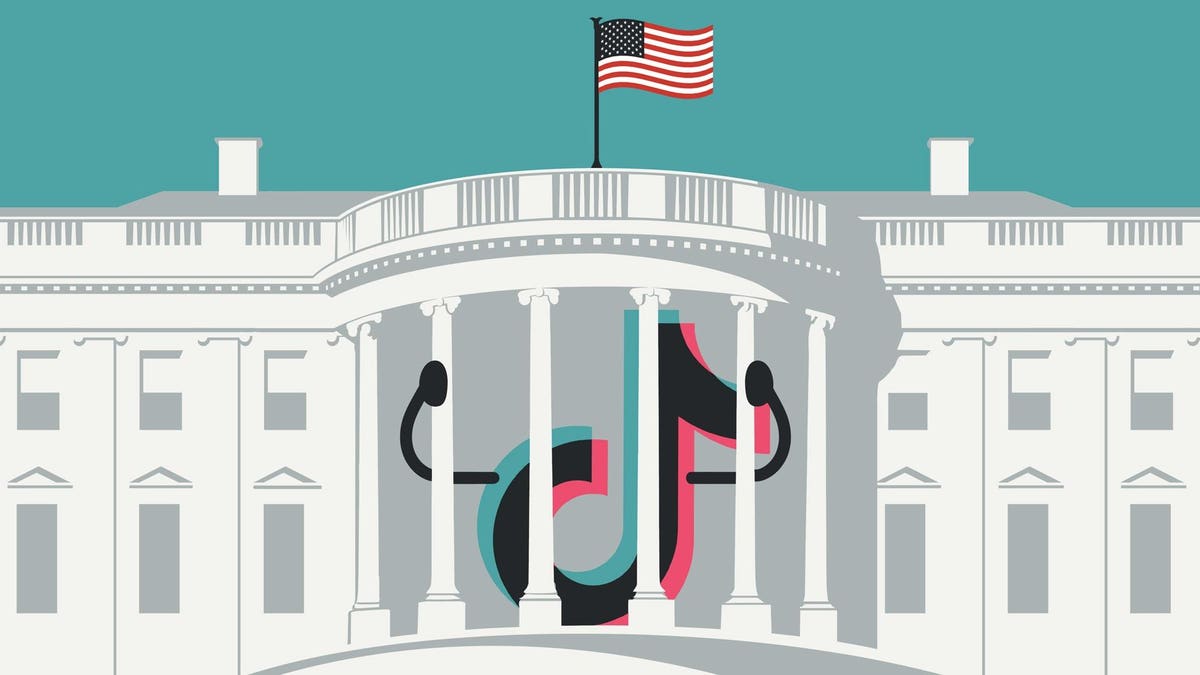
A draft agreement between TikTok's parent company ByteDance and the U.S. government reveals the extent of control the government would have over the Chinese-owned app. The agreement, which aims to address national security concerns, would grant government agencies unprecedented oversight powers, including the ability to access internal TikTok information, block changes to the app's policies, and veto executive hires. The draft also outlines extensive supervision by independent investigative bodies and the exclusion of ByteDance leaders from certain security-related decision-making. While the agreement seeks to prevent foreign interference, critics argue that it could give the U.S. government the power to censor or distort content on TikTok. The status of negotiations and any potential changes to the draft agreement remain unclear.
Likud MK Eli Dallal has announced that he will withdraw his bill to split the position of the attorney general, stating that he never intended to advance it in the current Knesset. The bill, which generated outrage from the opposition and anti-government protest groups, had been advanced through a preliminary bureaucratic step in the Knesset. Dallal would need the agreement of all 10 cosponsors of the bill to withdraw it. The right-wing has long sought to split the attorney general position, arguing that it combines too much power in one individual.
Fraudsters potentially stole more than $280 billion in COVID-19 relief funding, while another $123 billion was wasted or misspent, representing 10% of the $4.2 trillion the US government has so far disbursed in COVID relief aid. Investigators and outside experts say the government conducted too little oversight during the pandemic’s early stages and instituted too few restrictions on applicants. Most of the looted money was swiped from three large pandemic-relief initiatives launched during the Trump administration and inherited by President Joe Biden.
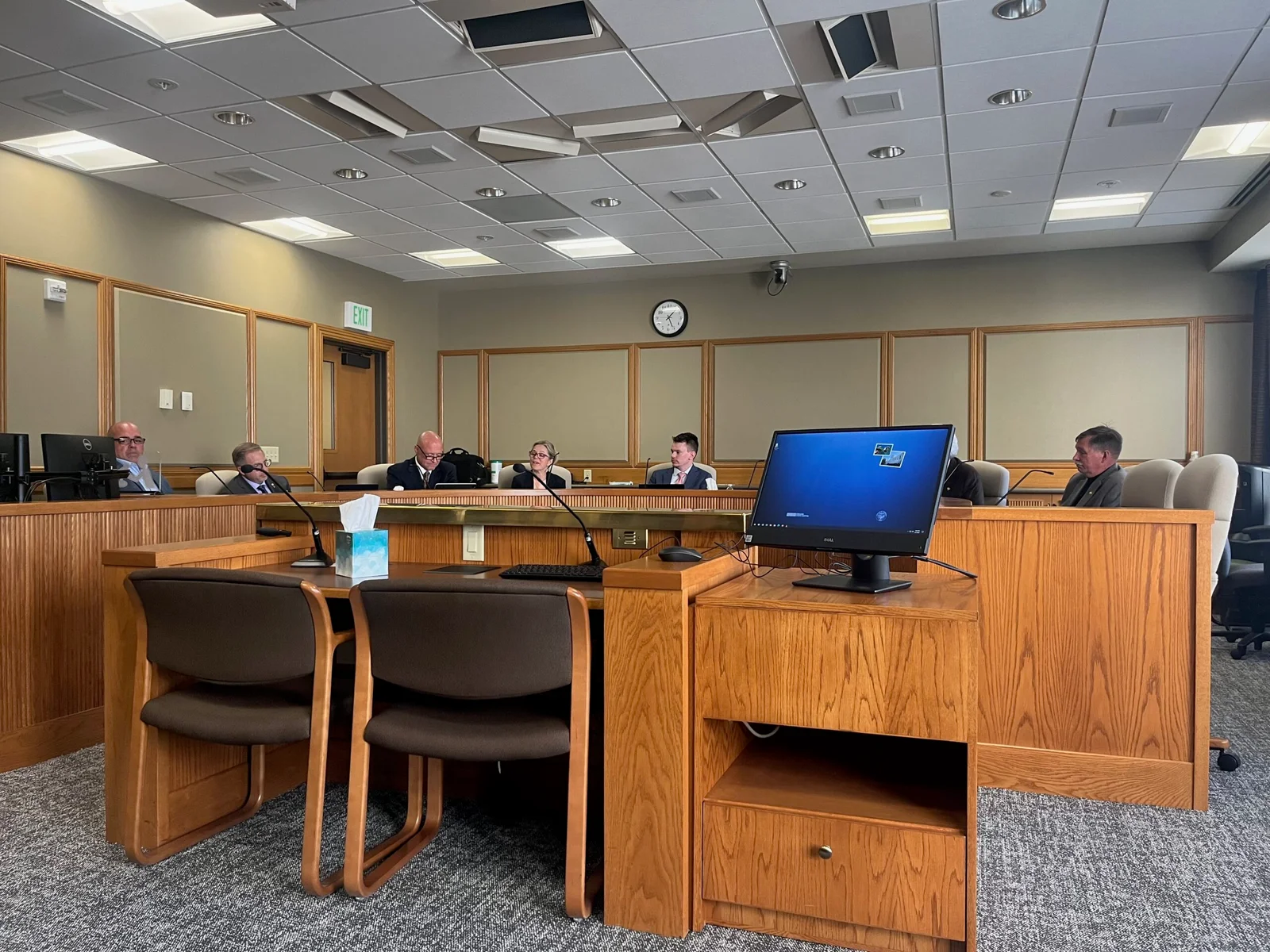
Senate Republicans in Oregon, who have been in a walkout for five weeks, joined an unofficial legislative committee to prove a culture of corruption among Democrats. However, during public comment, Oregonians told Republicans to stop staging a tantrum over bills they don’t like and get back on the job. The committee, limited in what it can accomplish, plans to file public records requests and continue meeting every couple of weeks to discuss government oversight. Senate Republicans will have their next chance to decide whether to grant a quorum and allow the Senate to resume passing bills at 10:30 a.m. Monday.
Elon Musk expressed concern about AI technology and advised his kids to pursue work that will be useful to humanity. He said finding fulfillment can be difficult "if the AI can do your job better than you can." Musk has repeatedly expressed concern about the technology and stressed a need for government oversight. Ultimately, he advised people entering the workforce to pursue work that will be fulfilling and contribute some good to society.
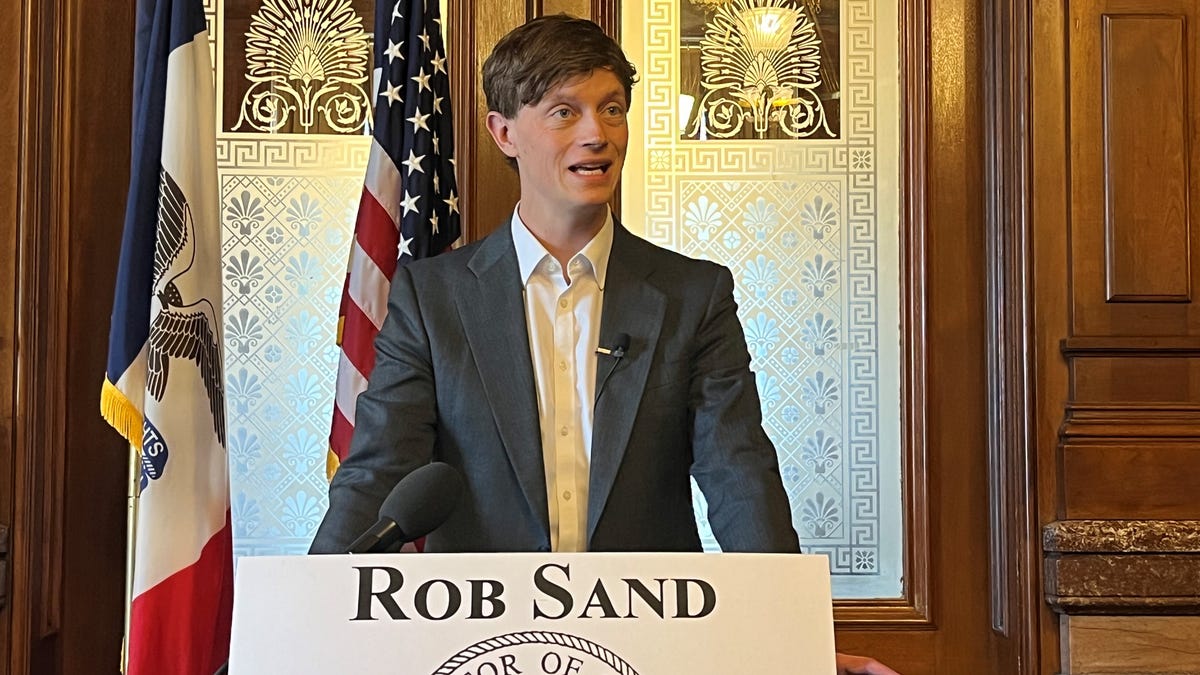
The Iowa House passed a bill that would restrict the state auditor's access to certain types of personal information and prevent the auditor's office from going to court against state government agencies. Republicans argue that the limits are necessary to protect Iowans' privacy, while Democrats and state auditors around the country counter that it would hamper the auditor's independence and limit the office's ability to oversee more than $12 billion in taxpayer-funded programs. The bill now goes back to the Senate for approval.
Elon Musk has warned that advanced artificial intelligence (AI) is "a danger to the public" and called for government oversight. Despite this, he is reportedly establishing his own generative AI project called X.AI and plans to start "TruthGPT," a maximum truth-seeking AI that tries to understand the nature of the universe. Musk believes that an AI that cares about understanding the universe is unlikely to annihilate humans because we are an interesting part of the universe.
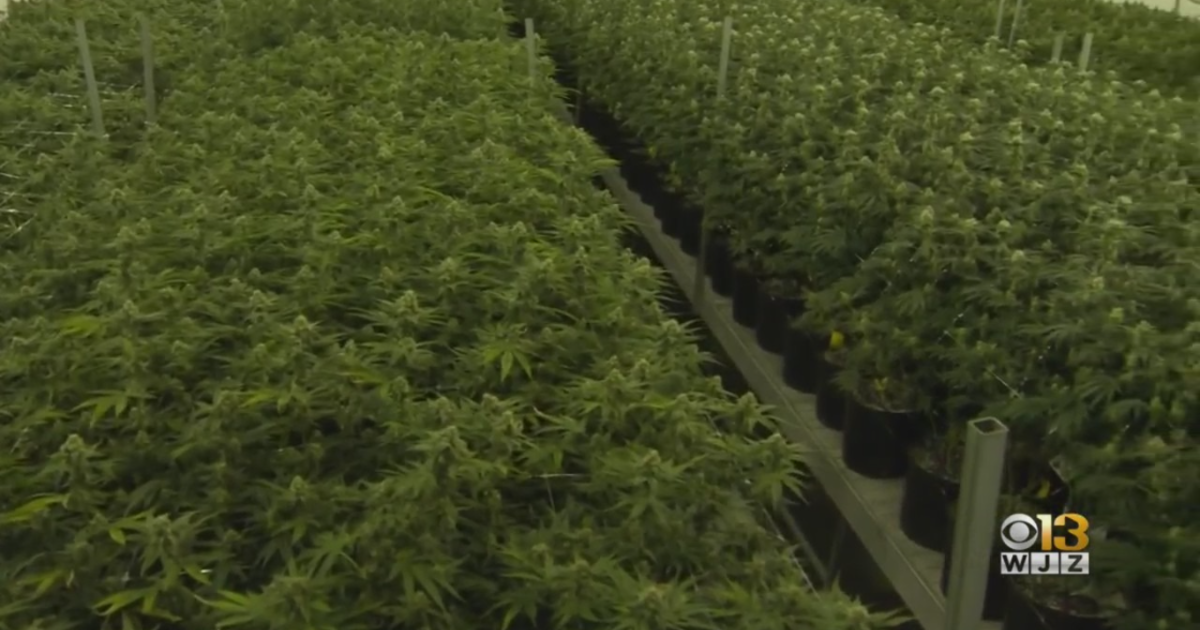
Maryland lawmakers have established rules for the sale of recreational marijuana, allowing people aged 21 and older to buy cannabis from July 1. The legislation also addresses commerce-related issues such as the number and types of cannabis business licenses that will be available, sets the amount of sales tax those businesses must charge, and establishes a framework for government oversight. The new cannabis rules will become official once Gov. Wes Moore signs the bill into law.
The failure of Silicon Valley Bank's climate-focused funds highlights the need for better bank regulation and government oversight to ensure financial stability in the face of climate change. The lack of clear risk management standards and equity supervision in the banking industry leaves investors vulnerable to the potential financial impacts of climate change.
The US government plans to overhaul the organ transplant system, including breaking up the monopoly power of the nonprofit organization that has run it for the past 37 years. The proposal aims to create a competitive environment in the history of the transplant system, install a strong board of directors independent of UNOS, create a public dashboard for the voluminous data the system generates, and bring more transparency to the sometimes opaque process of how patients and organs are matched. The Biden administration has committed $67 million in its proposed fiscal 2024 budget for what Johnson is calling a “modernization” of the transplant network.