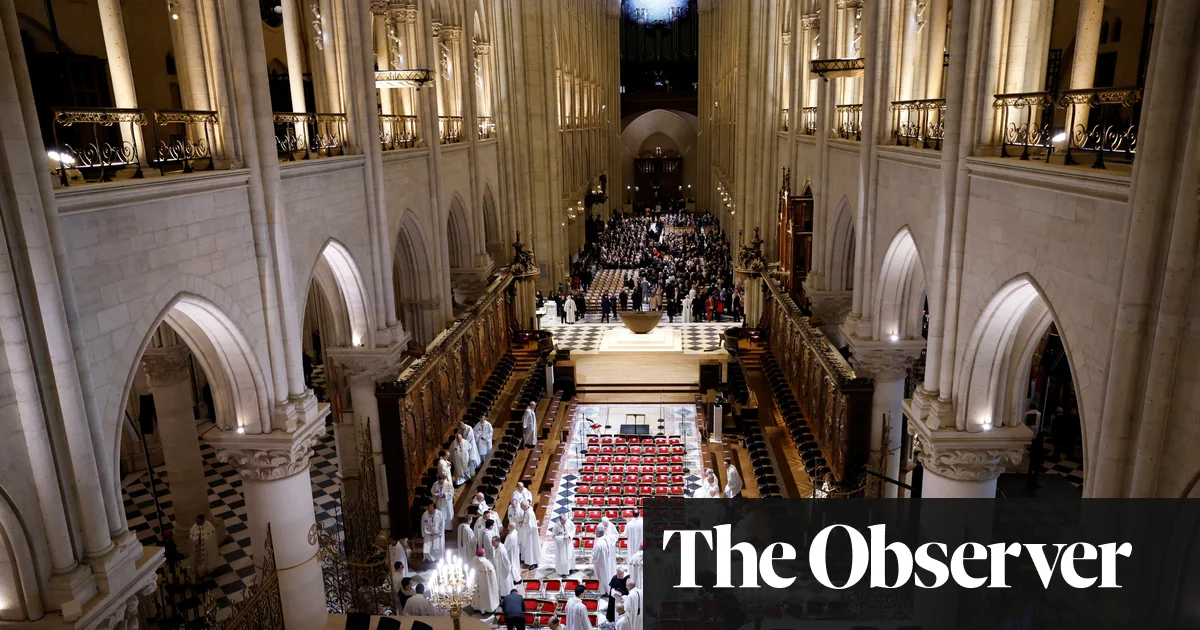
Notre Dame Cathedral in Paris has officially reopened after a five-year restoration following a devastating fire in 2019. The grand reopening was attended by global leaders and marked by a ceremony led by French President Emmanuel Macron, who hailed the restoration as a symbol of French pride and international cooperation. The event also comes amid political turmoil for Macron, who is navigating a domestic crisis following the resignation of his prime minister. The restoration, costing €700 million, involved extensive efforts to return the cathedral to its original splendor, drawing on traditional craftsmanship and global support.
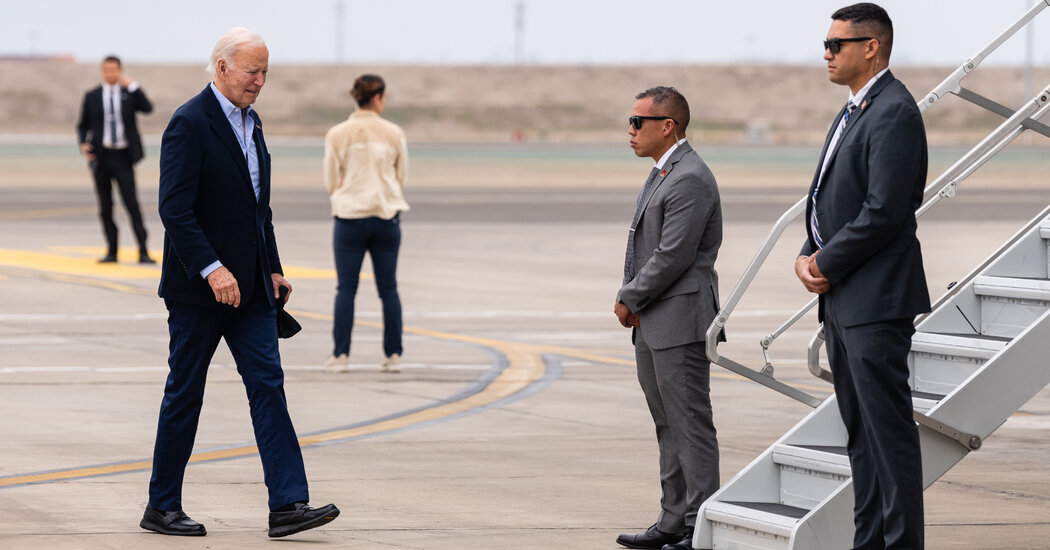
President Joe Biden is making a final effort to engage with global leaders as former President Donald Trump remains a significant figure in U.S. politics. This diplomatic push aims to reinforce international alliances and address global challenges amidst the backdrop of Trump's continued influence.
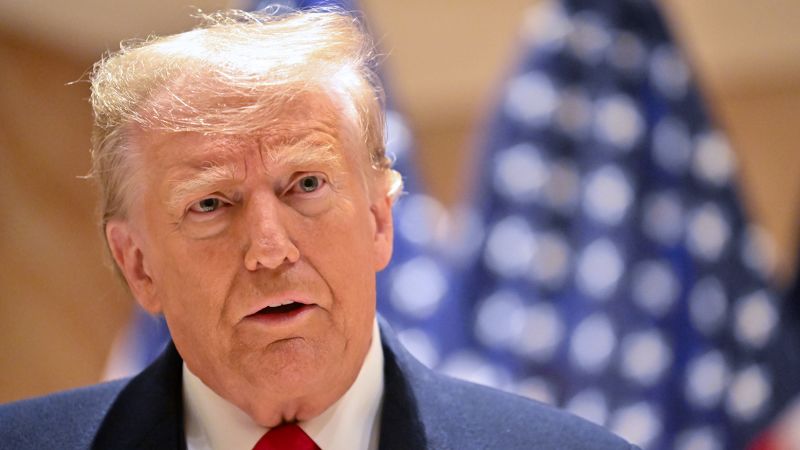
Donald Trump's political power is growing as he dominates national primary polling and gains influence in Washington, causing concern among global leaders. His potential return to the presidency is causing unease in Europe, with fears of a "Trump 2.0" impacting international relations. Trump's influence is dictating GOP lawmakers' positions on key issues, and his strongman presidency aspirations are worrying some Democrats. His behind-the-scenes pressure is affecting immigration deals and funding for Ukraine, while his growing domestic power is evidenced by a rush of GOP lawmakers endorsing him.
Political and business leaders gather at the World Economic Forum in Davos, Switzerland to discuss the impact of high interest rates and the potential for a "new normal." Discussions include the European Central Bank's stance on interest rate cuts, with French central bank chief François Villeroy de Galhau emphasizing a data-driven approach, and ECB member Mario Centeno highlighting positive inflation progress in the euro zone. The panel also explores whether high interest rates will become the "new normal" and their implications for markets.
As global leaders convene in Davos, the global economy in 2024 is expected to experience a soft landing with anticipated interest-rate cuts to bolster growth and markets worldwide. However, potential threats loom, including the impact of the Houthis, hyperinflation, and other risks stemming from years of conflict, pandemic, and financial instability.
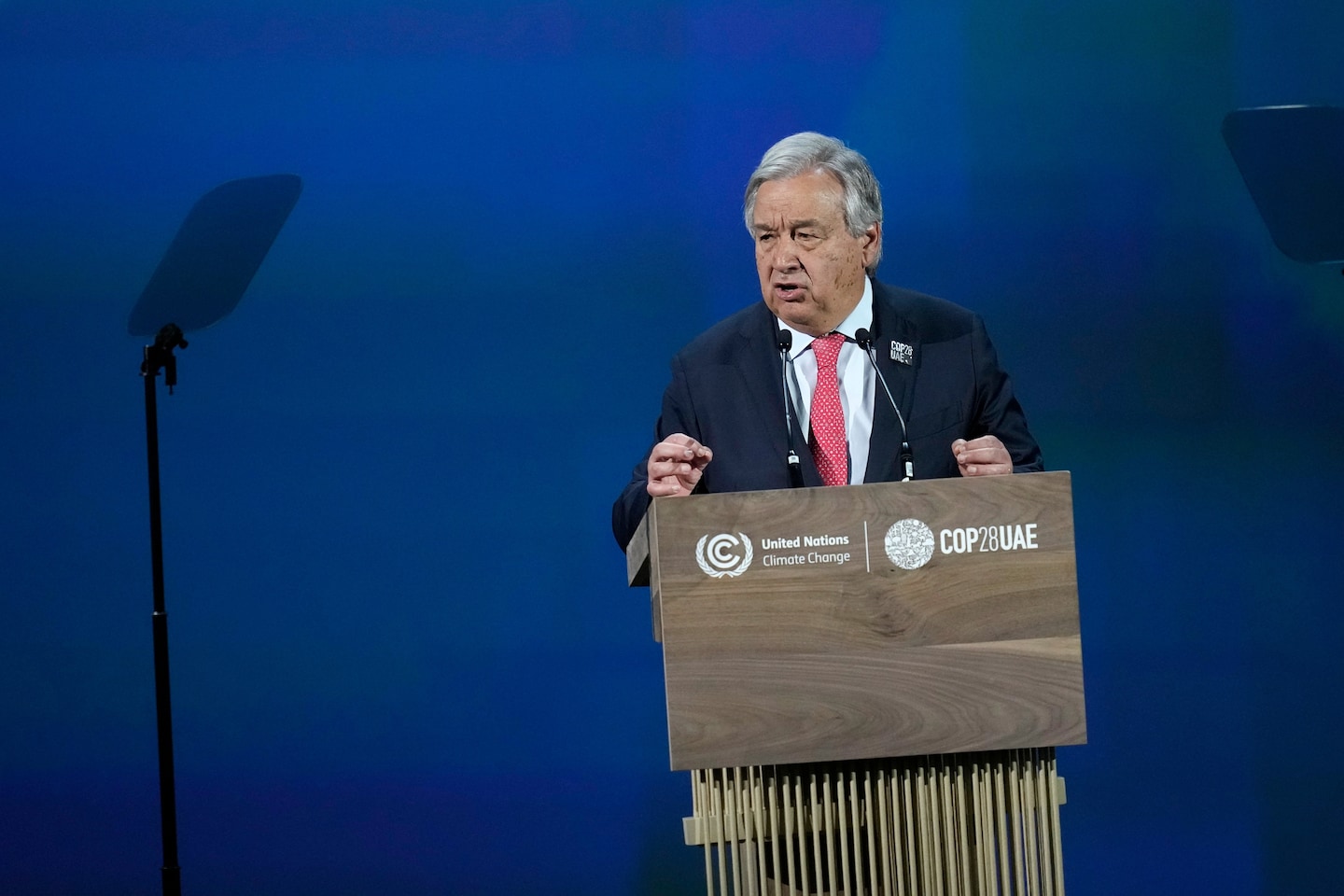
U.N. Secretary General António Guterres warns that the world is running out of time to limit global warming to 1.5 degrees Celsius, calling for urgent action to prevent a "planetary crash and burn" at the U.N. climate change conference, COP28. Guterres emphasizes the need to phase out fossil fuels and highlights the failure of leaders since the 2015 Paris agreement in reducing emissions. The summit aims to assess progress and determine if there will be an agreement to address the planet's dire situation. Notable leaders, including President Biden and Chinese President Xi Jinping, are absent from the event.
International delegates attending the G20 Gala dinner hosted by President Droupadi Murmu embraced Indian fashion, with several top foreign dignitaries donning traditional Indian ensembles, including the President herself who wore a beige saree with a turquoise border. PM Modi opted for a blue V-neck striped jacket, while others chose Western outfits.
While former US President Donald Trump faces criminal charges, many other democracies have prosecuted their current or former leaders for corruption, including France, Italy, South Korea, Argentina, Israel, and Brazil. The US is entering unprecedented territory, as it may be the first time a president or former president is held accountable for actions before, during, or after being in office. The fact that Trump is indicted for covering up hush money paid to adult film actress Stormy Daniels during his 2016 presidential election campaign may be seen as a more legitimate case because he cannot argue that he took those particular actions in the course of his presidential duties.
President Biden's virtual democracy summit was criticized for its lack of concrete actions and the absence of key global leaders. The summit aimed to address the rise of authoritarianism and promote human rights, but some experts argue that the US needs to lead by example and address its own democratic shortcomings.
President Joe Biden has pledged $690 million to bolster democracy programs globally at the opening of his second Summit for Democracy, which aims to make "technology work for and not against democracy." The summit will focus on strengthening transparent, accountable governance rooted in the consent of the governed, supporting free and independent media, combating corruption, advancing technology that improves democracy, and supporting free and fair elections. The U.S. hosted the last summit on its own, but this time, it recruited four co-hosts after ambassadors from China and Russia criticized the first summit.