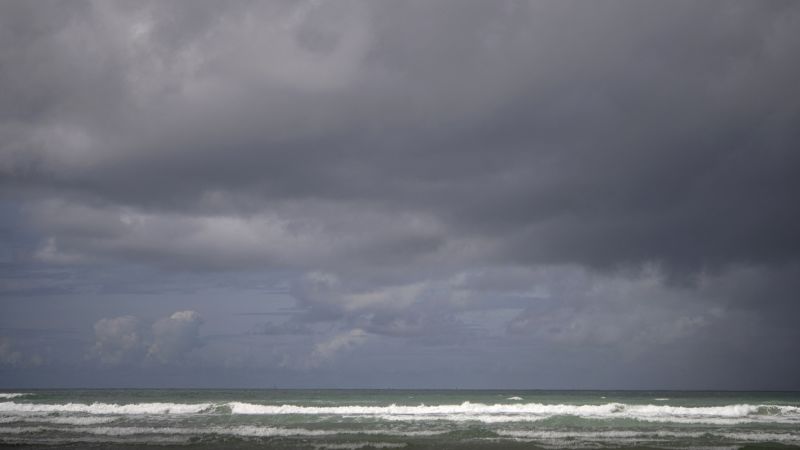
A new study published in Science suggests that the rapid global warming observed last year was partly due to a decrease in low-lying clouds over oceans, which reduced Earth's albedo, allowing more sunlight to be absorbed. This decline in cloud cover, potentially exacerbated by global warming itself, could mean future warming projections are underestimated. The study highlights the complex role clouds play in climate dynamics and the need to understand their behavior to predict future climate changes accurately.
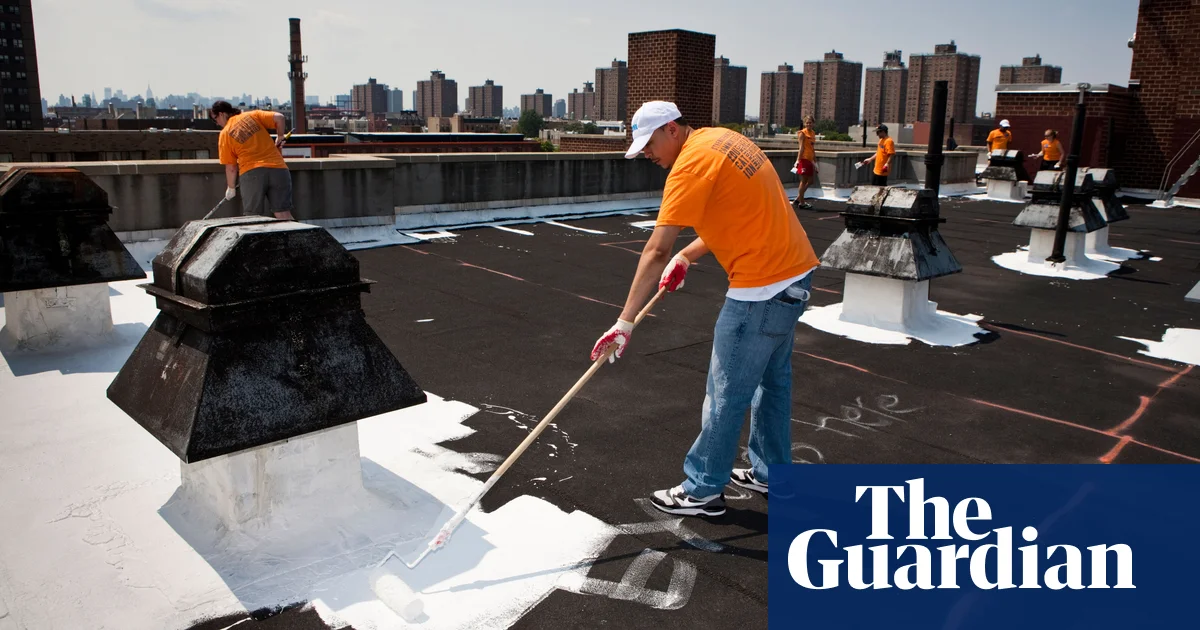
A study by Harvard researchers reveals that painting roofs white to reflect heat can inadvertently increase temperatures in surrounding areas due to changes in local atmospheric circulation. This geoengineering technique, intended to combat urban heat, can lead to increased convection and reduced rainfall, potentially exacerbating climate inequity by causing additional warming in neighboring regions. The findings highlight the complexity of implementing such solutions and their unintended consequences on local climates.
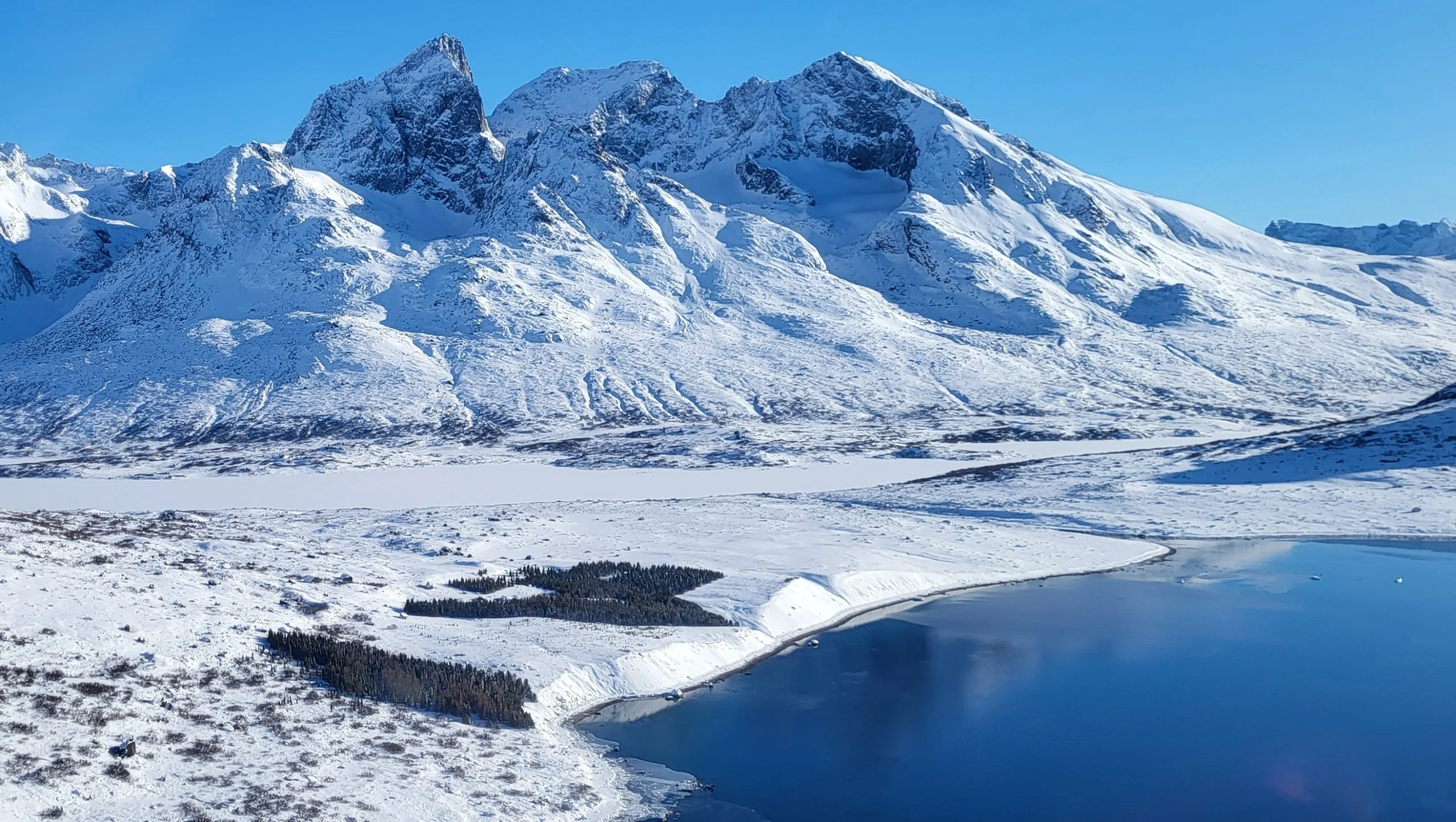
Planting trees at high latitudes, such as in the Arctic, may accelerate global warming rather than mitigate it, according to a study in Nature Geoscience. The research highlights that trees in these regions reduce the albedo effect, which reflects sunlight, thus increasing heat absorption. Additionally, Arctic soils store more carbon than vegetation, and disturbances from tree planting can release this carbon. The study suggests alternative strategies, like supporting large herbivores, to maintain open tundra landscapes and reduce warming.
A study published in Nature Geoscience reveals that planting trees in Arctic regions may worsen global warming by reducing the albedo effect, where snow reflects sunlight. Trees absorb more heat and disturb carbon-rich permafrost, releasing stored carbon. The research suggests preserving existing Arctic ecosystems as a more effective climate strategy, highlighting the risks of focusing solely on carbon capture without considering broader environmental impacts.