Tag

Genetic Heritage

All articles tagged with #genetic heritage

science2 years ago

"Unraveling the Denisovans' Genetic Legacy: Implications for Mental Health"

A study led by the Institute of Evolutionary Biology and Pompeu Fabra University has identified a widespread genetic contribution from the Denisovans, an extinct human species, to modern humans. The genetic variant observed affects zinc regulation and may have provided an evolutionary advantage in adapting to the cold. However, this adaptation may have also predisposed modern humans to neuropsychiatric disorders such as depression and schizophrenia. The variant is found in populations worldwide, except in Africa, and is associated with a greater susceptibility to various mental illnesses. Further research is needed to understand the full implications of this genetic heritage on mental health.

science2 years ago

"Unraveling the Denisovans' Genetic Legacy: Implications for Mental Health"

Researchers have identified a genetic adaptation of modern humans that originated from interbreeding with the extinct Denisovans. This genetic variant, involved in zinc regulation and cellular metabolism, helped ancestral populations of Homo sapiens adapt to the cold. However, it may also have predisposed modern humans to psychiatric disorders such as depression and schizophrenia. The variant is found in populations worldwide, except in Africa, and is associated with a greater predisposition to mental illnesses. Further research, including animal models, could provide insights into this predisposition.

science2 years ago

The Neanderthal Connection: Genetic Influence on Pain Sensitivity

Scientists have discovered that certain Neanderthal genes, specifically three variations of the SCN9A gene, are associated with increased sensitivity to pain caused by sharp prodding. These gene variants were found at a high frequency among individuals with Native American ancestry. The study, which analyzed genetic data from over 5,900 individuals across Latin America, suggests that these genes may have been passed down through interbreeding between Neanderthals and modern humans. The researchers also speculate that these genes may have provided an evolutionary advantage in coping with cold conditions. Further research is needed to fully understand the effects of these gene variants.

archaeology2 years ago

Ancient Europeans Preferred Eating Over Burying Their Dead, Study Finds

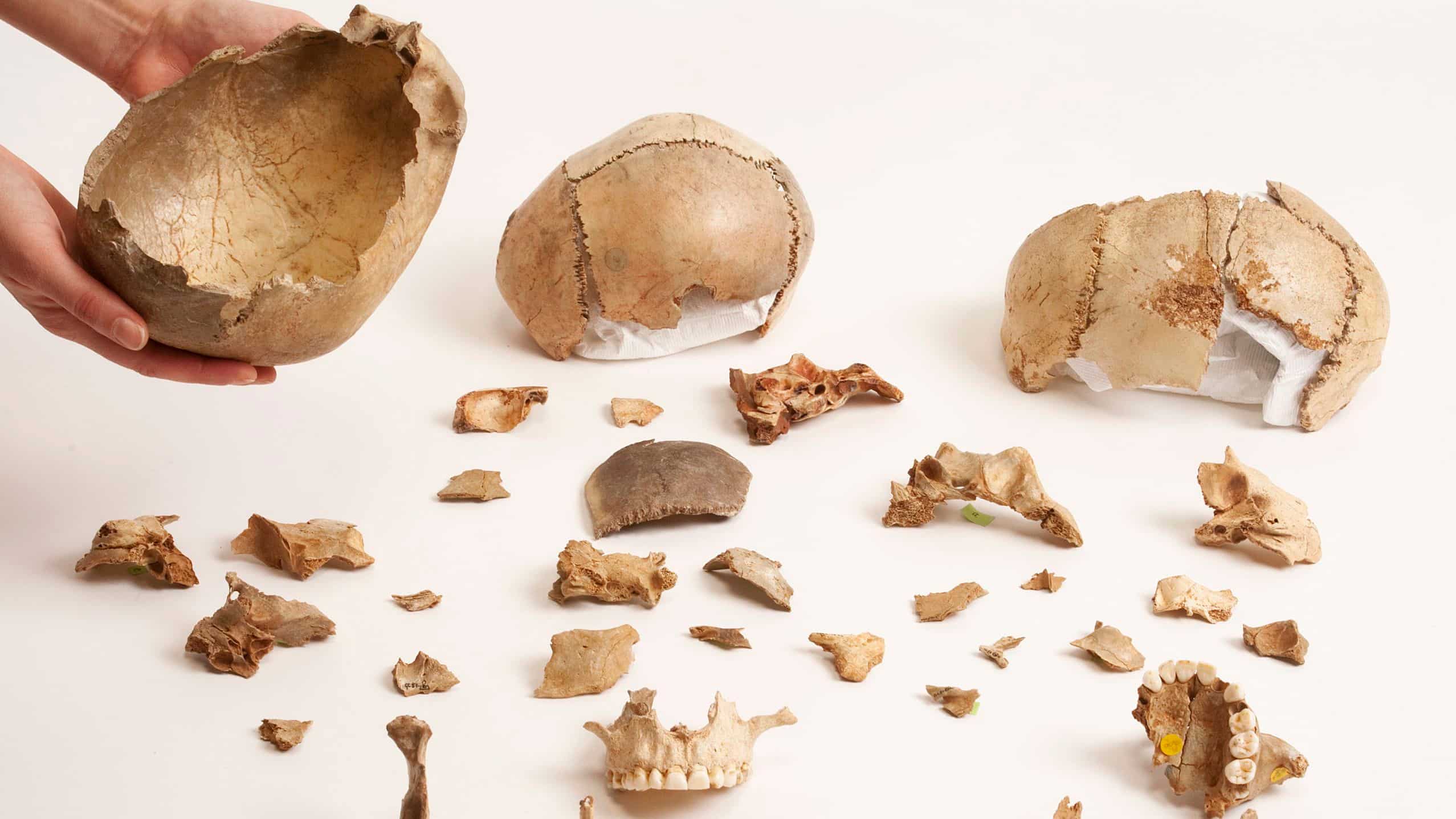
A study published in the journal Quaternary Science Reviews reveals that cannibalism was common in Europe 15,000 years ago during the Magdalenian period. The research found evidence of human remains with chewing and cut marks at 15 Magdalenian sites, suggesting that people would eat their dead relatives as part of their culture and tradition. The study also establishes a connection between burial practices and genetic heritage, showing that individuals from the Magdalenian culture practiced funerary cannibalism, while those from the Epigravettian culture preferred burying their deceased without such practices.

science2 years ago

Chickpea's genetic signatures at cultural crossroads.

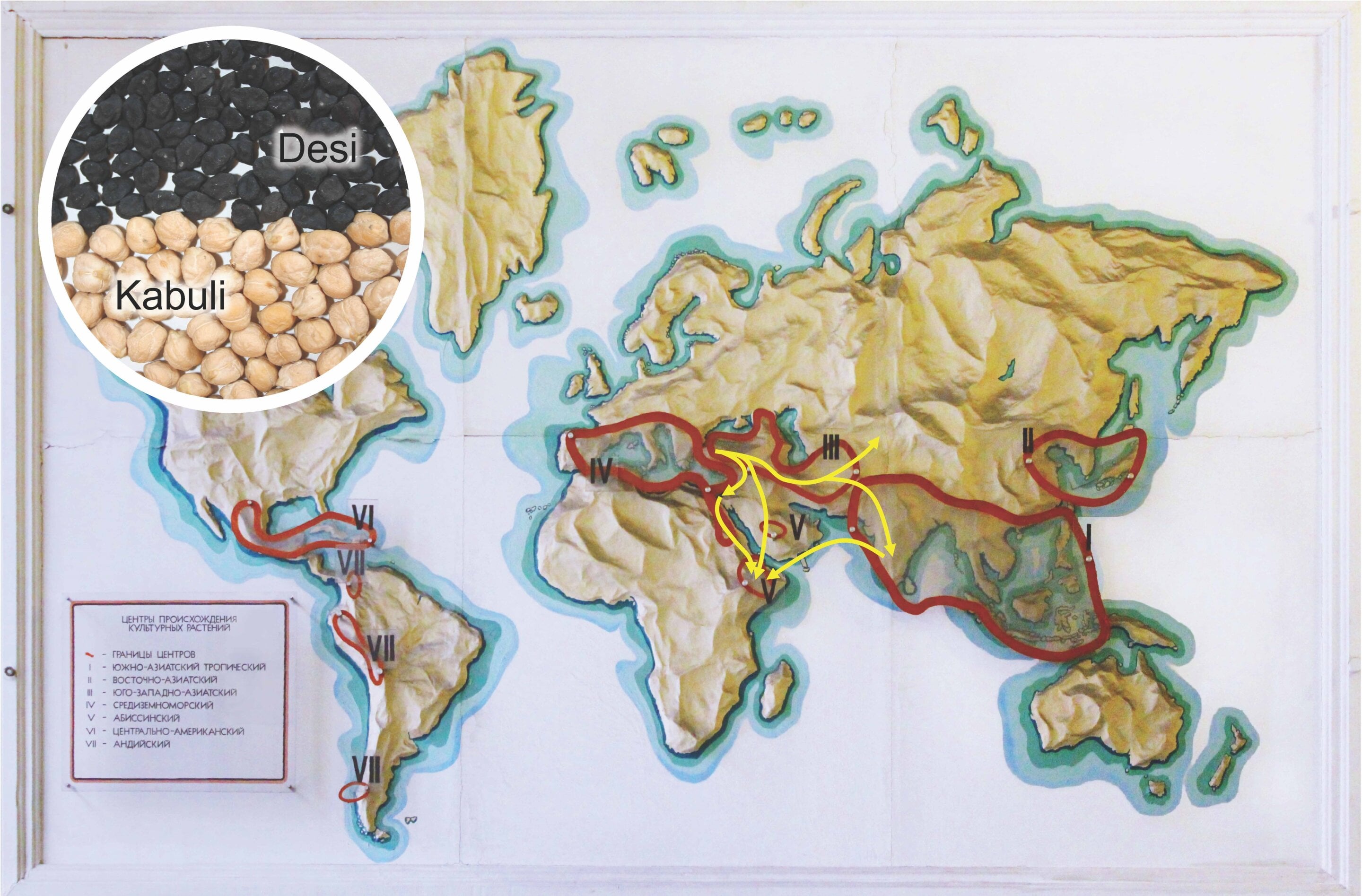
A new study sheds light on the origin, diversification, and spread of chickpeas throughout the Middle East, South Asia, Ethiopia, and the western Mediterranean. The study used genetic data from over 400 chickpea specimens collected in the 1920s and 1930s and developed two new models, popdisp and migadmi, to analyze the data. The results suggest that the spread of chickpea within each region occurred predominantly along trade routes, rather than through simple diffusion. The study also revealed the possible origin of the Ethiopian desi population and the kabuli type from a local desi chickpea population in Turkey.