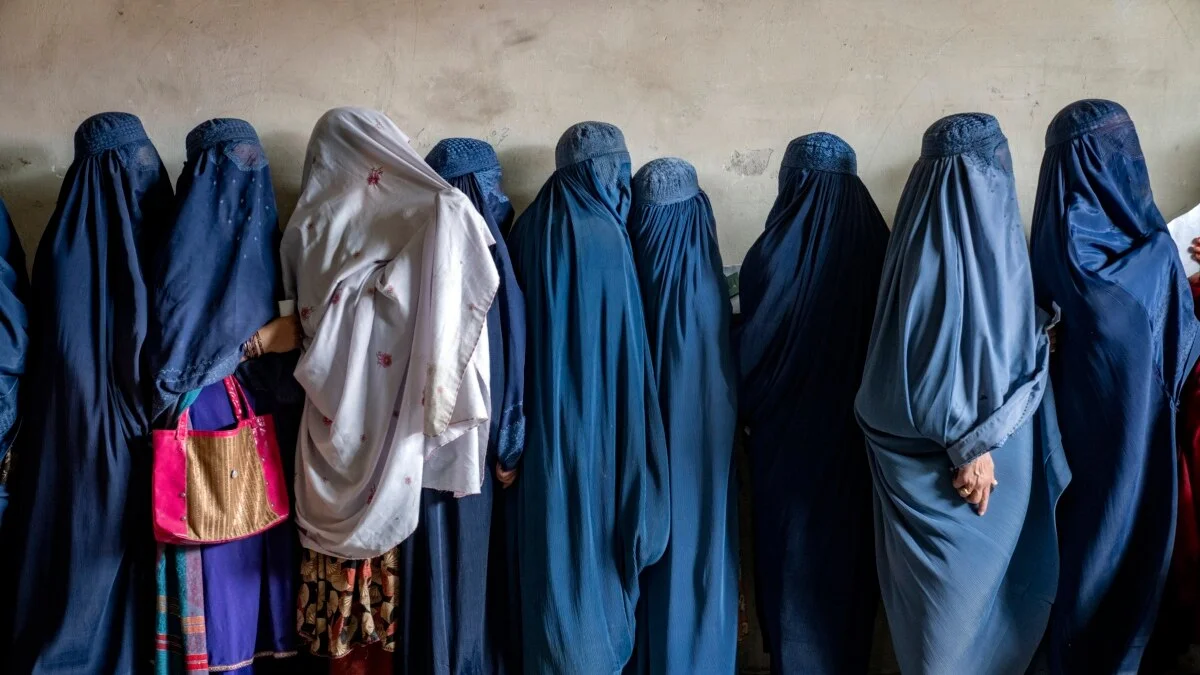
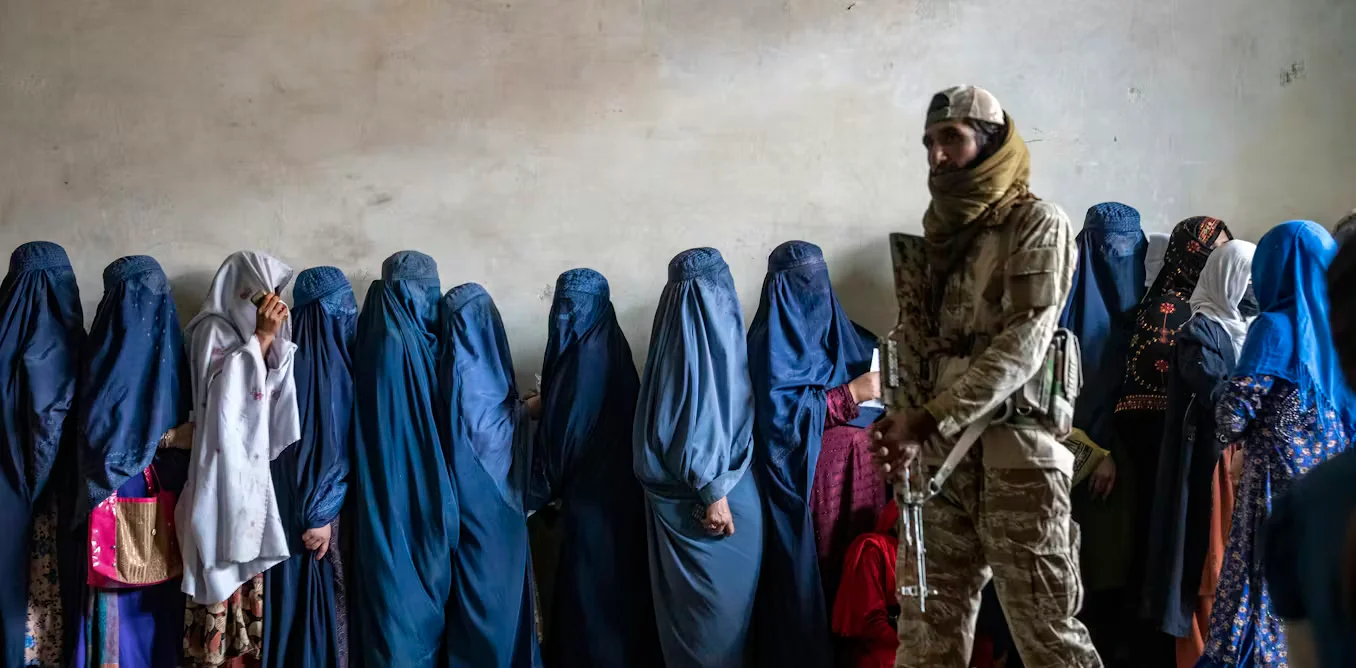
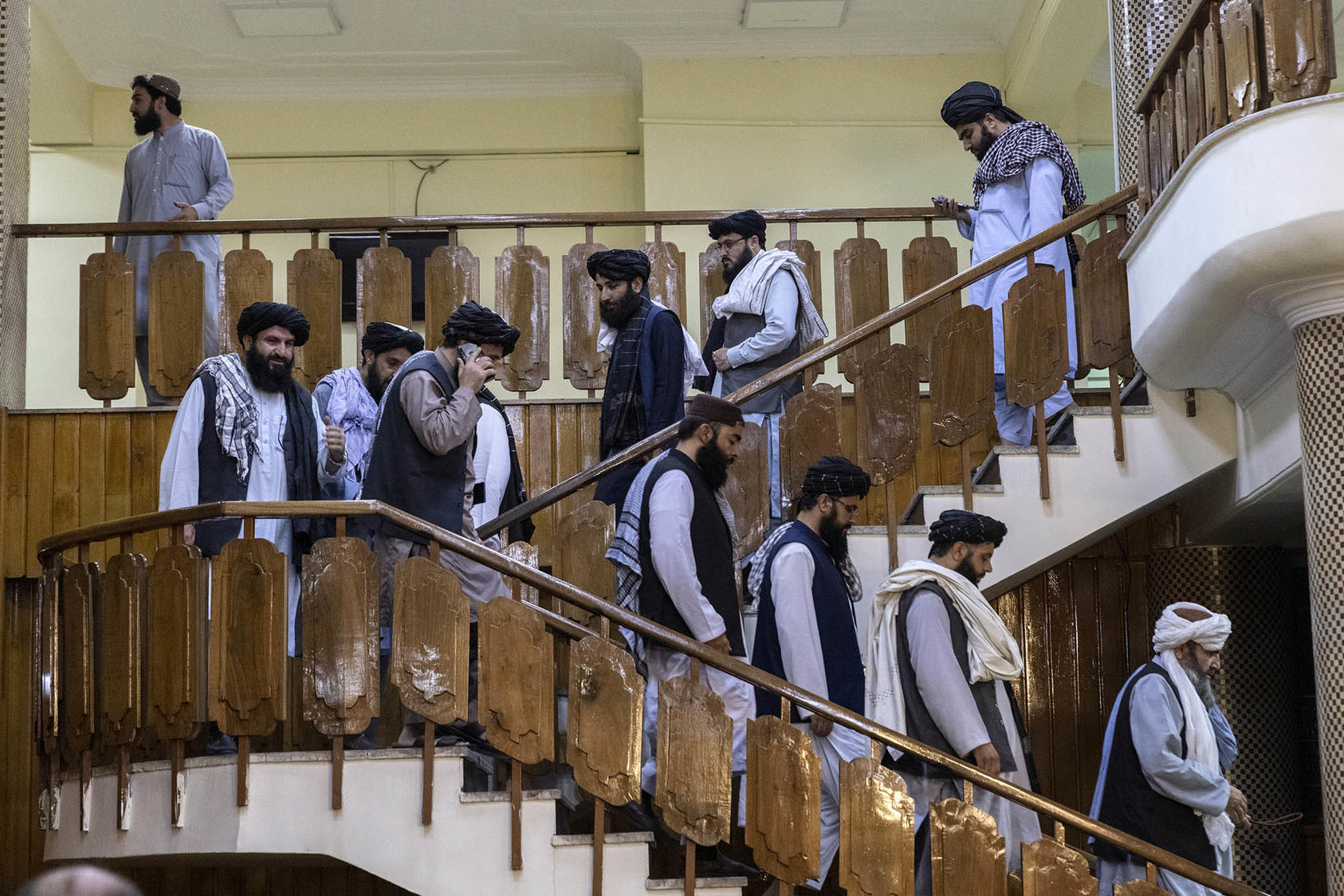
The ICC has issued arrest warrants for Taliban leaders Haibatullah Akhundzada and Abdul Hakim Haqqani, accusing them of crimes against humanity for policies that persecute women and girls in Afghanistan, including bans on education and public life, with calls for international action to enforce accountability.
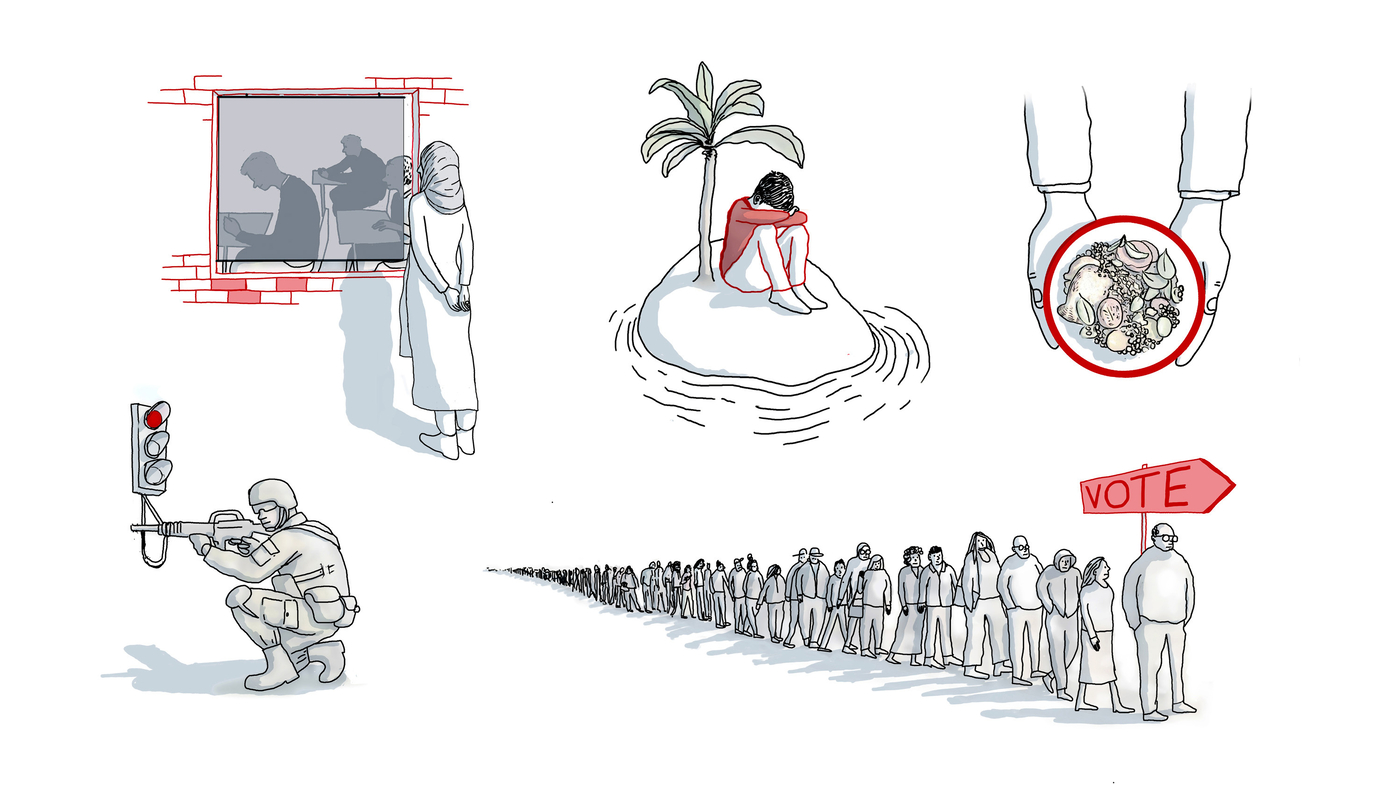
Nobel laureate Malala Yousafzai calls for an end to "gender apartheid" in the wake of Taliban's persecution of women in Afghanistan, while the humanitarian sector faces a funding crisis and a potential cholera comeback. The global conversation in 2024 will also focus on terms like "humanitarian pause," "food insecurity," "climate mobility," and "Small Island Developing States," as well as the significance of it being a mega-election year with over 60 countries holding elections that could impact minority rights, humanitarian aid funding, climate change, and political stability.
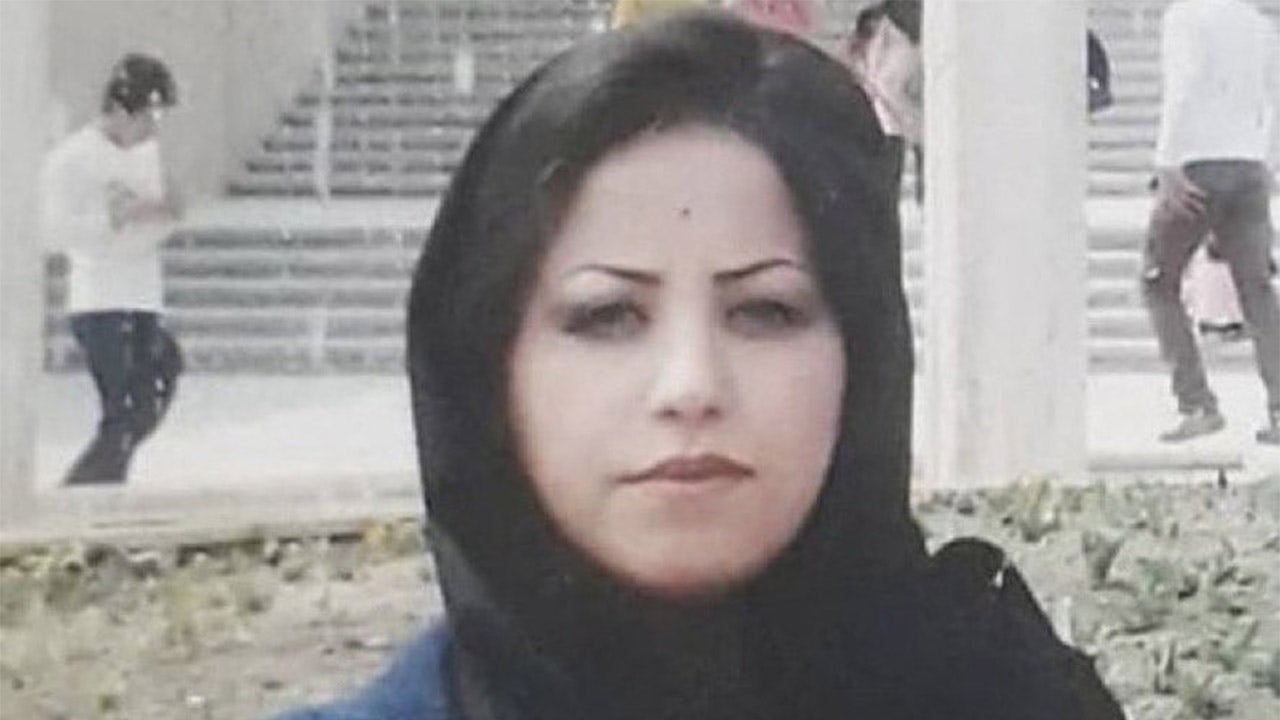
Samira Sabzian, an Iranian woman who was forced into marriage as a child and imprisoned for murdering her husband, was executed despite international calls for leniency. She had been in prison for a decade and was a victim of domestic violence. Iran Human Rights reported that Iran is one of the world's leading executioners of women, with nearly 200 executed since 2010. Human rights groups are urging Iran to establish a moratorium on all executions and abolish the death penalty.
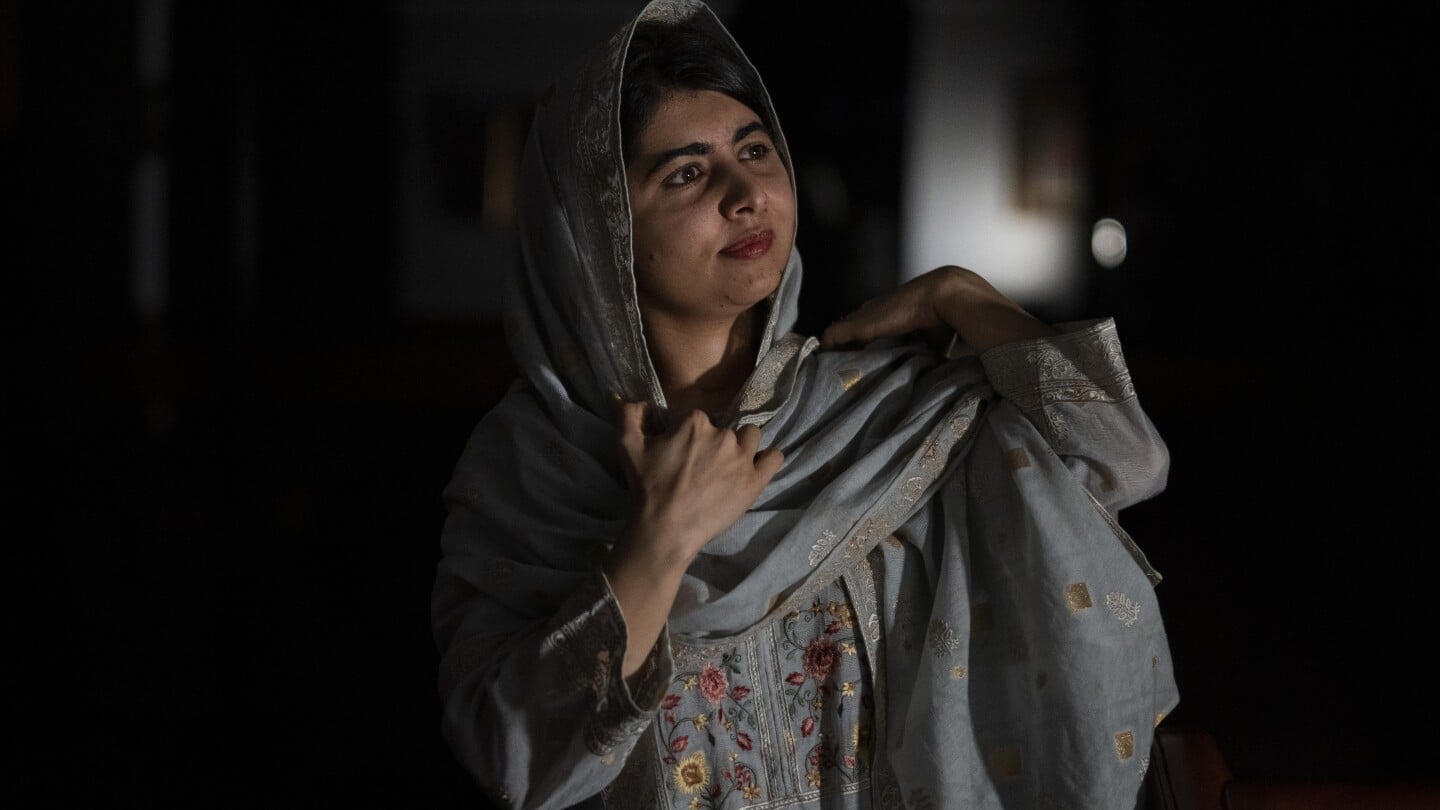
Nobel laureate Malala Yousafzai calls on the international community to confront the "gender apartheid" imposed by the Taliban in Afghanistan, urging collective action to end the oppression of women and girls. Yousafzai, who survived an assassination attempt by the Pakistani Taliban, dedicated her speech to Afghan women and girls, highlighting their ongoing struggle for education and freedom. She also called for a ceasefire in the Israel-Hamas war and praised the Nobel Peace Prize awarded to Iranian activist Narges Mohammadi. Yousafzai emphasized the importance of empowering young girls to find their voice and stand up for themselves.
The head of UN Women, Sima Bahous, has called on the United Nations Security Council to support governments in legally declaring the Taliban's crackdown on women and girls in Afghanistan as "gender apartheid." More than 50 Taliban edicts are being enforced with increasing severity, exacerbating mental health issues and suicidal thoughts among women. Bahous urged the council to codify gender apartheid in international law to appropriately respond to the Taliban's assault on women's rights. The Taliban's restrictions on women have led to a rise in child marriage, child labor, and mental health issues. The UN envoy for Afghanistan welcomed the recent visit of Islamic scholars to focus on girls' education and women's rights, emphasizing their importance in Islamic governance. However, the Taliban leader, Mullah Hibatullah Akhundzada, holds the final decision-making power, hindering potential changes in the Taliban's policies. The UN envoy also appealed for support for the $3.2 billion humanitarian appeal for Afghanistan, as many programs have been forced to close, leaving millions of Afghans facing acute food insecurity.
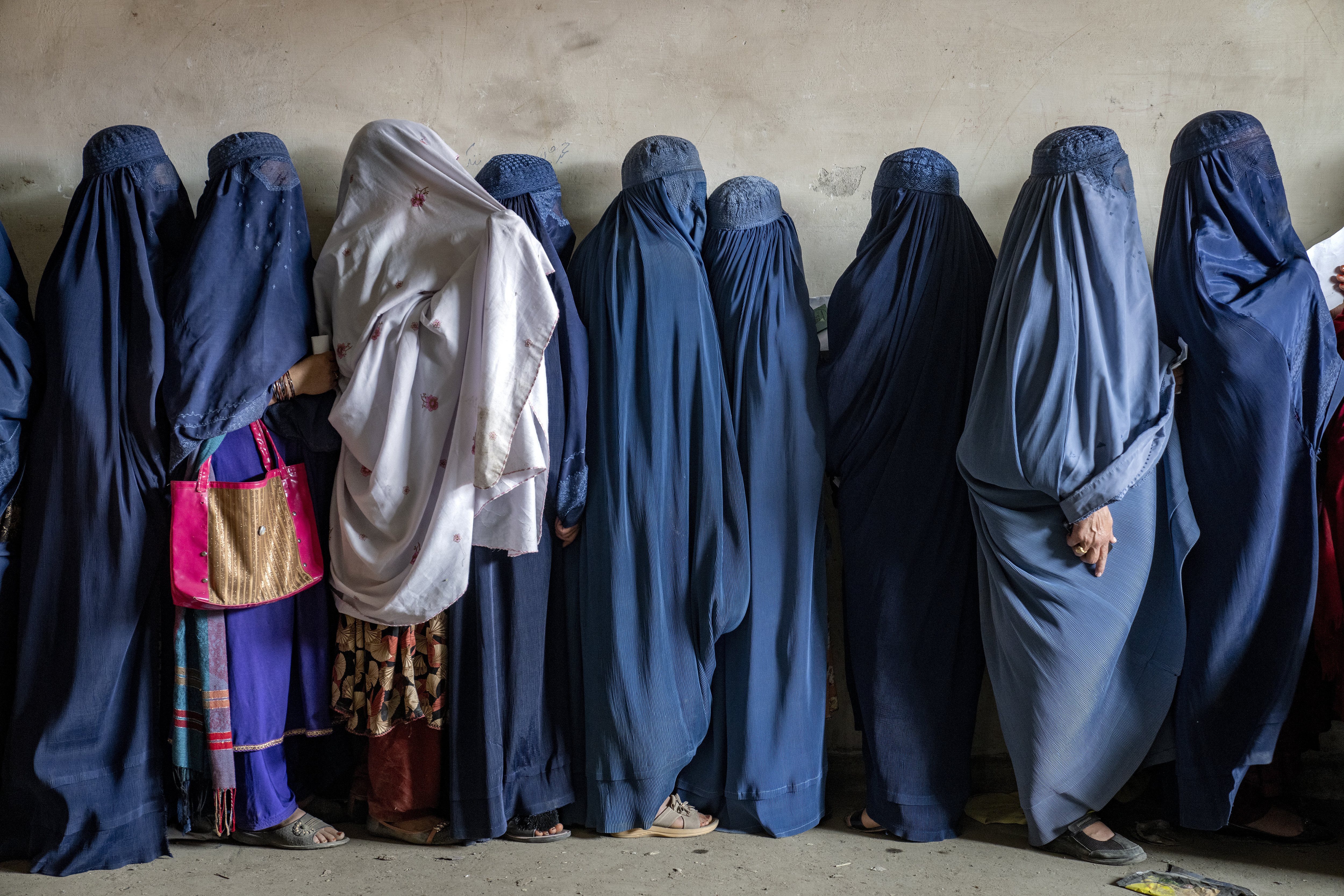
The United Nations Security Council, excluding Russia and China, strongly condemned the Taliban's persecution of women in Afghanistan and called for urgent action to hold the leadership accountable. The Taliban has implemented over 50 decrees aimed at erasing women from public life, including closing education for women, excluding them from government, and denying them job opportunities. Afghan women have described living as prisoners in darkness, and experts have called for the international recognition and codification of the gender apartheid system in Afghanistan. Despite the ban on Afghan women working for U.N. agencies, diplomatic engagement with the Taliban is seen as crucial for effecting change. Russia and China did not condemn the Taliban's policies but instead criticized the U.S. and NATO for their role in Afghanistan and expressed interest in developing relations with the Taliban government.
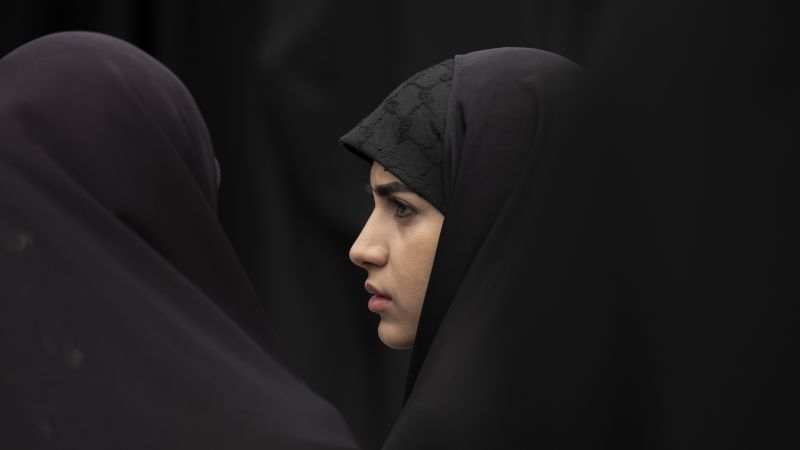
UN experts have condemned a proposed draft law in Iran that would impose harsh punishments, including long jail sentences, on women and girls who refuse to wear the hijab. The experts argue that the legislation, which is currently under review by the Iranian parliament, amounts to "gender apartheid" and systemic discrimination. The draft law also proposes penalties for celebrities and businesses that violate the dress code, as well as the use of artificial intelligence to identify women in breach of the law. The UN experts urge Iranian authorities to reconsider the legislation and ensure the full enjoyment of human rights for all women and girls in Iran.
The Taliban's rule in Afghanistan has resulted in a systematic denial of basic human rights for women, amounting to gender apartheid. The international community must formally recognize this as a crime against humanity in order to legally combat the discrimination faced by Afghan women and girls. The Taliban's ideology erases women from the public sphere, dismantling women's rights institutions and imposing severe restrictions on their rights. Afghanistan is currently facing a severe humanitarian crisis, with widespread food insecurity and increased gender-based violence. Recognizing gender apartheid as an international crime would provide a legal framework to effectively respond to Taliban abuses and uphold international commitments to women's rights.
Since the Taliban's takeover of Afghanistan, internal disagreements have spilled into public view, with a growing number of leaders disagreeing with the emir's overall policy agenda. The emir's overreach, including his December decrees, should be understood as deeply political, and as preoccupied with internal politics as with a harsh vision of a gender apartheid society. The emir's increasingly frantic micromanagement of governance appears prompted in part by perceptions of rampant disobedience; he can either accept being undermined, or double down. Dissent against the emir's agenda is real, but even as a growing number of Taliban seem to believe the emir is overreaching, dissenters aren't necessarily all in agreement, or even working toward the same objectives, which will make it difficult for them to act in concert.