Democrats are experiencing internal conflicts and infighting over recent shutdown deal and Senate races, with members criticizing each other and Republicans, but overall leadership remains stable despite internal frustrations. The intraparty disputes are influenced by primary dynamics, yet Democrats aim to unify on key issues like health care to strengthen their position.
Internal divisions persist at OpenAI following an attempted coup in November, highlighting ongoing leadership and governance challenges within the organization.
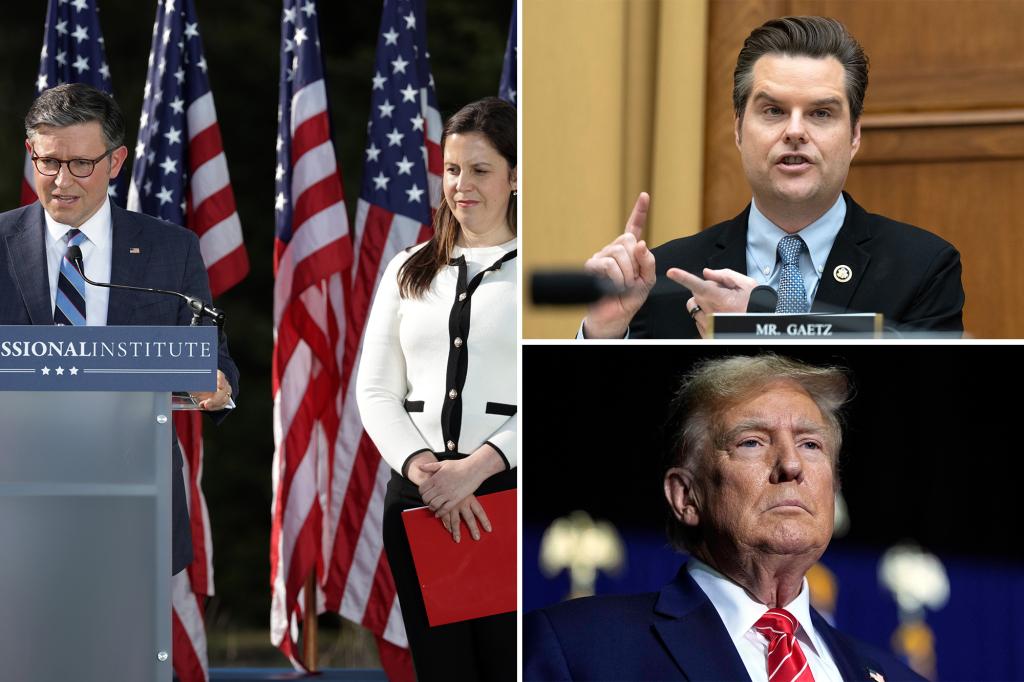
House Republicans emerged from their annual retreat at a swanky resort with bitter divisions and low attendance, as former President Donald Trump declined an invite and speaker Larry Kudlow dropped out. Frustrations over low productivity, inner party strife, and a shrinking majority have catalyzed a wave of retirements, while GOP leadership emphasized unity and the need to avoid infighting. They expressed optimism about their party's prospects and legislative agenda, downplaying the impact of party retirements and emphasizing their antipathy toward President Biden. The retreat also addressed ongoing legislative battles over government funding and aid to Ukraine, with a focus on recalibrating messaging and policy objectives.
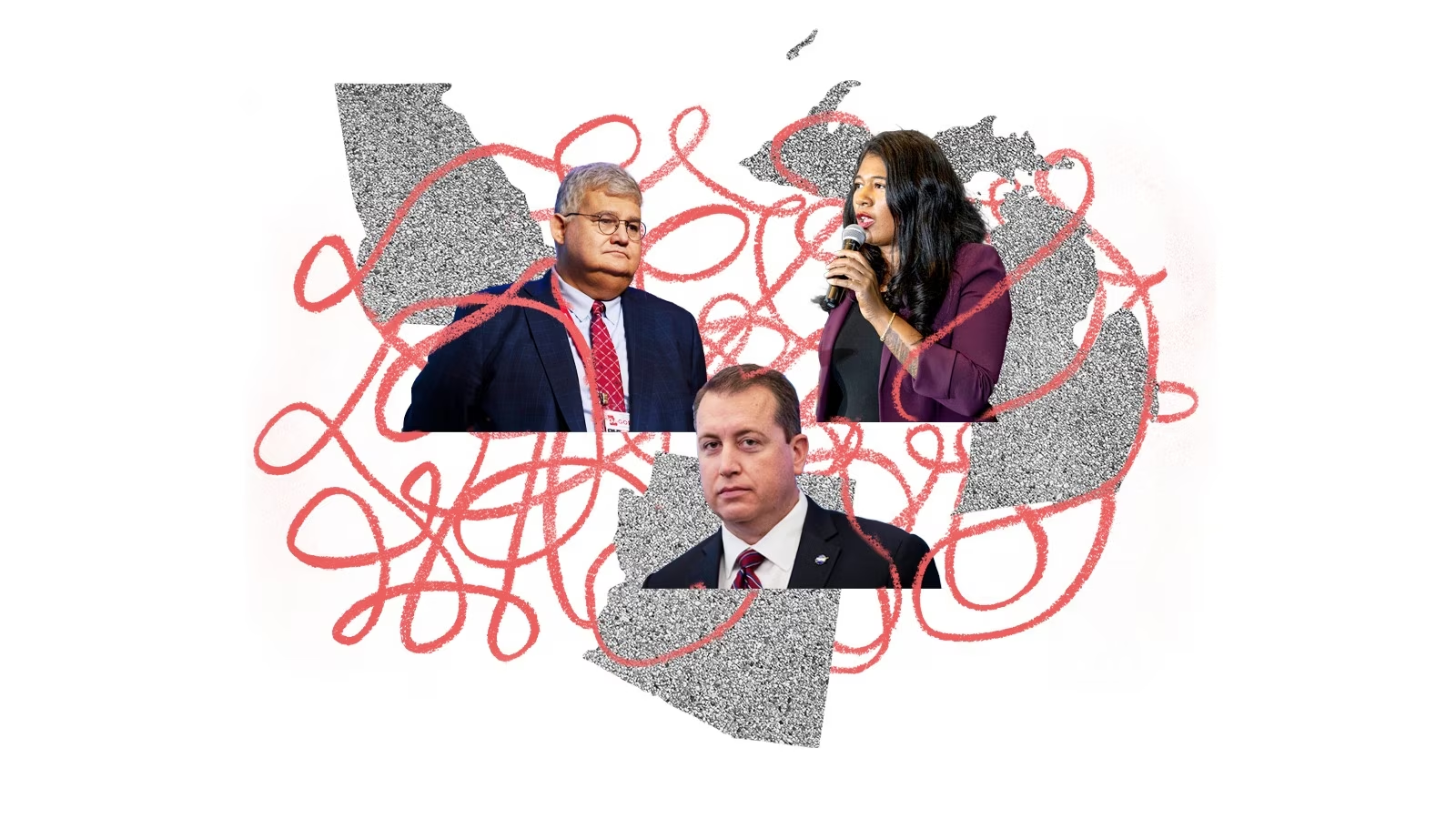
Intense internal battles are tearing through the state Republican parties in Michigan, Arizona, and Georgia, largely revolving around divisions that opened up in the wake of the last presidential election. Trump-loyalist party leaders, propelled into power based on their defense of the Big Lie, are at war with more establishment-aligned Republicans and each other. These rifts are defining the upcoming election and the Republican state party organizations, potentially impacting fundraising, organizing, and candidate selection. The rise of election denial is cementing its role as a driving force in these state parties, with potential implications for the 2024 election and beyond.
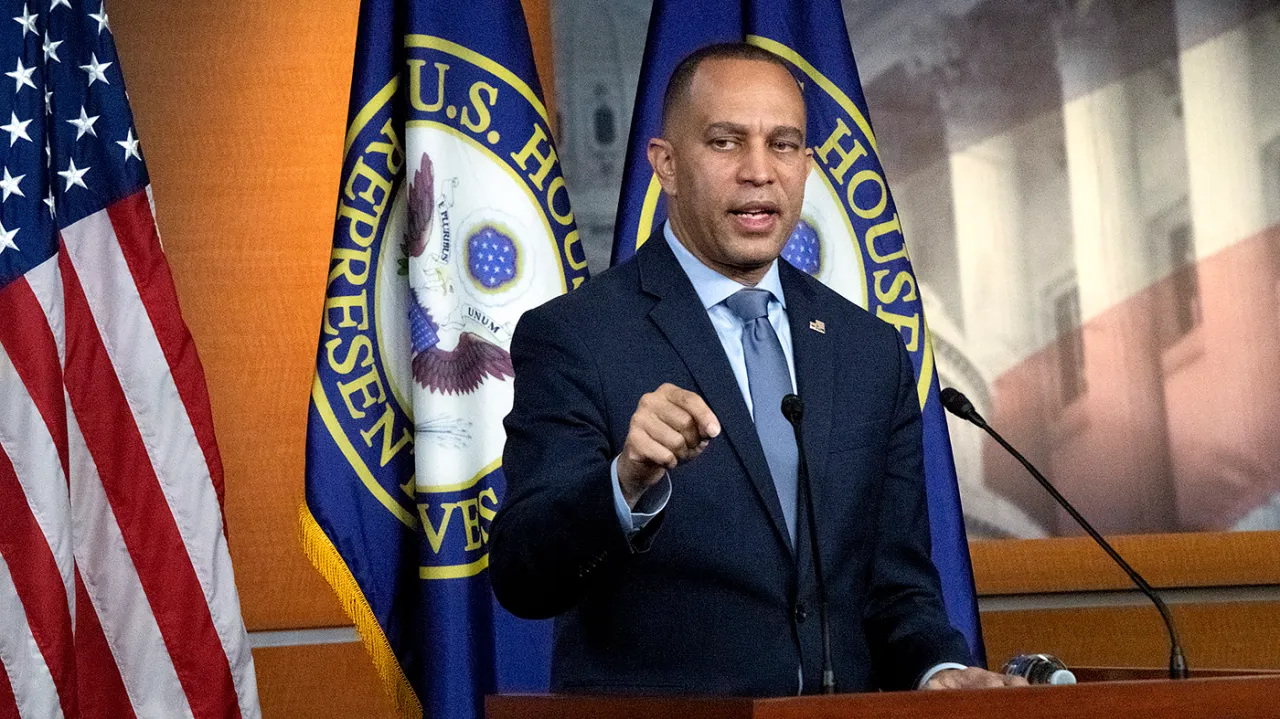
House Democrats are facing deep divisions on Israel policy, exacerbated by Republican efforts to highlight the discord within the party. The recent Hamas attacks and Israel's military response have intensified tensions among Democratic lawmakers, particularly with the rise of liberal voices critical of the Israeli government's treatment of Palestinians. The GOP has capitalized on these divisions, staging hearings on antisemitism, pushing pro-Israel votes, and hosting media events that further highlight the Democratic discord. The internal animus is unprecedented, making it difficult to find a solution and leading to a challenging situation for House Minority Leader Hakeem Jeffries.
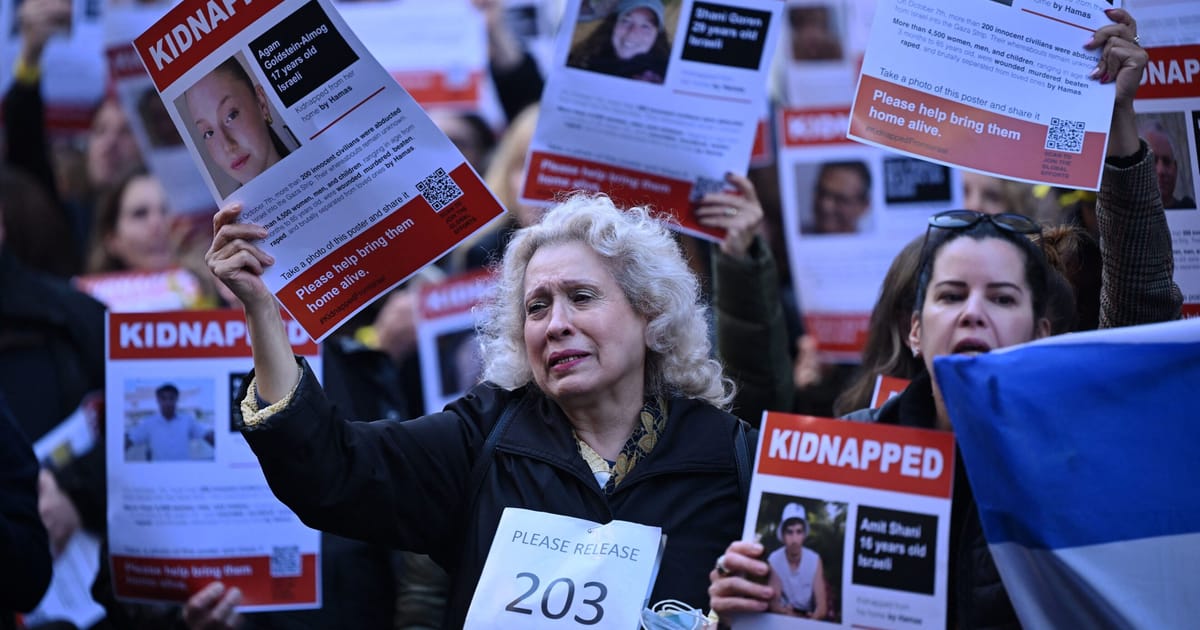
Jewish American families are grappling with a generational divide over the Israel-Hamas war, as younger generations, particularly Gen Z and young Millennials, view Israel as an occupying power oppressing Palestinians, while their parents and grandparents see it as a necessary haven fighting for survival. The divide is causing painful chasms within families, with younger generations more likely to view Israel as a great military power and an occupying force, while older generations believe in Israel's right to defend itself and its survival. The war has intensified tensions and sparked difficult conversations within Jewish American families, highlighting the changing attitudes towards Israel among younger generations.
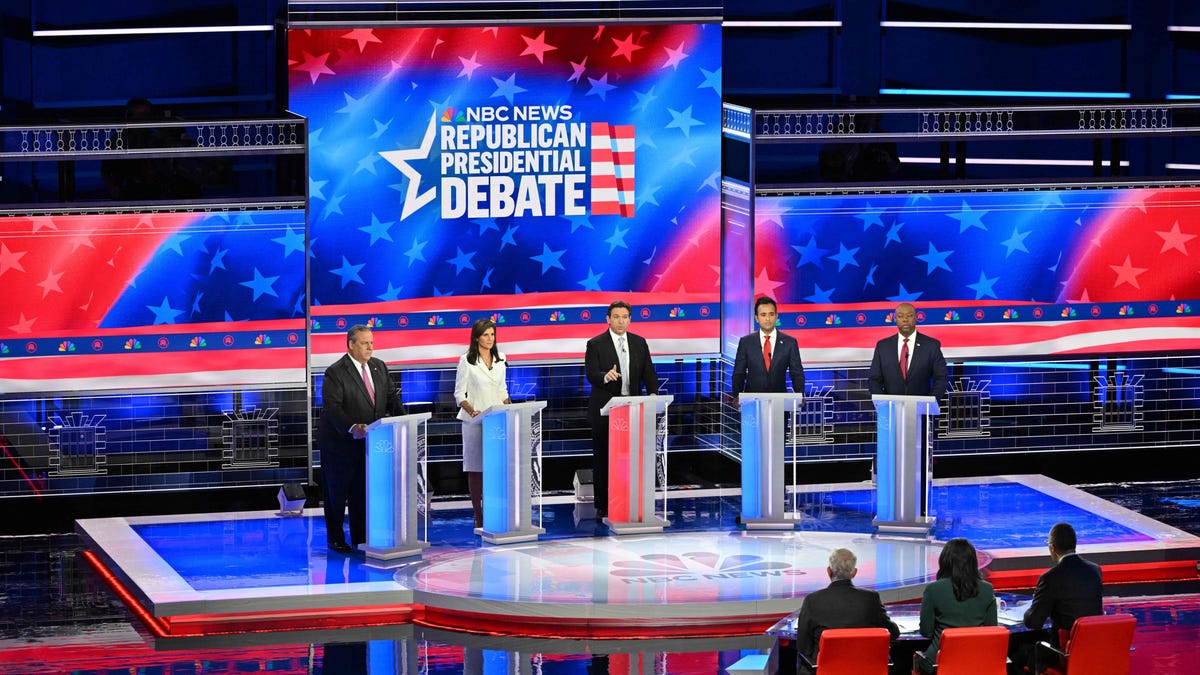
Donald Trump and the Republican Party are facing internal turmoil and divisions ahead of the 2024 election. After suffering election losses and skipping a debate, Trump denounced his Republican challengers as "scum" and "losers," while they criticized him for being a figure of the past and causing the party to lose previous elections. The Republicans are also grappling with the challenge of a former president running for office while facing multiple criminal trials. Despite some polls showing Trump leading Biden in key swing states, there are concerns about his legal problems and the potential impact on the party's chances in 2024.
Israeli Prime Minister Benjamin Netanyahu deleted a social media post in which he blamed military and security chiefs for an intelligence failure that allowed a deadly Hamas attack. The post triggered negative comments, including from members of Israel's war cabinet. Netanyahu later apologized and expressed full support for the heads of the security arms. He has faced criticism for refusing to take responsibility for not preventing the attack, instead deflecting blame onto the security chiefs. The deleted post claimed that Netanyahu was not warned of Hamas' war intentions and that the security echelon believed Hamas was seeking an arrangement, not war.
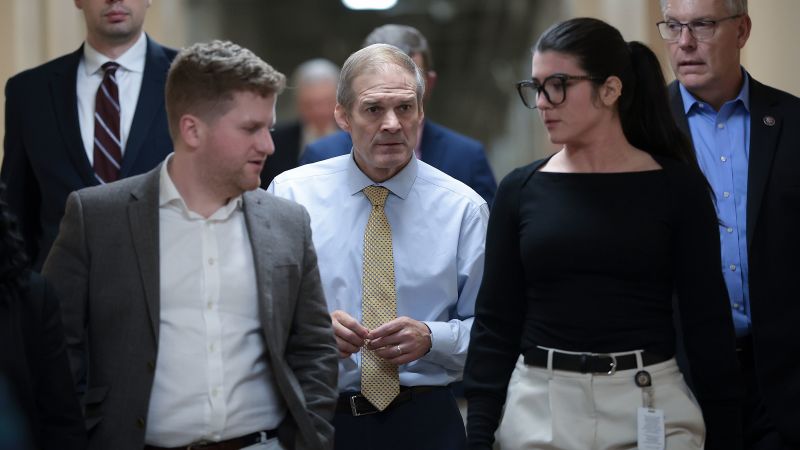
The House GOP is facing internal divisions and struggling to elect a new speaker, leaving the House in a state of paralysis. After the ouster of Kevin McCarthy, Rep. Jim Jordan became the new GOP speaker nominee but lacks the necessary votes to win. The GOP conference has been in chaos, with Majority Leader Steve Scalise dropping out of the race and Jordan facing resistance. The House remains frozen, posing challenges as Congress faces a government funding deadline and international crises. Republicans are frustrated and questioning if anyone can reach the required votes. Jordan has 48 hours to make phone calls and gain support before the full House vote.
The current Republican turmoil over the House speakership has similarities to the chaotic situation in 1998, when House GOP lawmakers were also feuding over leadership. Just like now, personal vendettas and warring factions led to an internal party fight, resulting in multiple potential speakers being cycled through before settling on a compromise choice. While the 1998 crisis was resolved swiftly, the current drama continues with uncertainty over who will be elected as the new speaker.
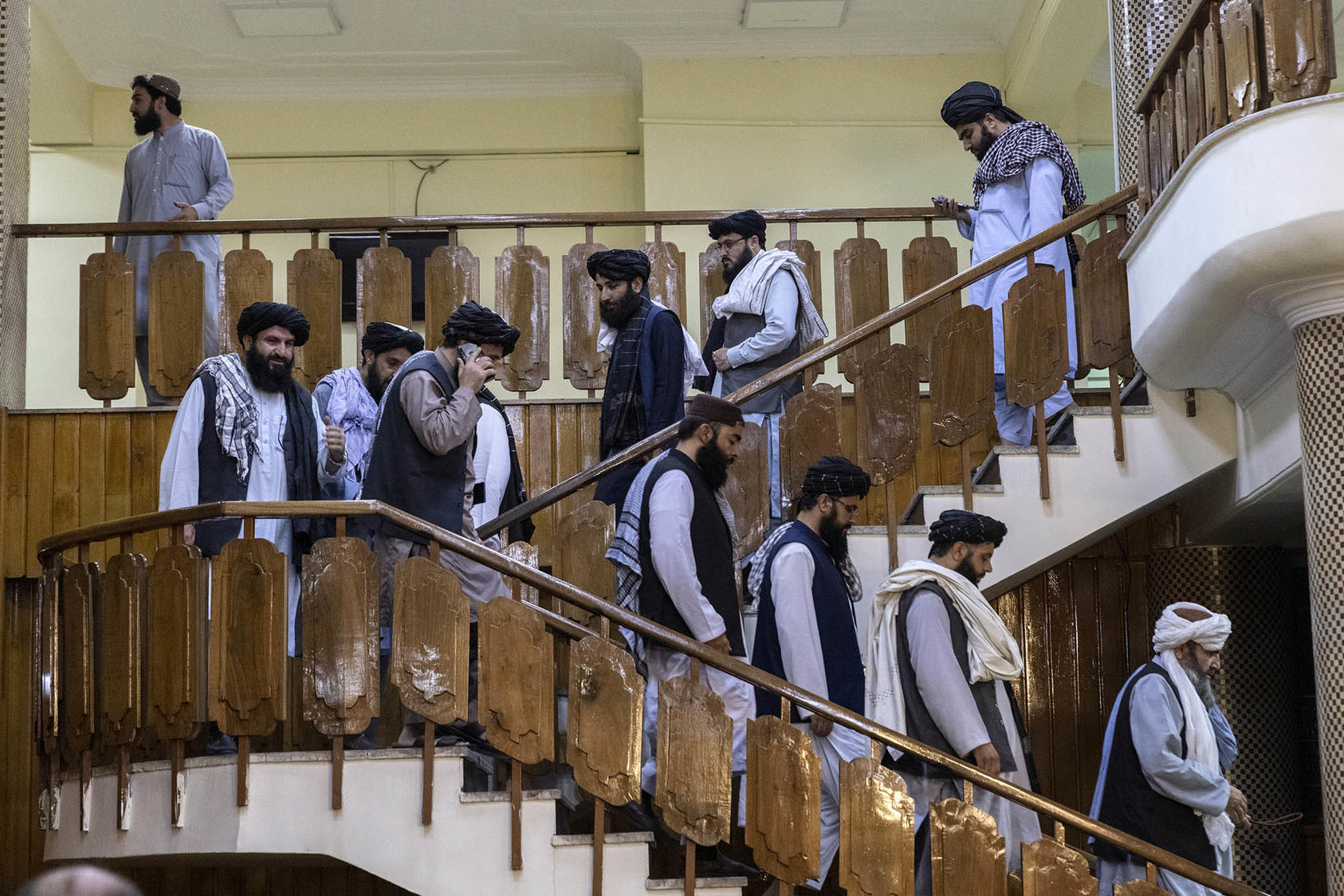
Since the Taliban's takeover of Afghanistan, internal disagreements have spilled into public view, with a growing number of leaders disagreeing with the emir's overall policy agenda. The emir's overreach, including his December decrees, should be understood as deeply political, and as preoccupied with internal politics as with a harsh vision of a gender apartheid society. The emir's increasingly frantic micromanagement of governance appears prompted in part by perceptions of rampant disobedience; he can either accept being undermined, or double down. Dissent against the emir's agenda is real, but even as a growing number of Taliban seem to believe the emir is overreaching, dissenters aren't necessarily all in agreement, or even working toward the same objectives, which will make it difficult for them to act in concert.
House Republicans have struggled to deliver on key priorities due to internal divisions, with little room for error in their razor-thin majority. The party's more vulnerable members are frustrated with how the House Republican majority has so far spent its time in power, which has also included a heavy focus on investigations and running defense for former President Donald Trump. The biggest hurdles are yet to come, with Congress gearing up to deal with must-pass items like lifting the nation’s debt ceiling and funding the government – two politically tricky issues with incredibly high stakes.