Gabon’s media regulator suspended social media until further notice, citing spread of false information, cyberbullying and personal-data leaks; platforms were not named, though WhatsApp, Facebook and TikTok are widely used. The move comes amid post-coup unrest and civil-service strikes, with officials saying the ban aims to prevent social conflict and protect national security, while reaffirming freedom of expression as a right.
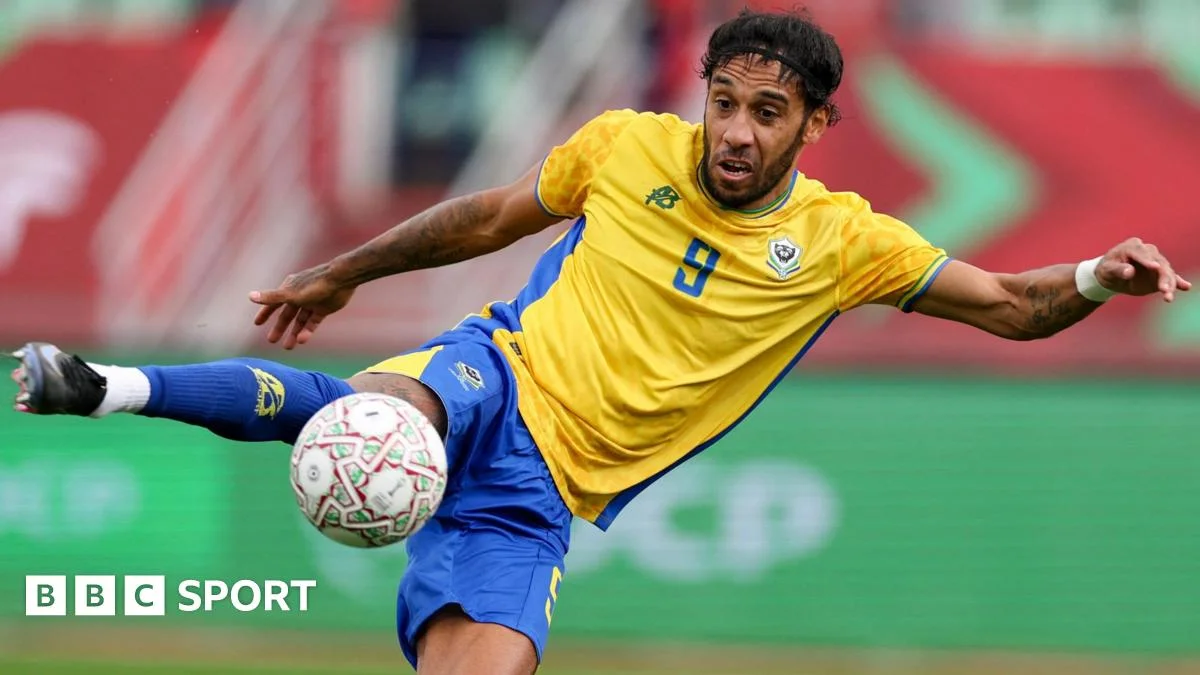
Gabon has lifted sanctions on its national team and star forward Pierre-Emerick Aubameyang after a disappointing 2025 Africa Cup of Nations in Morocco. The penalties—including sacking coach Thierry Mouyouma and excluding Aubameyang and captain Bruno Ecuele Manga—were overturned by new sports minister Paul Ulrich Kessany. He invited Fegafoot to present plans for a new technical staff ahead of the 2027 Afcon qualifiers, amid FIFA’s long-standing caution over government interference in football bodies.
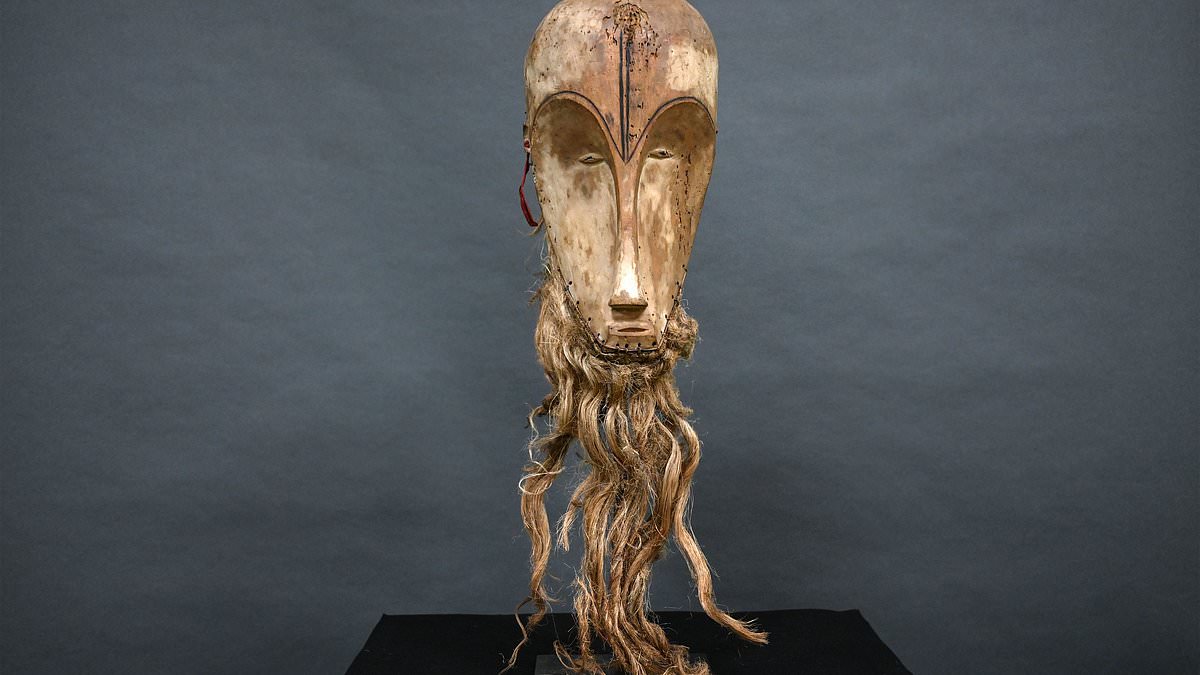
An antiques dealer in France has won a legal battle after purchasing an African mask for £130 and later selling it for £3.6 million at auction. The judge ruled in favor of the dealer, stating that the elderly couple who sold the mask did not appreciate its historic and artistic value. The Ngil mask, originating from the Fang people of Gabon, is one of only around ten in existence. The couple had filed a lawsuit claiming they were misled about the mask's value, but the court deemed their behavior negligent. Gabon officials also sought the mask's return, but the judge rejected their claim.
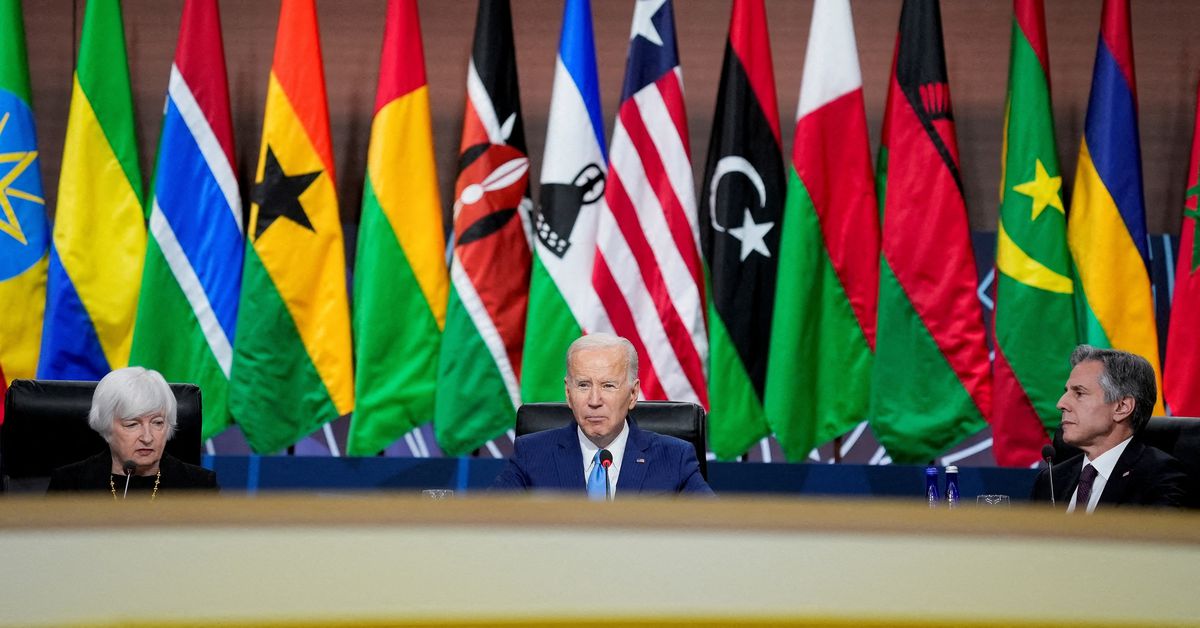
US President Joe Biden has announced his intention to remove Gabon, Niger, Uganda, and the Central African Republic from the African Growth and Opportunity Act (AGOA) trade program due to concerns over human rights violations and lack of progress in political pluralism and the rule of law. The termination of their designation as beneficiary countries will take effect on January 1, 2024, but their eligibility will continue to be assessed. AGOA, which grants duty-free access to the US market for qualifying African countries, is set to expire in September 2025, with discussions underway for a possible extension.
President Biden has notified the Speaker of the House and President of the Senate of his intent to terminate the designation of the Central African Republic, Gabon, Niger, and Uganda as beneficiary sub-Saharan African countries under the African Growth and Opportunity Act (AGOA). This decision is based on their failure to meet the eligibility requirements of the AGOA, including violations of human rights, lack of progress in establishing worker rights, political pluralism, and the rule of law. The termination will be effective from January 1, 2024, and the eligibility of these countries will continue to be assessed.
The United States is suspending most financial assistance to Gabon following a military coup that ousted President Ali Bongo Ondimba, whose family had ruled the country for over five decades. The suspension of foreign aid had already been put on hold since September 26, and the U.S. government stated that assistance would resume once the transitional government takes concrete actions towards establishing democratic rule. Gabon, a former French colony and OPEC member, has faced economic challenges, with a significant portion of its population unemployed. This move follows a similar suspension of aid in Niger after mutinous soldiers seized power.
The United States has determined that a military coup has occurred in Gabon and, in accordance with the Department of State's annual appropriations act, most U.S. assistance to the Gabonese government is being suspended. However, humanitarian, health, and education aid will continue to support the people of Gabon. The U.S. remains committed to assisting Gabon in achieving a timely transition to democratic civilian governance and will resume assistance once concrete steps are taken by the transitional government to establish democratic rule. The United States stands with the Gabonese people in their pursuit of democracy, prosperity, and stability.
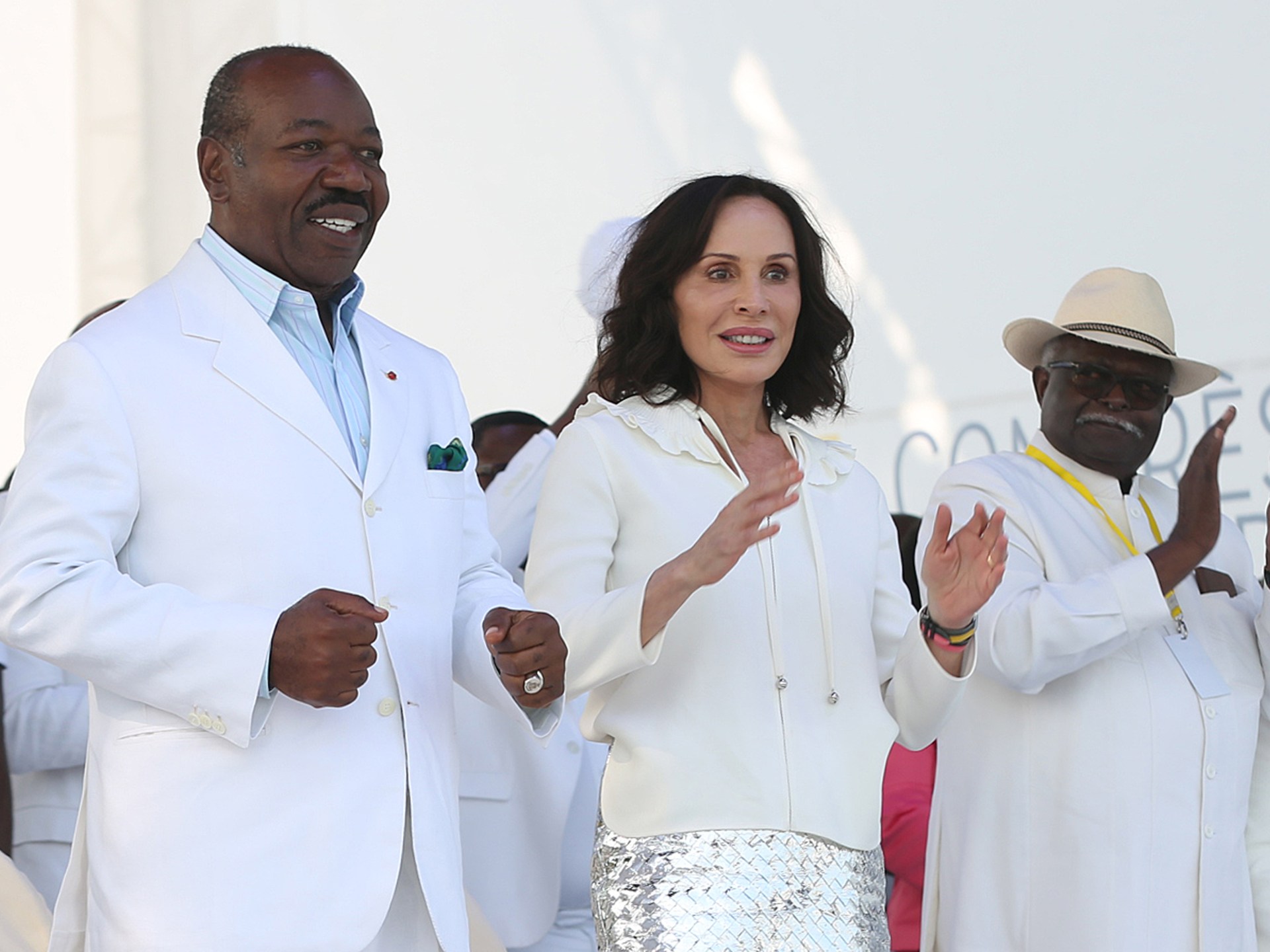
Sylvia Bongo Valentin, the wife of Gabon's deposed President Ali Bongo Ondimba, has been charged with "money laundering" and other offenses, a month after her husband was overthrown in a coup. She has been under house arrest since August 30, and her eldest son has already been charged with corruption. The former first lady's house arrest order has been upheld, and she is being kept "incommunicado outside any legal framework," according to one of her lawyers. The opposition and military coup leaders have accused the Bongo government of corruption and bad governance.
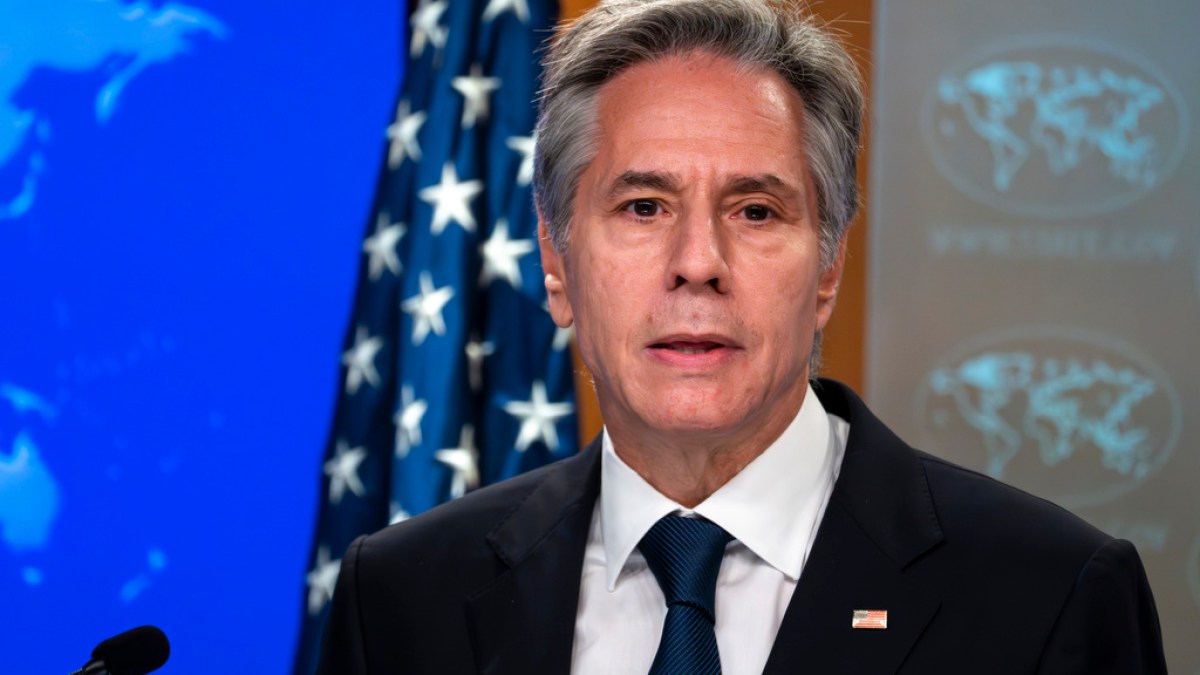
The United States has halted certain foreign assistance programs to Gabon following the military coup that took place on August 30. Secretary of State Antony Blinken announced the decision, stating that the pause will continue while they evaluate the unconstitutional intervention by the military. The US will, however, continue operational activities in the country to support its citizens. The military government in Gabon has promised to oversee free and fair elections but has not provided a specific timetable. The Bongo family's long-standing rule and failure to distribute the country's wealth have led to widespread discontent.
Recent coups in Africa, such as in Gabon, Niger, Burkina Faso, and Mali, highlight the diverse factors driving these undemocratic transitions of power, including history, foreign intervention, economics, and politicization of the military. While some coups are driven by security threats or a desire for democratic reforms, others, like Gabon's, are continuity coups that maintain the ruling elite's control over resources. Precedent plays a significant role in coup attempts, and regions with a history of coups are more likely to experience future attempts. Coups are part of a broader global trend away from democracy, with autogolpes and erosion of democratic institutions also occurring. The struggle for influence between the West and authoritarian governments like Russia and China further complicates the situation. Polarization and lack of sustained investment in institutions contribute to democratic failure, particularly in countries dependent on foreign aid.
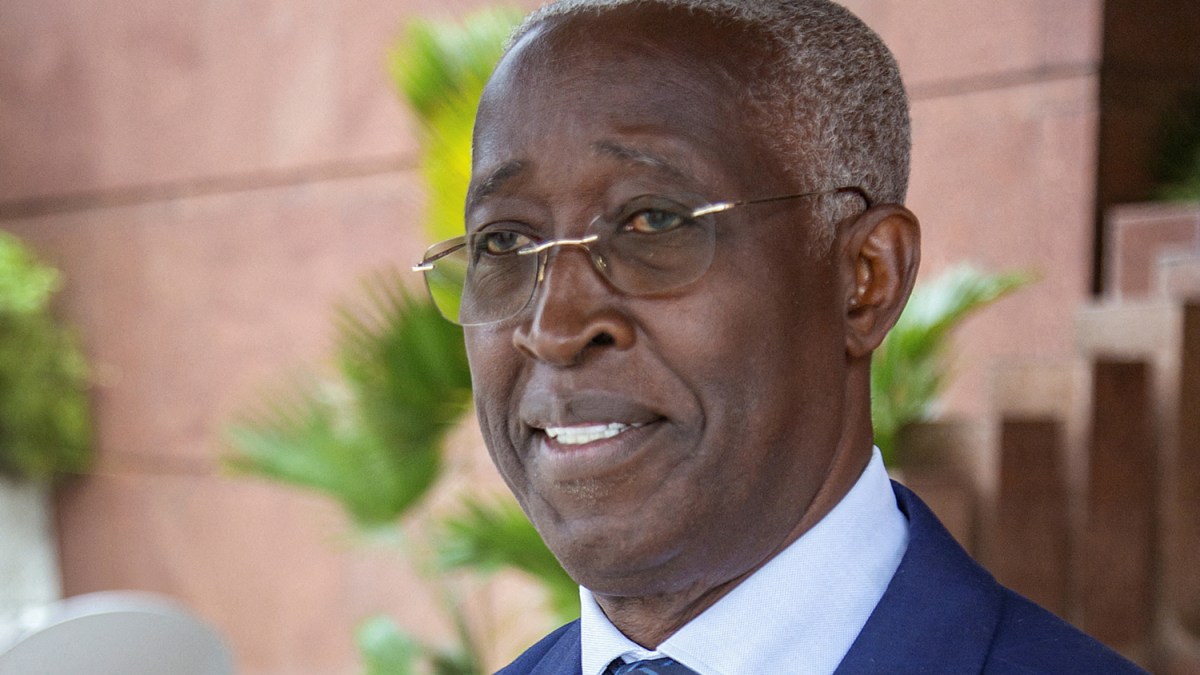
Gabon's military government, which seized power in a coup last week, has appointed former opposition leader Raymond Ndong Sima as the prime minister of its transitional government. Sima, an economist and critic of President Ali Bongo, served as Bongo's prime minister from 2012 to 2014 and ran against him for president in 2016. The military government, led by General Brice Oligui Nguema, has promised economic reforms and free and fair elections but has not provided a timeframe. The coup in Gabon is the eighth in three years in West and Central Africa.
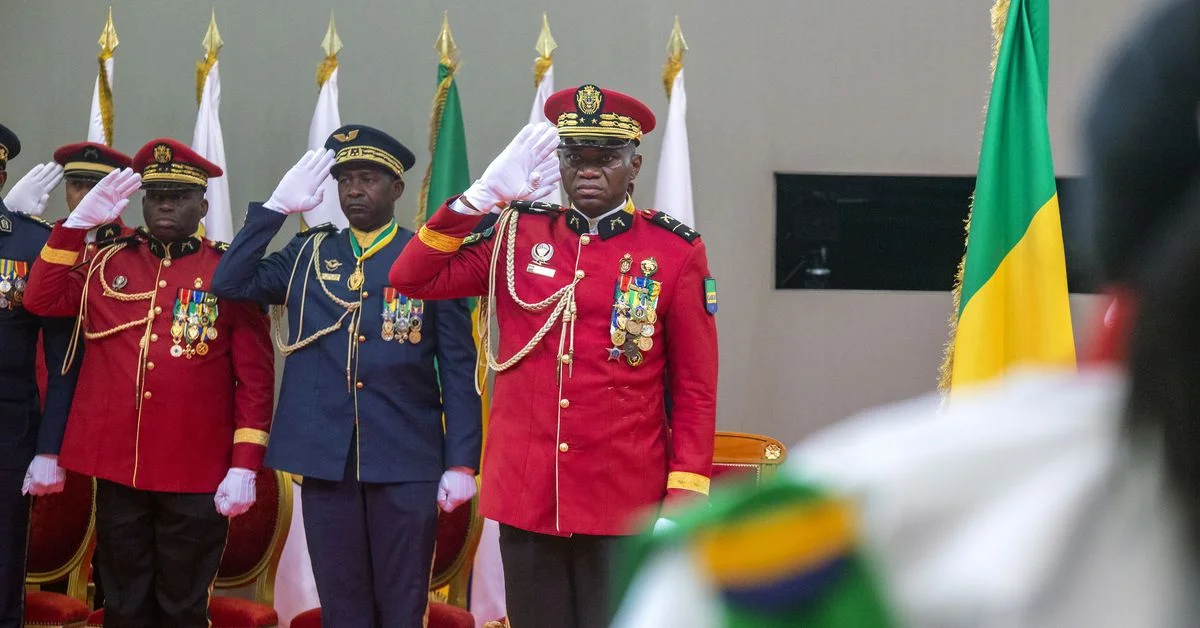
Gabon's military junta, known as the Committee for the Transition and Restoration of Institutions (CTRI), has announced that deposed President Ali Bongo Ondimba is "free to move about" and can travel abroad for medical check-ups due to his health condition. The condition of the former president is unclear. The military junta seized power in a coup d'état after criticizing Bongo's reelection, which they deemed fraudulent. Gen. Brice Oligui Nguema has been appointed as the chairman of the CTRI and president of the transitional government, pledging to lead a peaceful transition back to civilian rule. Gabon's coup is the eighth to occur in West and Central Africa since 2020.
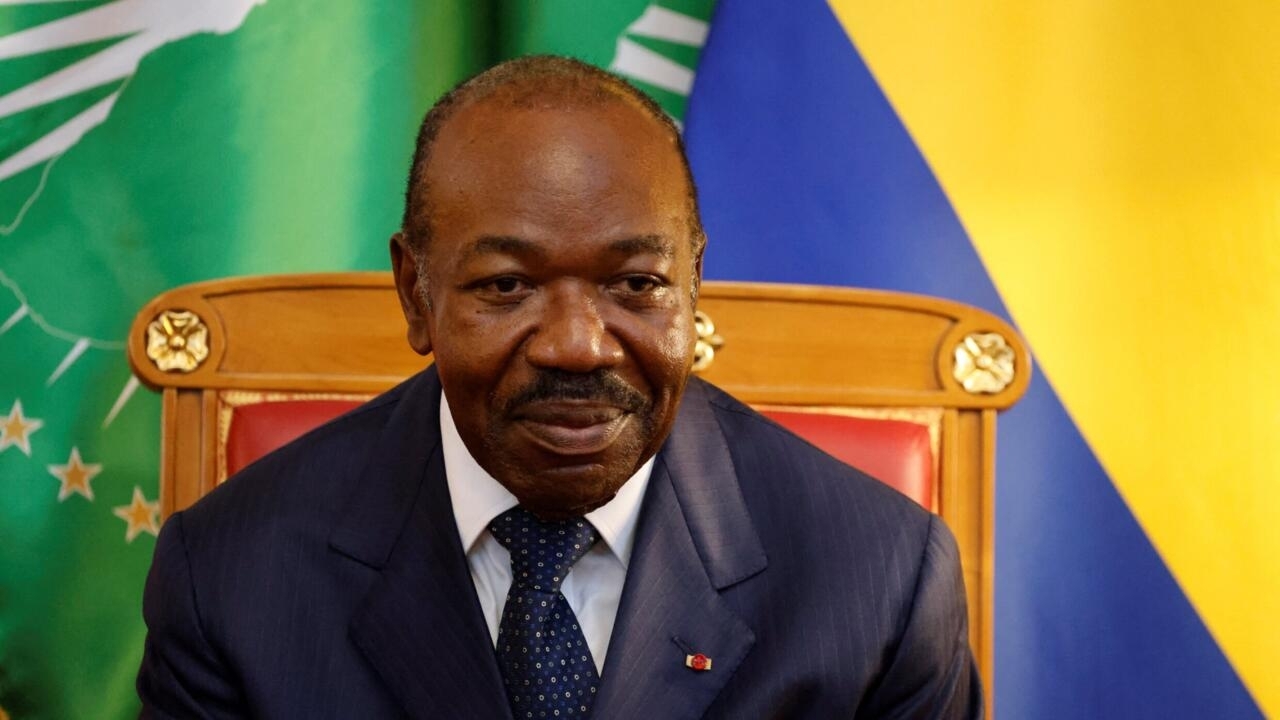
The military junta in Gabon has freed ousted president Ali Bongo Ondimba, allowing him to travel abroad for medical check-ups. Bongo, who has been held under house arrest since the coup in August, had been rarely seen since his overthrow. The junta leader, Gen. Brice Oligui Nguema, stated that Bongo's regime had violated democratic rules and confiscated power for several years. Bongo's presidency, marked by allegations of electoral fraud, was challenged by violent protests. It remains uncertain if Bongo will leave Gabon, but a possible exit plan to Morocco has been discussed.
Gabon's former president, Ali Bongo, who was ousted in a military coup, has been granted the freedom to leave the country and travel abroad, according to the leader of the coup. Bongo, who had been under house arrest since the coup, is said to have the freedom to travel for medical check-ups due to his impaired health resulting from a stroke in 2018.
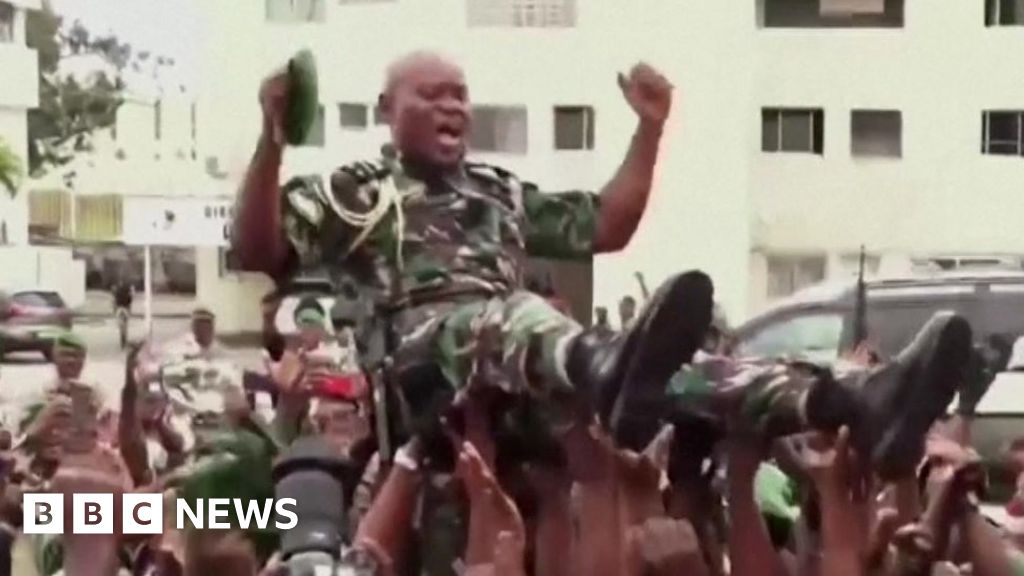
Gabon's new military leader, Gen Brice Oligui Nguema, has promised to restore democracy in the country but has not provided a timeline for fresh elections. The military's suspension of state institutions is said to be temporary, but the opposition coalition claims that there are no signs of power being returned to a civilian government. The deposed president, Ali Bongo, has been placed under house arrest after the military seized control and annulled the results of the recent presidential election. The coup has been condemned by the UN, the African Union, and France, while celebrations have taken place among those who resented Bongo's regime.