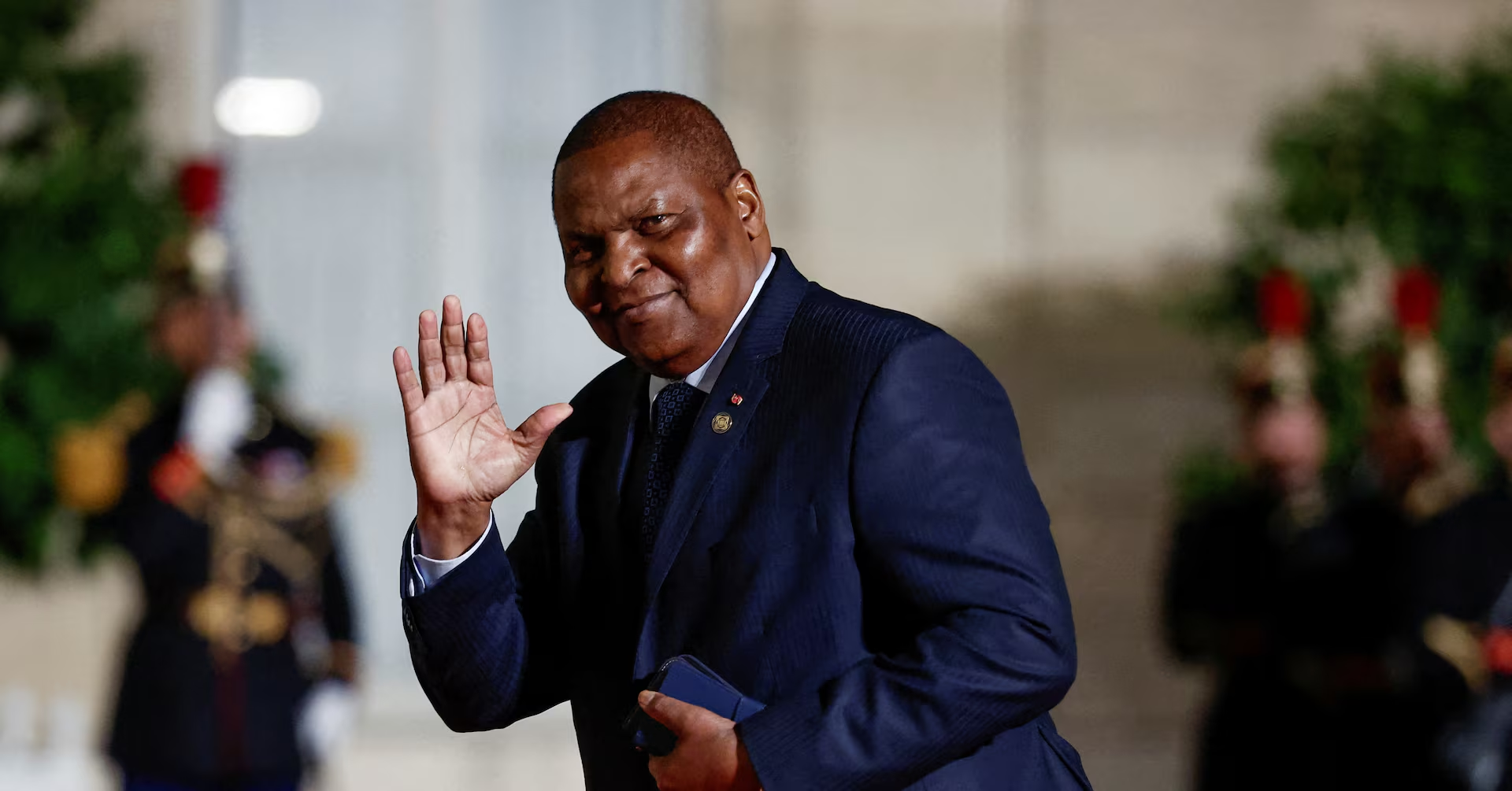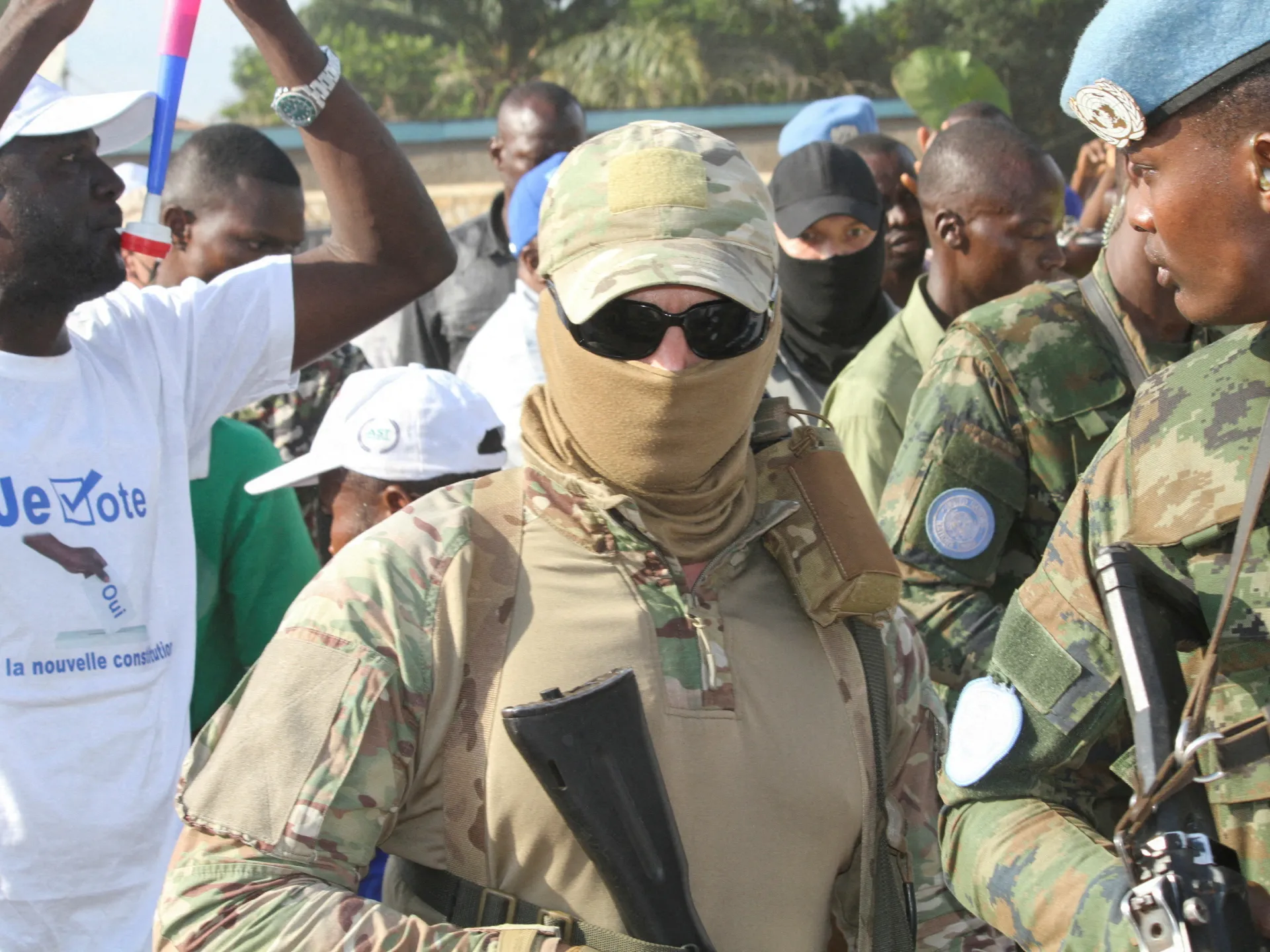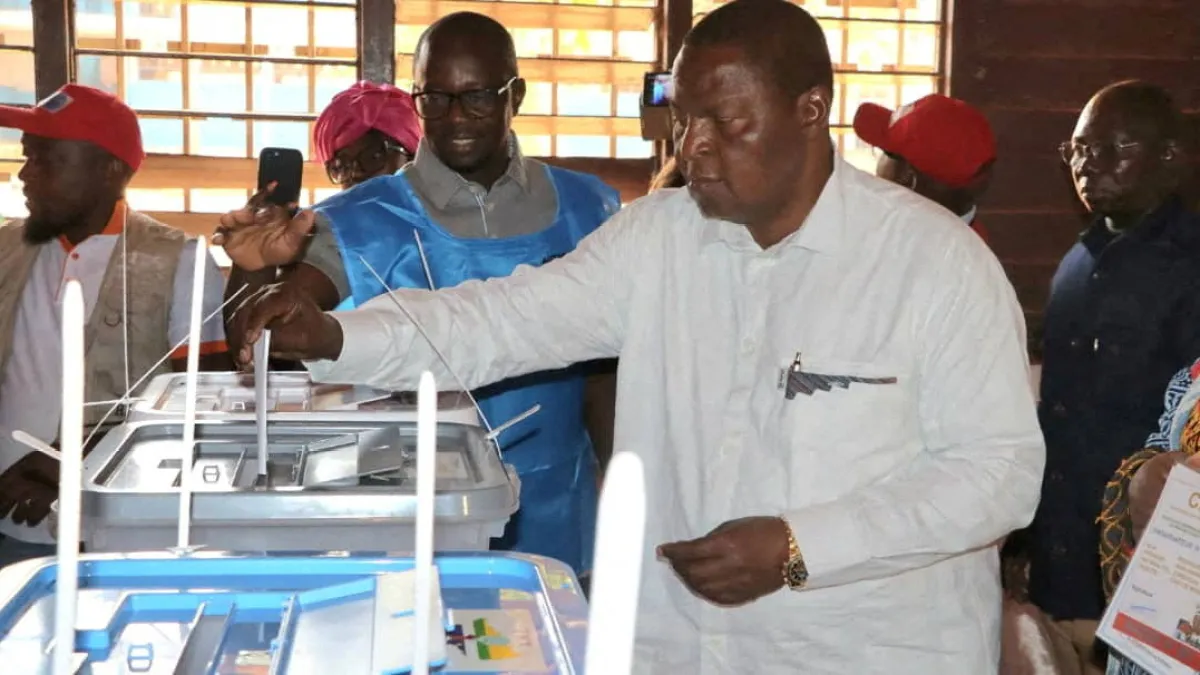
Faustin-Archange Touadera has won a third term as President of the Central African Republic with 76.15% of the vote in the December 28 election, amid opposition claims of fraud and a boycott by the main opposition coalition. Voter turnout was 52.42%, and the election followed a constitutional change that abolished term limits. Touadera's security-focused campaign included support from Russian mercenaries and Rwandan soldiers, and he has signed peace deals with rebel groups.
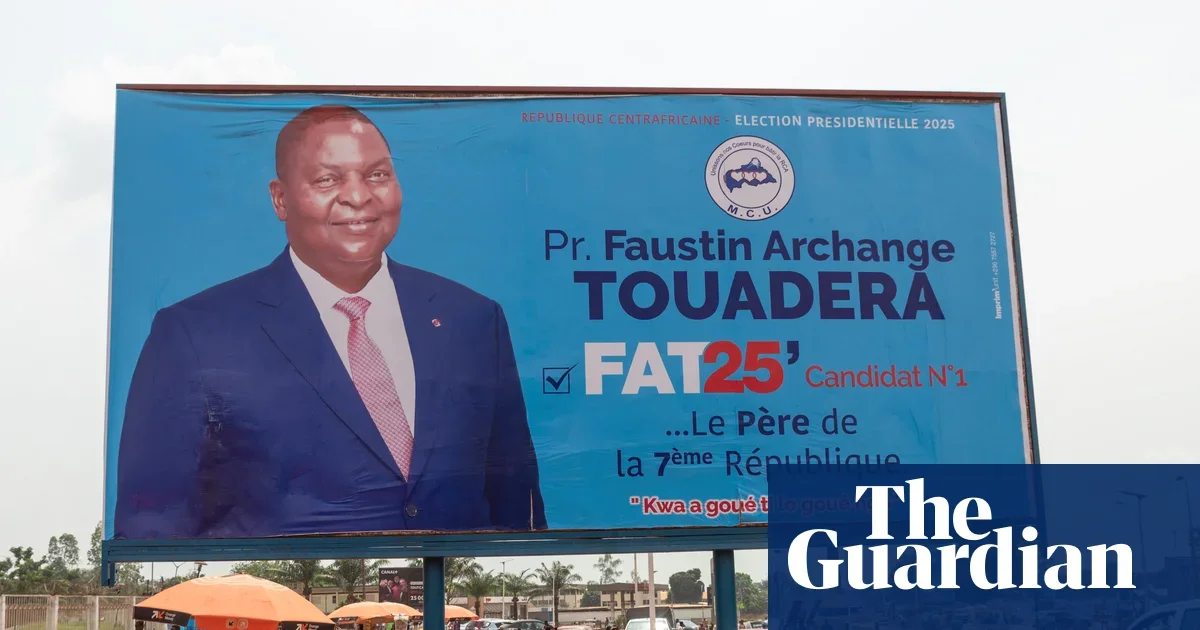
The Central African Republic is holding elections with President Faustin-Archange Touadéra seeking a third term amid ongoing conflict, peace efforts, and concerns over electoral irregularities and foreign influence, particularly from Russia and Rwanda.
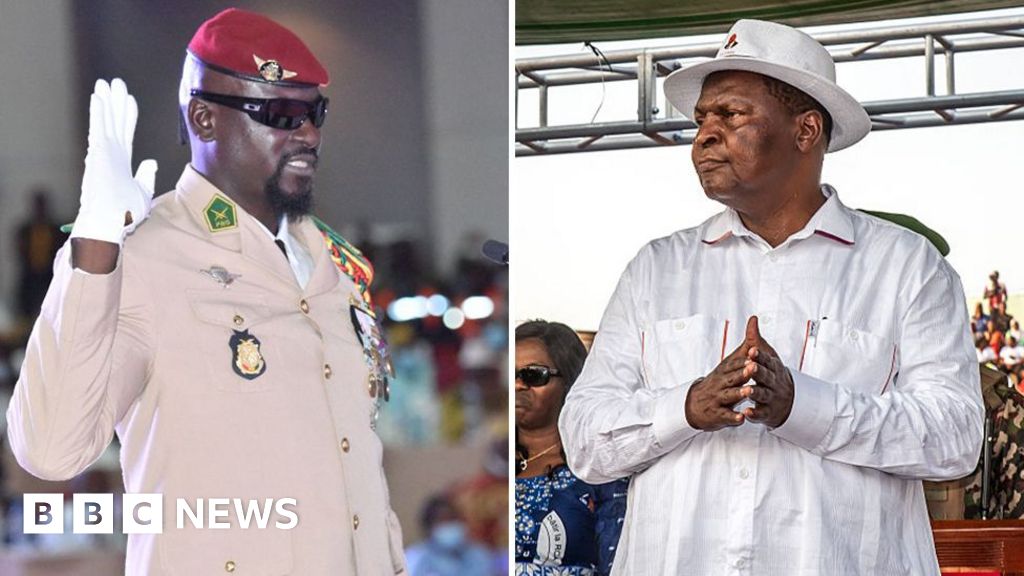
Voters in Guinea and the Central African Republic are voting for presidents with incumbents favored to win, amid concerns over democratic processes and regional stability, as both countries navigate post-conflict recovery and international relations.
Central African Republic's President Faustin-Archange Touadera is seeking a controversial third term after constitutional changes, relying heavily on Russian security support and resource exploitation, amid fragile security and economic gains, with concerns over ongoing unrest and criminality.
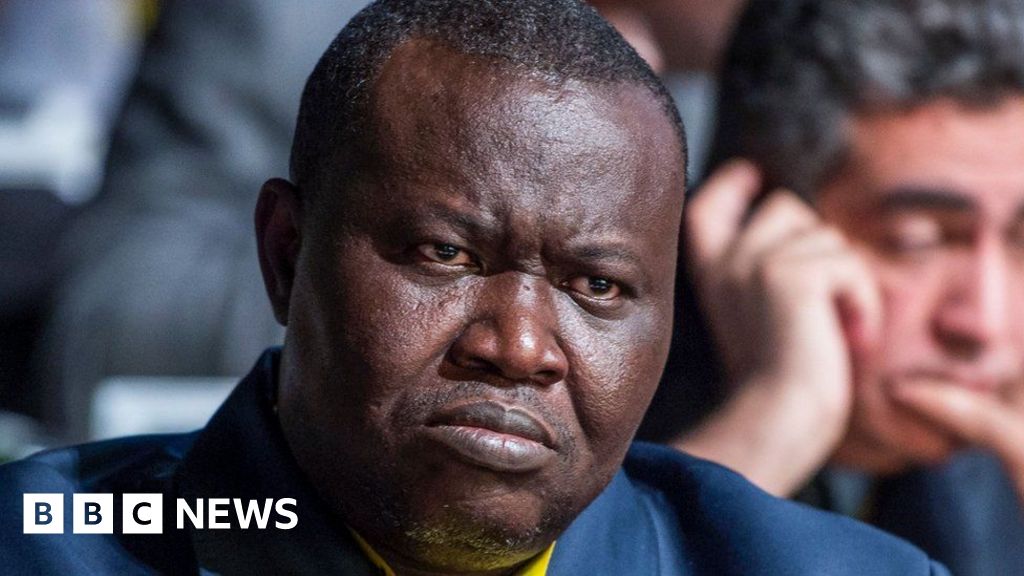
Edouard Ngaïssona and Alfred Yekatom, former leaders involved in the Central African Republic conflict, were convicted by the ICC of war crimes including murder, torture, and persecution of Muslims during 2013-14, with sentences of 12 and 15 years respectively, highlighting ongoing efforts to address impunity for atrocities in the region.
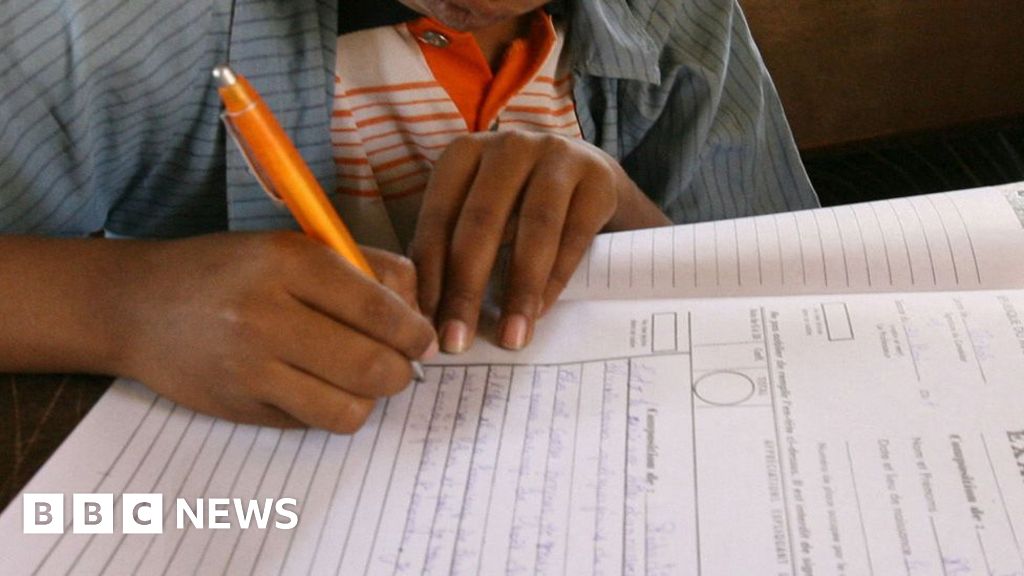
A tragic crush at a school exam in Bangui, Central African Republic, caused by a nearby explosion, resulted in the deaths of 29 students and injuries to over 280, prompting the president to declare national mourning and order free treatment for the wounded. The incident highlights ongoing political instability and security issues in the country.
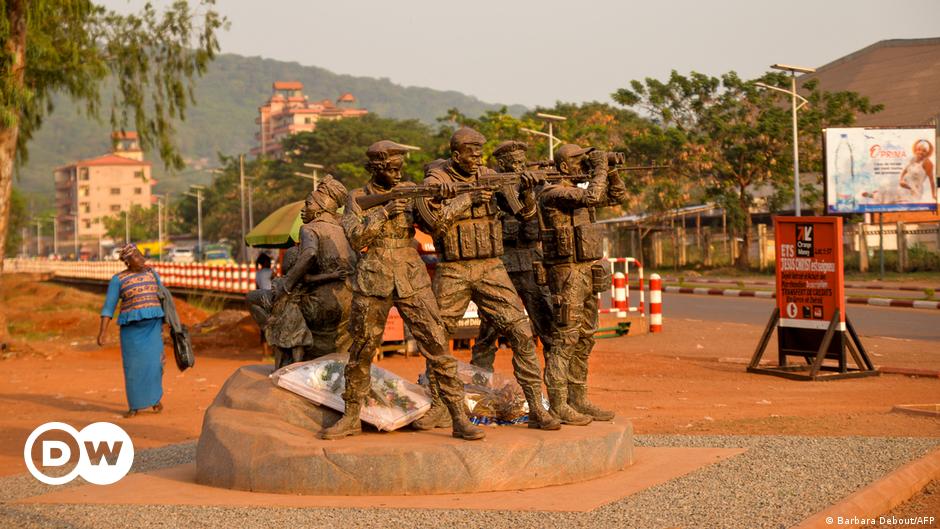
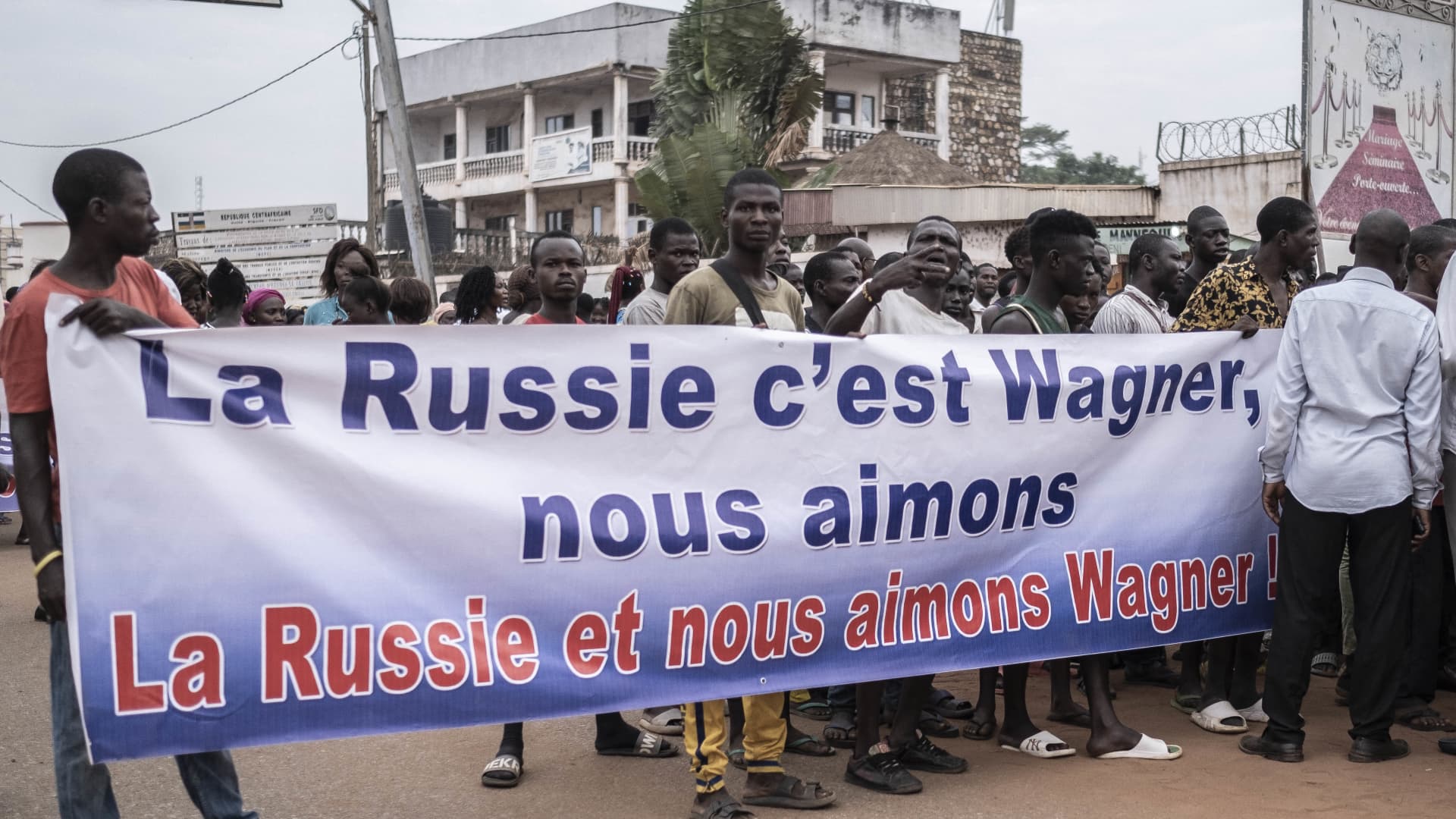
Russia's Wagner Group is gaining increasing influence in the Central African Republic, raising concerns about security and stability in the region. The presence of Russian mercenaries has been linked to human rights abuses and exacerbating the ongoing conflict in the country. The growing influence of Russia in the Central African Republic highlights the country's strategic importance in Russia's broader geopolitical ambitions.
President Biden has notified the Speaker of the House and President of the Senate of his intent to terminate the designation of the Central African Republic, Gabon, Niger, and Uganda as beneficiary sub-Saharan African countries under the African Growth and Opportunity Act (AGOA). This decision is based on their failure to meet the eligibility requirements of the AGOA, including violations of human rights, lack of progress in establishing worker rights, political pluralism, and the rule of law. The termination will be effective from January 1, 2024, and the eligibility of these countries will continue to be assessed.
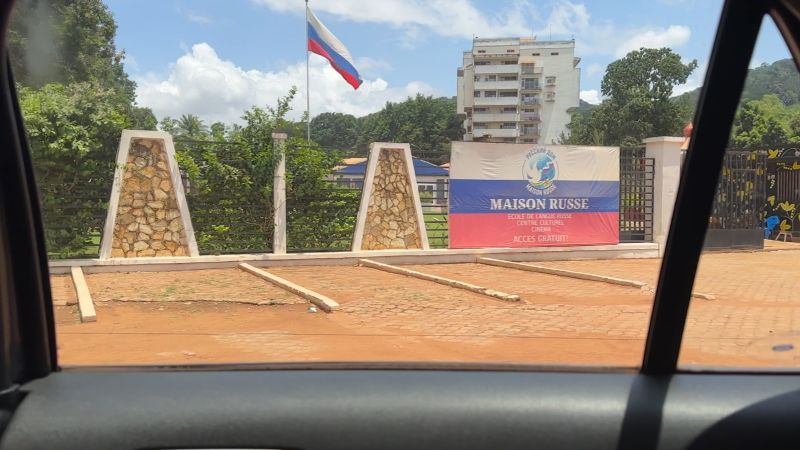
Following the death of Yevgeny Prigozhin, the former boss of the Wagner mercenary group, Russia is working to centralize and consolidate Wagner's operations in the Central African Republic (CAR). The Russian House, a cultural center in the CAR, serves as the nerve center for Wagner's activities, including the sale of gold and diamonds, entertainment of VIPs, and promotion of a pro-Moscow perception of international relations. Despite Prigozhin's death, Russia continues to exert its influence in the CAR, with signs of troop reconcentration and efforts to lower operating costs. The future of Wagner in the CAR remains uncertain, but Russia aims to maintain its presence and control in the country.
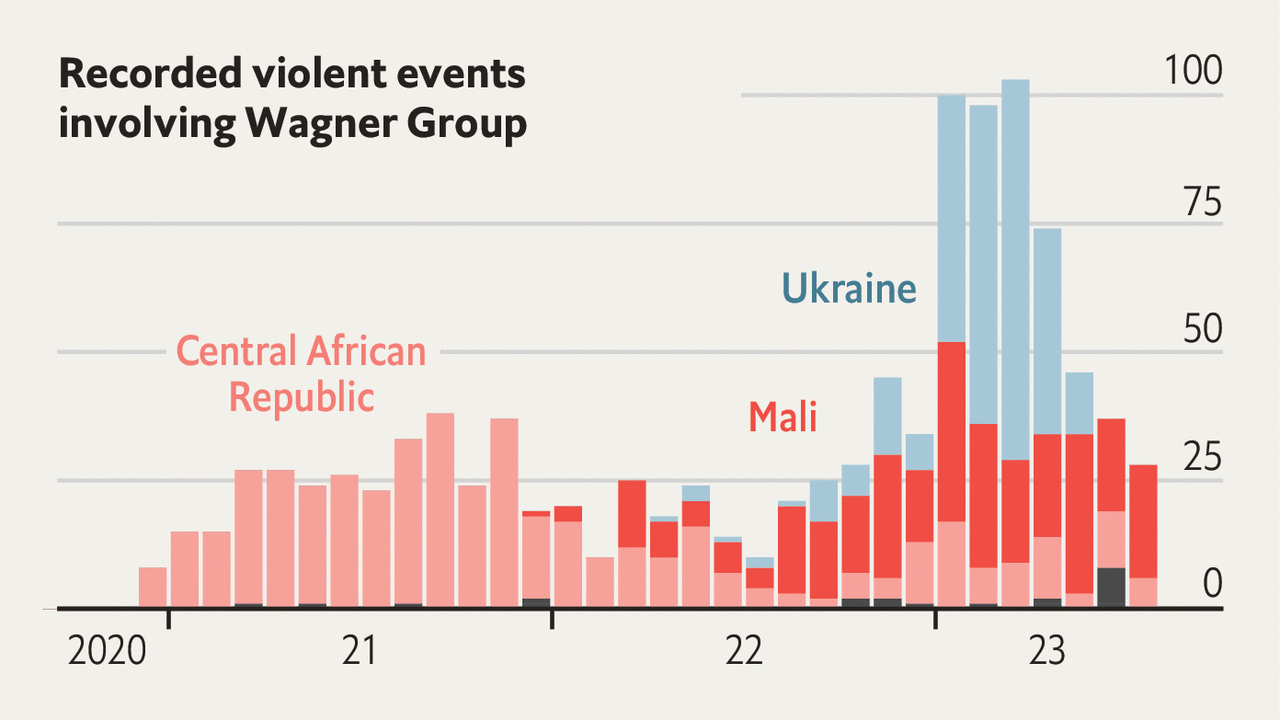
The Wagner mercenary group, led by Yevgeny Prigozhin, has been responsible for routine targeting and killing of civilians in Africa, particularly in the Central African Republic (CAR) and Mali. Wagner, a loose network of subsidiaries linked to the Russian state, operates under contracts with foreign governments, enabling the Kremlin to engage in foreign crusades with little accountability. Data from the Armed Conflict Location and Event Data Project (ACLED) reveals that Wagner forces have been involved in a significant percentage of violent events in both CAR and Mali, with a propensity for targeting civilians. Attacks on ordinary people, including abduction, sexual violence, and torture, account for a large portion of Wagner's clashes in these regions. The group's violence against civilians has resulted in a high number of deaths, with reports of hundreds of people being killed in single attacks. Journalists investigating Wagner in Africa face arrest, and three have been murdered.
The Central African Republic (CAR) is preparing for a constitutional referendum that could allow President Faustin-Archange Touadera to extend his rule by scrapping the two-term limit. The proposed changes would also increase the presidential term and introduce the role of a vice president. Opposition parties have called for a boycott of the vote, citing rushed amendments and lack of public scrutiny. The referendum has been criticized for further consolidating Touadera's power and stifling opposition. The CAR has struggled with instability and violence, and Touadera has relied on Russian mercenaries from the Wagner Group to maintain control.
The Central African Republic (CAR) government is confident that a peaceful constitutional referendum will take place later this month with the help of Russian paramilitary group Wagner, who recently returned to the country. While the government claims the fighters are there to secure the referendum process, critics question Russia's increasing influence in CAR and its interest in the country's politics. Wagner forces had previously withdrawn from several towns in CAR, causing safety concerns. The referendum, which aims to introduce a new constitution and remove the presidential term limit, is facing opposition from opposition leaders who consider it a putsch facilitated by Russian elements.
The failed rebellion of the Wagner Group, a Russian paramilitary unit, against the Russian military has raised uncertainty about its operations worldwide. Wagner has a significant presence in Africa, particularly in the Central African Republic (CAR), where it has established military, economic, and political influence. The recent departure of Wagner troops from CAR, along with the Kremlin's attempt to re-establish control over the mercenary force, has raised questions about the future of Wagner's operations. While it remains unclear whether the exodus was related to routine troop rotation, a refusal to sign new contracts, or a Moscow-ordered withdrawal, experts believe that Wagner, or a variation of it, will continue to be useful for the Kremlin in Africa. However, challenges from other African forces, such as Rwanda, and the need for Wagner to generate its own revenue may impact its future activities.
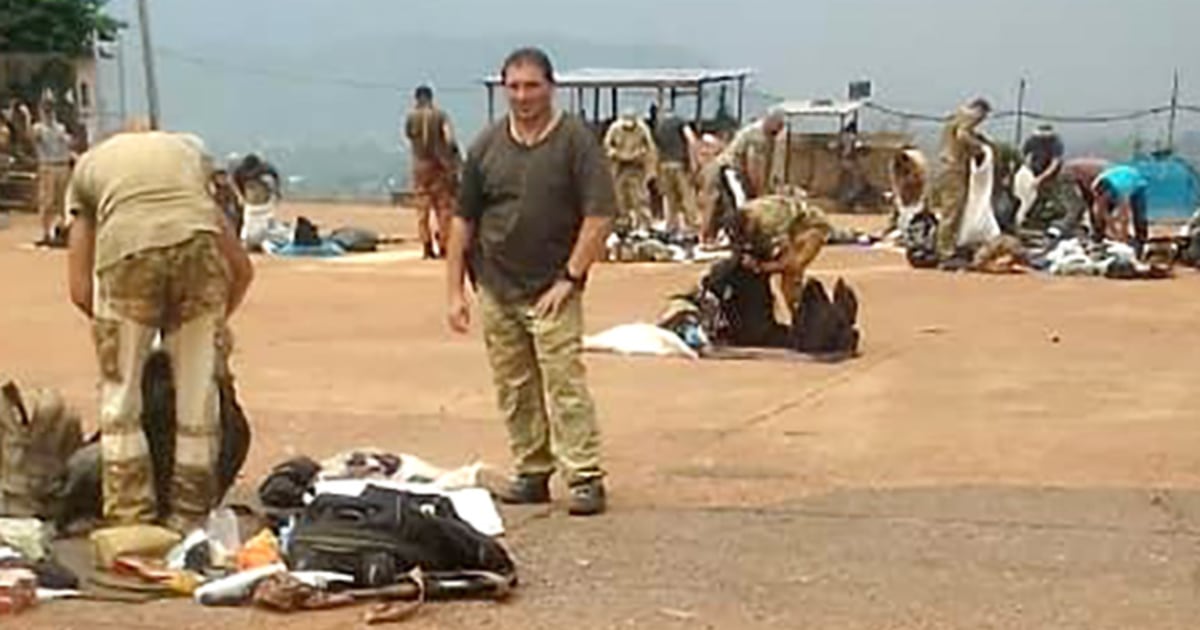
Hundreds of Wagner Group troops have been observed leaving the Central African Republic, raising questions about whether Russia is purging the paramilitary organization following its recent mutiny. The departure of personnel comes as the Kremlin seeks to reassert control over the group after its leader, Yevgeny Prigozhin, openly defied Russian President Vladimir Putin. It remains unclear if the troop movement is part of a routine rotation, a large-scale sacking, or a refusal to work under the Russian Ministry of Defense. Experts suggest that purges are likely as loyalty is a pressing concern for Putin, but the situation is still uncertain.
The US has imposed sanctions on four firms and one individual connected to the Russian mercenary group, Wagner Group, targeting entities in the Central African Republic, the United Arab Emirates, and Russia. The sanctions are not directly related to last week's uprising but are aimed at degrading the group's revenue streams and preventing its expansion and violence in Africa, Ukraine, and elsewhere. The sanctioned firms engaged in illicit gold deals to fund the Wagner Group's operations, and the UAE has been identified as a potential funding source for the group.