"Unveiling the Dark Matter Solution to Black Hole's Final Parsec Problem"
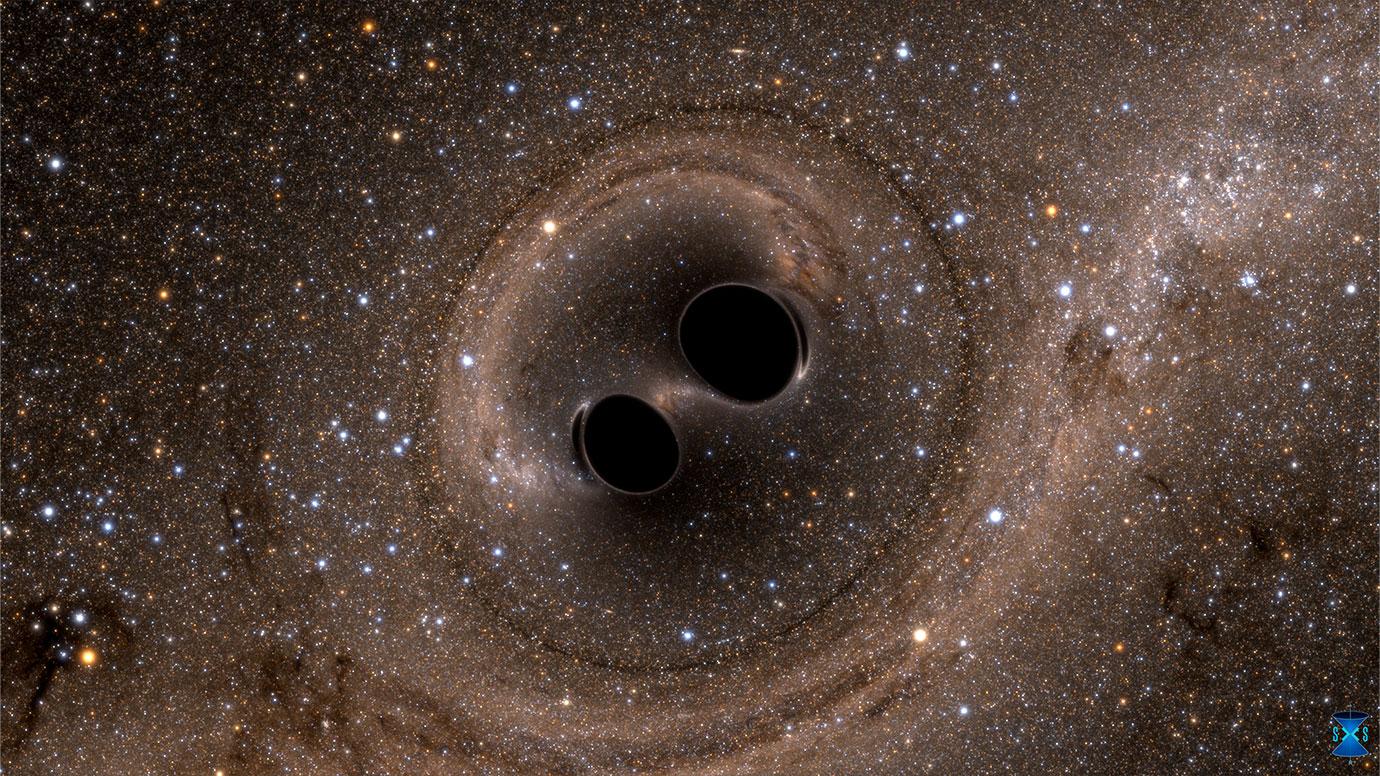
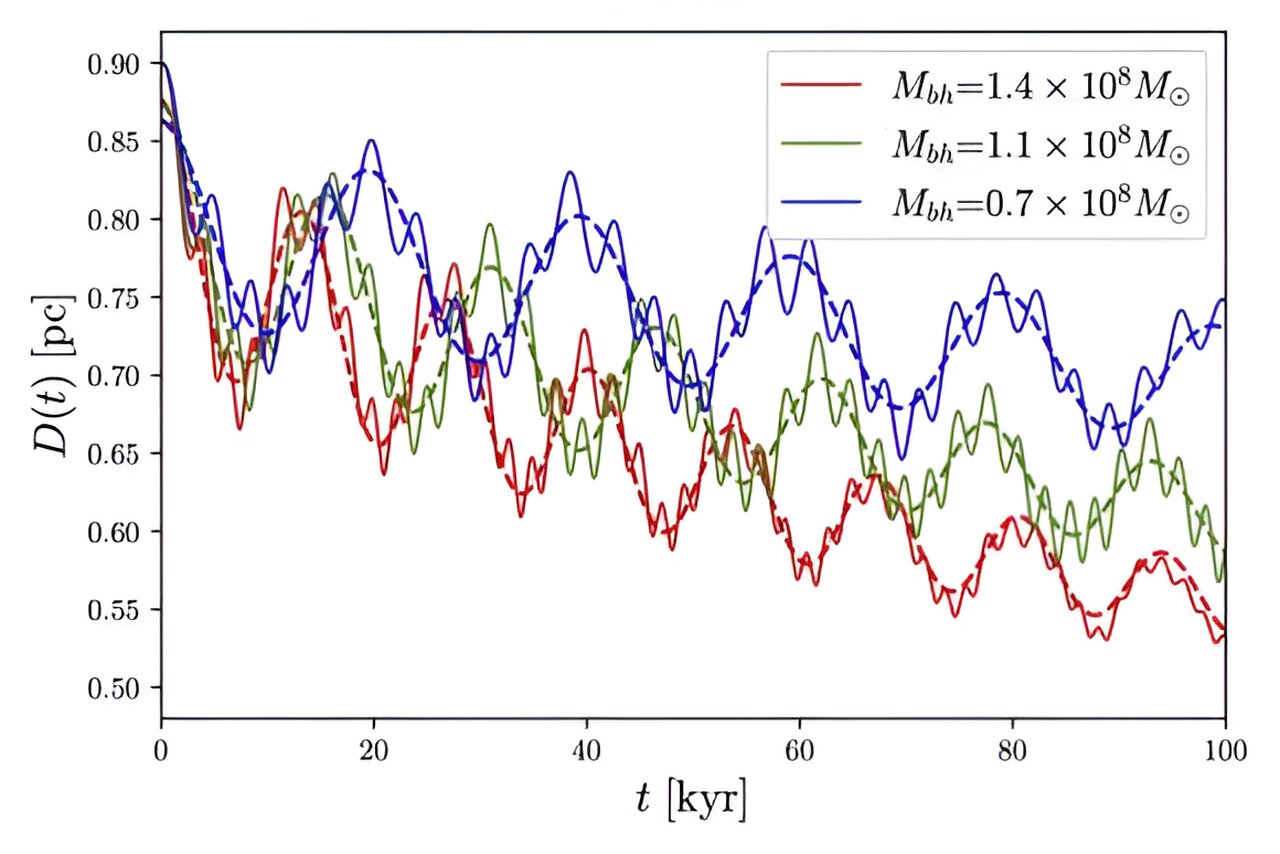
A new study suggests that fuzzy dark matter, a variation of dark matter made of low-mass scalar particles, could help solve the final parsec problem of black hole mergers. Simulations using regular dark matter and general relativity alone have failed to explain the details of how black holes merge. Fuzzy dark matter, with its more "fuzzy" distribution, could increase the rate of orbital decay for black holes, particularly supermassive ones. Direct observations of supermassive black holes are needed to confirm this hypothesis. Future observations from NANOGrav and the planned LISA gravitational wave observatory may provide the necessary evidence.