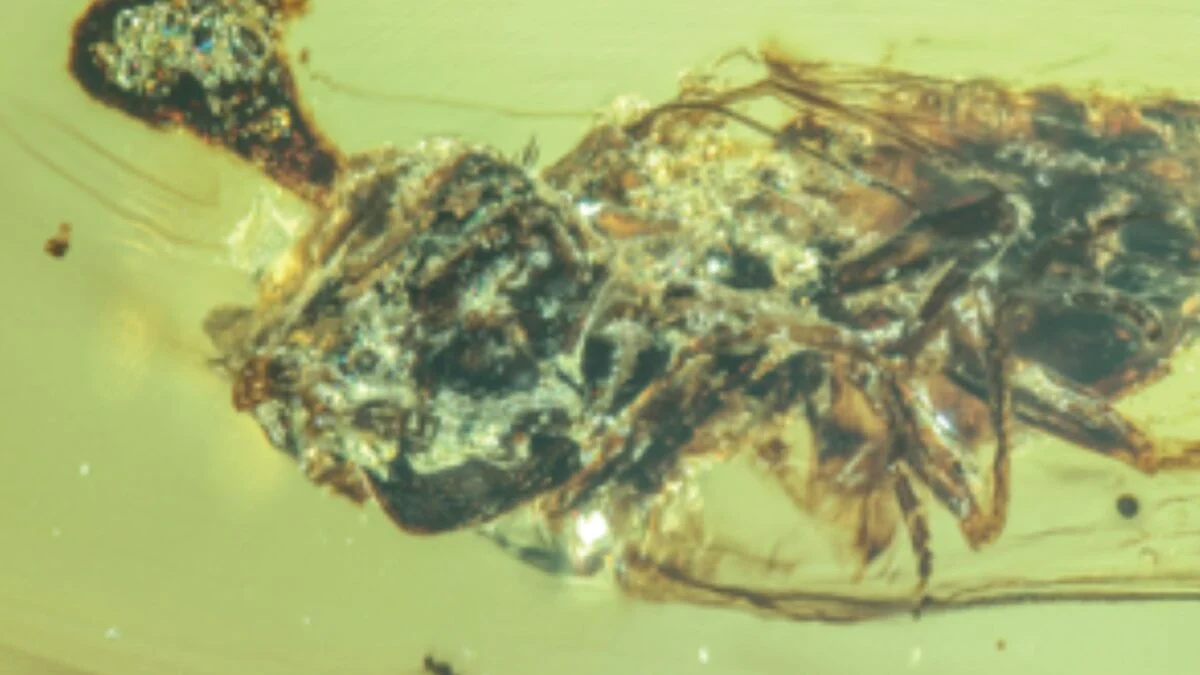
Scientists discovered 99-million-year-old amber fossils of insects infected with new species of parasitic fungi related to cordyceps, revealing that such zombie-like fungi existed during the age of dinosaurs and have a complex evolutionary history.
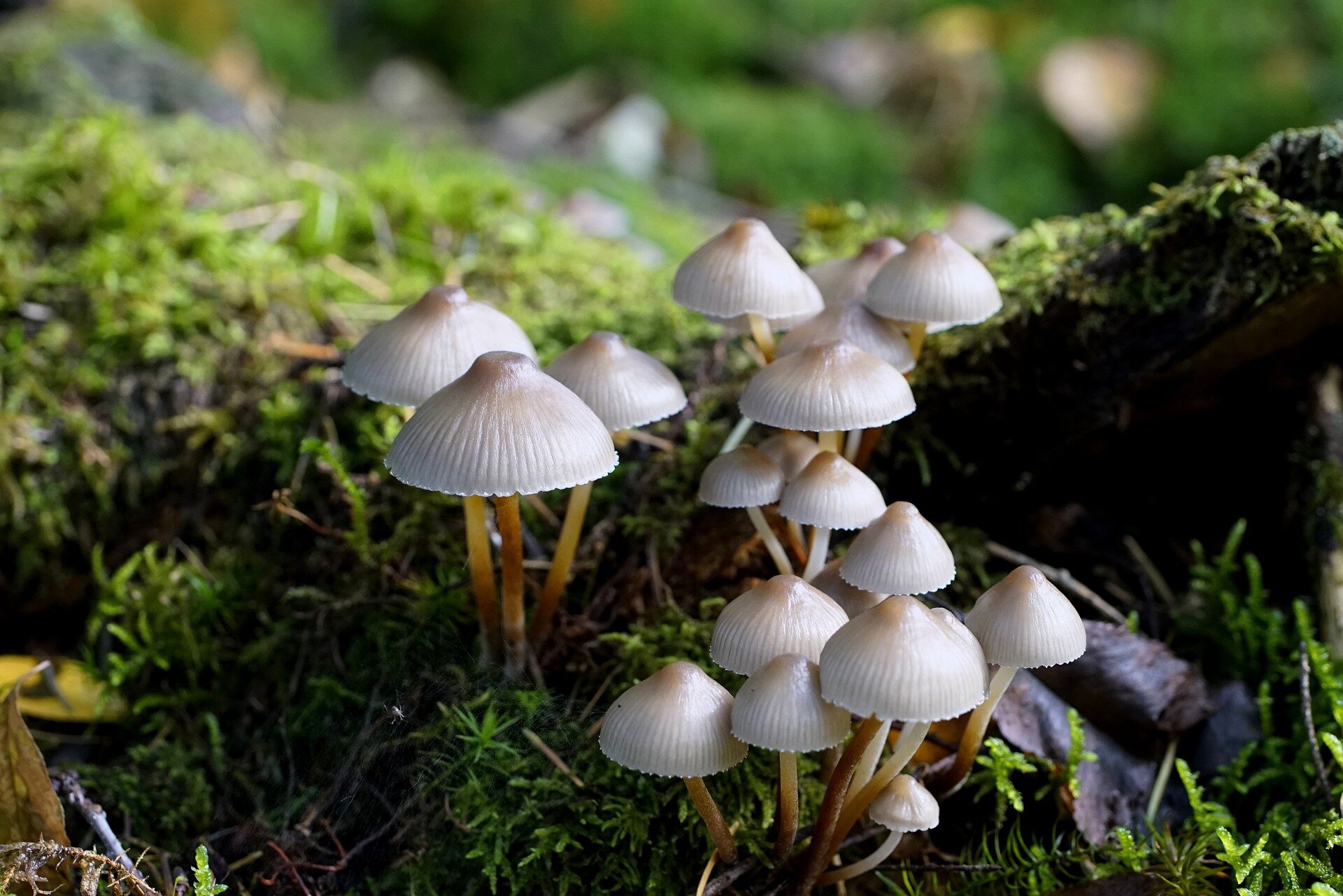
Biologists from the University of Copenhagen have discovered that bonnet mushrooms, known as Mycena, traditionally considered decomposers of dead plant material, can also invade and cooperate with living trees and plants. This evolutionary leap challenges our understanding of the ecological roles of fungi. The research suggests that some Mycena species are developing the ability to act as mutualists, exchanging nutrients with their living hosts. The study also highlights the potential role of human activity in facilitating this adaptation. While there is increasing concern about fungal infections, the researchers assure that there is no need to fear Mycena invading humans while alive, as our bodies are adept at protecting against fungal spores.