Social Security's trust fund is projected to be depleted by 2033, risking significant benefit cuts unless Congress takes action. The issue stems from demographic shifts and a declining ratio of workers to retirees, creating a political challenge as solutions like tax hikes, benefit cuts, or funding from general revenues face opposition. While the problem is urgent, current political will suggests that some form of the program will persist, but the path to sustainability remains contentious and uncertain.

Long-term U.S. Treasury yields have increased due to renewed concerns over U.S. fiscal sustainability, influenced by recent policy developments like the federal budget bill, with BlackRock signaling a strategic shift.
The Congressional Budget Office projects that US federal government debt is on track to reach 116% of GDP by 2034, with potential for even higher levels. Bloomberg Economics' simulations show that in 88% of scenarios, the debt-to-GDP ratio is unsustainable. The Biden administration aims to address this through tax hikes, but bipartisan action from a divided Congress is necessary. Market participants are skeptical of the CBO's optimistic assumptions, and heavyweights across the political spectrum express concern about the nation's deficits. The US faces the risk of a debt crisis, which could have global repercussions.
Ben Shapiro argues that the retirement age should be raised due to increased life expectancy and fiscal sustainability concerns, criticizing the idea of retirement as "stupid" unless health issues are involved. He believes that relying solely on Social Security benefits for over 20 years is not financially viable, with the average monthly benefit being close to the federal poverty level. To ensure a comfortable retirement, individuals are advised to take charge of building their nest egg through tax-advantaged accounts, delayed-retirement credits, and potential part-time work or relocation to reduce expenses.
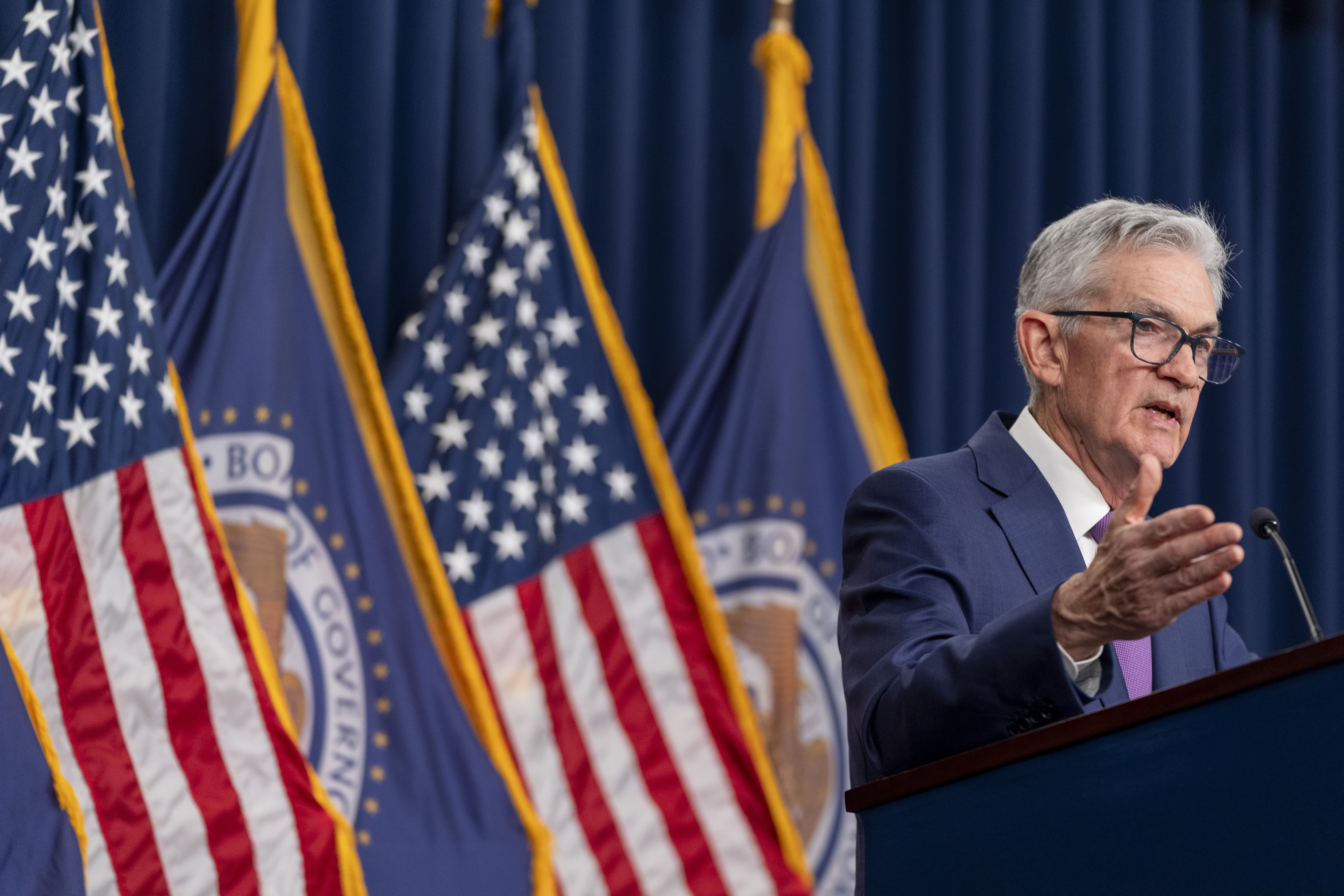
Federal Reserve Chair Jerome Powell emphasized the urgency for the US government to prioritize dealing with the national debt, stating that it is growing faster than the economy and is unsustainable. Powell's comments come as lawmakers consider creating a fiscal commission to study spending. He also indicated that the Fed will likely lower borrowing costs this year, but the next meeting in March is probably too soon for such a move, emphasizing the need to see more good data on inflation.