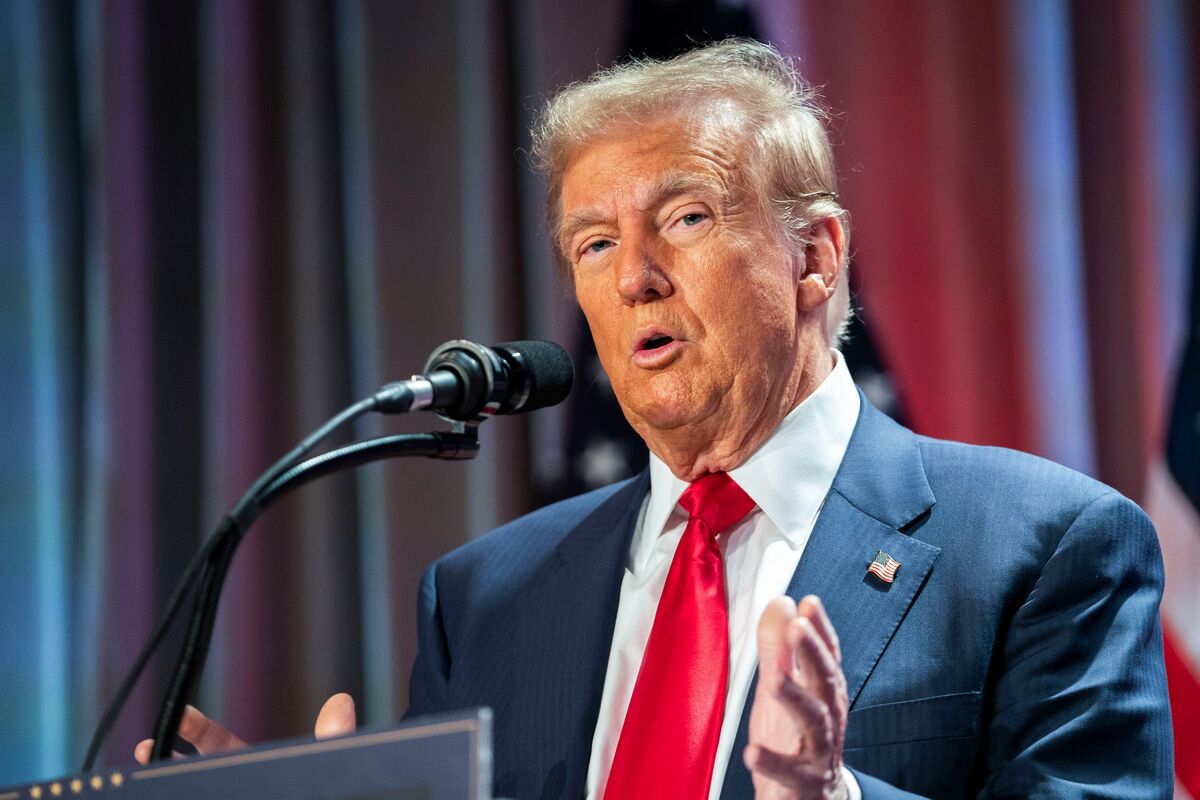
President-elect Donald Trump's administration plans to roll back fuel-efficiency requirements for new vehicles, which he criticizes as an 'EV mandate.' His team aims to reassess standards finalized in June and target EPA regulations on tailpipe emissions.
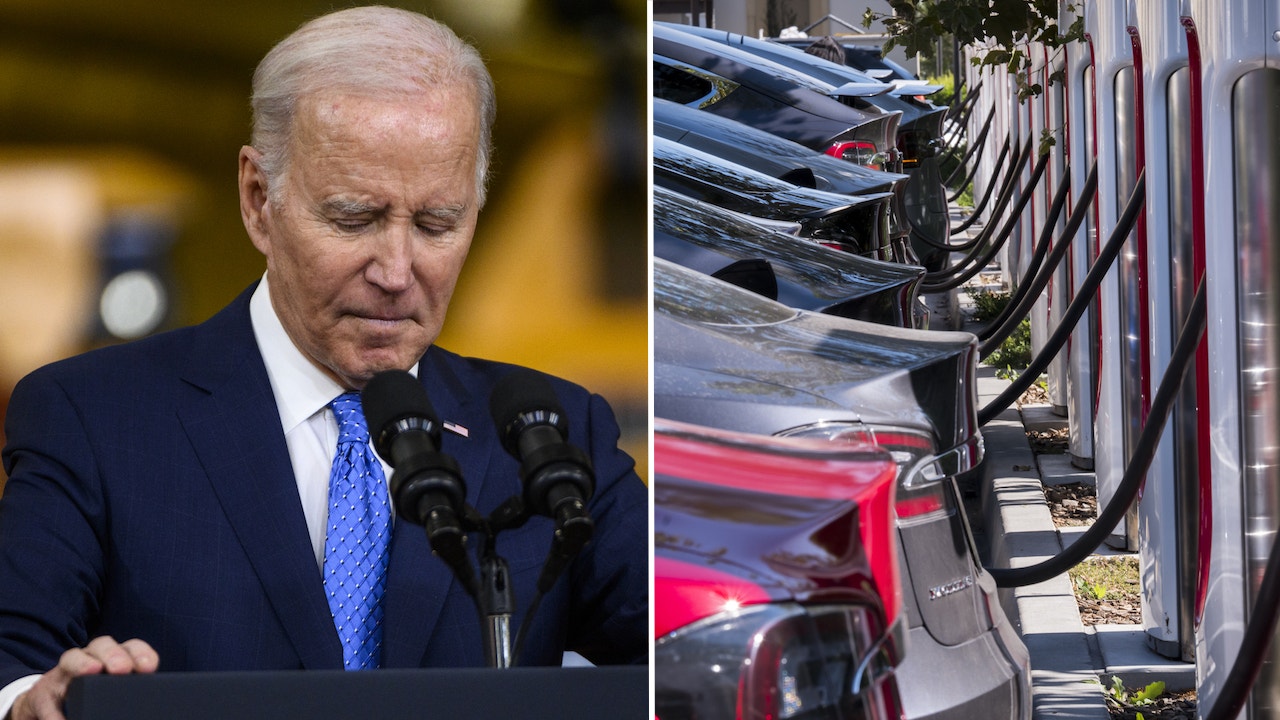
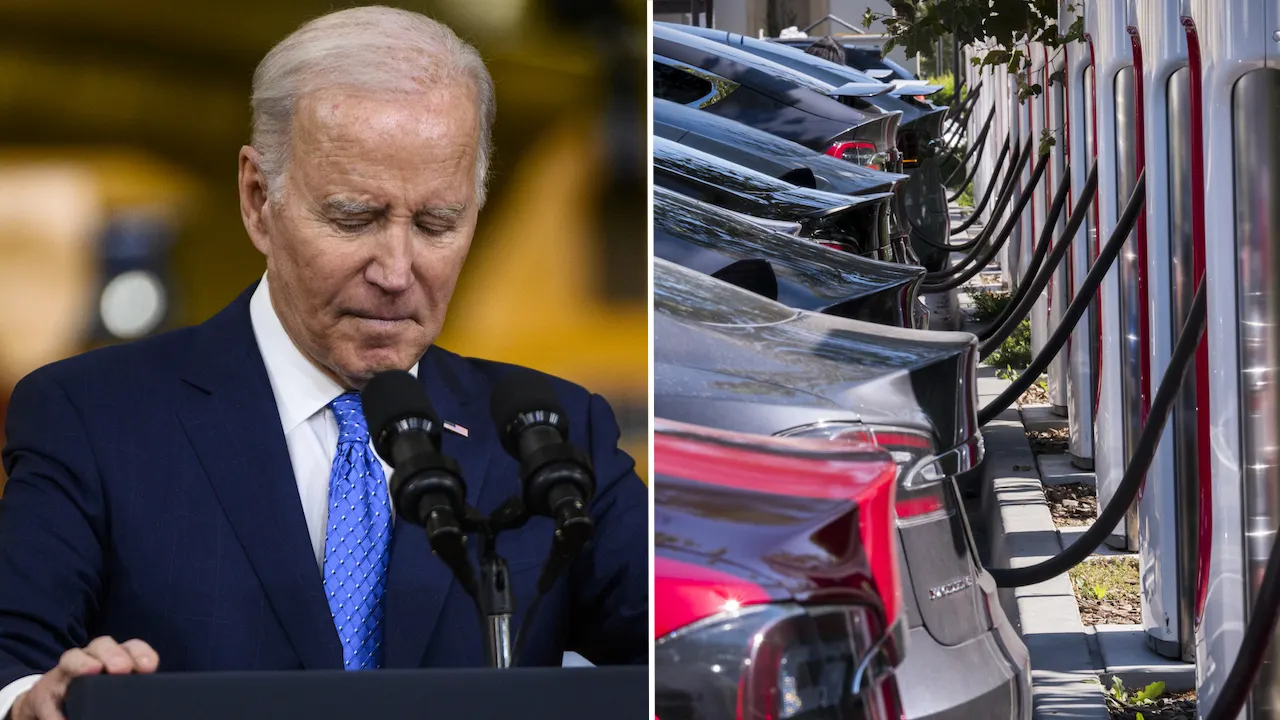
A Gallup poll revealed that the percentage of Americans considering purchasing an electric vehicle (EV) has decreased from 55% to 44%, with just 9% seriously considering it. The data showed income, age, and political ideology disparities in EV consideration. This comes as President Biden aims for 50% of U.S. car sales to be electric by 2030, with the administration finalizing aggressive tailpipe emissions regulations. Oil producers and petroleum refiners criticized the regulations, arguing they would make gas-powered vehicles unavailable or prohibitively expensive. Despite the pushback, EV sales have been increasing, especially in California, which has finalized an aggressive EV mandate.
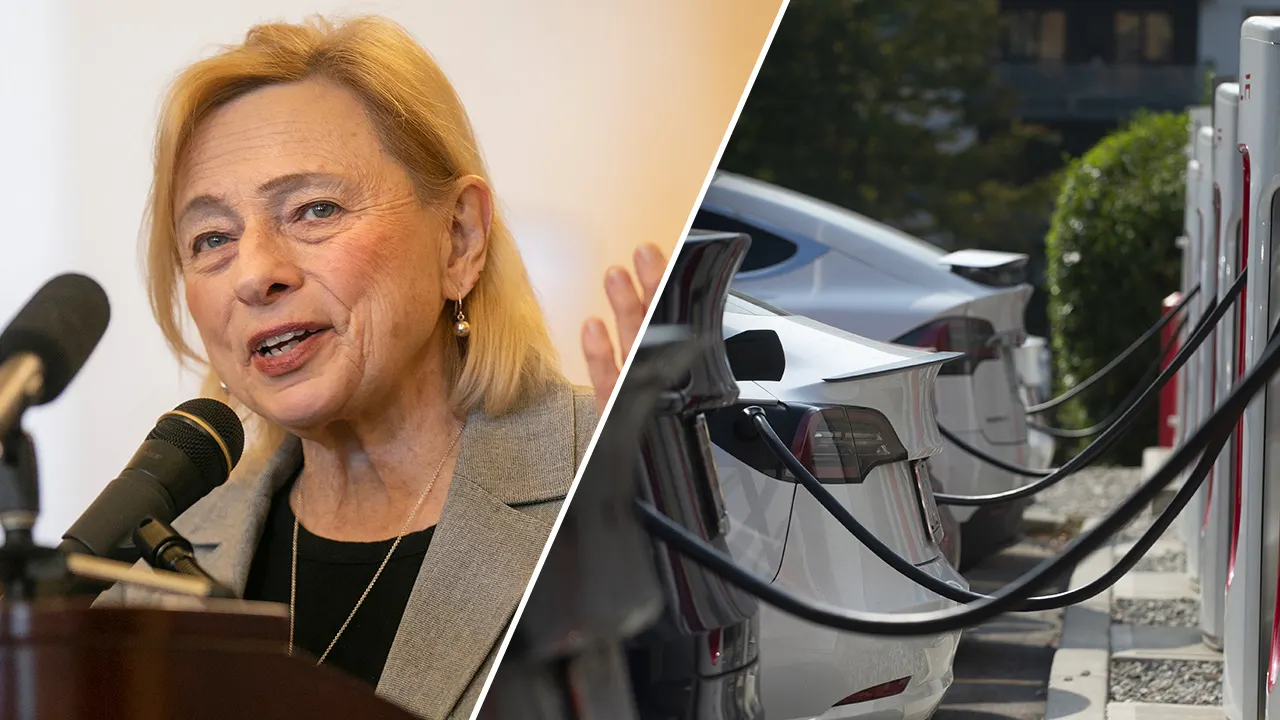
The Maine Board of Environmental Protection (BEP) has indefinitely postponed a vote on a sweeping electric vehicle (EV) mandate due to a storm that caused widespread power outages. The storm, which led to a state of emergency declaration by Democratic Maine Gov. Janet Mills, resulted in the closure of state government offices. The proposed mandate, which aims to mimic California's regulations, has faced bipartisan opposition, with concerns raised about the reliability of electricity generation and supply during storms. Critics argue that the U.S. power grid is ill-equipped to handle the increased demand from widespread EV adoption.
The House voted in favor of the Choice in Automobile Retail Sales (CARS) Act, which aims to strike down federal regulations targeting gas-powered vehicles and the Biden administration's tailpipe emissions regulations. The bill received support from 216 Republicans and five Democrats. If passed, the CARS Act would block proposed regulations by the Environmental Protection Agency (EPA) that would increase tailpipe emissions standards for gas-powered cars and limit the availability of new vehicles based on engine type. The Biden administration has set a goal of ensuring 50% of car purchases are electric by 2030. The CARS Act now moves to the Senate, where it has bipartisan support, but President Biden has stated he would veto the bill if it is passed.
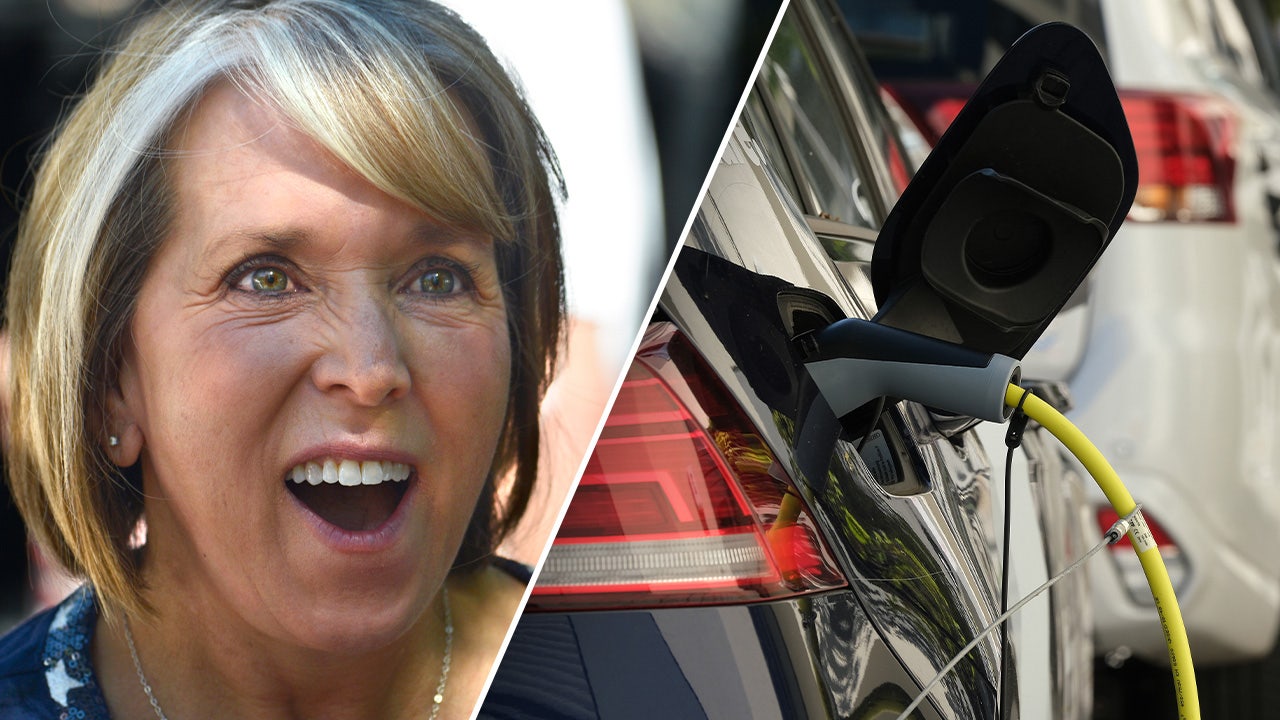
New Mexico Governor Michelle Lujan Grisham has issued an executive order requiring all state government agencies to transition to electric vehicle (EV) fleets by 2035. The governor also plans to enhance EV tax credits to improve affordability. This move follows the implementation of Clean Car rules earlier this year, which mandate increasing percentages of zero-emission vehicles to be sold in the state. The executive order exempts law enforcement and heavy-duty vehicles. New Mexico's efforts align with a broader nationwide push for EV adoption, driven by federal emissions regulations and fuel economy rules.