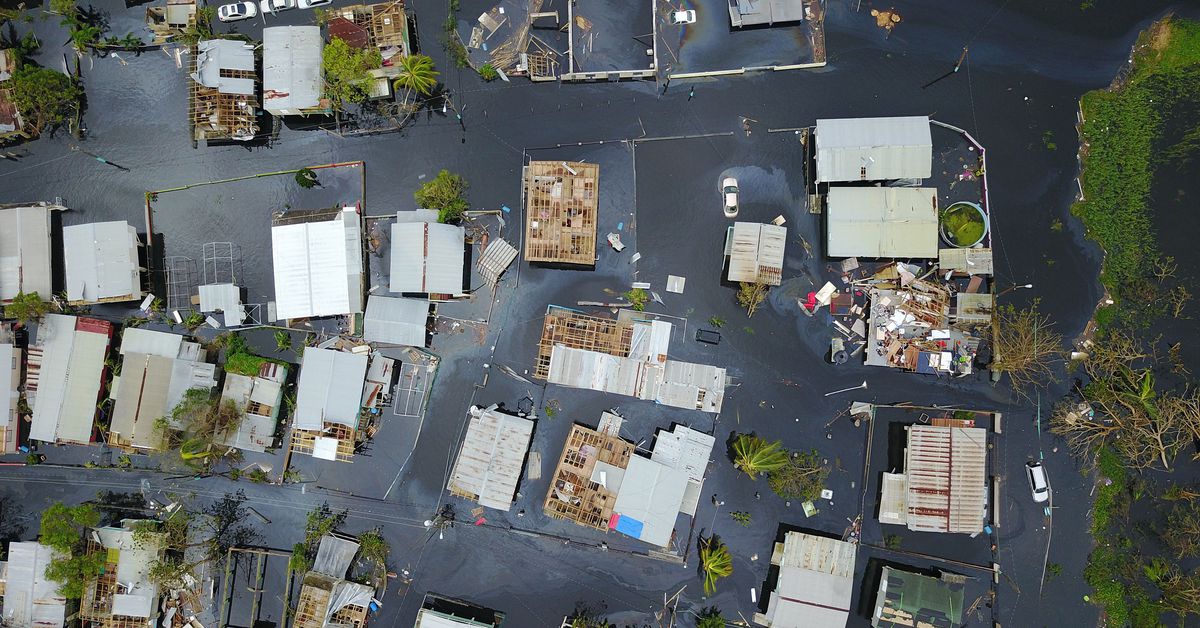
Puerto Rico has filed a $1 billion lawsuit against major fossil fuel companies, accusing them of misleading the public about climate change and delaying the transition to clean energy. The suit aims to secure funds to mitigate climate-related disasters and strengthen infrastructure. This legal action follows previous lawsuits by Puerto Rican municipalities seeking accountability for the devastation caused by Hurricane Maria.
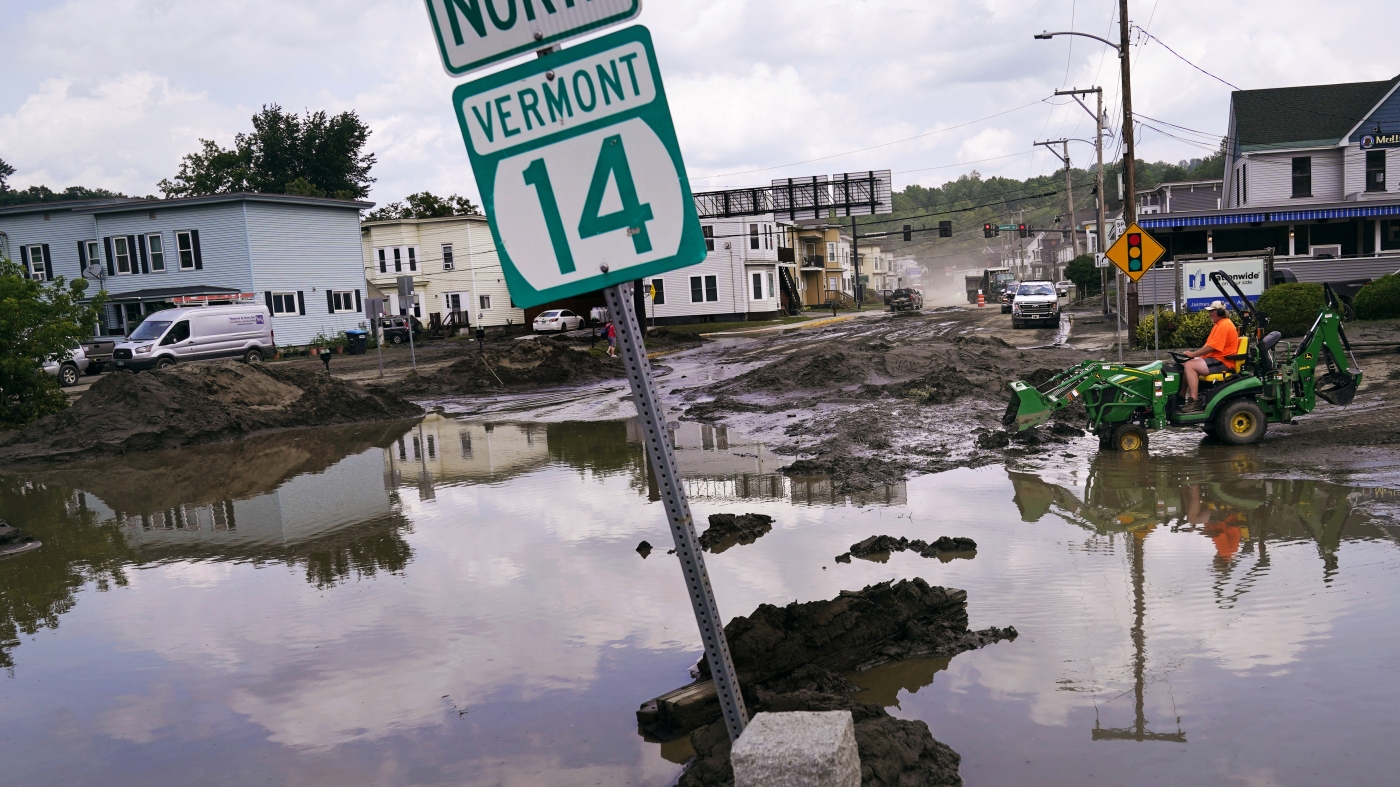
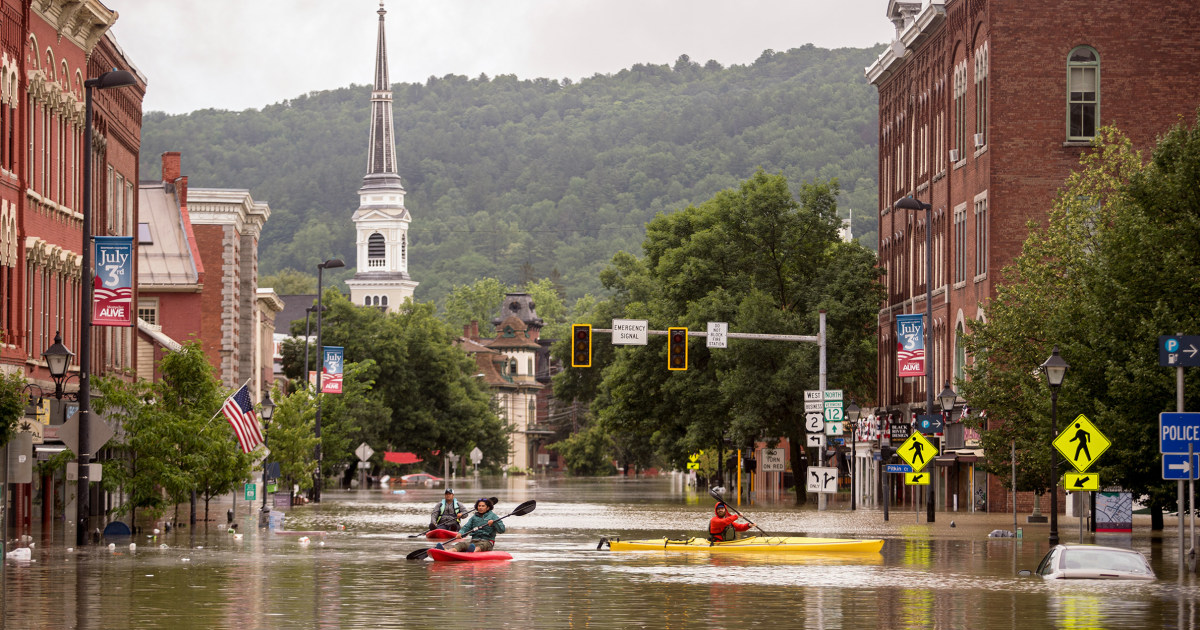
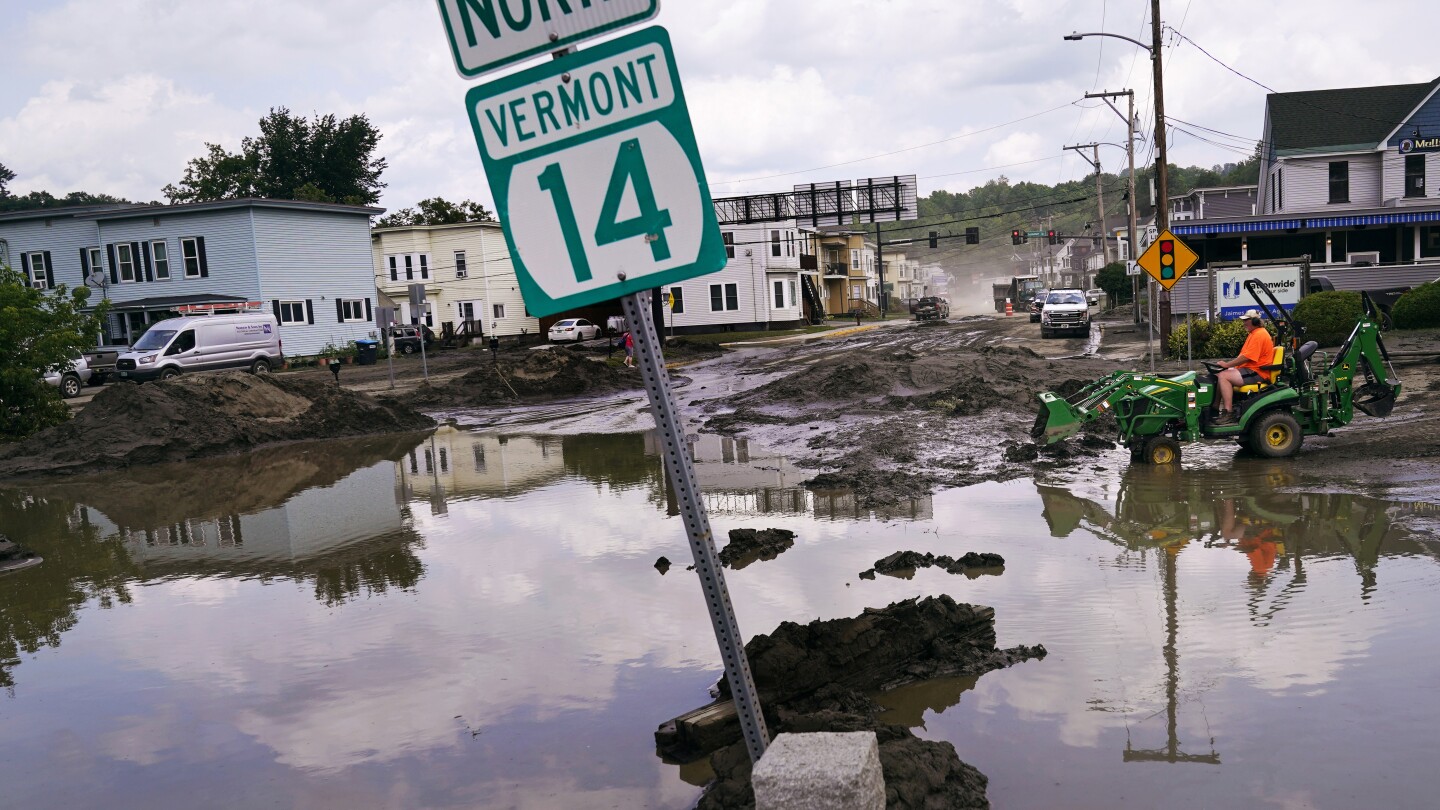
Vermont has become the first state to require fossil fuel companies to pay for climate change damages, following severe flooding and other extreme weather events. Governor Phil Scott allowed the bill to become law without his signature, expressing concerns about the costs and legal challenges but acknowledging the need for action. The law mandates a report on the costs of greenhouse gas emissions and aims to use the funds for infrastructure upgrades and other climate mitigation efforts. Similar measures are being considered in other states, while the oil industry opposes the legislation.
Vermont has enacted a groundbreaking law requiring fossil fuel companies to pay for climate change-related weather disaster costs, making it the first state in the U.S. to do so. The "Climate Superfund Act" mandates that companies responsible for significant carbon emissions from 2000 to 2019 contribute to recovery and preparation efforts for extreme weather events. While the law has garnered support for holding polluters accountable, it faces potential legal challenges and opposition from the fossil fuel industry. Similar policies are being considered in other states like Massachusetts, Maryland, and New York.
Vermont has enacted a groundbreaking law requiring fossil fuel companies to pay for climate change damages, following severe flooding and other extreme weather events. Governor Phil Scott allowed the bill to pass without his signature, expressing concerns about the costs and legal battles ahead. The law mandates a report on the financial impact of greenhouse gas emissions and aims to use the funds for infrastructure upgrades and environmental protection. Similar measures are being considered in other states, while the oil industry opposes the legislation, citing legal and economic concerns.
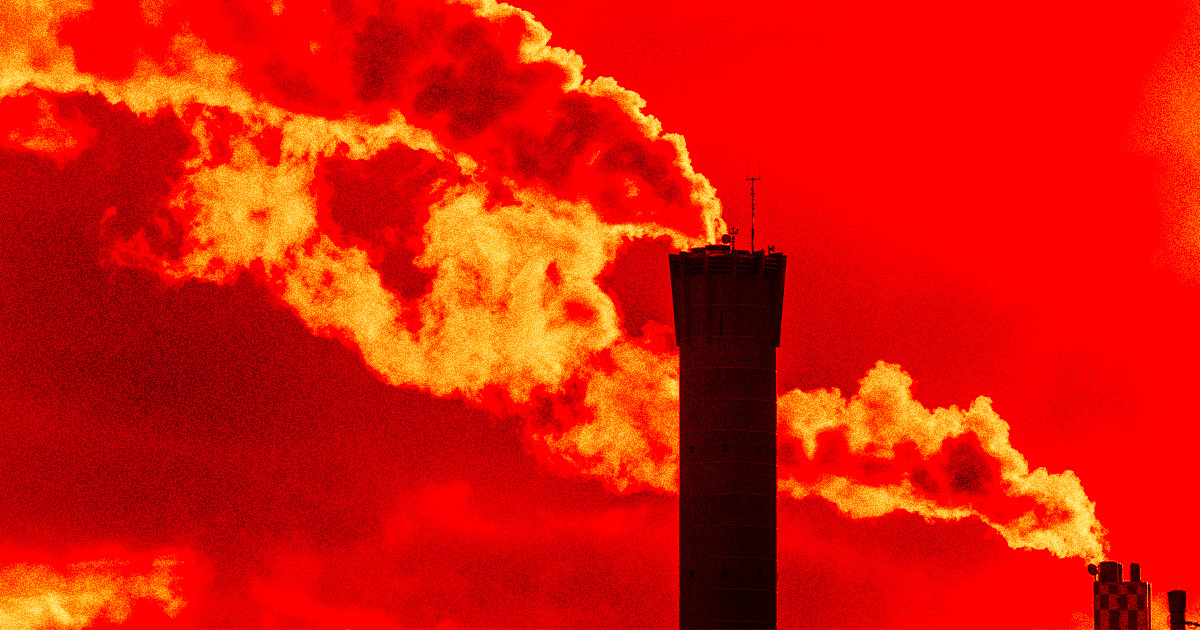
The Carbon Majors Database has identified 57 industrial and state entities as the main culprits behind climate change, with a shocking 88 percent of global emissions attributed to just these top offenders. The group aims to hold these polluters accountable and shift the blame from consumers to the moneyed interests driving climate change, emphasizing the moral reprehensibility of companies continuing to expand carbon fuel production despite knowing the harm caused. The report highlights the urgent need for corporate accountability and action to combat climate-related human rights violations.
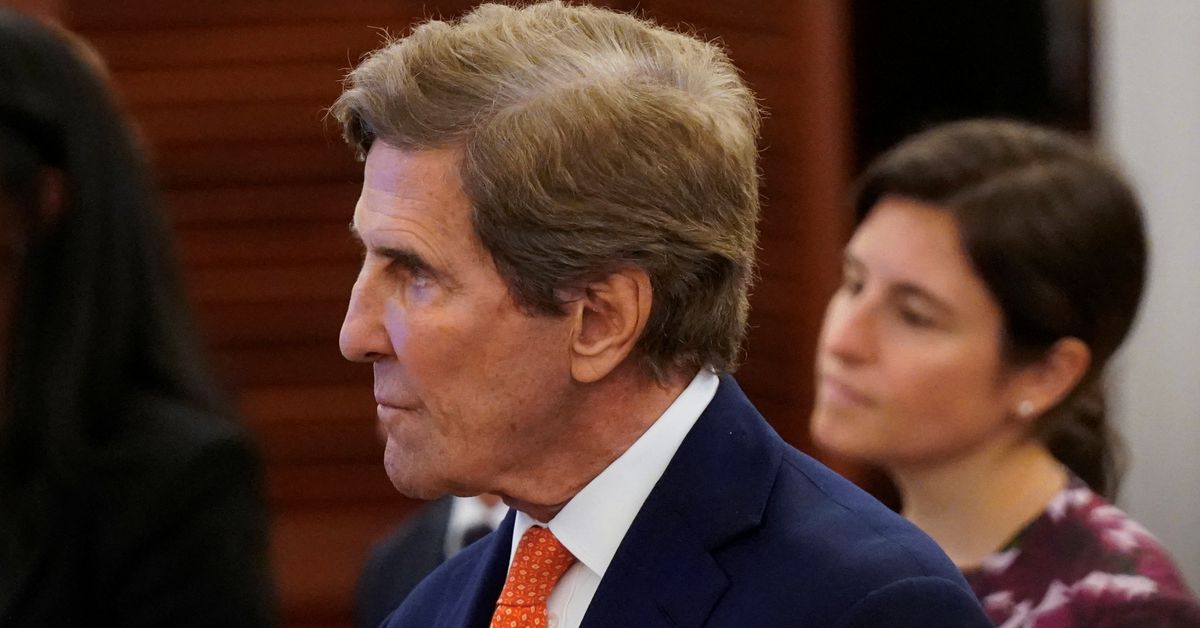
U.S. Climate Envoy John Kerry has called on fossil fuel companies to take responsibility for cutting CO2 emissions and contribute to global efforts to combat climate change. As countries prepare for the U.N. COP28 climate summit, which will focus on phasing out CO2-emitting coal, oil, and gas, Kerry emphasized the need for these companies to prove their commitment. While some major oil and gas companies have made investments in carbon removal and renewable energy, there are concerns about the scale and impact of these efforts. Governments and industry must work together to develop a plan for phasing out fossil fuels while increasing investments in renewables.
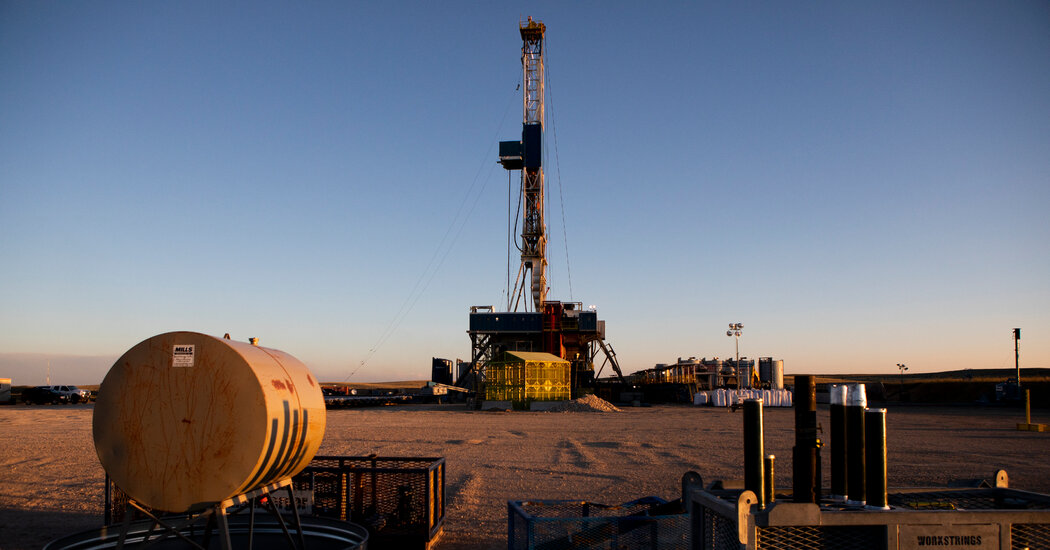
The Biden administration has proposed a rule to increase the royalties paid by fossil fuel companies for drilling on public lands, marking the first change since 1920. The rule would also raise the cost of bonds that companies must pay before drilling, with the aim of shifting the burden of cleaning up abandoned wells from taxpayers to the companies. The changes are part of the administration's broader efforts to address climate change and promote renewable energy on public lands. Oil and gas companies oppose the rule, while environmental groups applaud it but call for further restrictions on drilling.
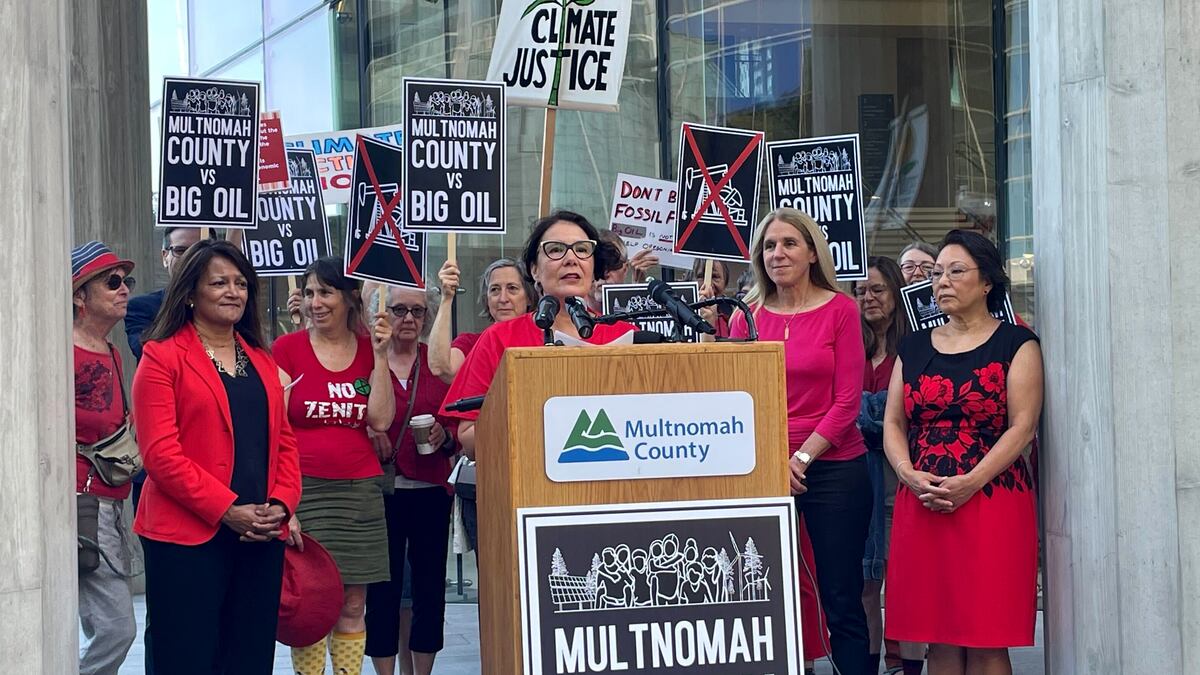
Multnomah County in Oregon is suing 17 fossil fuel companies for nearly $52 billion in damages and future costs for climate adaptation, alleging that their products contributed to the deadly heat dome event in 2021 that killed 69 people in the county. The lawsuit claims that the companies "rapaciously sell fossil fuel products and deceptively promote them as harmless to the environment," leading to disasters like the heat dome. The county is seeking $50 million in actual damages, $1.5 billion in future damages, and $50 billion to better prepare for the changing climate. The lawsuit is part of a growing list of similar lawsuits filed by cities and counties across the US attempting to hold fossil fuel companies accountable for their role in causing human-caused climate change.
The number of fossil fuel companies committing to net-zero emissions has increased, but most of their targets fail to address key concerns, making them "largely meaningless," according to a report by Net Zero Tracker. Most targets do not fully cover or lack transparency on Scope 3 emissions, which include the use of a company's products, the biggest source of emissions for fossil fuel companies, or don't include short-term reduction plans. The report also found that none of the fossil fuel companies were making the needed commitments to move away from fossil fuel extraction or production.
Climate protesters disrupted Shell's shareholder meeting in London, attempting to rush the stage and preventing the meeting from proceeding for over an hour. Security personnel carried several protesters out of the room. The protesters accused fossil fuel companies of raking in record profits while polluting the environment. Shell reported a record $39.9 billion profit for 2022. A small but vocal collection of Shell's investors pushed for a shareholder resolution that demanded the company strengthen its goals for reducing greenhouse gas emissions, but the resolution was rejected by the company's board.
The US Department of Justice has filed a legal brief in support of local governments in Colorado pursuing climate litigation against fossil fuel companies, arguing that the case against Suncor should be heard in state court. The move fulfills a campaign promise by President Joe Biden to support climate litigation. If successful, the lawsuits could change how firms do business, compel companies to pay for climate adaptation, and reinforce banking industry concerns that fossil fuels are a risky investment. The Supreme Court will weigh in on whether the case belongs in federal court, with a decision expected in 2024.