
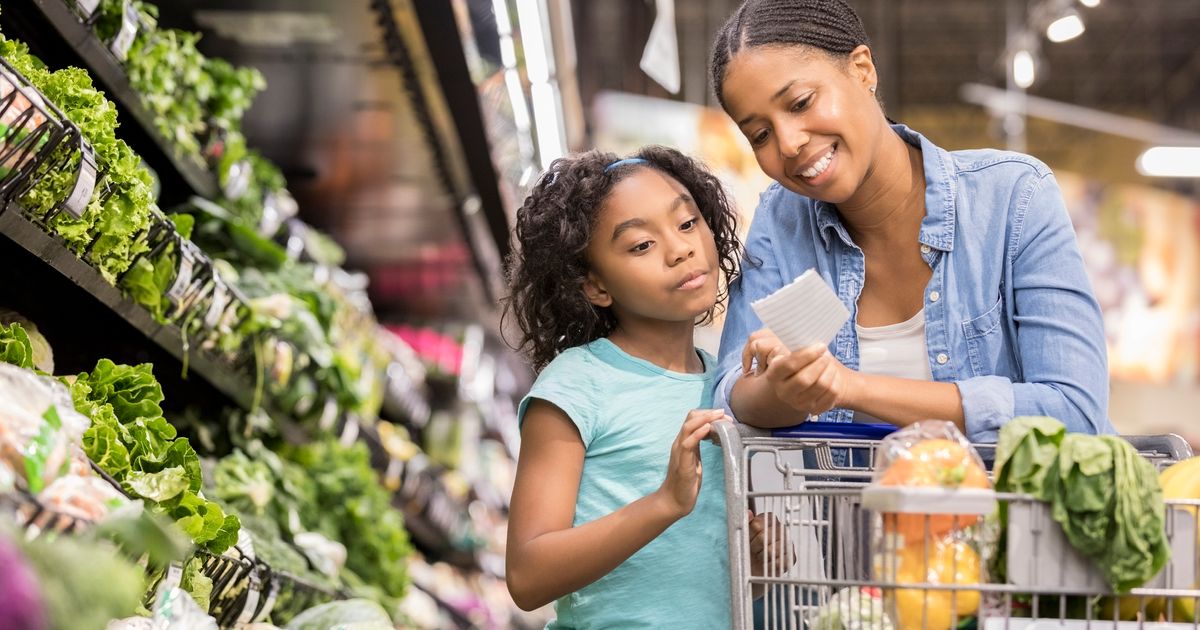
Pediatricians share the foods they rarely or never serve their own children. Some of the foods they avoid include hard candy due to its high sugar content and choking hazard, highly processed packaged foods for their high salt and bad fat content, energy drinks due to their potential dangers and high caffeine levels, fish high in mercury to protect the developing brain, and sugary juice and soda for their concentrated sugar and low fiber content. They also caution against giving toddlers and young children choking hazards like popcorn, hotdogs, and grapes, and advise against unpasteurized dairy products due to the risk of gastrointestinal infections.
Pediatricians share the foods they rarely or never serve their kids, including hard candy due to sugar content and choking hazards, highly processed packaged foods for their high salt and bad fat content, energy drinks due to potential severe consequences and high caffeine content, fish high in mercury to avoid toxicity to the developing brain, and sugary juice and soda for their concentrated sugar and low fiber content. They also caution against serving choking hazards like popcorn, hotdogs, and grapes to young children, and advise against unpasteurized dairy products due to the risk of gastrointestinal infections.
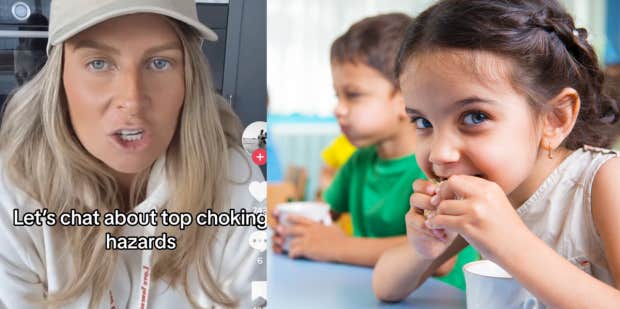
A mother and former paramedic is warning parents about the choking hazards of cucumbers, a popular summer snack for children. Cucumbers have a hard and slippery texture that can break up into chunks, posing a high-risk choking food for young children. The mother advises parents to slice cucumbers into thin, rectangular pieces to reduce the risk of choking. Other parents shared their methods, such as shredding cucumbers into Greek yogurt or cutting the soft middle part into squishable strips. Dieticians and medical experts confirm that cucumbers are one of the greatest choking hazards for young children. It is crucial for parents to be aware of choking risks and know what to do in case of an emergency.