Tag

Food Labels

All articles tagged with #food labels

health-and-nutrition4 months ago

The Impact of Ultra-Processed Foods on Health and How to Choose Better Alternatives

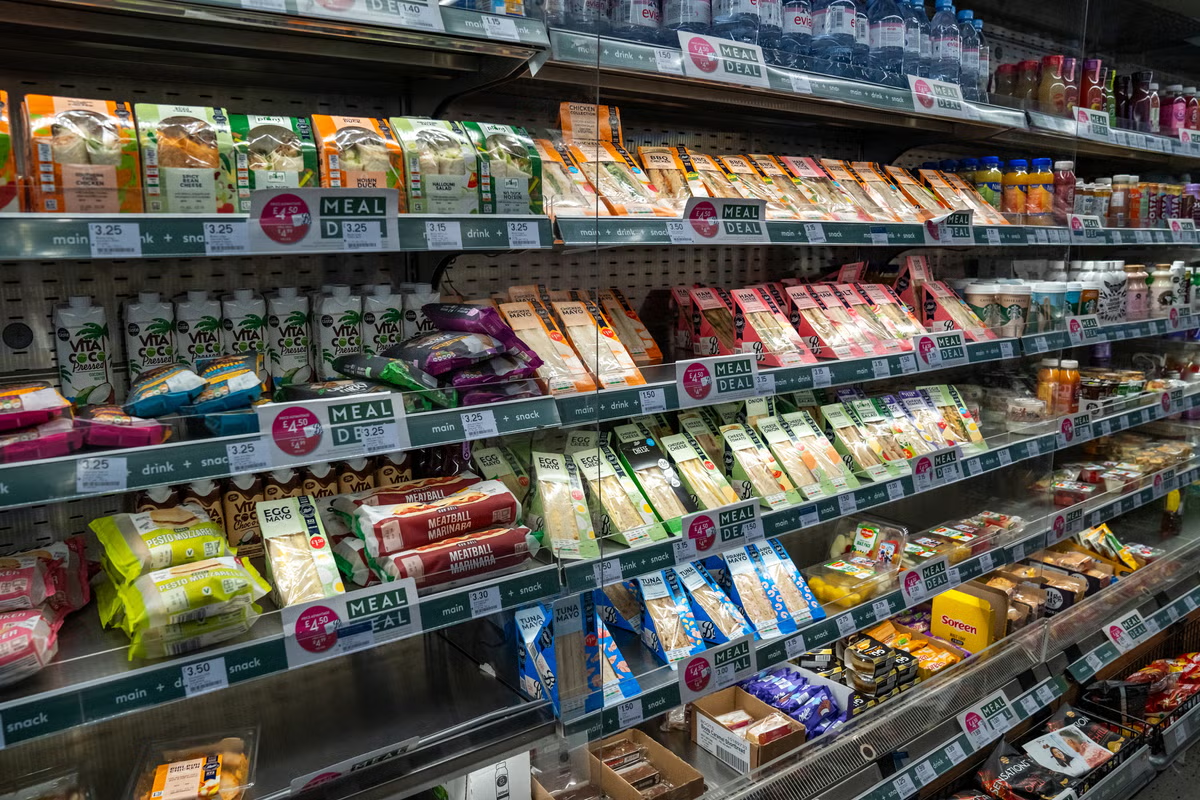
The article explains how to identify ultra-processed foods (UPFs) in supermarkets by reading labels and recognizing certain ingredients like emulsifiers, artificial sweeteners, modified starches, flavor enhancers, and stabilizers. It emphasizes that while not all packaged foods are unhealthy, consumers should look for simple, whole ingredients and be wary of marketing claims that can be misleading. The focus is on making smarter, balanced choices to reduce UPF intake and prioritize nutrient-dense foods for better health.

health-and-nutrition1 year ago

"Unveiling the Truth About Ultra-Processed Foods and Health"

Many pre-packaged foods marketed as healthy, such as ready meals, plant milks, meat substitutes, meal replacement drinks, breakfast cereals, and granola/protein bars, are actually ultra-processed and may not be as nutritious as they seem. Understanding the context and evidence behind food claims is crucial for making healthy choices, as exaggerated headlines and relative risk percentages can be misleading. It's important to consider the overall diet and seek professional advice when relying heavily on these products.

food-and-agriculture2 years ago

Decoding Food Labels: Understanding the Meaning Behind Organic and Free Range

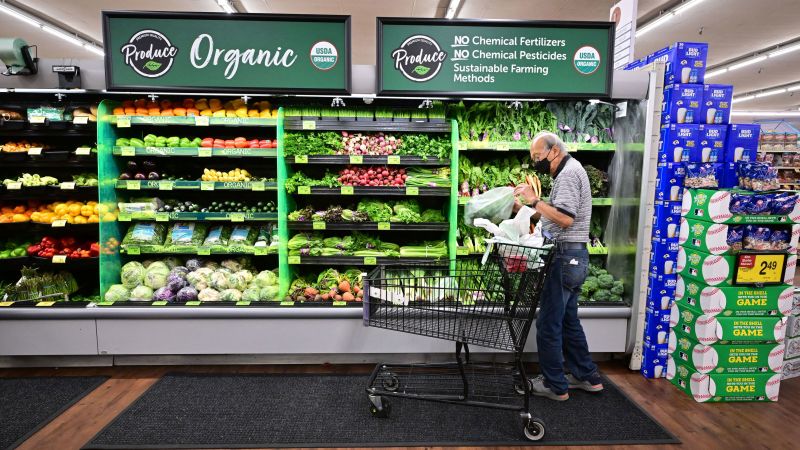
Understanding food labels can be confusing, as different terms have varying definitions and levels of regulation. The USDA provides guidelines for organic certification, which includes avoiding synthetic substances and using permitted farming practices. Animal welfare labels like "cage-free" or "free-range" are not strictly regulated, but companies can seek USDA certification for these claims. However, there is no standard definition for terms like "humane" or "sustainable." Nonprofit organizations offer third-party certification programs with specific standards. "Sell-by" dates are estimates of when food will taste best, not when it becomes unsafe to eat. Consumers can refer to the FSIS guide for general guidelines on food shelf life.

health2 years ago

The Dangers of Excessive Added Sugar in Your Diet.

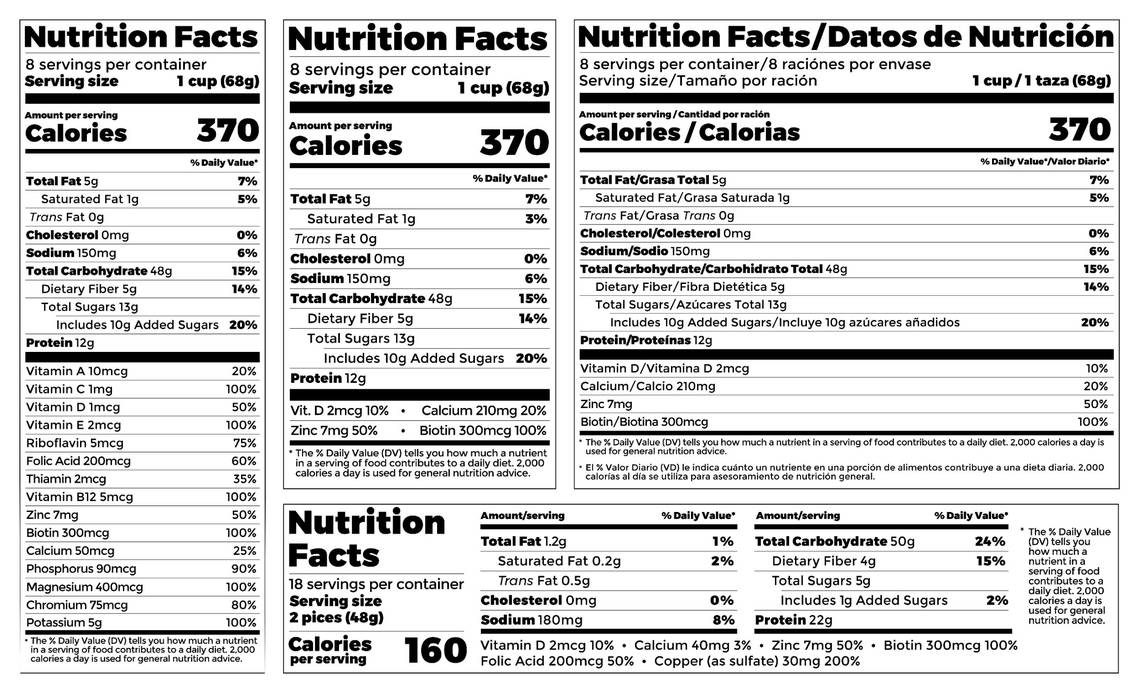
High dietary intake of sugar is associated with negative health outcomes such as cardiovascular disease, gout, obesity, high blood pressure, and diabetes. The recommendation is to have no more than 25 grams of added sugar a day. Foods without a label such as fruit, vegetables, poultry, fish, and meat do not have added sugar. Food labels on jars, cans, boxes, and other food packages state added sugar just below total sugar. It is important to read food labels to compare products.