
The Impact of Ultra-Processed Foods on Health and How to Choose Better Alternatives
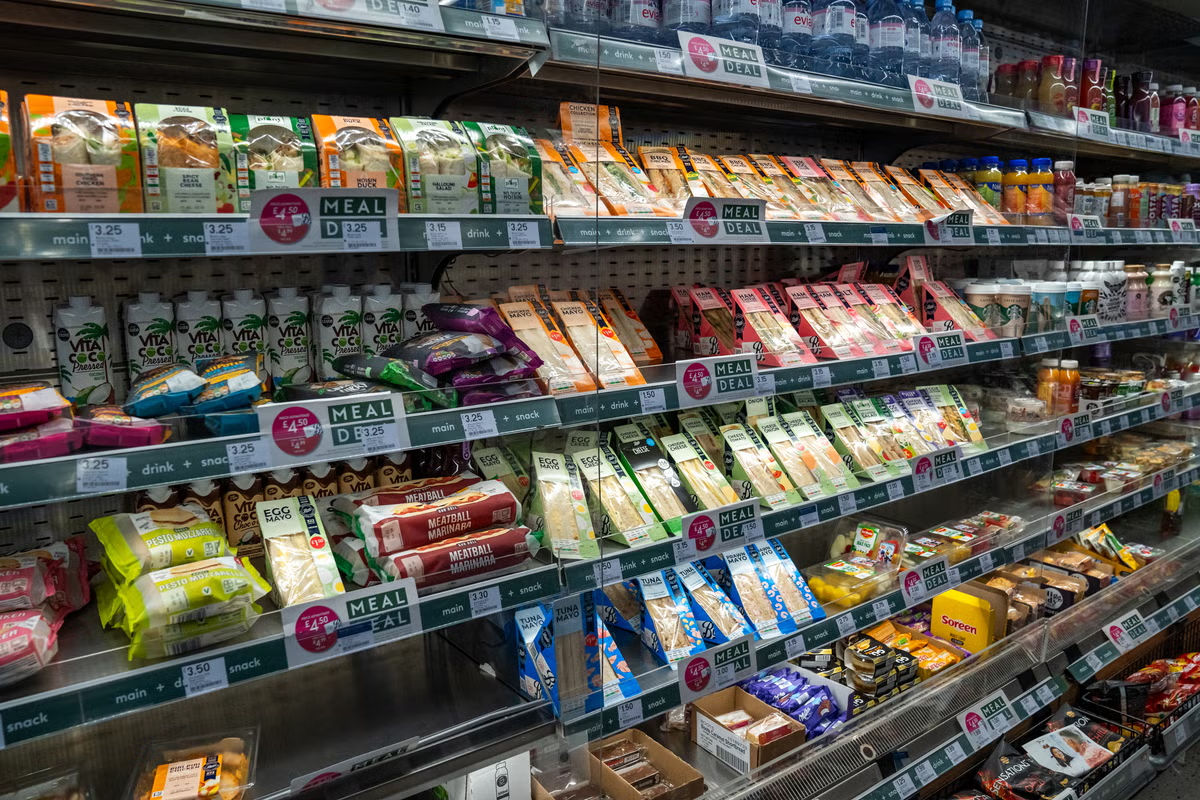
TL;DR Summary
The article explains how to identify ultra-processed foods (UPFs) in supermarkets by reading labels and recognizing certain ingredients like emulsifiers, artificial sweeteners, modified starches, flavor enhancers, and stabilizers. It emphasizes that while not all packaged foods are unhealthy, consumers should look for simple, whole ingredients and be wary of marketing claims that can be misleading. The focus is on making smarter, balanced choices to reduce UPF intake and prioritize nutrient-dense foods for better health.
Topics:health#food-labels#health-and-nutrition#healthy-eating#ingredients-to-watch#supermarket-shopping#ultra-processed-foods
- The five ultra-processed food ingredients to avoid – and what to buy instead The Independent
- Ultra-processed diet decreases male sex hormones, new study suggests The Washington Post
- Ultra-processed foods cause negative health effects within weeks, study finds Le Monde.fr
- Ultra-processed foods vs minimally processed foods: how can you tell the difference? The Conversation
- Why ultra-processed diets make you gain fat even without extra calories ScienceDaily
Reading Insights
Total Reads
0
Unique Readers
9
Time Saved
9 min
vs 9 min read
Condensed
96%
1,800 → 74 words
Want the full story? Read the original article
Read on The Independent