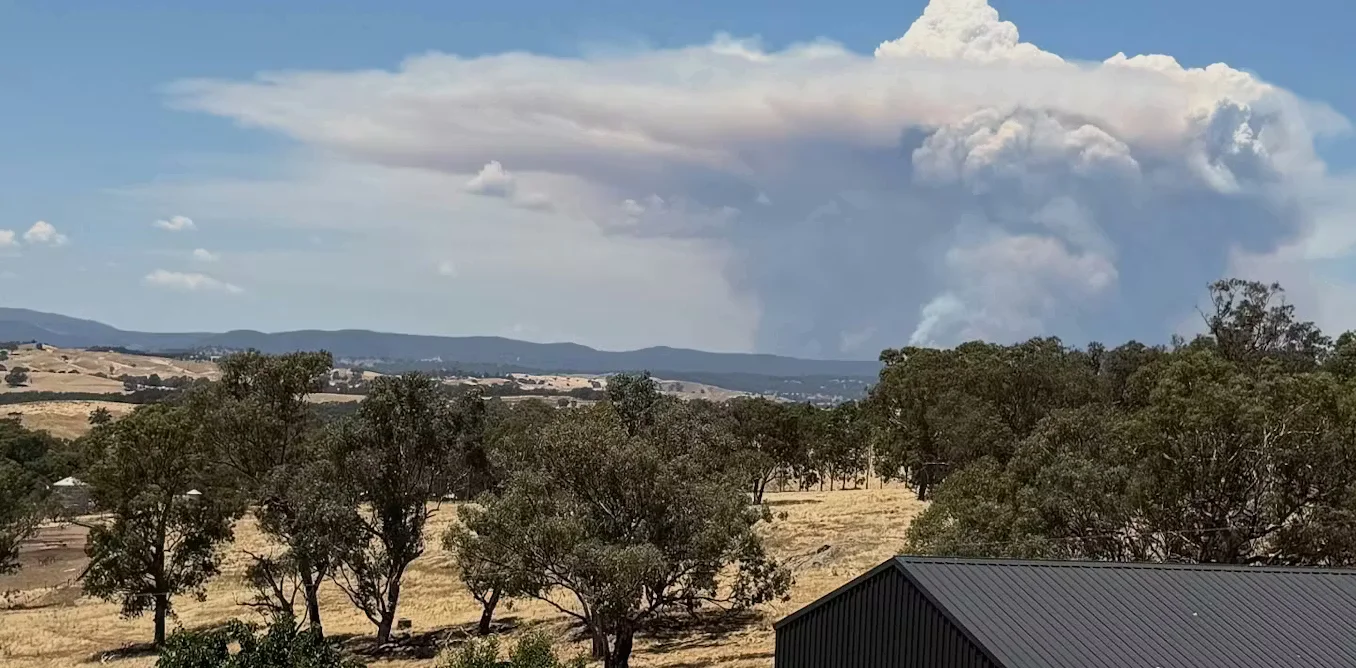
Bushfires can generate their own weather systems, including powerful thunderstorms called pyrocumulonimbus clouds, which can intensify fires, cause lightning, and spread embers over large distances. These fire-induced weather phenomena are becoming more common due to climate change, posing significant challenges for fire prediction and management. Understanding these processes is crucial for improving emergency responses and mitigating risks.
Jefferson County is experiencing a public safety power shutoff due to extreme winds of 50-90 mph and fire weather conditions, affecting 32,000 residents with outages possibly lasting into Friday. Transportation is impacted, and safety tips for driving, food, and generator use are provided. Charging resources are available at local centers, and residents are advised to stay informed via official social media channels.
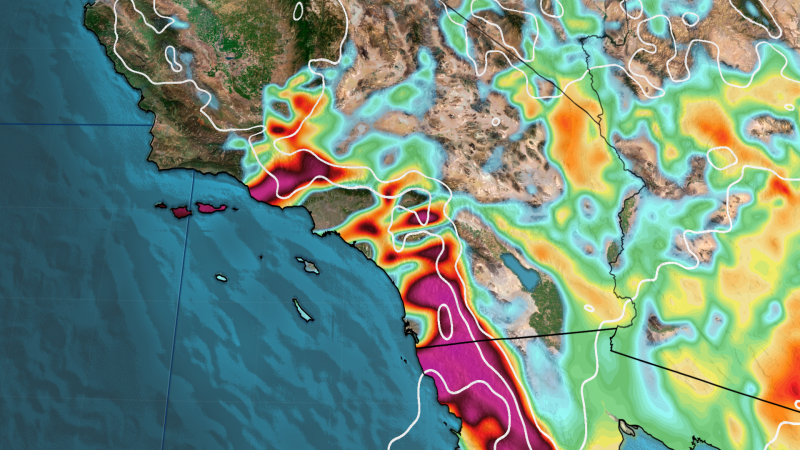
Southern California is under red flag warnings due to a powerful Santa Ana wind event expected to bring dangerous fire weather conditions. Wind gusts of 50-80 mph and low humidity levels are forecasted, increasing the risk of wildfires, especially in areas like the San Gabriel and Santa Monica mountains. The warnings, which are rarely issued, highlight the growing frequency of extreme weather events due to climate change. Residents are advised to prepare for potential power outages and evacuations.
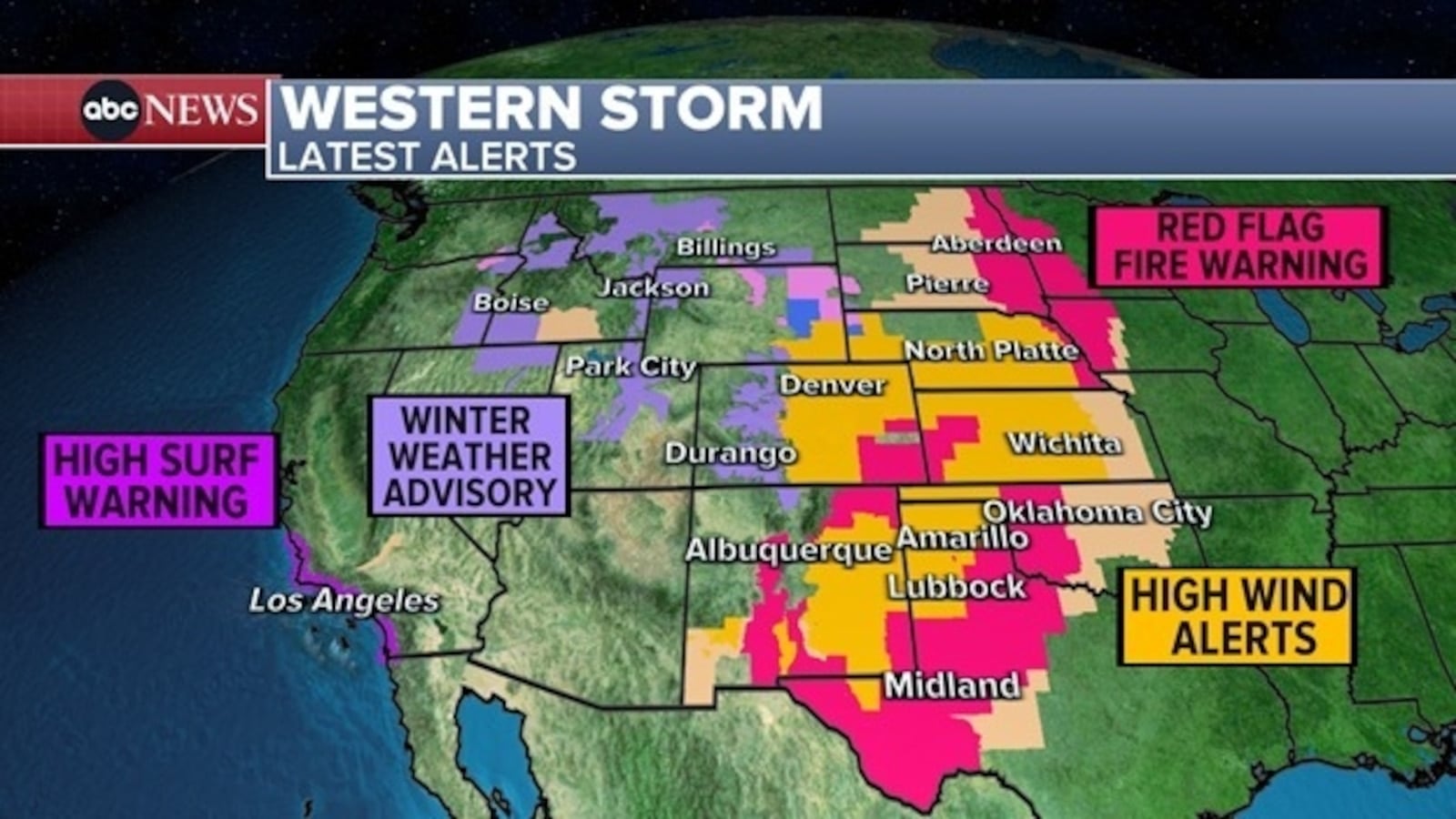
A large storm system is set to bring high winds, fire threats, and severe weather to the central United States this weekend, affecting nearly 30 million people across 12 states. Wind alerts are in effect from North Dakota to Texas, with gusts expected to exceed 40 mph and reach up to 80 mph in some areas. Over 3 million people in five states are facing critical fire weather conditions, prompting power shutdowns and event cancellations in Colorado. Severe thunderstorms, including damaging winds, large hail, and tornadoes, are forecast for the Heartland on Saturday, with the potential for severe weather in Texas, Oklahoma, Arkansas, and Louisiana on Monday.
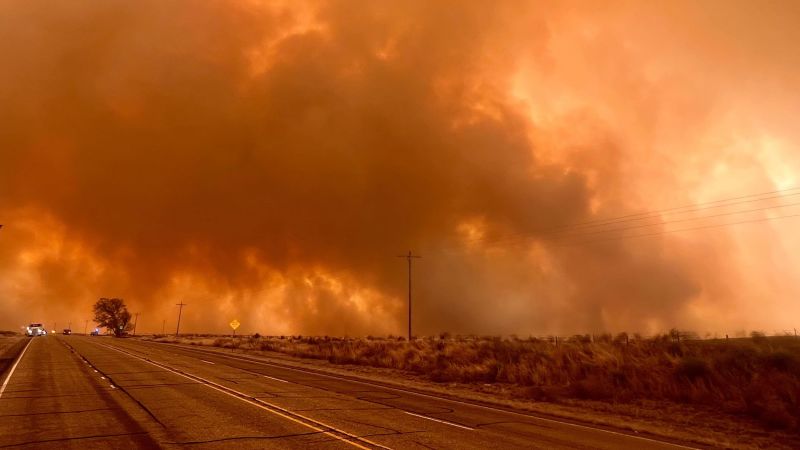
The Smokehouse Creek Fire in the Texas Panhandle has more than doubled in size to 200,000 acres, threatening towns and prompting evacuations in Hemphill and Roberts counties, including the town of Canadian. Gusty winds and dry conditions have fueled the rapid spread of the fire, which remains 0% contained. More than 11 million people in the south-central US are under red flag warnings due to dangerous fire weather, with multiple large wildfires igniting in the region. Firefighters are facing challenges containing the fires due to erratic fire behavior driven by strong winds. A cold front is forecast to bring some relief, but little to no wet weather is expected to aid firefighting efforts in the coming days.
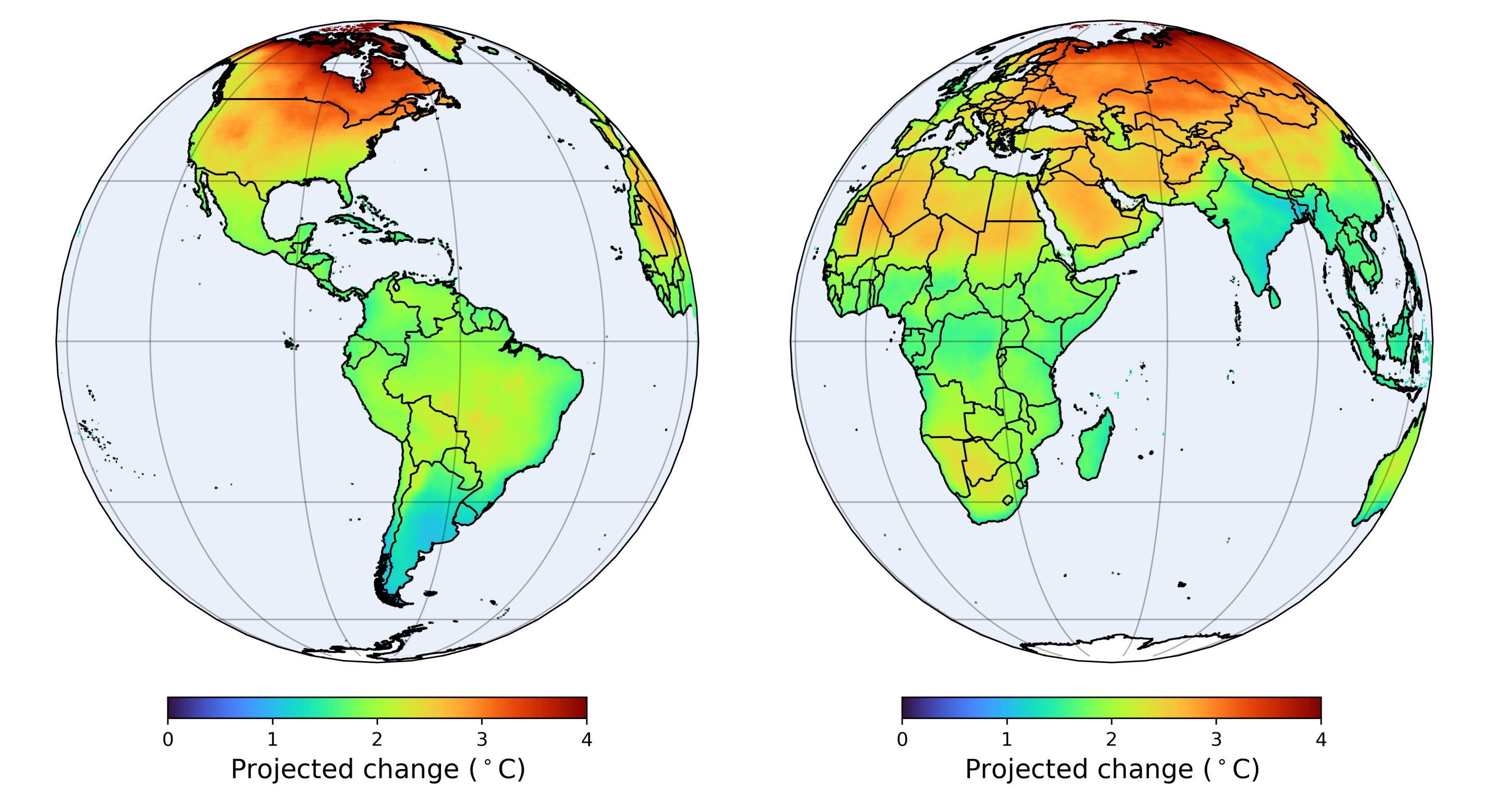
A study by the Bay Area Environmental Research Institute (BAERI) and NASA details how extreme weather events will worsen as the Earth's temperature rises. Using the NEX-GDDP dataset, the research provides insights on climate impacts like heat stress and fire weather, urging local leaders to develop targeted climate plans using this data. The study highlights the severe climate impacts resulting from a 2°C temperature rise and emphasizes the need for decision-makers to understand the compounding climate impacts projected for their regions. The NEX-GDDP dataset, which provides global, daily climate projections, can help local leaders develop climate adaptation and mitigation plans specific to their communities.
A recent study conducted by scientists at the Bay Area Environmental Research Institute (BAERI) and NASA Ames Research Center examines how extreme weather events will worsen as global temperatures rise. The study focuses on the geographic patterns of projected changes to key climate variables and highlights the compounding impacts of these variables on human lives. It reveals that most regions of the world will experience higher heat stress and an increase in extreme fire weather in the 2040s compared to the baseline period. The study emphasizes the urgent need for decision-makers to understand the projected climate impacts and develop targeted adaptation and mitigation plans. The researchers provide a publicly available dataset that can help local leaders develop climate plans specific to their communities.