The U.S. Department of Education has placed Harvard on heightened cash monitoring due to concerns about its financial health and compliance with civil rights laws, requiring the university to provide financial guarantees and monitor spending, amid ongoing political and legal disputes.
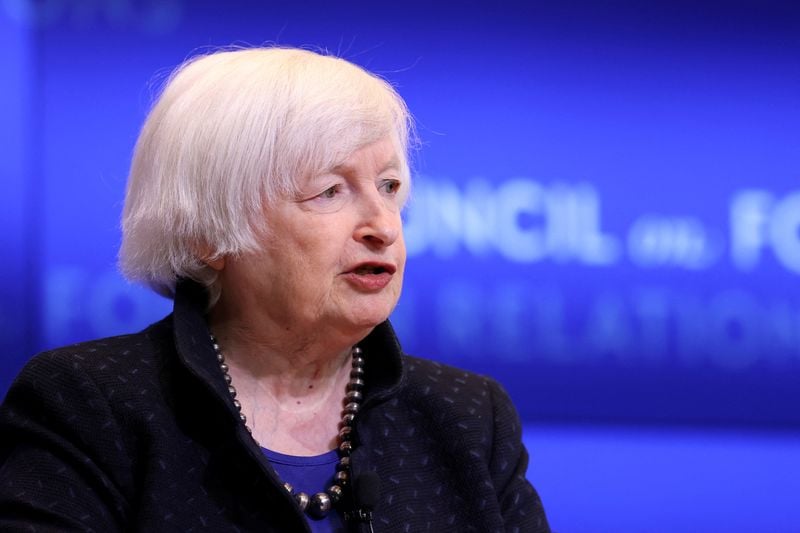
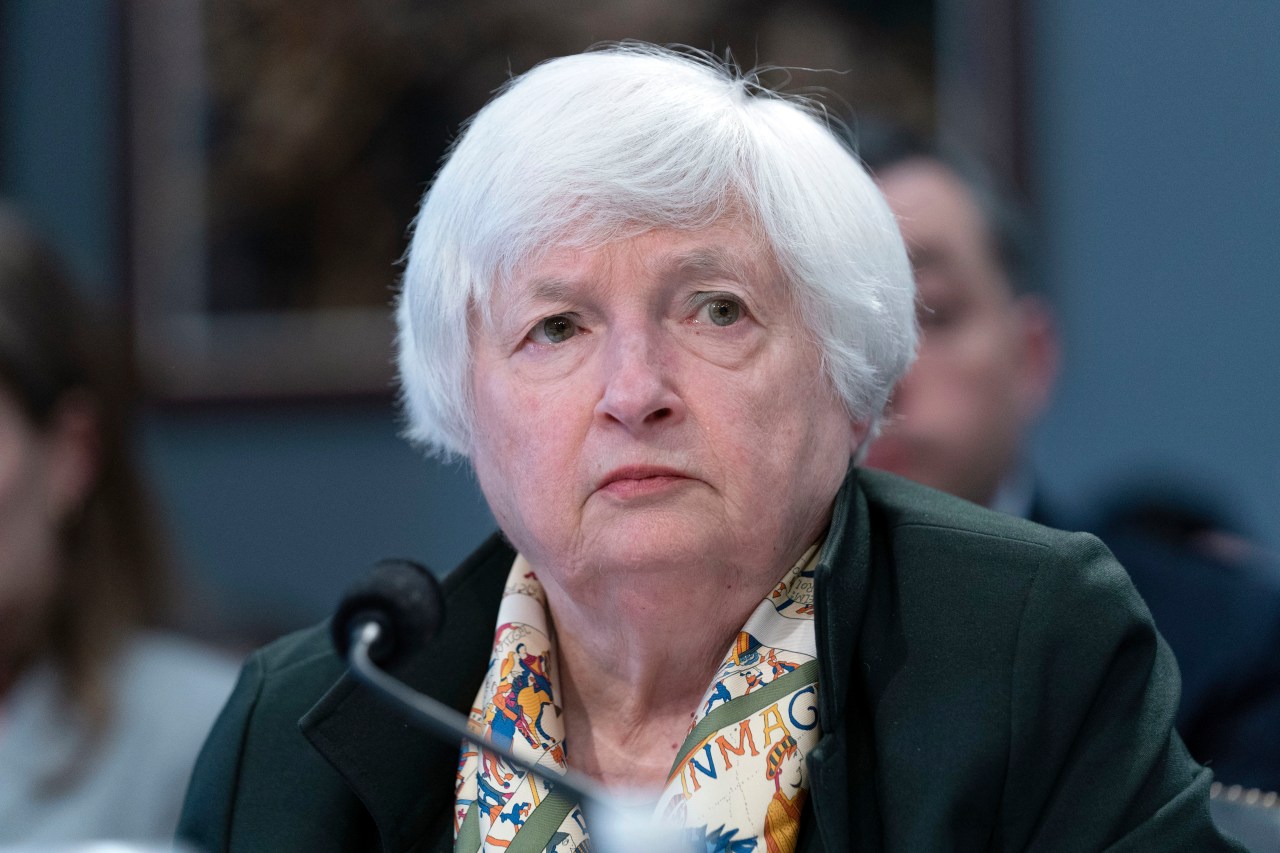
U.S. Treasury Secretary Janet Yellen has cautioned the incoming Trump administration against making radical changes to the current bank regulatory framework, emphasizing the importance of maintaining oversight on banks' capital, liquidity, and risk-taking. Yellen acknowledged the system's imperfections but warned that reducing regulation could lead to financial instability, referencing past bank failures like Silicon Valley Bank and Signature Bank. She expressed concern over reports that Trump's team might seek to reduce or eliminate top bank regulators, stressing the need for appropriate supervision and deposit insurance to prevent financial crises.
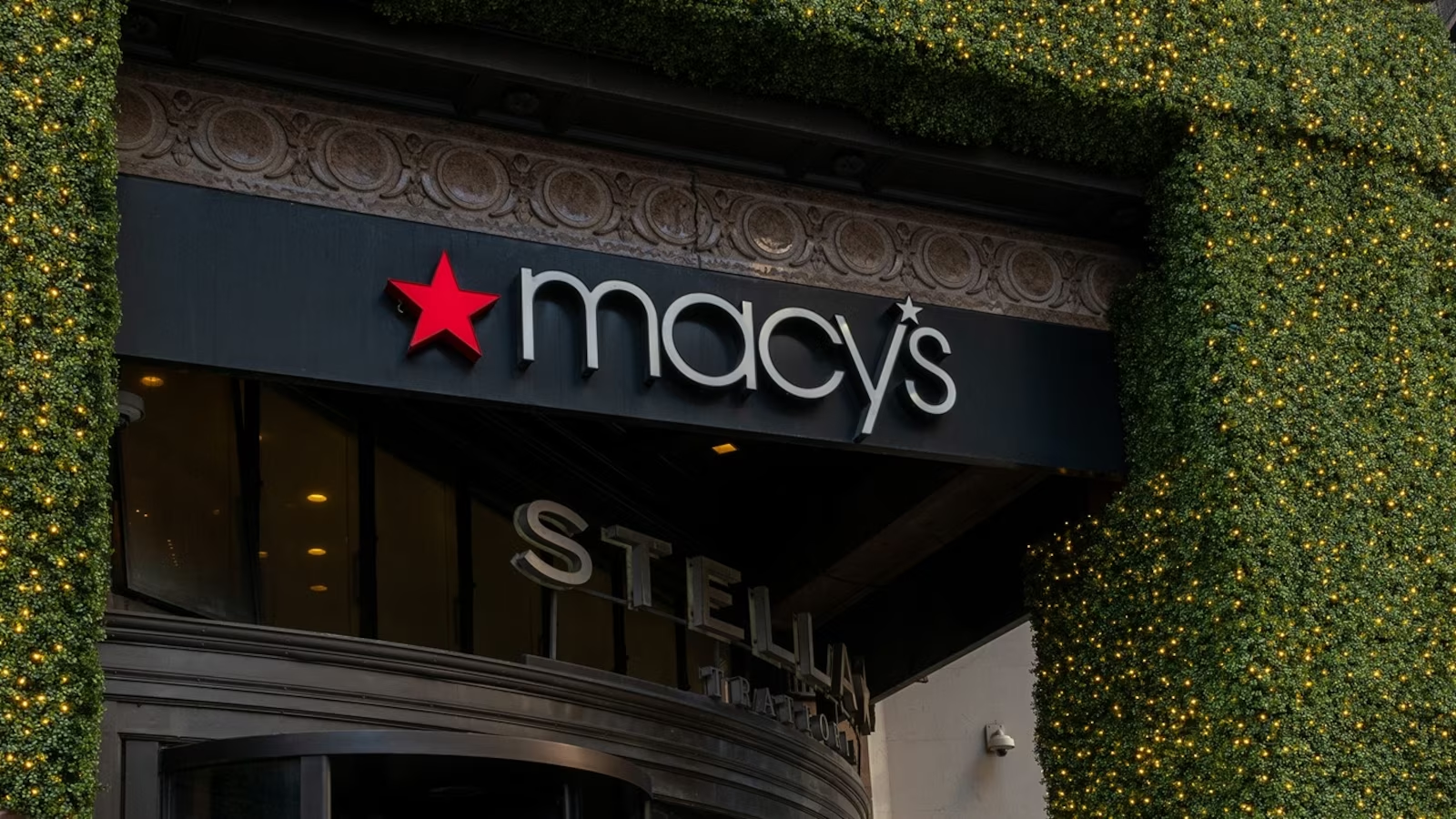
Macy's recently disclosed a significant accounting issue where a former employee hid up to $154 million in expenses over three years in the small package delivery department. This oversight, which did not affect cash management or vendor payments, suggests a lapse in financial oversight. Experts note that the hidden expenses, while substantial, were relatively small compared to Macy's overall costs and may have been obscured by the pandemic-driven surge in online shopping and shipping costs. Macy's stock dipped slightly following the revelation, raising questions about the company's internal controls.
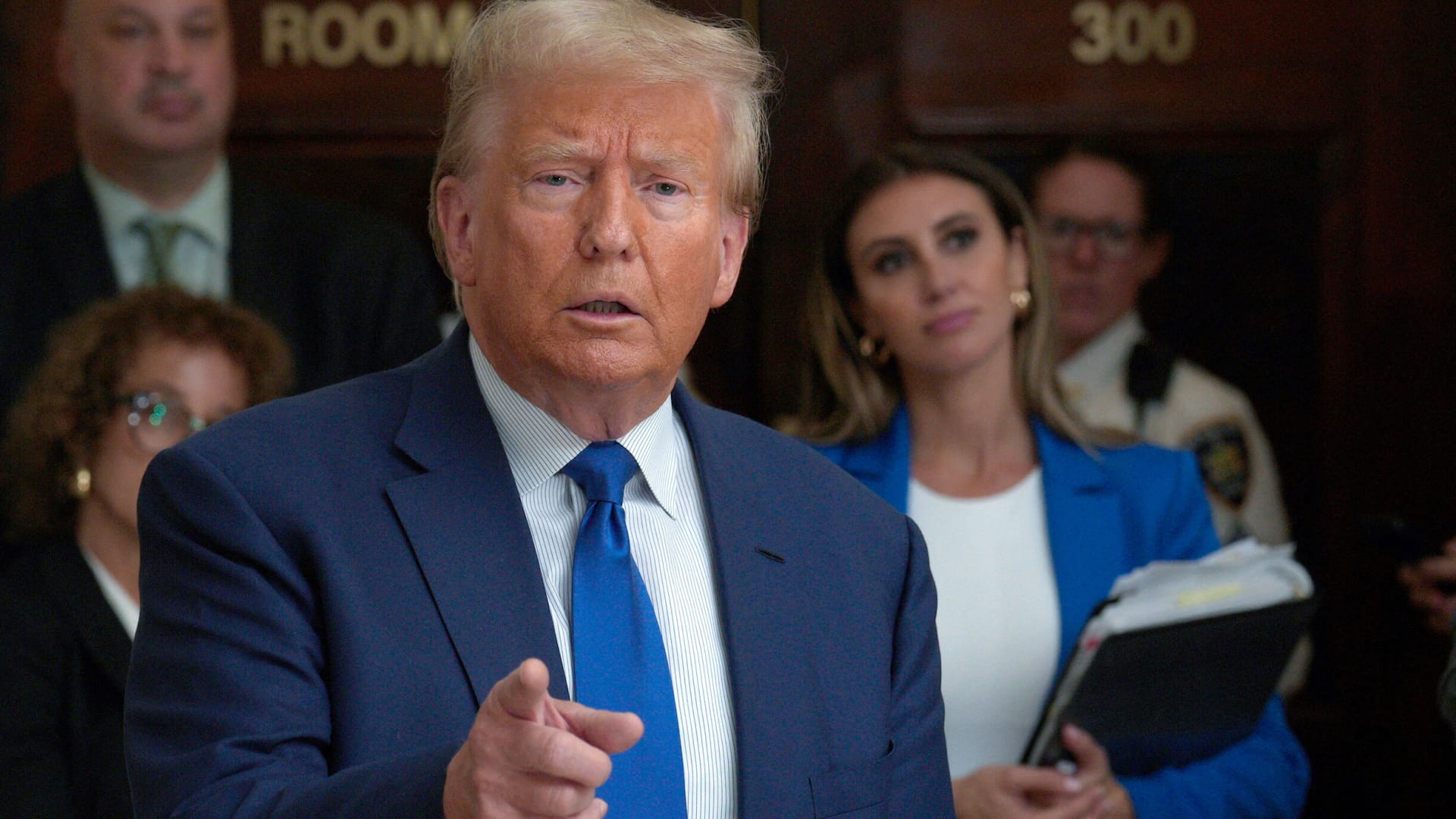
A judge has ordered the Trump Organization to inform a court-appointed financial overseer about any future attempts to secure appeal bonds, following the company's struggle to obtain a bond for a civil fraud case. The order requires disclosure of all efforts to obtain surety bonds, personal guarantees, and any conditions imposed on the company. The financial monitor, Barbara Jones, has been tasked with overseeing the Trump Organization's financial activities, prompting complaints from the company. If the appeal bond is not secured, New York's attorney general can begin seizing Trump's properties to collect the judgment.
US regulators have proposed new rules to strengthen financial oversight of non-banks, including hedge funds and insurance companies, in an effort to prevent another financial crisis. The rules would require non-banks to hold more capital and undergo regular stress tests. The proposal is part of a broader effort to leverage the lessons learned from the 2008 financial crisis and ensure that non-banks are subject to the same level of scrutiny as banks.
Treasury Secretary Janet Yellen stated that the Trump administration "decimated" the capacity of the US government to respond to and prop up failing financial markets. Yellen's remarks come in the wake of state interventions to save depositors at failed banks Signature and Silicon Valley Bank. Yellen touted the role of the state in the financial sector, sounding notes harkening back to previous eras of global finance that have been highlighted in recent weeks by some influential market commentators.
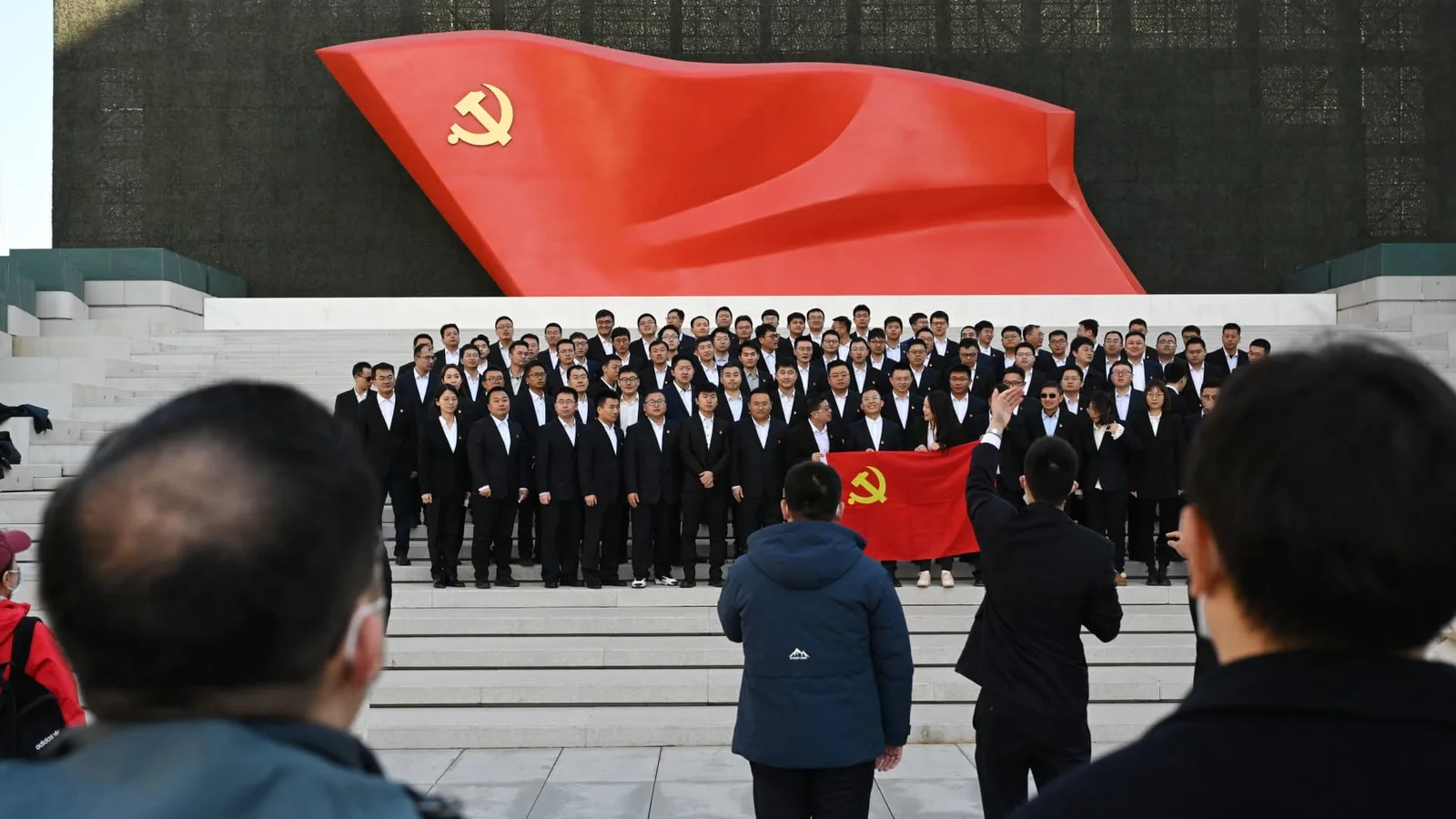
The Chinese Communist Party is establishing new commissions to oversee finance and tech, with a new "Central Financial Commission" set to strengthen the party's "centralized and unified leadership over financial work." The changes come as Chinese President Xi Jinping sees unity under the party as essential for building up the country. The new commissions are part of the party's central committee, which has about 200 members, and are set to take effect at a national level by the end of this year.
The collapse of Silicon Valley Bank has led to a review of how the Federal Reserve oversees financial institutions, potentially resulting in stricter rules for large regional banks that are not considered globally systemic. Lawmakers and financial regulation experts are questioning whether existing rules are sufficient in a changing world and whether a deregulatory push during the Trump administration went too far. The episode could lead to regulatory and supervisory changes for smaller banks that face lighter regulations than the largest ones. The call for tougher bank rules echoes the aftermath of 2008, which led to the Dodd-Frank law in 2010.