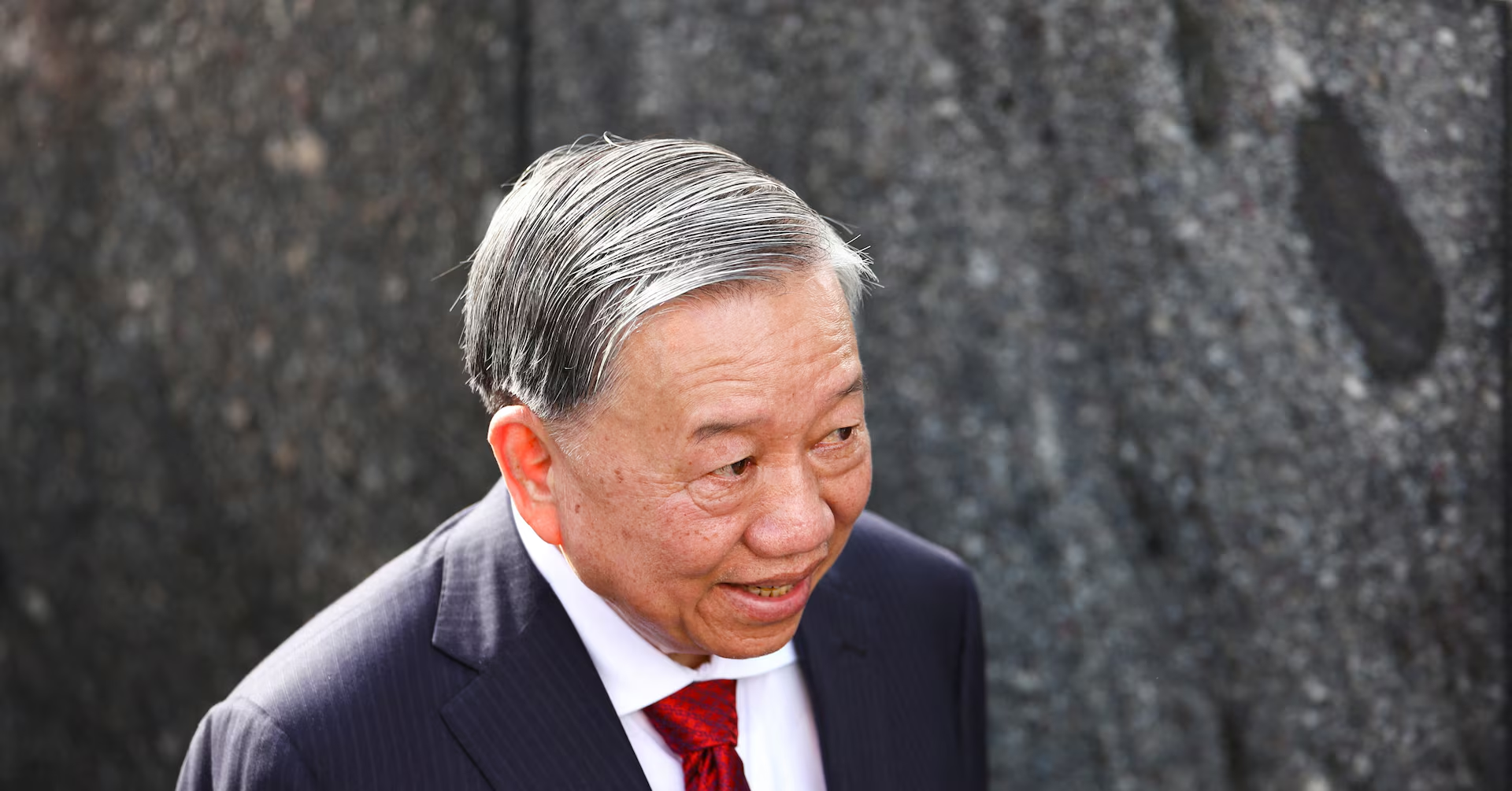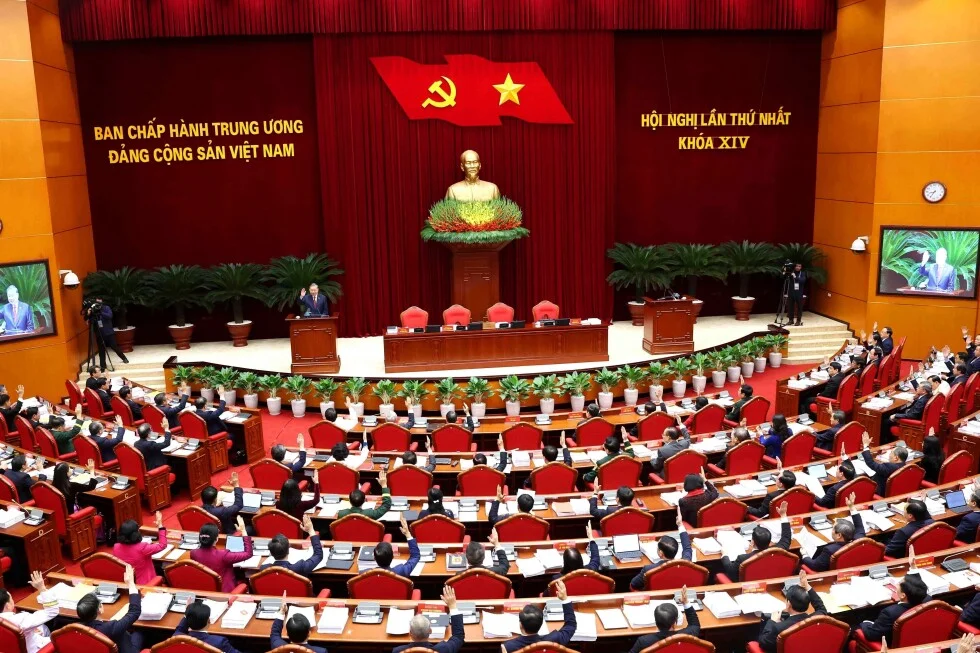
Vietnam's ruling Communist Party will hold its 14th congress in January 2025 to select new leaders and set economic and foreign policy targets through 2030, with current leader To Lam seeking a second term amid reforms and strategic economic goals.
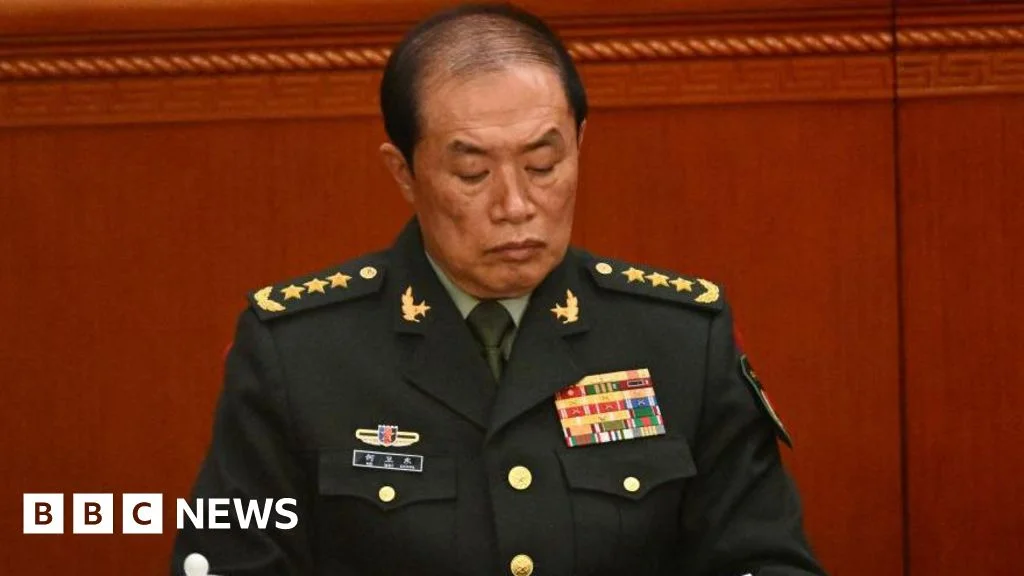
The Chinese Communist Party has expelled nine top military generals, including He Weidong, amid a large-scale anti-corruption and political purge, signaling a significant crackdown on military and political elites ahead of the party's upcoming plenum.
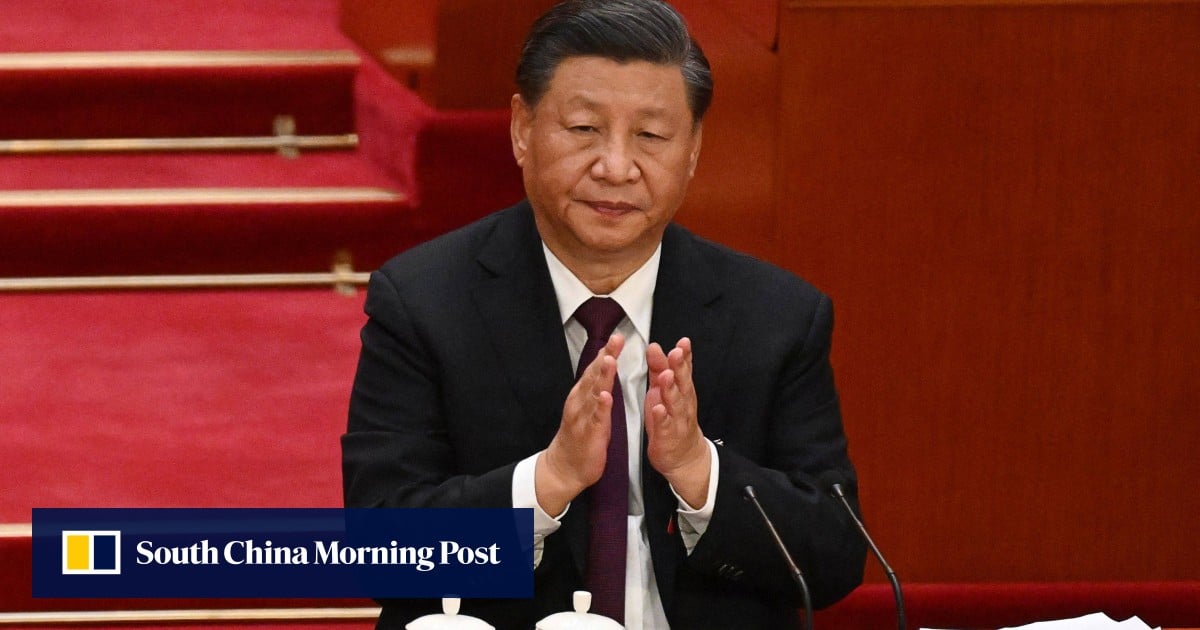
New rules within China's Communist Party suggest President Xi Jinping is delegating more authority to deputies and standardizing decision-making processes, possibly indicating a plan for succession or consolidating power.
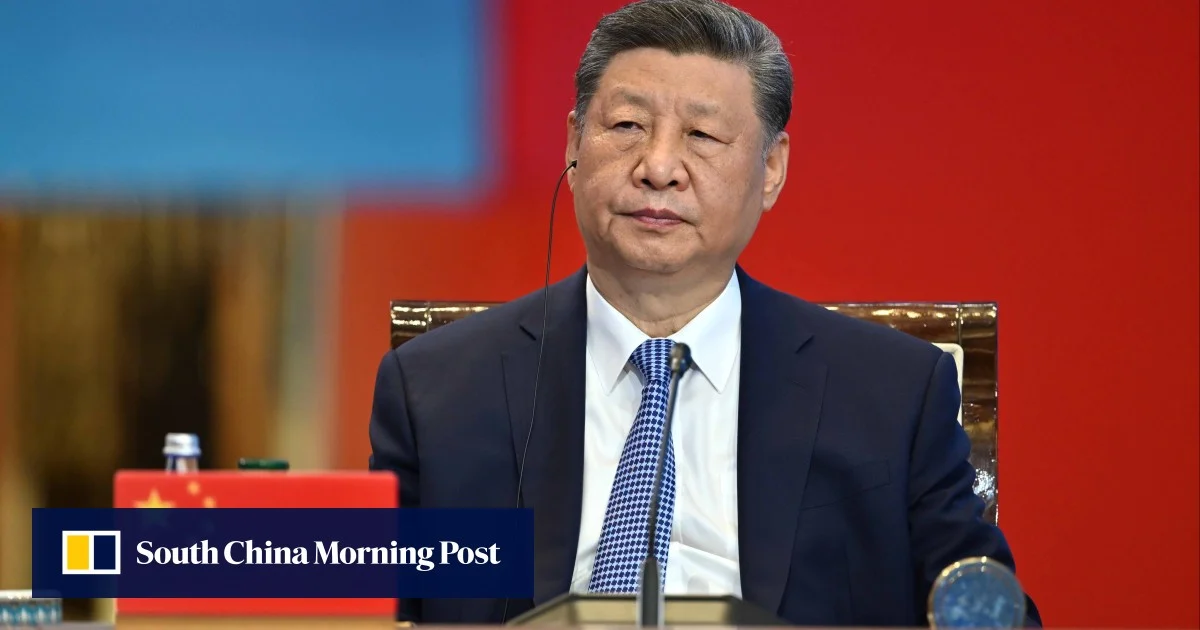
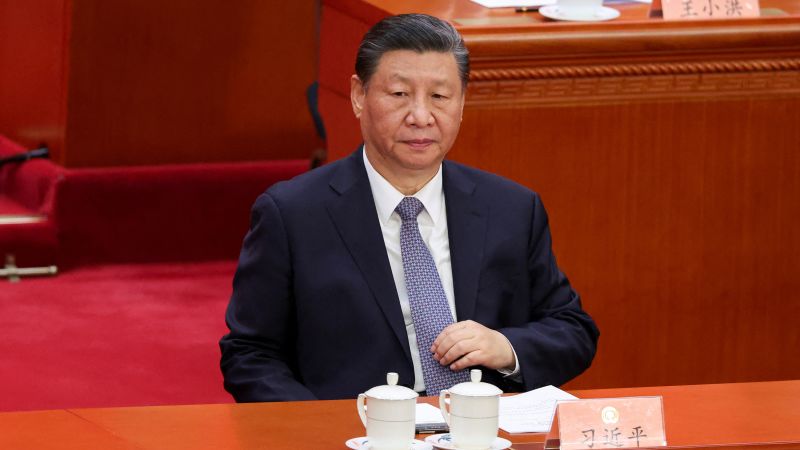
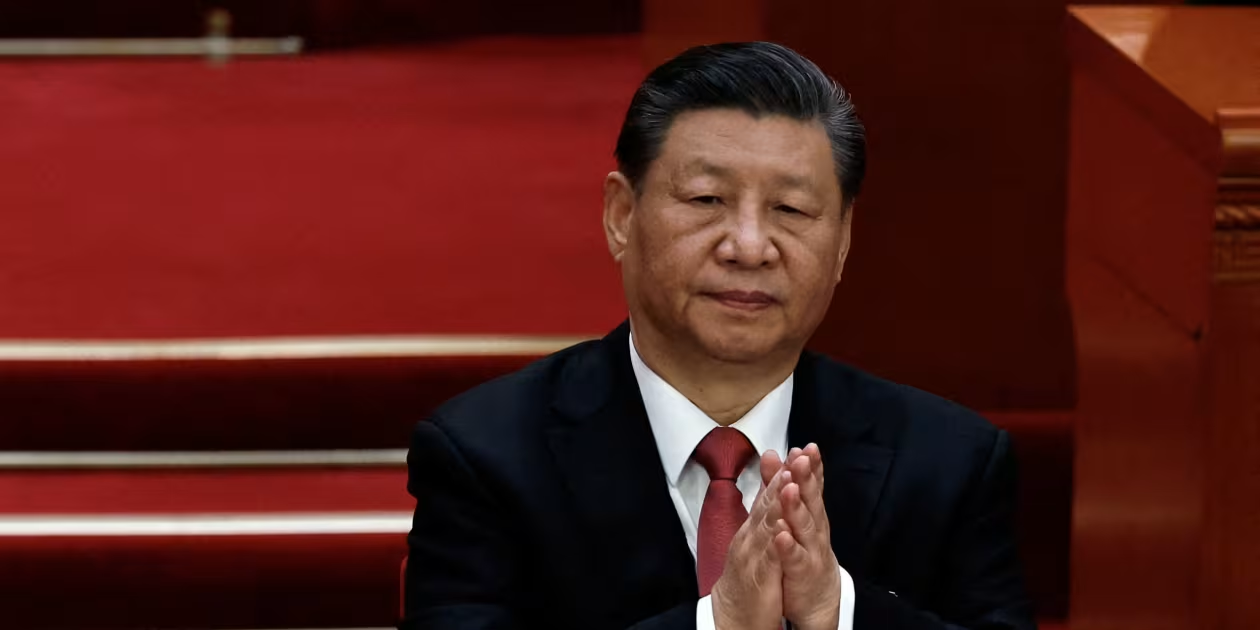
Chinese President Xi Jinping has urged the Communist Party to maintain "unwavering faith and commitment" to his reform plans despite international investment banks lowering China's growth forecasts. During the third plenum, a key policy meeting, Xi emphasized the importance of self-reliance and confidence in China's development path, focusing on technology and advanced manufacturing. Official media praised Xi as a "supreme reformist," indicating no significant shift in strategy despite economic challenges and international pressures.
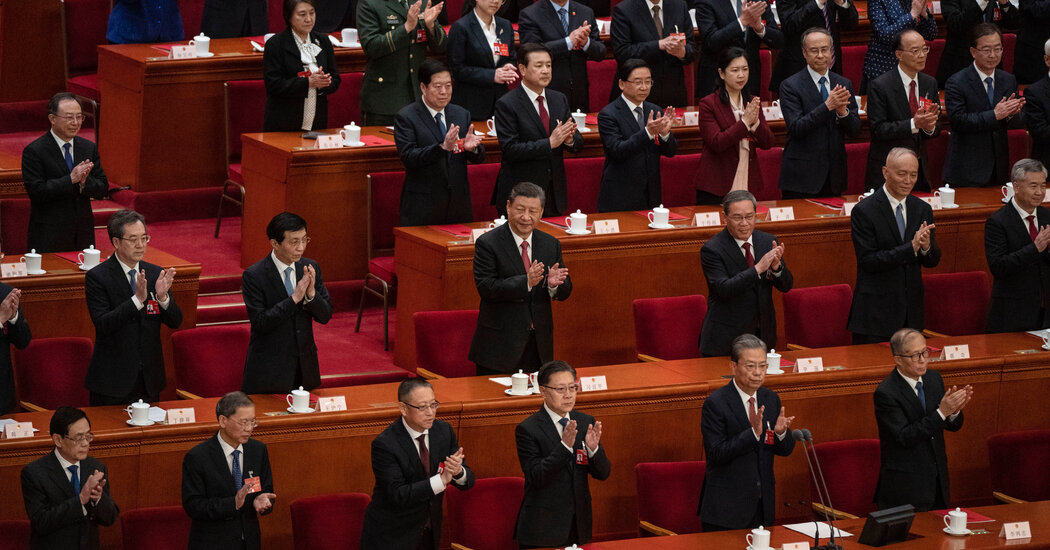
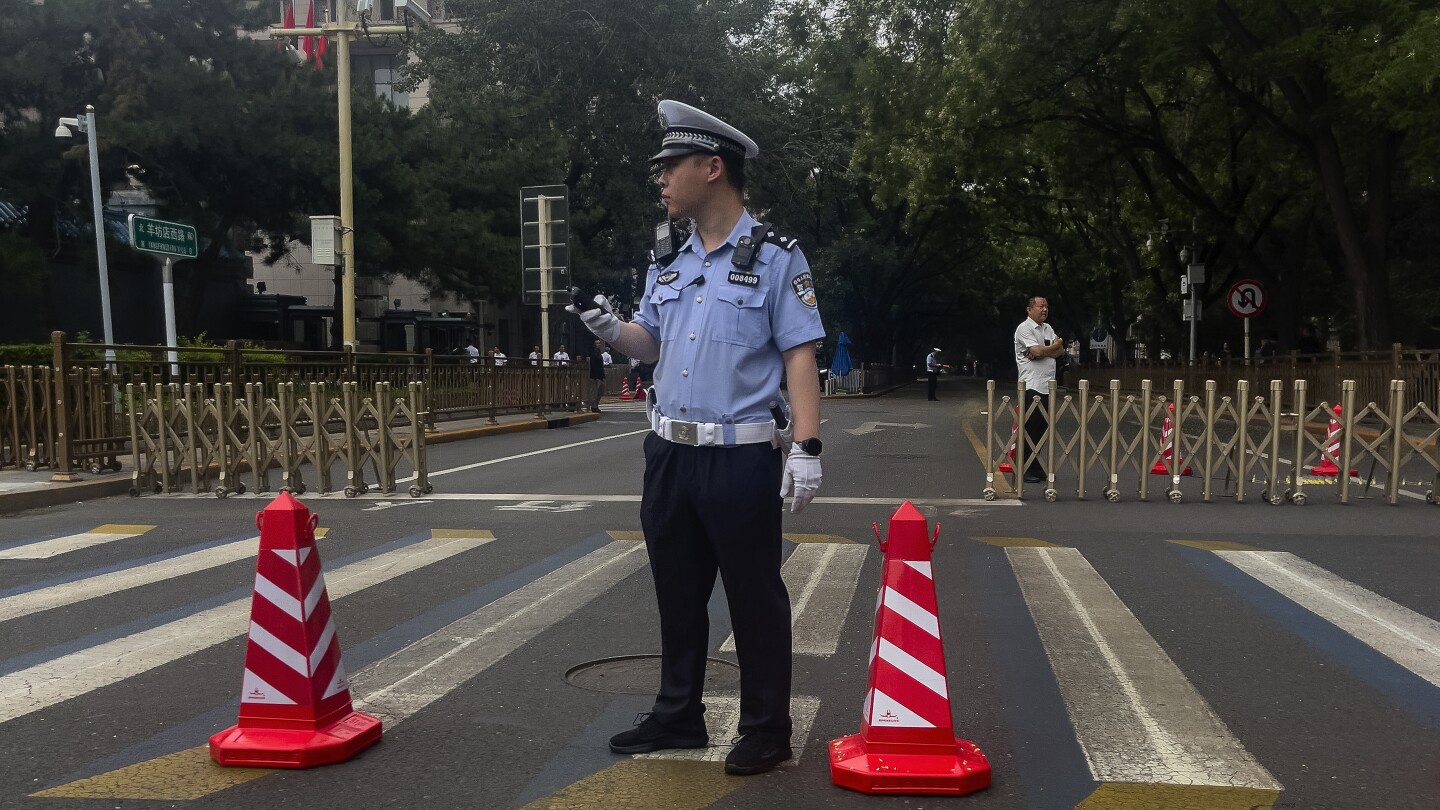
President Xi Jinping is leading a closed-door meeting with 370 Communist Party officials in Beijing to draft a new economic program aimed at revitalizing China's economy. The four-day conclave, known as the Third Plenum, seeks to promote "high quality" growth amid recent economic challenges, including slow growth, a property sector crisis, and local government debt. The success of the proposed reforms will depend on restoring confidence among Chinese citizens and foreign investors.
China's Communist Party leaders are holding a key meeting to chart a new economic course, but significant breakthroughs to boost the economy are not expected.
China's Communist Party has begun a four-day meeting to outline strategies for self-sufficient economic growth amid national security concerns and U.S. technology restrictions. The meeting, which typically focuses on long-term issues, is being closely watched for any immediate measures to address the real estate downturn and economic malaise post-COVID-19. The session is expected to confirm the path set by Xi Jinping, with potential fine-tuning to address concerns over government control stifling economic growth. Key issues include balancing economic growth with social equity and supporting high-tech industries vital for national security.
Senior Chinese Communist Party officials are meeting in Beijing for the "Third Plenum" to discuss economic reforms amid a significant economic slowdown. China's economy grew by only 4.7% in the second quarter, below expectations, due to internal issues like a struggling real estate market and external factors such as trade tensions with the US and EU. President Xi Jinping has hinted at major reforms, but specifics remain unclear, with experts predicting modest policy adjustments rather than sweeping changes.
China's Communist Party is holding its third plenum in Beijing to address significant economic challenges, including a property sector crisis, high local government debt, and weak consumer demand. The meeting, delayed for months, is crucial for setting the direction of the world's second-largest economy amid internal and external pressures. Observers expect targeted reforms rather than sweeping changes, focusing on structural economic issues, technological self-reliance, and social problems. The outcomes will impact China's global economic role and investor confidence.
China's economic growth slowed significantly in the second quarter due to a real estate downturn, causing cautious consumer spending. The Communist Party is meeting to address the economic challenges, with the latest data showing a 0.7% growth over the previous quarter, translating to an annual rate of about 2.8%. This is a sharp decline from the first quarter's revised annual growth rate of 6.1%.
China's top Communist Party officials are meeting in Beijing for the third plenum amid economic challenges, including a property crisis, weak domestic demand, and rising trade barriers. The meeting follows disappointing second-quarter GDP growth of 4.7%, which missed forecasts.
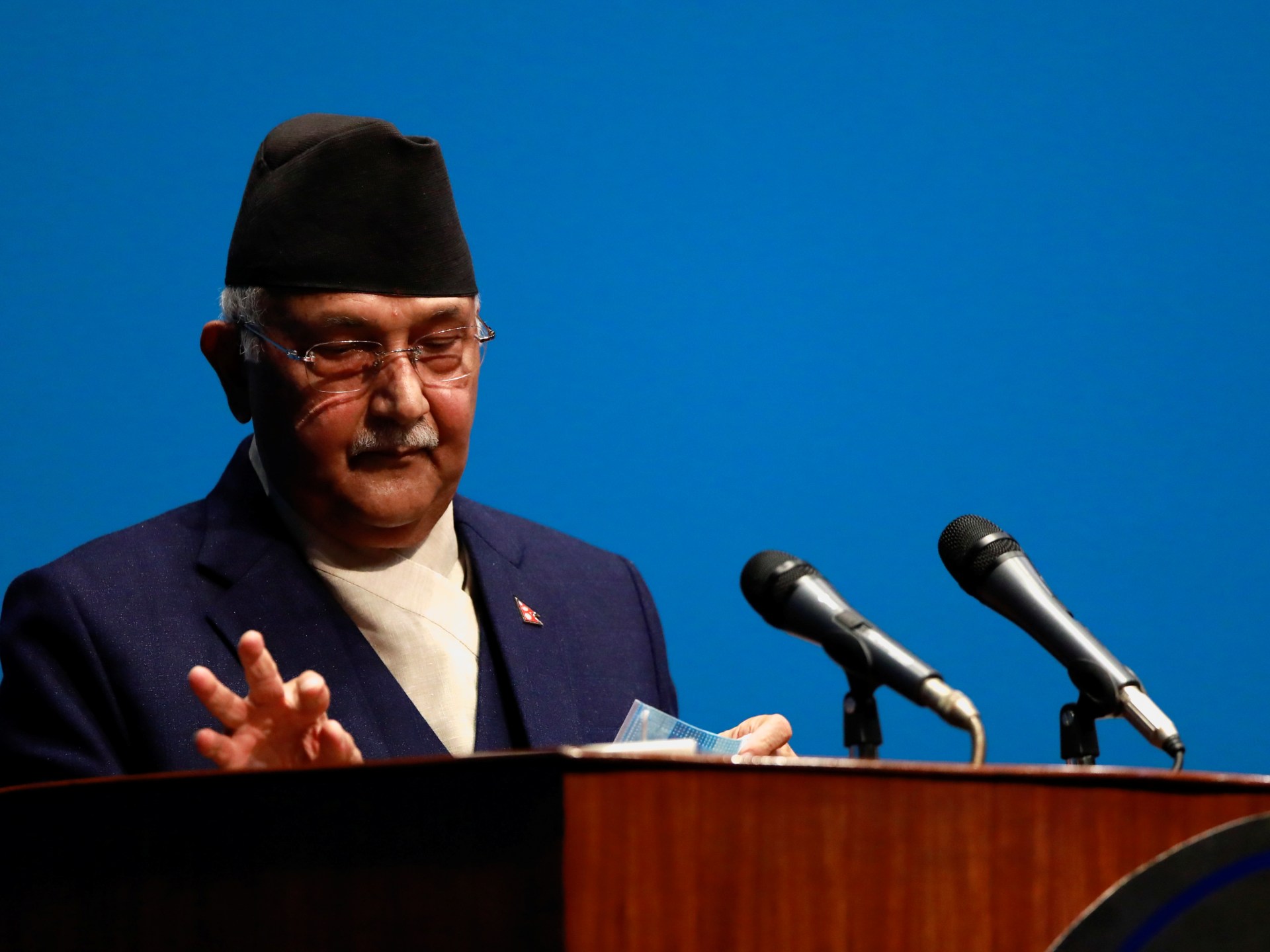
Khadga Prasad Sharma Oli, leader of Nepal's largest communist party, has been named the new prime minister after forming a coalition with the Nepali Congress party. This marks his fourth term as PM, replacing Pushpa Kamal Dahal. Oli must secure a vote of confidence in parliament within a month to continue in office. The new power-sharing arrangement will see Oli and Nepali Congress president Sher Bahadur Deuba rotate the prime minister's post until the 2027 general election.
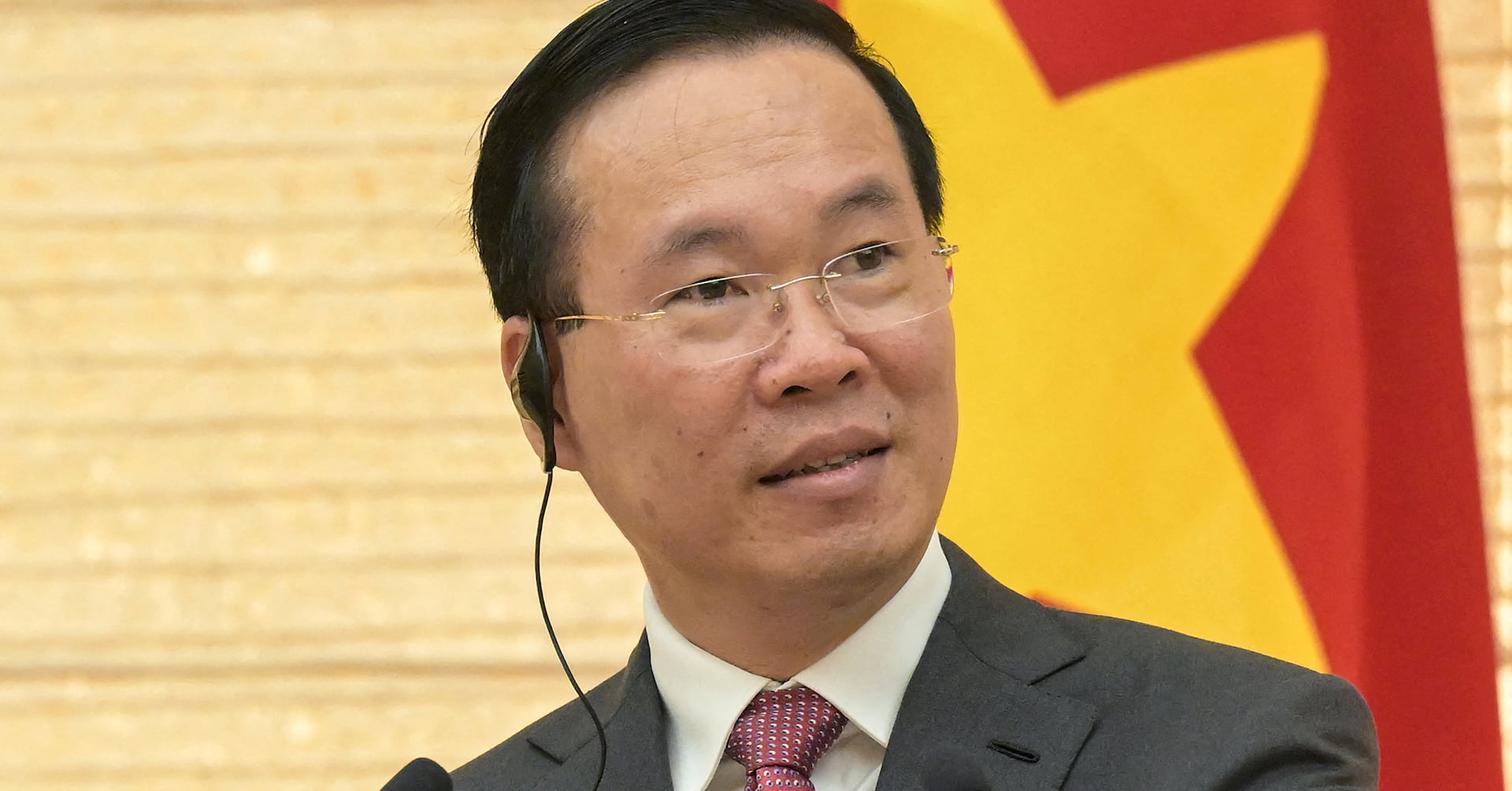
Vietnam's Communist Party has accepted the resignation of President Vo Van Thuong, citing violations of party rules that negatively impacted public opinion. This move has raised concerns about political stability and its potential impact on foreign investors' confidence in the country. The resignation comes amid a wide-ranging anti-corruption campaign and follows the arrest of a former provincial head for alleged corruption. While the political crisis may be resolved with the swift election of a new president, there are concerns that repeated leadership reshuffles could further slow policy and administrative decisions, affecting business sentiment and foreign investment in Vietnam.
Vietnam is seeking its third president in little more than a year after the ruling Communist Party forced the resignation of Vo Van Thuong, who was accused of violating party rules and is the latest casualty of the anti-graft campaign. The stability of Vietnam, crucial for multinational companies, is now less certain, but analysts believe key policies will remain unchanged. Vice President Vo Thi Anh Xuan is the likely acting president, with potential permanent successors including the minister of public security, To Lam, and party veteran Truong Thi Mai.
Vietnam's President Vo Van Thuong has resigned after a little more than a year in office due to "violations" and "shortcomings", amid an anticorruption crackdown. The governing Communist Party cited that his actions had negatively affected the party and state's reputation. This comes as part of a larger campaign to stamp out widespread corruption, which has also seen several senior politicians fired and top business leaders tried for fraud and corruption.