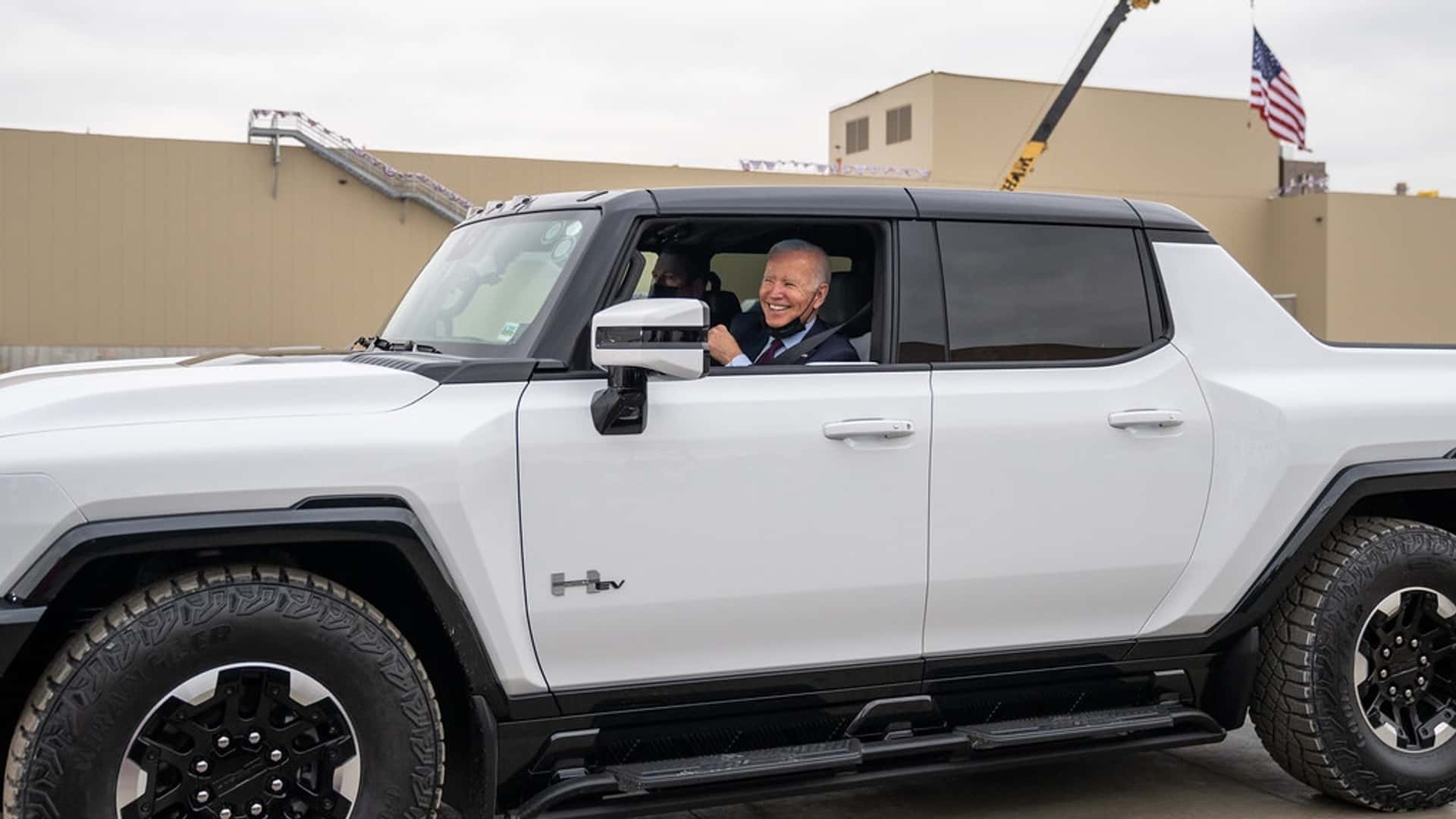
Despite record-breaking EV sales in the U.S. in 2025, General Motors announced a $1.6 billion charge due to expected declines in EV demand following U.S. policy changes, highlighting the industry's financial challenges and the potential slowdown in EV adoption without government support.
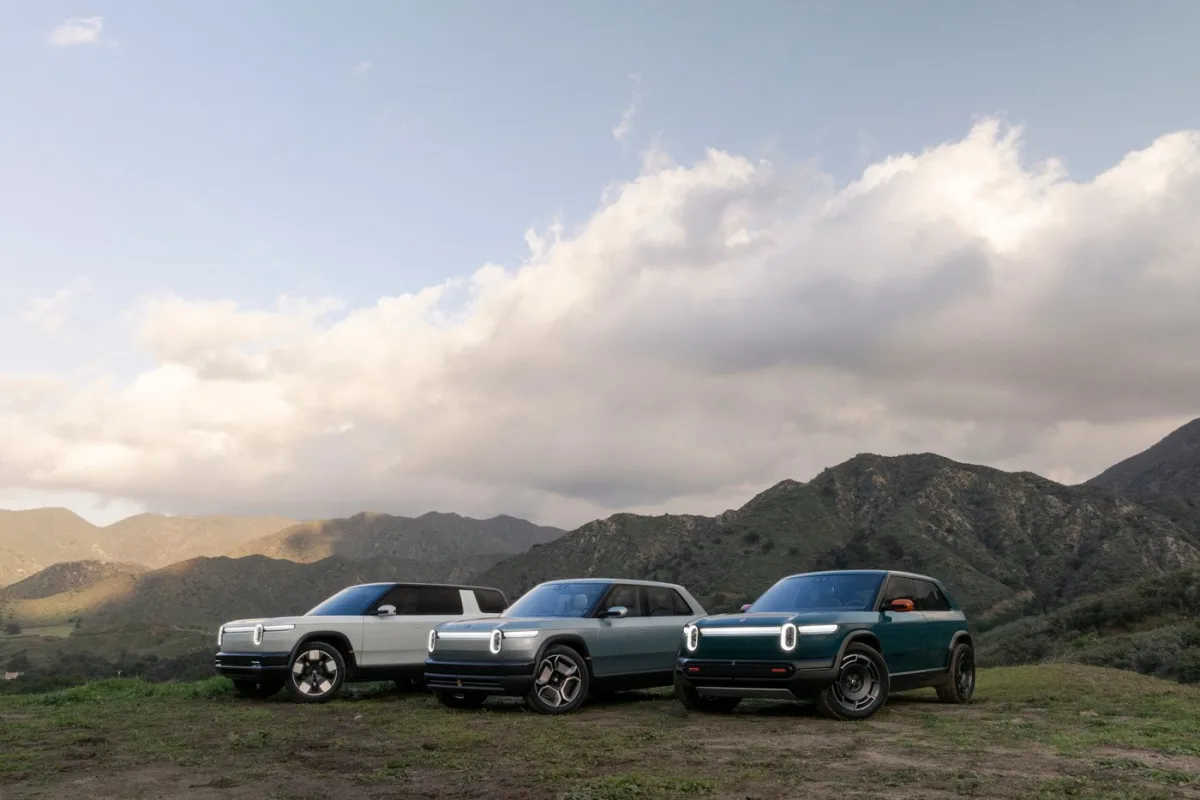
Rivian CEO RJ Scaringe criticizes traditional automakers like Ford, GM, and Toyota for resisting EV adoption, aiming to establish Rivian as a major player with the upcoming R2 model, which could challenge the dominance of established brands in the evolving electric vehicle market.
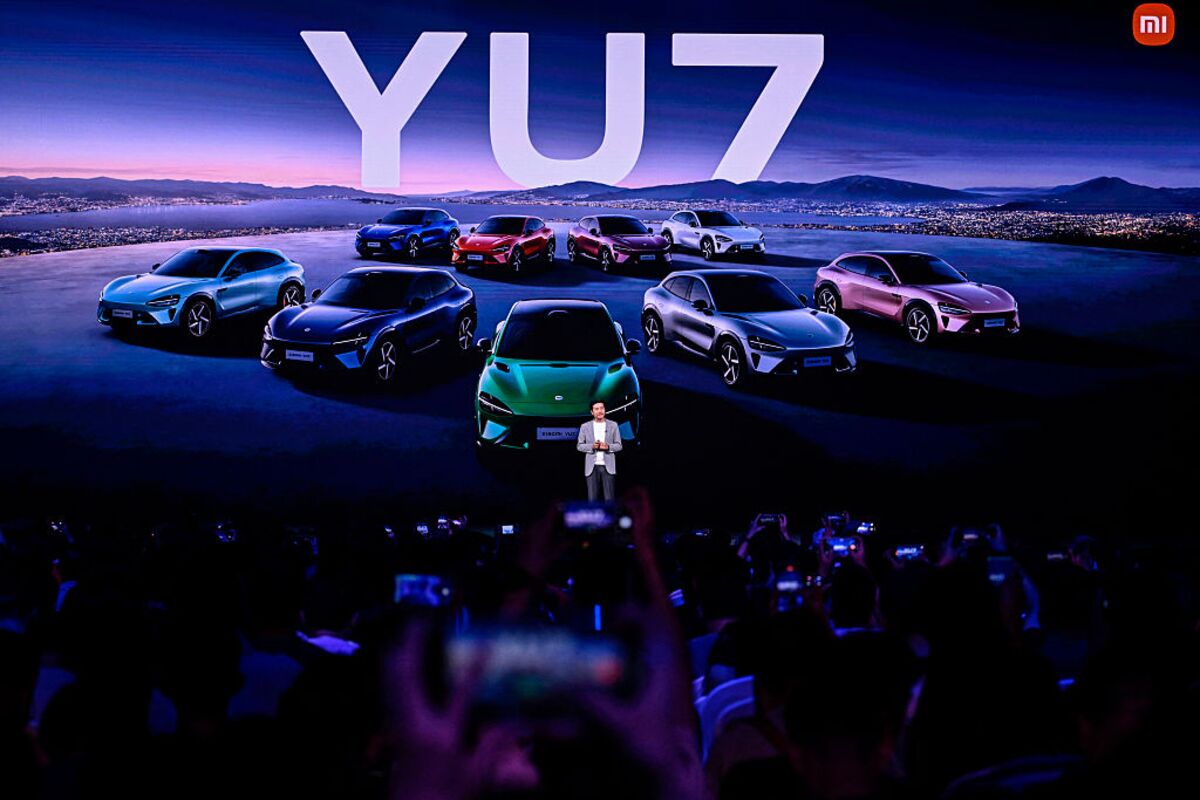
Xiaomi has successfully entered the electric vehicle market with its latest SUV, surpassing Apple’s failed EV ambitions by leveraging its strong brand, ecosystem, and strategic talent recruitment, primarily in China. The company’s grounded approach, focus on affordability, and early investments in supply chain infrastructure have contributed to its rapid success and high demand, positioning Xiaomi as a notable player in the competitive EV industry. Despite challenges like design copying and safety incidents, Xiaomi’s early wins and plans for global expansion suggest a promising future in the EV market.
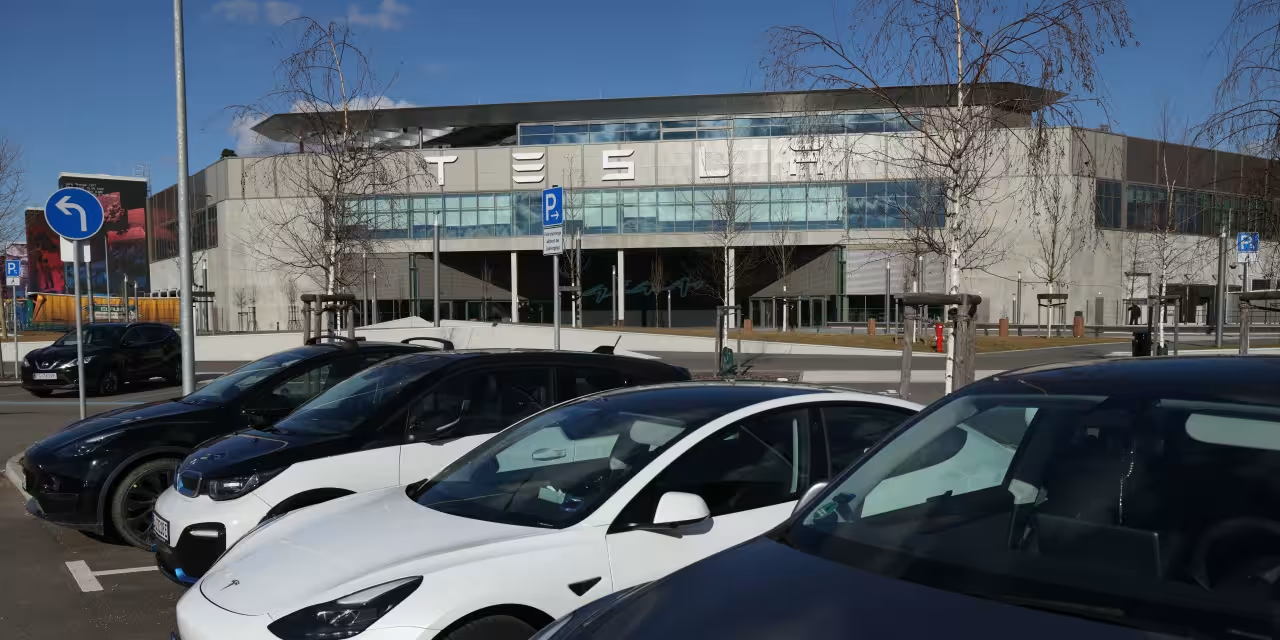
Tesla's stock rose 6% despite a 49% drop in European sales in April, driven by positive market sentiment from tariff delays and Musk's renewed focus on the company, even as global and Chinese EV sales decline amid industry challenges and price wars.
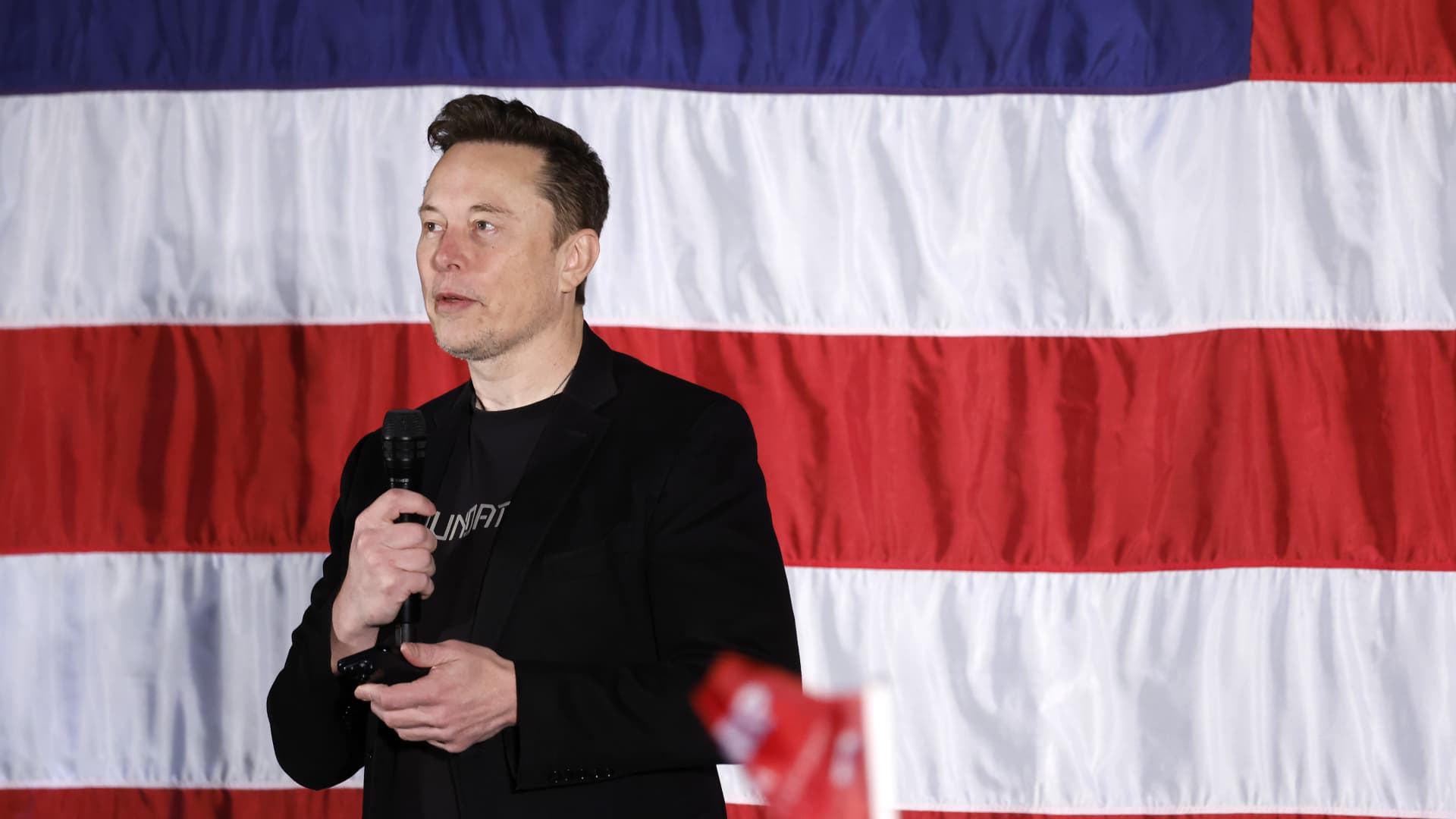
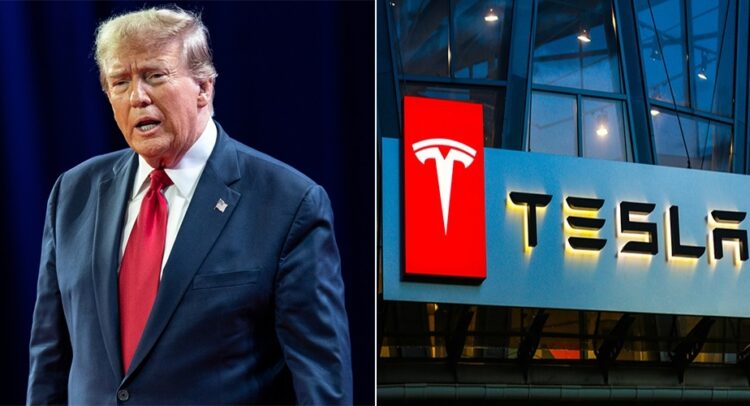
Tesla shares surged 8% in overnight trading as investors speculated that a potential Donald Trump election victory could benefit Elon Musk, who has backed Trump with a $75 million donation to a super PAC. Musk is expected to be appointed to a government efficiency commission if Trump wins, which could favor Tesla despite Trump's general stance against clean energy incentives. Analysts suggest Tesla's scale could give it a competitive edge in a non-subsidy environment, especially with potential higher tariffs on Chinese EVs.
Wedbush analyst Daniel Ives suggests that a Trump presidency could have mixed effects on Tesla. While Trump's critical stance on the EV industry might lead to the removal of EV subsidies, Tesla's scale could give it a competitive edge. Additionally, higher tariffs on Chinese imports could benefit Tesla by limiting competition from Chinese EV makers. However, potential trade tensions with China pose a risk, as a significant portion of Tesla's production and sales are linked to the region. Ives maintains an 'Outperform' rating for Tesla, with a $300 price target.
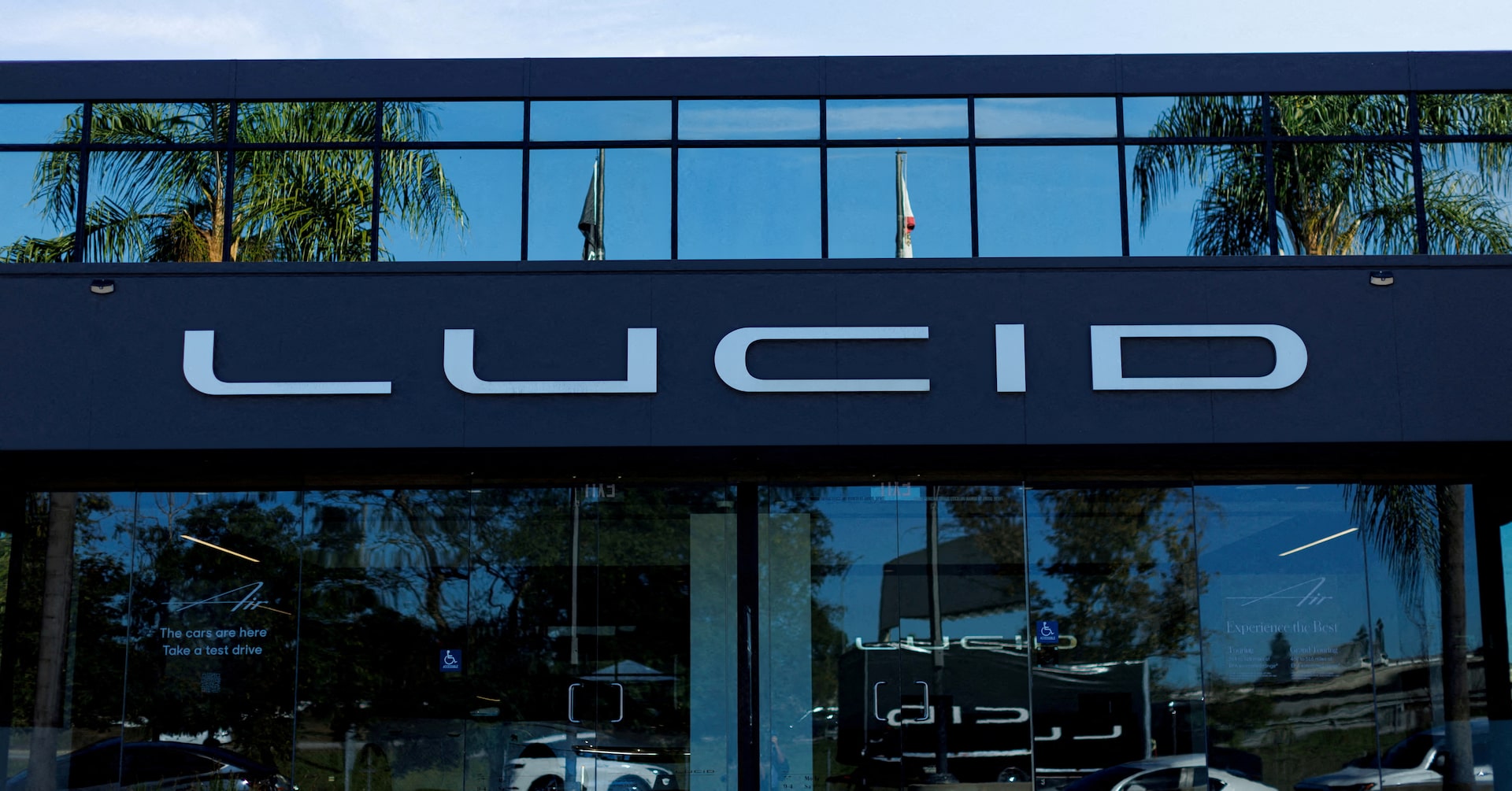
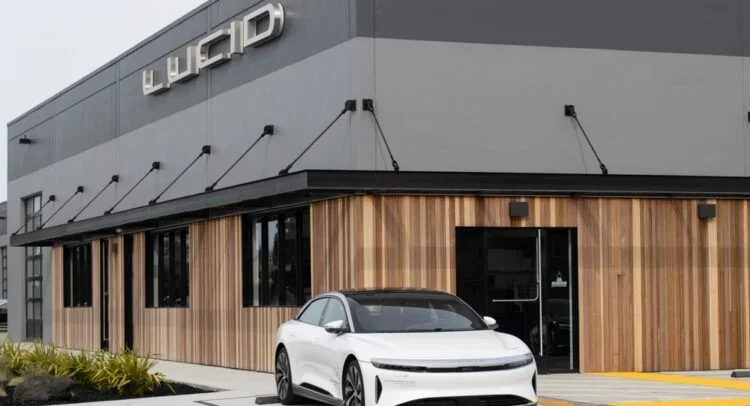
Lucid Group will cut 6% of its US workforce, around 400 employees, due to slowing EV demand and cost control measures amid high inflation and interest rates. The layoffs will affect all levels except hourly manufacturing and logistics staff. The company expects related charges of $21-$25 million and aims to complete the plan by Q3 2024. This follows similar moves by Rivian and Tesla. Lucid is also expanding production capacity and planning new models to attract more customers.
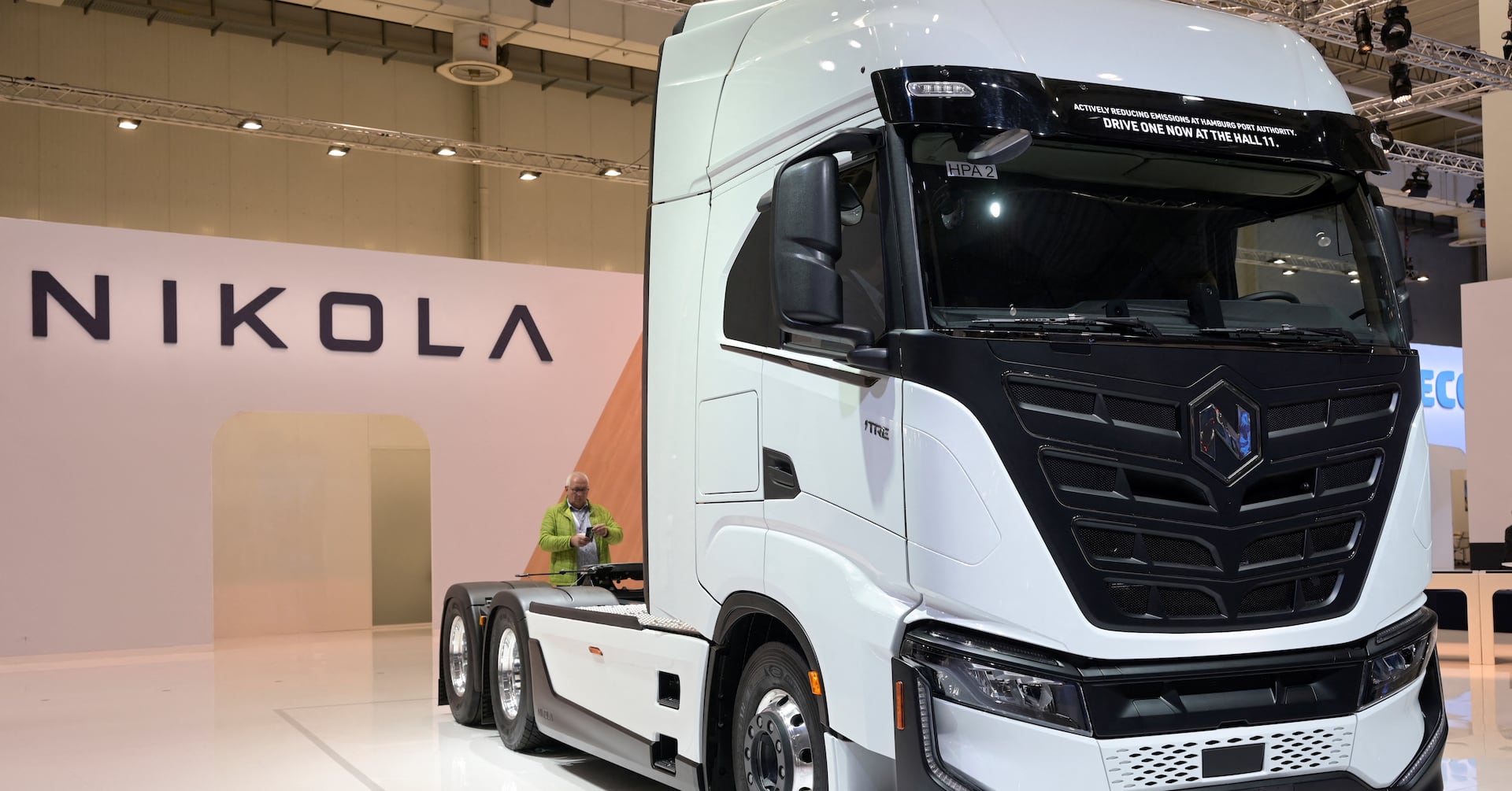
Nikola exceeded first-quarter delivery estimates for its hydrogen big rigs, delivering 40 vehicles compared to the estimated 30. The company aims for further sales growth as it opens refueling stations and pivots to hydrogen technology. Despite challenges in the EV industry, Nikola's shares rose 10%, showing signs of progress after facing setbacks including the founder's fraud conviction and a recall of its battery-powered trucks.
Nikola exceeded first-quarter delivery expectations for its hydrogen big rigs, delivering 40 vehicles compared to the estimated 30, signaling progress in its shift to hydrogen technology. The company aims for further sales growth with the launch of HYLA hydrogen fueling solutions and the opening of two refueling stations in California and Alberta. Despite facing challenges and a tumultuous past, including a significant drop in share value and a recall of battery-powered trucks, Nikola's stock rose 10% following the positive delivery figures.
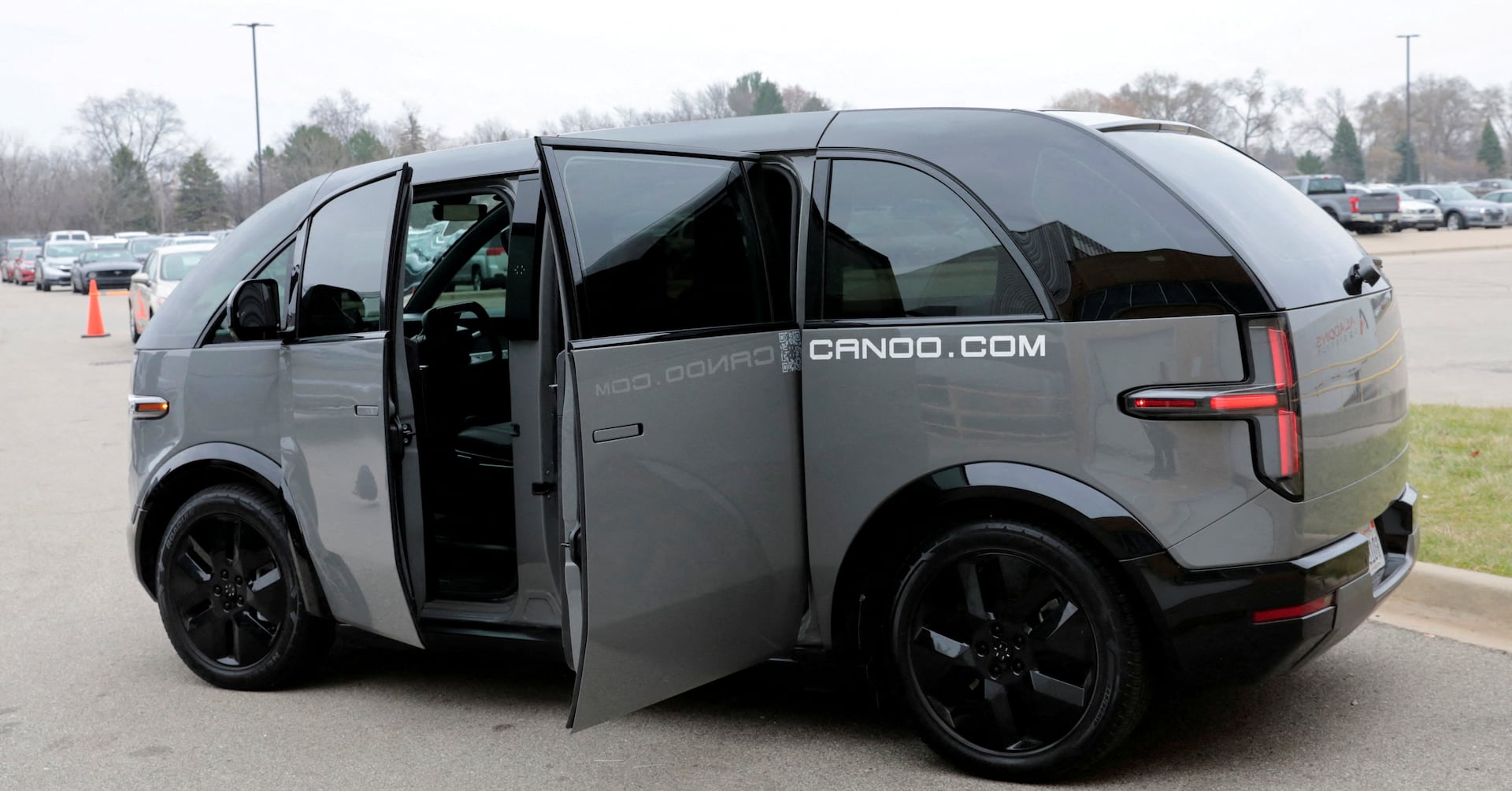
Electric vehicle maker Canoo forecasts 2024 revenue well below analyst expectations, leading to a 38% drop in its shares in extended trading. The company, which has been struggling with dwindling capital and uncertain demand, reported a net loss of $302.6 million for the year ended Dec. 31. The broader slowdown in demand for battery-powered cars, driven by high-interest rates and competition, has impacted startups and major automakers alike, making it difficult for firms like Canoo to raise more money.
The new EPA rule sets strict limits on tailpipe pollution, potentially leading to over half of all car sales being zero-emissions by 2032 and avoiding 7 billion tons of CO2 emissions over 30 years. Despite potential opposition from a second Trump presidency, the significant investment in electric vehicles and related infrastructure may make it difficult to roll back the regulation. The transition to EVs is accelerating, with record sales and growing charging infrastructure, but potential policy uncertainty could slow down the industry's progress. Lawsuits from fossil fuel companies and Republican attorneys general may also challenge the new rule, but its legal basis is supported by longstanding EPA standards.
Rivian surprised investors with the reveal of its upcoming R2 crossover and unexpected announcements of a smaller R3 crossover and R3X performance version. The R2, starting at around $45,000, aims to reach a broader consumer base with lower prices and up to 330 miles of range. Despite disappointment in 2024 production guidance, the company's cost-cutting efforts and plans to accelerate R2 production could reignite investor enthusiasm. However, with its rapid cash burn and speculative nature, Rivian remains a highly speculative investment.
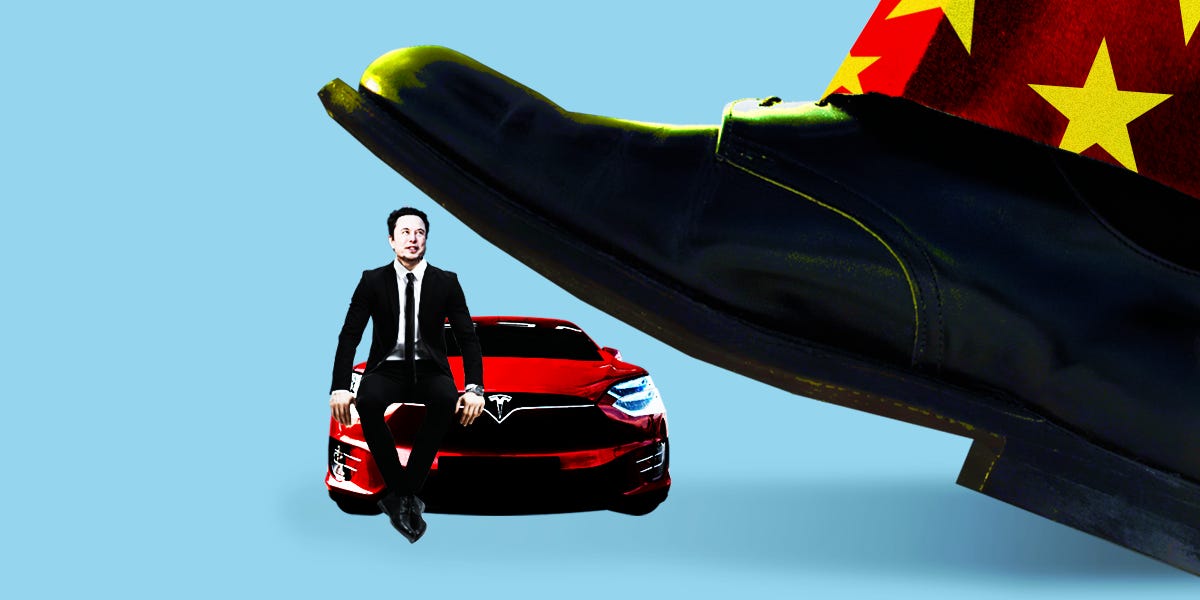
Chinese electric vehicle (EV) makers have rapidly grown to dominate the global EV market, posing a significant threat to US auto industry players like Tesla, GM, and Ford. With a wide range of affordable EV options and a strong focus on expanding into international markets, Chinese companies are challenging the traditional dominance of American automakers. As China aims to become the world's leading EV manufacturer, the US is grappling with how to protect its auto industry while also providing consumers with affordable EV choices. The competition between Chinese and US automakers is reshaping the global automotive landscape and raising questions about the future of the industry.
The Biden Administration is considering relaxing strict EPA rules driving electric vehicle adoption, potentially delaying a "sharp increase" in EV sales until after 2030 in response to pressure from automakers, labor unions, and political opposition. This move could impact the future of the EV industry, America's competitiveness against China, and the administration's climate goals. Critics argue that postponing EV targets may hinder efforts to combat global warming, while the auto industry faces uncertainty and potential challenges in competing against Chinese automakers.
The demand for electric vehicles (EVs) is expected to continue rising in 2024, with companies like Tesla, NIO, and Rivian leading the way. In addition to these well-known names, there are several small-cap EV stocks worth considering for investment. Some of the best small-cap electric vehicle stocks to invest in include Mullen Automotive Inc. (NASDAQ:MULN), NWTN Inc. (NASDAQ:NWTN), Workhorse Group, Inc. (NASDAQ:WKHS), Niu Technologies (NASDAQ:NIU), Faraday Future Intelligent Electric Inc. (NASDAQ:FFIE), and Zapp Electric Vehicles Group Limited (NASDAQ:ZAPP). These companies are attracting attention from hedge funds and investors as potential players in the growing EV market.