The EU faces a critical week with key decisions on Ukraine peace negotiations, a potential reparations loan from frozen Russian assets, and the long-awaited Mercosur trade agreement, all amid geopolitical tensions and internal disagreements that could significantly impact its global standing.
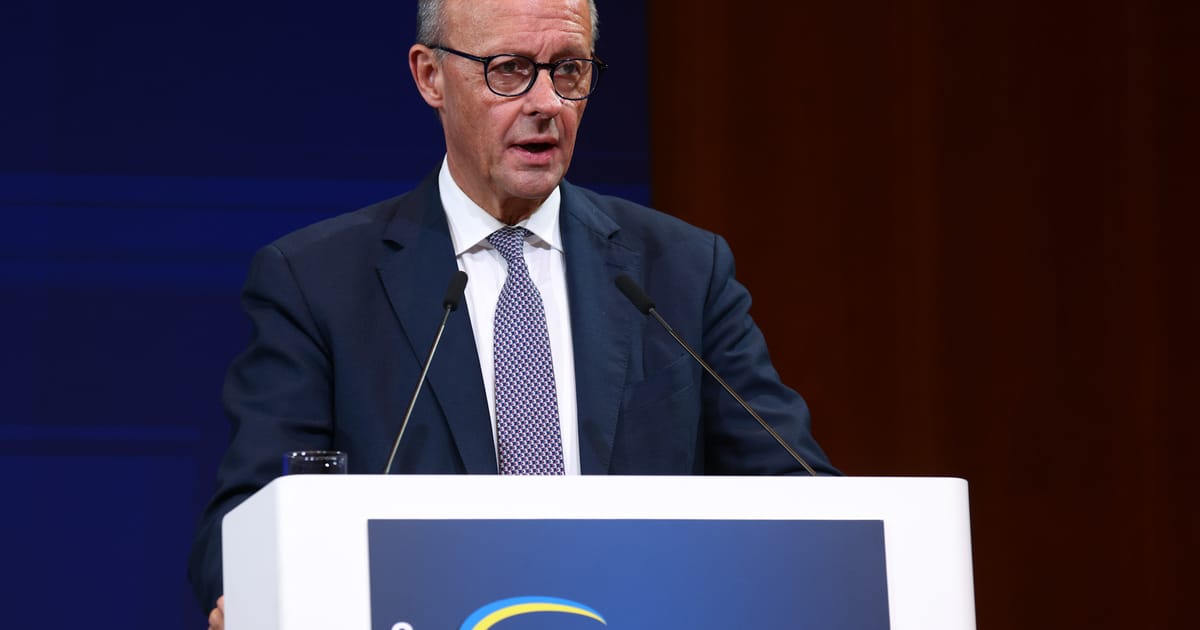
German Chancellor Friedrich Merz warned that the EU would face severe long-term damage if it fails to agree on a multi-billion-euro loan to Ukraine, which involves using frozen Russian assets. The effort faces opposition from some EU countries and external pressures from the US and Russia, complicating the rescue plan amid geopolitical tensions and legal challenges.
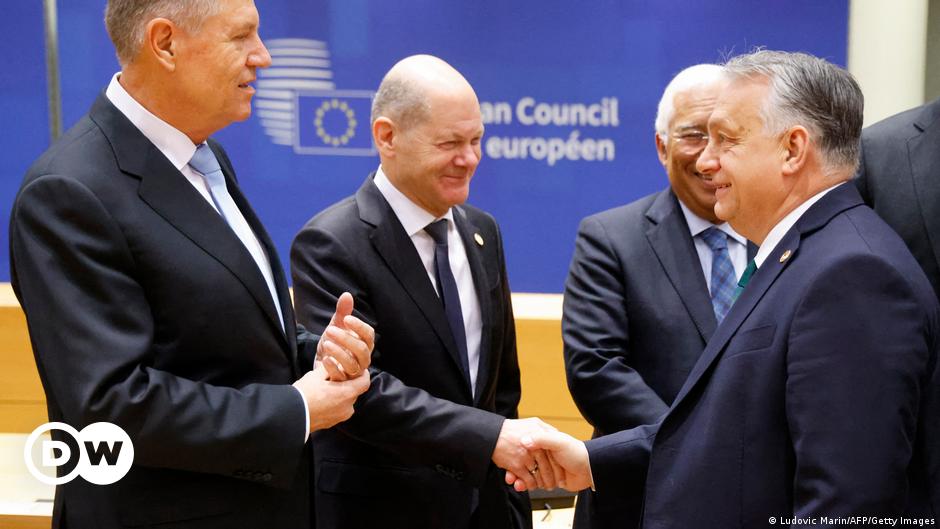
EU leaders reached a deal to provide €50 billion in funding to Ukraine over the next four years after Hungary, led by Prime Minister Viktor Orban, dropped its opposition. The aid package, which includes economic and humanitarian assistance, also aims to signal support for Ukraine amid Russia's invasion. The agreement is seen as a demonstration of EU unity and reliability, with hopes that it will encourage US assistance to Ukraine and reassure American taxpayers. Ukrainian President Zelenskyy welcomed the funding deal, while Hungarian Prime Minister Orban secured a control mechanism to ensure the funds are used sensibly.
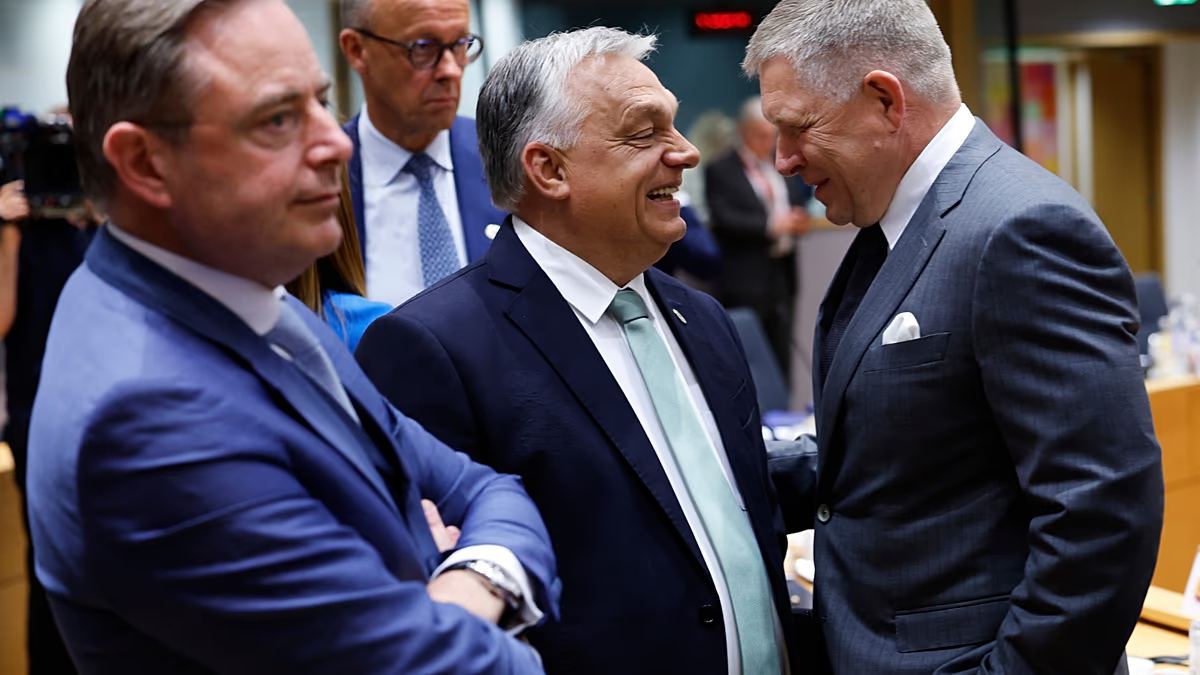
European Union leaders isolated Hungarian Prime Minister Viktor Orban to secure a 50 billion euro aid package for Ukraine by delivering a united message that he would face consequences if he continued to block the deal. Orban, who maintains close ties to Moscow, was forced to abandon key demands and received no assurances that frozen funds due to concerns about democratic standards in Hungary would be released. Despite claiming victory, diplomats indicated that his control mechanism on the aid package has no teeth.
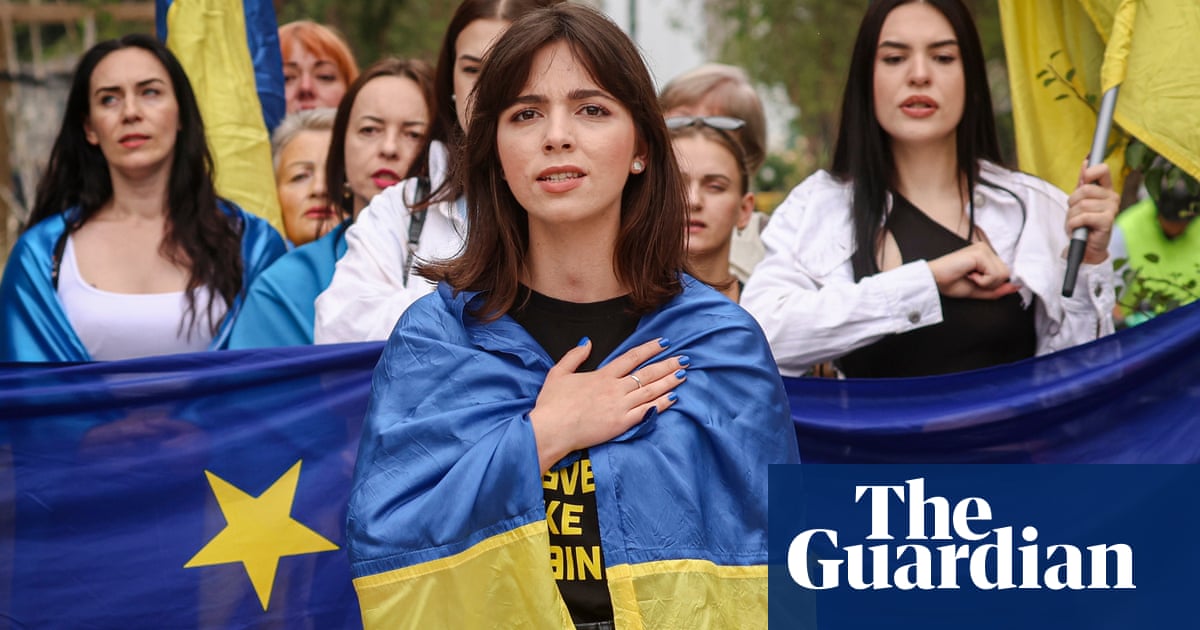
Europeans are generally open to the idea of Ukraine joining the EU, according to a survey conducted by the European Council on Foreign Relations (ECFR). However, there is lukewarm support for the EU's enlargement to include Georgia and countries in the western Balkans. The survey also revealed economic and security concerns regarding Ukraine's potential membership. While there is considerable support for Ukraine's candidacy, there is widespread opposition to Turkey's accession. The summit this week will discuss the start of accession talks, but the debate on how to achieve enlargement has just begun.