The article discusses how private colleges increasingly use behind-the-scenes discounting and financial aid to offset high sticker prices, with about two-thirds of students receiving aid, making college more affordable despite high published tuition. It highlights the complexity and lack of transparency in aid calculations, the importance of price in college decisions, and the overall value of a college degree despite rising costs.
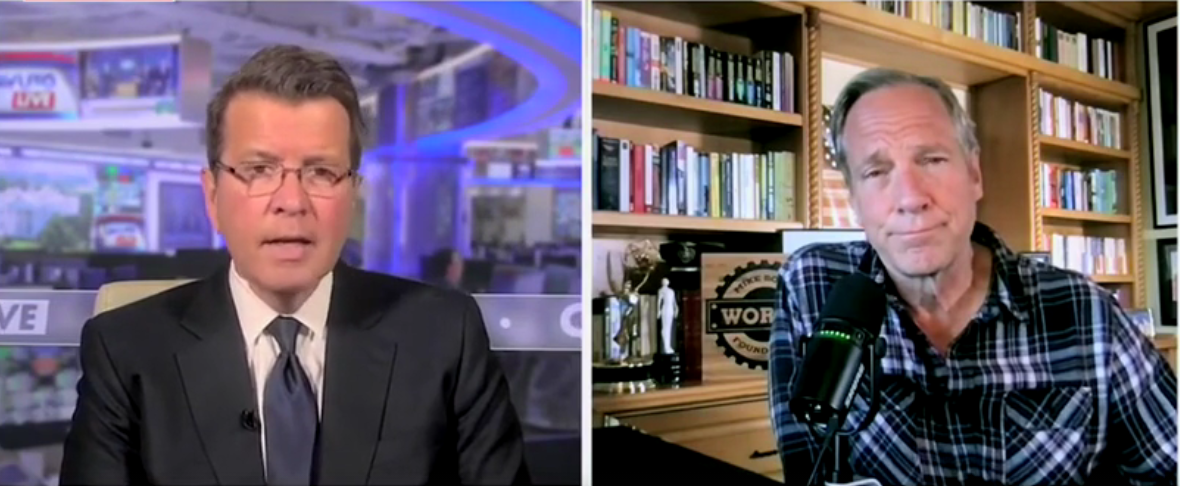
"Dirty Jobs" host Mike Rowe praises the increasing number of Generation Z members opting for vocational schools over expensive college degrees, citing rising tuition costs and a shortage of skilled labor. He emphasizes the lucrative opportunities in trades and criticizes the societal pressure to pursue traditional higher education. While college degrees generally improve financial prospects, Rowe highlights the potential for well-paying careers in the trades and urges a shift in societal attitudes towards vocational education.
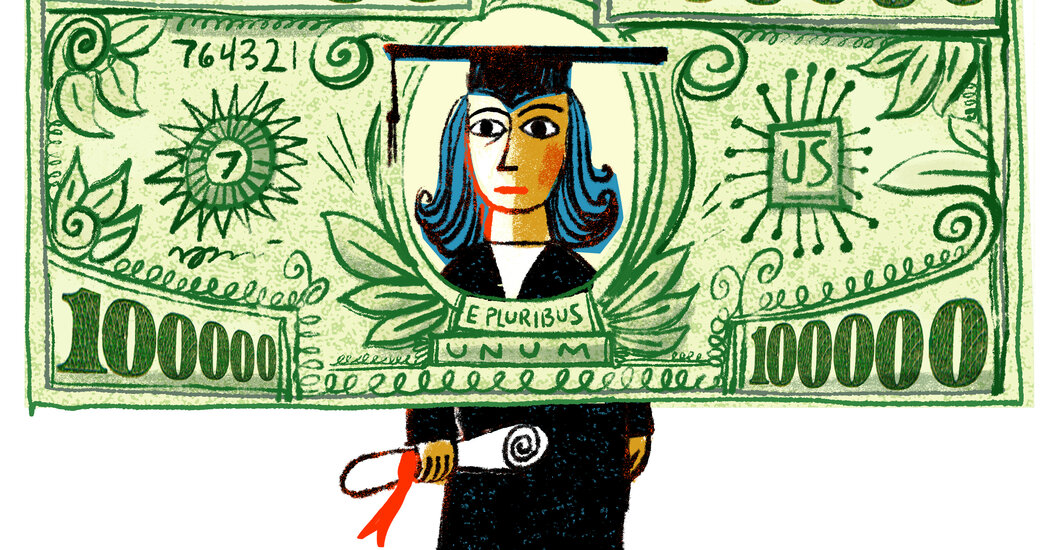
Vanderbilt University has quoted its cost of attendance at nearly $100,000 a year for some students, including room, board, personal expenses, and a high-end laptop. This high cost is an anomaly, but a few dozen other selective colleges may reach this threshold soon. The average list price for tuition, fees, housing, and food at private nonprofit four-year schools was $56,190, and $24,030 for in-state students at public colleges in 2023-24. However, many students do not pay the full list price due to receiving grant aid, with a significant percentage paying nothing for tuition and fees.
The cost of attending some colleges is nearing $100,000 per year, but many families pay significantly less due to financial aid. Sticker prices can be misleading, as about two-thirds of full-time students receive aid, bringing the average out-of-pocket cost down to $28,026. The Free Application for Federal Student Aid (FAFSA) is crucial for accessing federal money, but problems with the new FAFSA have discouraged many students and their families from completing an application. As a result, high school graduates miss out on billions in federal grants, with the Class of 2022 leaving an estimated $3.6 billion of unclaimed Pell Grant dollars on the table.
Several private colleges in the United States are setting their annual costs for tuition, board, meals, and other expenses at over $90,000, with some reaching as high as $95,000. However, many of these institutions offer generous financial aid, making attendance more affordable for lower-income families. The rollout of a new U.S. Department of Education online form for federal aid has been plagued by delays and glitches, causing anxiety for prospective students. Despite the high costs, experts believe that college can still be a good investment if students borrow in moderation and complete their studies.
Several private colleges in the US are setting their annual costs for tuition, board, meals, and other expenses at over $90,000, causing sticker shock for many families. However, colleges with large endowments are focused on making college affordable for students who aren’t wealthy, with lower-income families required to pay just 10% of the advertised rate. The rollout of a new U.S. Department of Education online form for federal aid has been chaotic, causing delays and anxiety for prospective students. Despite the high costs, financial aid expert Mark Kantrowitz believes that college is a good investment as long as students borrow in moderation and complete their studies.
Three colleges in Massachusetts, including Wellesley College, Boston University, and Tufts University, will now cost more than $90,000 a year for undergraduates, encompassing tuition, housing, and other expenses, prompting families to consider alternative options such as in-state community colleges and scholarship programs, as college prices continue to trend upwards. Paul Karger, co-founder of TwinFocus, advises setting up a 529 college savings account early and suggests asking for tuition contributions instead of holiday gifts from family members.
Senate Republicans have introduced a package of five bills called the Lowering Education Costs and Debt Act, aimed at addressing rising student debt and the soaring cost of college. The plan includes programs to make sure students understand the real cost of college and shutting off loans for programs that don't result in salaries that are high enough to justify those loans. This comes as President Biden's $400 billion student loan handout is expected to be struck down in the Supreme Court. The Republican plan aims to tackle the rising cost of post-high school degrees and make it easier for students and families to navigate loan programs.
Financial planners offer advice on pressing retirement finance questions, including paying off student loans in your late 60s, whether race should factor into Social Security decisions, and balancing retirement savings with college costs. Planners suggest identifying loan types and exploring income-based repayment options for student loans, reframing Social Security decisions based on individual circumstances, and prioritizing retirement savings over college costs to ensure long-term financial stability.