The article discusses how private colleges increasingly use behind-the-scenes discounting and financial aid to offset high sticker prices, with about two-thirds of students receiving aid, making college more affordable despite high published tuition. It highlights the complexity and lack of transparency in aid calculations, the importance of price in college decisions, and the overall value of a college degree despite rising costs.
Proposed federal cuts to the Pell Grant could significantly reduce aid for nearly half a million Texas students, potentially leading to a loss of up to $493 million in aid and forcing students to take on heavier course loads or drop out, especially impacting part-time and community college students. The final legislation is still uncertain, with potential changes that could further affect student eligibility and access.
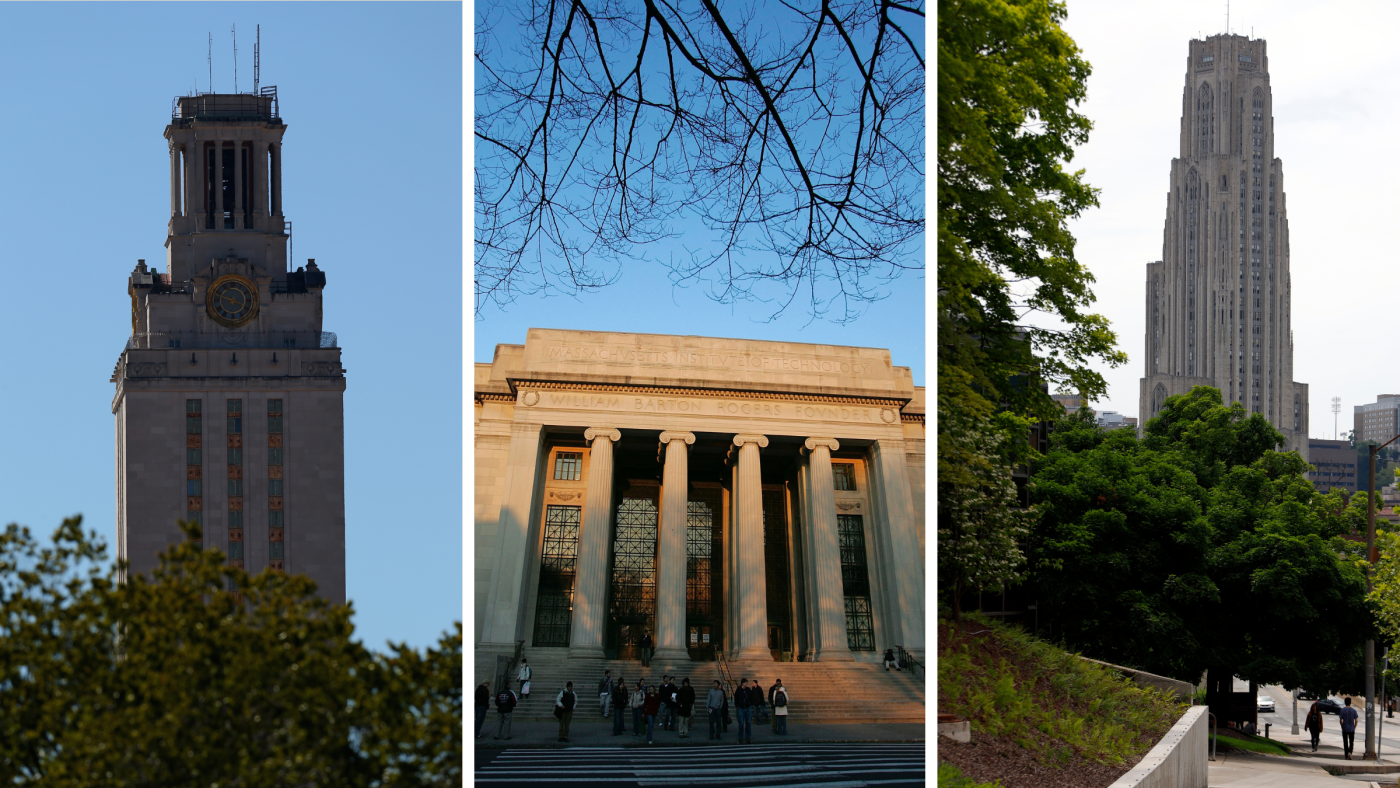
Several prestigious universities, including MIT, the University of Texas System, and Carnegie Mellon, have announced free tuition initiatives for undergraduates from families meeting specific income criteria, starting in fall 2025. This move aims to make higher education more accessible amid rising college costs and growing student debt concerns. MIT will offer free tuition for families earning under $200,000, while the University of Texas System will cover tuition for families earning $100,000 or less. These initiatives reflect a broader effort to address college affordability and attract students amid declining enrollment and skepticism about the value of a college degree.
Most college-bound students and their parents now say affordability and dealing with the debt burden that often goes hand in hand with a college diploma is their top concern. A whopping 98% of families said financial aid would be necessary to pay for college, and 82% said it was "extremely" or "very" necessary. Private colleges like Vassar, Princeton, Yale, Pomona, and Vanderbilt offer generous financial aid packages, while public colleges like University of Virginia, University of North Carolina at Chapel Hill, Truman State University, New College of Florida, and City University of New York - Hunter College also provide significant need-based scholarships.