
Scientists have successfully created fertilizable egg-like cells using DNA from human skin cells through a novel technique called mitomeiosis, marking a significant step in infertility research, though clinical applications are still at least 10-15 years away and face ethical and technical challenges.
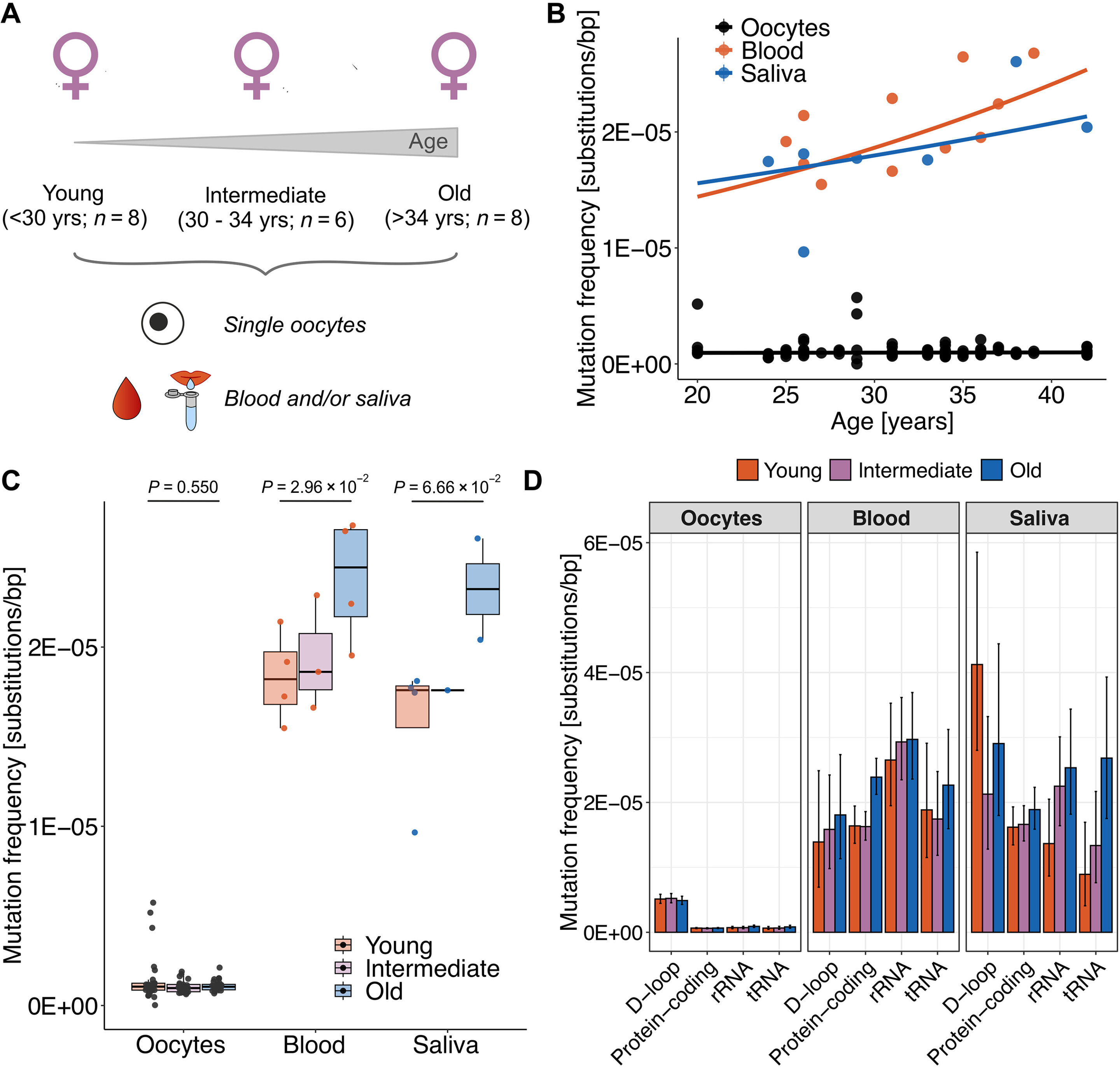
A study finds that human egg cells are protected from age-related mitochondrial DNA mutations, unlike blood and saliva cells, suggesting an evolved mechanism that preserves genetic integrity in eggs as women age, which could impact reproductive counseling.
Scientists from Tsinghua University in China have identified a new genetic change, Eif4enif1, as a key cause of female infertility. This genetic change affects the functioning of egg cells and prevents the ovaries from releasing eggs regularly, making conception almost impossible. The researchers found that the harmful DNA pattern affects the mitochondria within the egg cells, which are responsible for converting fuel to energy. The discovery could lead to potential gene-editing drugs that address the issue and offer effective treatment for infertility.